Ever wondered why your electric kettle whistles? It’s not just a random noise—it’s a signal. That familiar sound usually means your water is boiling and ready, but sometimes it can point to issues like mineral buildup or a faulty mechanism.
Key Takeaways
- Whistling is normal: Most electric kettles whistle when water reaches boiling point to alert you it’s ready.
- Mineral buildup causes noise: Hard water leaves limescale that can clog the whistle mechanism, making it louder or inconsistent.
- Faulty or misaligned parts: A damaged lid, spout, or internal whistle can create unexpected sounds.
- Overfilling leads to steam issues: Too much water can cause excessive steam pressure, triggering louder or continuous whistling.
- Low water levels create dry boil: Running the kettle with little or no water can damage the heating element and cause odd noises.
- Design affects sound: Some kettles are naturally louder due to materials, spout shape, or whistle design.
- Regular cleaning helps: Descaling and wiping the spout and lid can reduce noise and improve performance.
📑 Table of Contents
Why Is My Electric Kettle Whistling? The Complete Guide
You’re in the kitchen, reaching for your morning coffee or tea, and as soon as you press the button on your electric kettle, it starts whistling—loudly. At first, it might seem alarming. Is something wrong? Is it about to explode? Or is this just… normal?
Relax. In most cases, a whistling electric kettle is perfectly fine. That sound is actually a built-in feature designed to let you know your water has reached boiling point. Think of it like a friendly alarm clock for your brew. But while whistling is common, it’s not always consistent. Some kettles whistle softly, others scream like a tea party gone wrong. And sometimes, the whistle starts too early, stops too late, or doesn’t happen at all. So what’s really going on inside that sleek stainless steel or plastic body?
In this guide, we’ll explore the science behind the whistle, the common causes of noise, and how to keep your kettle running smoothly—and quietly—if you prefer. Whether you’re a tea lover, a coffee connoisseur, or just someone who wants a peaceful kitchen, understanding why your electric kettle whistles can help you get the best performance from your appliance.
How Does an Electric Kettle Whistle Work?
Before we dive into the “why,” let’s talk about the “how.” How does an electric kettle actually produce that iconic whistle? It’s not magic—it’s physics.
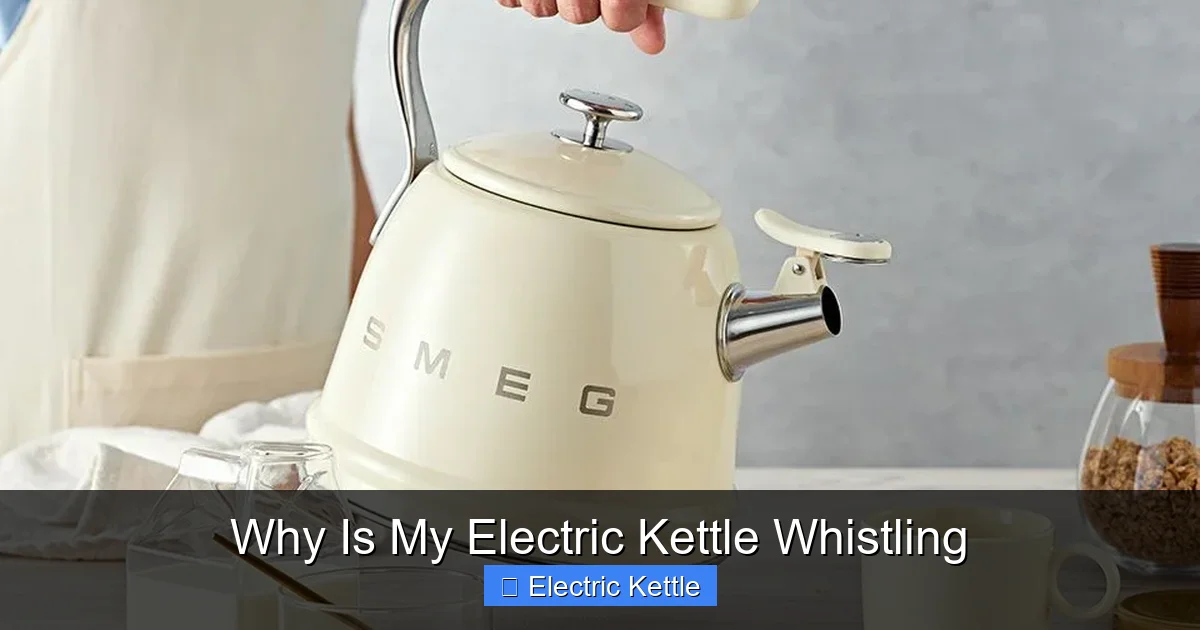
Visual guide about Why Is My Electric Kettle Whistling
Image source: smegphilippines.com
The Science of Steam and Sound
When you turn on your electric kettle, electricity heats up a concealed heating element at the base. As the water heats, it eventually reaches 100°C (212°F)—the boiling point. At this temperature, water turns into steam. Steam is lighter than air and rises, escaping through the spout of the kettle.
Now, here’s the key: inside the spout or lid of many kettles is a small whistle mechanism. This is usually a tiny metal or plastic component with a narrow opening. As steam rushes through this opening, it vibrates rapidly, creating sound waves. These vibrations produce the high-pitched whistle you hear. It’s similar to how blowing air across the top of a bottle creates a tone.
Types of Whistle Mechanisms
Not all kettles whistle the same way. Some use a simple hole in the lid, while others have a more complex internal whistle chamber. Here are the most common designs:
- Spout whistle: A small hole or slot in the spout allows steam to escape and vibrate, creating sound. This is common in older or basic models.
- Internal whistle chamber: A sealed compartment inside the lid captures steam and directs it through a narrow passage, producing a clearer, more consistent tone.
- Dual-tone whistle: Some premium kettles use two chambers to create a musical “ding-dong” sound, adding a touch of elegance to your morning routine.
The design affects not just the sound, but also how reliable the whistle is. A well-engineered whistle will activate only when steam pressure is high enough—meaning the water is truly boiling. Cheaper models might whistle prematurely or not at all.
Why Some Kettles Don’t Whistle
Interestingly, not all electric kettles whistle. Many modern models—especially cordless or smart kettles—rely on automatic shut-off instead. These kettles use thermostats or sensors to detect when water boils and turn off the heating element. No whistle needed.
If your kettle doesn’t whistle, it’s not broken. It’s just designed differently. But if you’re used to the sound and suddenly it stops, that could be a sign of trouble—like a clogged spout or a failing mechanism.
Common Reasons Your Electric Kettle Is Whistling
Now that you know how the whistle works, let’s look at why it might be acting up. Most whistling is normal, but certain behaviors can signal underlying issues.
1. Normal Boiling Alert
The most common reason your electric kettle whistles is simply that it’s doing its job. When water reaches boiling point, steam builds up and escapes through the whistle mechanism, creating sound. This is a safety and convenience feature—it tells you it’s time to pour.
For example, if you fill your kettle with cold water, press the button, and hear a soft whistle after 3–5 minutes, that’s exactly what should happen. It means your water is ready for tea, coffee, or instant noodles.
2. Mineral Buildup (Limescale)
If your kettle whistles louder than usual, or the sound is raspy or inconsistent, mineral buildup could be the culprit. Hard water contains calcium and magnesium, which form limescale when heated. Over time, this chalky deposit accumulates inside the kettle, especially around the heating element, spout, and whistle.
Limescale can clog the whistle opening, forcing steam to escape through a narrower space. This increases pressure and creates a higher-pitched, sometimes screeching sound. In severe cases, the whistle might not work at all because the steam can’t get through.
For instance, if you live in an area with hard water and notice your kettle whistling more aggressively after a few weeks of use, limescale is likely to blame. You might also see white or gray deposits around the spout or inside the lid.
3. Overfilling the Kettle
Filling your kettle beyond the maximum line can cause excessive steam pressure. When too much water boils, it produces more steam than the whistle mechanism is designed to handle. This can lead to a louder, more intense whistle—or even steam spraying out uncontrollably.
Imagine filling your kettle to the brim, then turning it on. As the water heats, it expands slightly. If there’s no room for expansion, steam has nowhere to go but out the spout—fast. This sudden rush of steam can make the whistle scream like a tea kettle in a cartoon.
Overfilling also increases the risk of boiling water splashing out, which is a safety hazard. Always check the “max” fill line before use.
4. Low Water Level (Dry Boil)
Running your kettle with very little water—or worse, no water at all—can cause serious problems. When the heating element is exposed to air, it overheats rapidly. This is called a “dry boil,” and it can damage the element, warp the base, or even start a fire.
But how does this relate to whistling? Well, if the water level is too low, steam may form unevenly or escape in bursts. This can create irregular, popping, or sputtering sounds instead of a steady whistle. In some cases, the kettle might not whistle at all because there’s not enough steam pressure.
For example, if you accidentally press the button with only a splash of water left, you might hear a faint hiss followed by silence—or worse, a burning smell. Modern kettles often have auto shut-off to prevent this, but it’s still best to avoid it.
5. Faulty or Misaligned Parts
Over time, the lid, spout, or internal whistle mechanism can become loose, cracked, or misaligned. This can affect how steam flows and how the whistle sounds.
Say your kettle has a plastic lid that doesn’t seal properly. Steam might escape from the sides instead of going through the whistle, reducing or eliminating the sound. Or, if the whistle chamber is cracked, steam could leak out prematurely, causing a weak or inconsistent tone.
Even small cracks or warping from repeated heating and cooling can disrupt the whistle. If your kettle used to whistle clearly but now sounds muffled or silent, inspect the lid and spout for damage.
6. Design and Material Differences
Not all kettles are created equal. The material, shape, and build quality can influence how loud or soft the whistle is.
Stainless steel kettles, for example, tend to produce a sharper, more resonant sound because metal conducts sound well. Plastic kettles may muffle the noise, resulting in a softer whistle. Similarly, a narrow spout creates higher pressure and a higher-pitched sound, while a wide spout may produce a deeper tone.
Some kettles are simply designed to be louder. If you bought a budget model, it might not have the same precision engineering as a premium brand. That doesn’t mean it’s broken—it’s just built differently.
Is a Whistling Kettle Safe?
Yes—most of the time. A whistling electric kettle is generally safe, especially if the sound occurs when the water is boiling. The whistle is a sign that the kettle is working as intended.
When to Be Concerned
However, there are situations where whistling could indicate a problem:
- Continuous whistling after boiling: If the kettle keeps whistling even after you’ve turned it off or poured the water, it might be overheating or have a faulty thermostat.
- Whistling before boiling: If the sound starts when the water is still cold, there could be a blockage or air trapped in the system.
- Smoke or burning smell: This is a red flag. Stop using the kettle immediately and check for damage or electrical issues.
- Steam spraying from unusual places: If steam is coming out from the base, handle, or lid seams, the kettle may be leaking or damaged.
In these cases, unplug the kettle and inspect it. If you’re unsure, contact the manufacturer or a qualified technician.
Safety Features to Look For
Modern electric kettles come with several safety features to prevent accidents:
- Auto shut-off: Turns off the kettle when water reaches boiling point.
- Boil-dry protection: Shuts off if there’s no water inside.
- Cool-touch handle: Prevents burns when pouring.
- Stability base: Reduces the risk of tipping over.
These features make whistling kettles safer, but they’re not foolproof. Always follow the manufacturer’s instructions and avoid modifying your kettle.
How to Fix a Whistling Electric Kettle
If your kettle is whistling too loudly, not at all, or at the wrong time, don’t panic. Most issues can be resolved with simple maintenance or adjustments.
1. Descale Regularly
The best way to prevent limescale buildup is to descale your kettle every 1–2 months, depending on water hardness. Here’s how:
- Fill the kettle halfway with equal parts water and white vinegar.
- Let it sit for 30–60 minutes.
- Boil the solution, then let it cool.
- Pour out the liquid and rinse thoroughly with clean water.
- Boil fresh water once or twice to remove any vinegar taste.
For a quicker method, use a commercial descaling solution or lemon juice. Avoid using abrasive cleaners or steel wool, which can scratch the interior.
2. Clean the Spout and Whistle
Use a soft brush or pipe cleaner to gently remove debris from the spout and whistle opening. Be careful not to damage the mechanism. A toothbrush works well for this.
If the whistle is removable, take it out and rinse it under warm water. Let it dry completely before reassembling.
3. Check the Lid Seal
Make sure the lid closes securely and forms a tight seal. If it’s loose or cracked, steam may escape improperly. Replace the lid if necessary.
4. Avoid Overfilling and Underfilling
Always fill your kettle between the “min” and “max” lines. This ensures proper steam flow and prevents dry boiling.
5. Test the Heating Element
If your kettle isn’t whistling at all, the heating element might be faulty. Try boiling water and listening for the sound. If there’s no whistle and the water isn’t heating properly, it may need repair or replacement.
6. Consider a Replacement
If your kettle is old, damaged, or consistently problematic, it might be time for an upgrade. Look for models with quiet operation, auto shut-off, and easy-to-clean designs.
Tips for a Quieter Kettle Experience
Love your kettle but hate the noise? Here are some tips to reduce whistling without sacrificing function:
- Use filtered water: Reduces mineral buildup and keeps the whistle clean.
- Descale monthly: Prevents limescale from affecting sound.
- Choose a kettle with a soft whistle: Some brands offer “quiet boil” technology.
- Place the kettle on a soft surface: A silicone mat or towel can dampen vibrations.
- Avoid boiling more water than needed: Less water means less steam and quieter operation.
Remember, a little noise is normal—and even helpful. But with proper care, you can enjoy a kettle that whistles just enough to let you know it’s ready.
Conclusion
So, why is your electric kettle whistling? In most cases, it’s a sign that your water is boiling and your kettle is working perfectly. That familiar sound is the result of steam escaping through a carefully designed whistle mechanism—a clever blend of physics and practicality.
However, if the whistle is too loud, inconsistent, or absent, it could point to issues like limescale buildup, overfilling, or damaged parts. Regular cleaning, proper use, and attention to safety can keep your kettle running smoothly and quietly.
Whether you embrace the whistle as part of your morning ritual or prefer a silent boil, understanding how and why it happens helps you get the most out of your electric kettle. So next time you hear that high-pitched call, you’ll know exactly what it means—and whether it’s time to pour, clean, or relax.
Frequently Asked Questions
Why is my electric kettle whistling so loud?
A loud whistle is often caused by mineral buildup in the spout or whistle mechanism. Hard water leaves limescale that narrows the steam passage, increasing pressure and sound. Descaling the kettle can usually fix this.
Is it normal for an electric kettle to whistle?
Yes, it’s completely normal. The whistle alerts you that the water has reached boiling point. It’s a safety and convenience feature found in many traditional electric kettles.
Why won’t my electric kettle whistle anymore?
If your kettle used to whistle but no longer does, the whistle mechanism may be clogged with limescale or debris. Clean the spout and internal whistle with a brush or descaling solution.
Can a whistling kettle be dangerous?
Generally, no. A whistling kettle is safe when used properly. However, continuous whistling, smoke, or steam escaping from unusual places could indicate a malfunction. Unplug and inspect the kettle if you notice these signs.
How often should I descale my electric kettle?
Descale every 1–2 months if you use hard water, or every 3–4 months with soft water. Regular descaling prevents limescale buildup and keeps the whistle working properly.
Do all electric kettles whistle?
No, not all electric kettles whistle. Many modern models use automatic shut-off instead of a whistle. These kettles rely on sensors to detect boiling and turn off the heating element silently.