Using an electric kettle saves time, energy, and effort while delivering consistent, rapid boiling for your favorite beverages and meals. Whether you’re brewing tea, making instant coffee, or preparing quick meals, an electric kettle offers unmatched convenience, safety, and efficiency compared to stovetop methods.
Key Takeaways
- Faster Boiling: Electric kettles heat water significantly quicker than stovetop kettles, often in under 5 minutes.
- Energy Efficiency: They use less electricity than boiling water on a gas or electric stove, saving on energy bills.
- Temperature Control: Many models offer variable temperature settings, ideal for different types of tea and coffee.
- Enhanced Safety Features: Auto shut-off, boil-dry protection, and cool-touch exteriors reduce the risk of accidents.
- Convenience and Portability: Easy to use anywhere with an outlet—perfect for offices, dorms, or travel.
- Consistent Performance: Delivers precise, repeatable results every time, unlike inconsistent stovetop heating.
- Versatile Use: Great for more than just drinks—use for instant noodles, oatmeal, baby formula, and more.
📑 Table of Contents
- Why Use an Electric Kettle? The Ultimate Guide to Faster, Smarter Boiling
- Speed and Efficiency: Boil Water in Record Time
- Precision and Temperature Control: Brew Like a Pro
- Safety Features: Peace of Mind with Every Boil
- Convenience and Portability: Use It Anywhere
- Versatility: More Than Just Tea and Coffee
- Design and Aesthetics: Style Meets Function
- Cost and Long-Term Value: A Smart Investment
- Conclusion: Make the Switch Today
Why Use an Electric Kettle? The Ultimate Guide to Faster, Smarter Boiling
Imagine this: it’s early morning, you’re half-awake, and all you want is a hot cup of tea or coffee to kickstart your day. You fill a stovetop kettle, place it on the burner, and wait… and wait… and wait. By the time the water boils, you’ve already scrolled through your phone, checked the weather, and debated whether to hit snooze again. Sound familiar?
Now picture this instead: you press a button, walk away for two minutes, and return to perfectly boiled water—ready to brew. No waiting, no guesswork, no burnt kettle. That’s the magic of an electric kettle.
In today’s fast-paced world, convenience is king. And when it comes to boiling water, the electric kettle reigns supreme. Whether you’re a tea enthusiast, a coffee connoisseur, a busy parent, or just someone who values efficiency, there are countless reasons why use an electric kettle should be a no-brainer.
But it’s not just about speed. Electric kettles offer a blend of safety, precision, energy savings, and versatility that stovetop kettles simply can’t match. From advanced temperature controls to sleek, modern designs, these appliances have evolved far beyond basic boiling. They’re smarter, safer, and more user-friendly than ever.
In this guide, we’ll explore the top reasons why use an electric kettle is a smart choice for your home, office, or dorm room. We’ll break down the benefits, compare it to traditional methods, and show you how this simple appliance can transform your daily routine. So grab a cup of tea (electric kettle brewed, of course), and let’s dive in.
Speed and Efficiency: Boil Water in Record Time
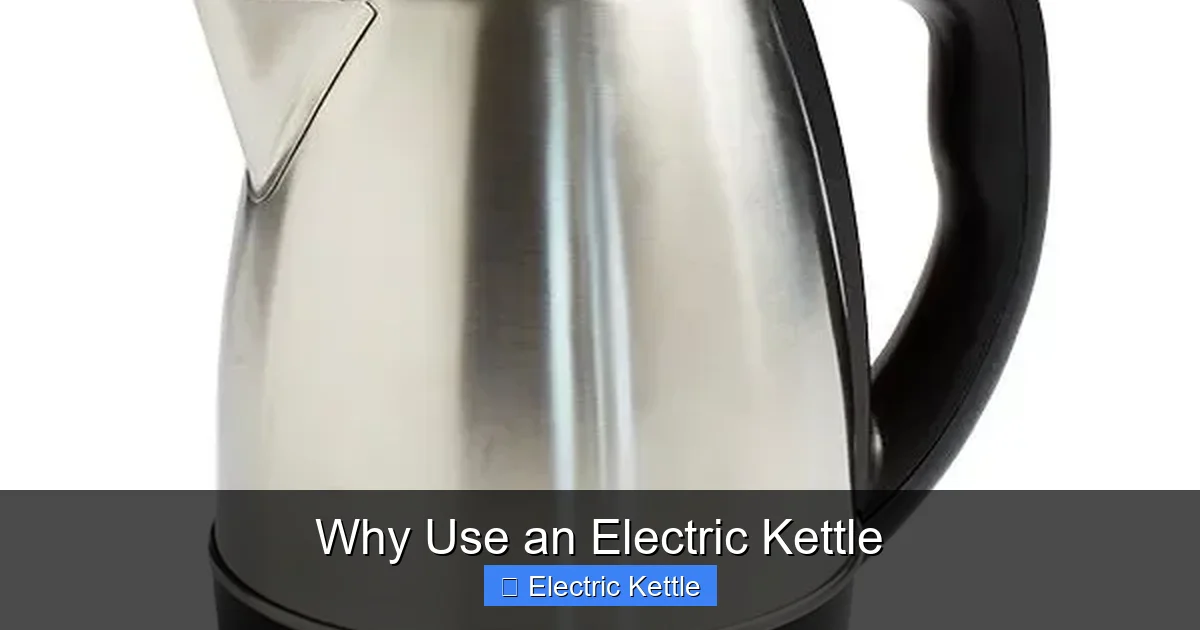
Visual guide about Why Use an Electric Kettle
Image source: static.uptoncdn.com
Let’s start with the most obvious advantage: speed. If you’ve ever stood over a stovetop kettle, watching the bubbles slowly form, you know how frustratingly slow the process can be. An electric kettle, on the other hand, can boil a full liter of water in just 3 to 5 minutes—sometimes even faster.
How Electric Kettles Achieve Faster Boiling
Electric kettles are designed with powerful heating elements—typically between 1200 and 3000 watts—that transfer heat directly to the water. Unlike stovetop kettles, which rely on indirect heat from a burner, electric kettles heat water from the bottom up with maximum efficiency. This direct contact means less energy loss and faster results.
For example, a standard 1500-watt electric kettle can boil 1 liter of water in about 4 minutes. Compare that to a gas stove, which might take 6–8 minutes, or an electric coil stove, which can take even longer. That’s a time savings of up to 50%—valuable minutes you can use to sip your morning coffee, pack lunches, or simply enjoy a few extra moments of peace.
Real-World Time Savings
Let’s put this into perspective. Say you make two cups of tea every morning. With a stovetop kettle, that’s 10 minutes of waiting over five days—50 minutes a week. With an electric kettle, you cut that down to 20 minutes. Over a year, that’s over 17 hours saved. That’s nearly two full days of extra time—just from switching your kettle!
And it’s not just about mornings. Whether you’re making instant soup, reheating leftovers, or preparing baby formula, the speed of an electric kettle means less waiting and more doing.
Energy Efficiency: Save Power and Money
But speed isn’t the only benefit. Electric kettles are also more energy-efficient than stovetop methods. Because they heat water directly and quickly, they use less energy overall. Studies show that electric kettles can be up to 50% more efficient than gas stoves and 20–30% more efficient than electric stovetops.
This efficiency translates to real savings on your energy bill. While the difference per use may seem small, it adds up over time—especially in households that boil water multiple times a day. Plus, using less energy means a smaller carbon footprint, making electric kettles a greener choice for eco-conscious consumers.
Precision and Temperature Control: Brew Like a Pro
Not all hot water is created equal. Different beverages require different temperatures to bring out their best flavors. Green tea, for instance, brews best at 160–185°F (70–85°C), while black tea needs a full boil at 212°F (100°C). Coffee made with a French press or pour-over method also benefits from precise water temperatures.
This is where electric kettles truly shine.
Variable Temperature Settings
Many modern electric kettles come with adjustable temperature controls, allowing you to select the perfect heat level for your drink. Some models offer preset options like “Green Tea,” “White Tea,” “Coffee,” and “Boil,” while others let you fine-tune the temperature in 5–10°F increments.
For example, the Breville Smart Kettle features five preset temperatures and a keep-warm function that maintains your desired heat for up to 60 minutes. This means you can brew delicate white tea without scalding the leaves, or make pour-over coffee with water that’s just off the boil—ideal for extracting rich, balanced flavors.
Consistency You Can Count On
Unlike stovetop kettles, where heat can fluctuate based on burner settings or flame intensity, electric kettles deliver consistent results every time. The built-in thermostat ensures the water reaches—and stays at—the exact temperature you select. No more guessing, no more over-boiling, no more bitter tea.
This precision is especially valuable for tea lovers. Overheating green or white tea can release excessive tannins, leading to a bitter, astringent taste. With an electric kettle, you get smooth, flavorful brews with every cup.
Keep-Warm Functionality
Another bonus? Many electric kettles include a keep-warm feature. Once the water reaches your desired temperature, the kettle automatically switches to a low-power mode to maintain the heat. This is perfect for hosting guests, making multiple cups, or simply enjoying a slow-paced morning.
Imagine pouring your first cup of coffee, then returning 20 minutes later for a second—still hot, still perfect. That’s the convenience of modern electric kettles.
Safety Features: Peace of Mind with Every Boil
Boiling water can be dangerous—especially if you’re distracted, in a hurry, or have curious kids around. Stovetop kettles require constant monitoring. If you forget to turn off the burner, you risk burning the kettle, wasting energy, or even starting a fire.
Electric kettles, on the other hand, are designed with safety as a top priority.
Auto Shut-Off and Boil-Dry Protection
One of the most important safety features is auto shut-off. Once the water reaches boiling point (or your selected temperature), the kettle automatically turns off. This prevents overheating, reduces energy waste, and eliminates the risk of leaving the stove on.
Even better, many models include boil-dry protection. If you accidentally turn on the kettle without water, the heating element shuts off immediately to prevent damage or fire. This is a lifesaver for busy households or forgetful users.
Cool-Touch Exteriors and Secure Lids
Another safety advantage? Cool-touch exteriors. Unlike stovetop kettles, which can get dangerously hot to the touch, many electric kettles have insulated bodies that stay cool even when the water inside is boiling. This reduces the risk of burns, especially in homes with children or pets.
Additionally, electric kettles often feature secure, locking lids that prevent spills during pouring. Some models even have spout filters to catch limescale and debris, ensuring clean, great-tasting water every time.
Stable Bases and Cordless Design
Most electric kettles operate on a cordless design—the kettle lifts off a detachable base for easy pouring. This reduces the risk of tripping over cords or knocking over a heavy, hot kettle. The base also typically includes non-slip feet, keeping the kettle stable on countertops.
These thoughtful design elements make electric kettles not only safer but also more user-friendly, especially for seniors or individuals with limited mobility.
Convenience and Portability: Use It Anywhere
Let’s be honest—life doesn’t always happen in the kitchen. Sometimes you need hot water in the living room, the office, or even your dorm room. That’s where the portability of an electric kettle comes in.
Perfect for Small Spaces
Electric kettles are compact and lightweight, making them ideal for small spaces. Unlike bulky stovetop kettles, they don’t require a burner or stove. Just plug them into any standard outlet, and you’re ready to go.
This makes them a favorite in college dorms, RVs, hotel rooms, and tiny apartments. Students can make instant noodles or tea without leaving their room. Travelers can enjoy a hot drink in their hotel without relying on questionable coffee makers.
Office-Friendly and Quiet Operation
Many electric kettles are designed for quiet operation—perfect for office environments. Unlike noisy stovetop kettles or microwaves, they heat water with minimal sound, so you can boil water without disturbing coworkers.
Plus, they’re energy-efficient enough to use at work without overloading circuits. Some offices even provide communal electric kettles for employees, promoting a culture of convenience and comfort.
Easy to Clean and Maintain
Cleaning an electric kettle is a breeze. Most models have wide openings for easy access, and many are dishwasher-safe (check the manual). Some even include removable filters to catch mineral buildup, which can affect taste and performance over time.
Regular descaling—using vinegar or a commercial cleaner—keeps your kettle running smoothly and extends its lifespan. With minimal maintenance, your electric kettle can last for years.
Versatility: More Than Just Tea and Coffee
While electric kettles are perfect for brewing beverages, their uses go far beyond the kitchen counter.
Cooking and Meal Prep
Need to make instant oatmeal, ramen, or couscous? An electric kettle can boil water in minutes, making it a quick solution for simple meals. Just pour the hot water over your ingredients, wait a few minutes, and enjoy.
Parents will love using an electric kettle to prepare baby formula. Boiling water quickly and safely ensures your baby gets a warm, sterile bottle without the wait.
Household and Cleaning Uses
Electric kettles can also be used for household tasks. Need to sanitize baby bottles or pacifiers? Boil them in hot water from your kettle. Have a clogged sink? Pour boiling water down the drain to dissolve grease and debris.
Some people even use electric kettles to steam facial towels or clean small appliances. Just be sure to follow safety guidelines and avoid using the kettle for non-food purposes if it’s not designed for it.
Emergency Preparedness
In case of power outages or natural disasters, an electric kettle (especially one that can run on a generator or inverter) can be a valuable tool. Boiling water ensures it’s safe to drink, which is crucial when tap water may be contaminated.
While not a replacement for full emergency kits, an electric kettle adds a layer of preparedness for unexpected situations.
Design and Aesthetics: Style Meets Function
Gone are the days of clunky, outdated kettles. Today’s electric kettles come in a variety of styles, colors, and materials to match any kitchen décor.
Modern Materials and Finishes
From sleek stainless steel to minimalist glass and matte black finishes, electric kettles are as stylish as they are functional. Brands like Smeg, Cuisinart, and Fellow offer designer models that double as statement pieces.
Glass kettles let you watch the water boil—a mesmerizing sight that adds a touch of elegance to your routine. Stainless steel models are durable and resistant to stains, while plastic kettles are lightweight and budget-friendly.
Ergonomic Handles and Pouring Spouts
Comfort matters. Many electric kettles feature ergonomic handles that stay cool to the touch and provide a secure grip. Precision-pour spouts minimize drips and spills, making it easy to direct the water exactly where you want it.
Some models even include LED indicators that light up when the kettle is on or when the water is ready—adding a futuristic touch to your kitchen.
Smart Features and Connectivity
The future is here. Some high-end electric kettles now come with smart features like app connectivity, voice control (via Alexa or Google Assistant), and programmable timers. Imagine starting your kettle from your phone while you’re still in bed, or scheduling it to boil water at 7 a.m. every morning.
While these features may be overkill for some, they showcase how far electric kettles have come—and how they’re evolving to meet modern lifestyles.
Cost and Long-Term Value: A Smart Investment
You might be wondering: are electric kettles worth the upfront cost? The short answer is yes.
Affordable Options for Every Budget
Electric kettles range from $20 for basic models to $150+ for premium, feature-rich versions. But even the most affordable options offer significant value. For the price of a few coffee shop drinks, you can own an appliance that saves time, energy, and effort for years.
Durability and Longevity
Quality electric kettles are built to last. With proper care, many models can function reliably for 5–10 years. That’s hundreds—or even thousands—of cups of tea, coffee, and instant meals.
Compare that to the wear and tear on stovetop kettles, which can rust, dent, or lose their heat efficiency over time. Electric kettles, especially those with stainless steel or glass interiors, resist corrosion and maintain performance.
Return on Investment
When you factor in time saved, energy efficiency, and reduced wear on your stove, the return on investment becomes clear. Plus, the convenience and enjoyment of perfectly brewed drinks every day? That’s priceless.
Conclusion: Make the Switch Today
So, why use an electric kettle? The answer is simple: it’s faster, safer, smarter, and more convenient than traditional boiling methods. Whether you’re a tea lover, a busy professional, or just someone who values efficiency, an electric kettle can transform your daily routine.
From rapid boiling and precise temperature control to advanced safety features and versatile uses, the benefits are clear. They save time, save energy, and deliver consistent results—every single time.
And with modern designs, smart features, and affordable options, there’s never been a better time to make the switch. So go ahead—unplug that old stovetop kettle, and embrace the future of hot water.
Your mornings (and your taste buds) will thank you.
Frequently Asked Questions
Are electric kettles safe to use?
Yes, electric kettles are very safe when used properly. Most models include auto shut-off, boil-dry protection, and cool-touch exteriors to prevent accidents. Always follow the manufacturer’s instructions and avoid overfilling.
Can I use an electric kettle for cooking?
Absolutely! Electric kettles are great for making instant noodles, oatmeal, couscous, and more. Just pour the boiled water over your ingredients and let them soak. Avoid using it for frying or direct heating of food.
Do electric kettles use a lot of electricity?
No, electric kettles are actually more energy-efficient than stovetops. They use only the energy needed to boil water quickly, reducing waste. On average, boiling a liter of water costs just a few cents.
How do I clean my electric kettle?
Clean your kettle regularly by wiping the exterior and descaling the interior with a vinegar-water solution or a commercial descaler. Rinse thoroughly and avoid submerging the base in water.
Can I boil milk or other liquids in an electric kettle?
It’s not recommended. Most electric kettles are designed for water only. Boiling milk or sugary liquids can damage the heating element and leave stubborn residue. Use a saucepan instead.
What’s the best temperature for different types of tea?
Green tea: 160–185°F (70–85°C), White tea: 175–185°F (80–85°C), Oolong: 185–205°F (85–96°C), Black tea: 200–212°F (93–100°C), Herbal tea: 212°F (100°C). Use a kettle with temperature control for best results.