Using an electric tea kettle saves time, energy, and effort while delivering perfectly heated water every time. Whether you’re brewing tea, making instant coffee, or preparing instant meals, an electric kettle offers convenience, precision, and safety that stovetop methods can’t match.
Key Takeaways
- Faster Boiling: Electric kettles heat water significantly quicker than stovetop kettles, often in under 5 minutes.
- Energy Efficiency: They use less electricity than boiling water on a stove, reducing your energy bill and carbon footprint.
- Precise Temperature Control: Many models offer variable temperature settings, ideal for different types of tea and beverages.
- Enhanced Safety Features: Auto shut-off, boil-dry protection, and cool-touch exteriors make them safer than traditional kettles.
- Convenience and Portability: Lightweight and cordless designs allow easy pouring and storage, perfect for offices, dorms, or travel.
- Versatility Beyond Tea: Great for instant coffee, oatmeal, noodles, baby formula, and more.
- Easy to Clean and Maintain: Most have removable filters and wide openings, making cleaning simple and hassle-free.
📑 Table of Contents
- Why Use an Electric Tea Kettle? A Modern Solution for Everyday Needs
- Speed and Efficiency: Boil Water in Record Time
- Precision Temperature Control: Brew the Perfect Cup Every Time
- Safety First: Built-In Protections for Peace of Mind
- Convenience and Portability: Designed for Modern Lifestyles
- Versatility: More Than Just Tea
- Easy Maintenance: Simple to Clean and Care For
- Conclusion: The Smart Choice for Modern Living
Why Use an Electric Tea Kettle? A Modern Solution for Everyday Needs
Imagine this: It’s early morning, you’re rushing to get ready for work, and all you want is a warm cup of tea to start your day. You fill a stovetop kettle, place it on the burner, and wait—sometimes up to 10 minutes—while it slowly comes to a boil. Sound familiar? Now, picture flipping a switch, hearing a soft hum, and having piping hot water ready in under three minutes. That’s the magic of an electric tea kettle.
Electric kettles have become a staple in modern kitchens, and for good reason. They’re not just for tea lovers—though tea enthusiasts certainly appreciate them. From busy parents to students, remote workers to seniors, people from all walks of life are discovering the benefits of switching to an electric kettle. Whether you’re making a quick cup of green tea, preparing baby formula, or whipping up instant oatmeal, an electric kettle simplifies the process and delivers consistent results.
But why use an electric tea kettle instead of the traditional stovetop version? The answer lies in speed, safety, efficiency, and convenience. In this guide, we’ll explore the many reasons why an electric kettle is a smart addition to your kitchen. We’ll cover everything from energy savings to temperature precision, safety features, and even how it can improve your daily routine. By the end, you’ll understand why millions of households have made the switch—and why you might want to join them.
Speed and Efficiency: Boil Water in Record Time
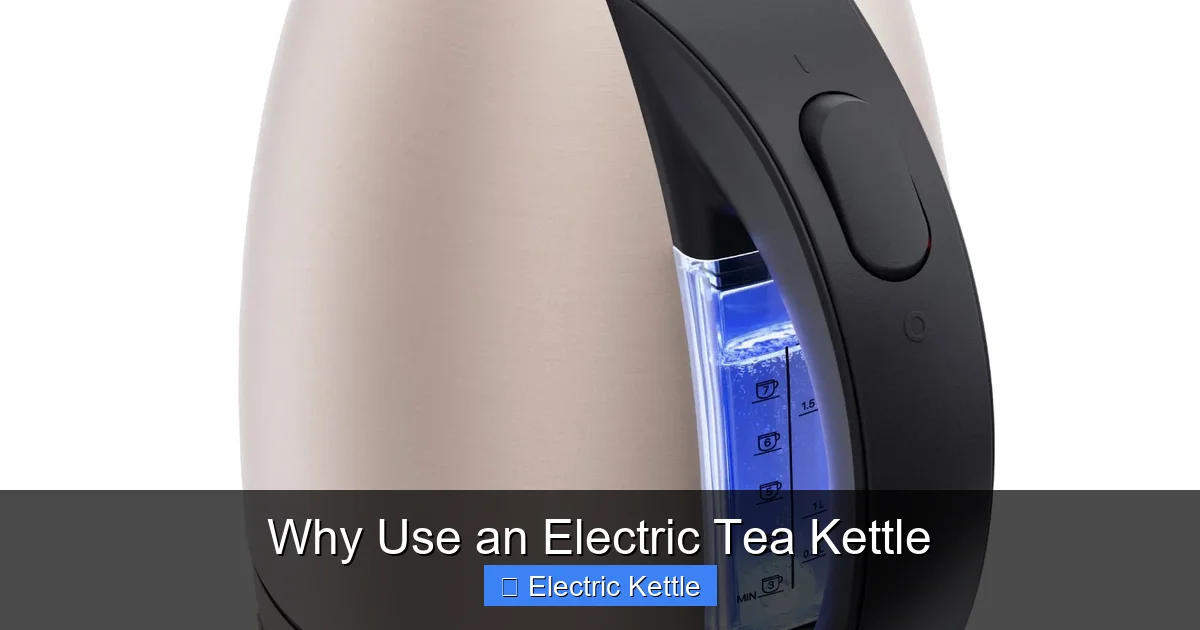
Visual guide about Why Use an Electric Tea Kettle
Image source: m.media-amazon.com
One of the most compelling reasons to use an electric tea kettle is speed. If you’ve ever waited impatiently for water to boil on the stove, you know how frustrating it can be. Electric kettles eliminate that wait. Most models can boil a full liter of water in just 3 to 5 minutes—sometimes even faster. That’s nearly twice as fast as a standard stovetop kettle.
Why the difference? Electric kettles are designed with powerful heating elements—typically between 1200 and 1800 watts—that transfer heat directly to the water. Unlike stovetop kettles, which lose heat to the surrounding air and rely on conduction from the burner, electric kettles contain the heat efficiently. This direct heating method means less energy waste and faster results.
Let’s put it into perspective. Say you’re making tea at 7 a.m. With a stovetop kettle, you might spend 8 minutes waiting for the water to boil, plus another 2 minutes to steep. With an electric kettle, you’re done in under 5 minutes total. That’s 5 minutes back in your morning routine—time you can use to shower, check emails, or simply enjoy a few quiet moments before the day begins.
And it’s not just about mornings. Imagine coming home after a long day, craving a cup of chamomile tea to unwind. Instead of waiting for the stove, you simply fill the kettle, press a button, and within minutes, you’re sipping your favorite brew. The speed of an electric kettle makes it ideal for quick snacks, instant meals, and last-minute beverage needs.
Energy Efficiency: Save Power and Money
Beyond speed, electric kettles are also more energy-efficient than stovetop methods. Because they heat water directly and quickly, they use less electricity overall. Studies have shown that electric kettles can be up to 30% more efficient than boiling water on a gas or electric stove.
Here’s how it works: Stovetop kettles lose heat to the air and the stove surface, especially if the burner is larger than the kettle base. Electric kettles, on the other hand, are sealed systems. The heating element is submerged or embedded in the base, so nearly all the energy goes into heating the water—not the surrounding environment.
This efficiency translates to real savings. If you boil water multiple times a day—for tea, coffee, pasta, or baby food—those small energy savings add up over time. Plus, using less energy means a smaller carbon footprint, making electric kettles a greener choice for eco-conscious households.
Some advanced models even feature “keep warm” functions that maintain water at a set temperature for up to an hour. This means you don’t have to reboil water if you’re making multiple cups, further reducing energy use.
Precision Temperature Control: Brew the Perfect Cup Every Time
Not all teas are created equal—and neither are their ideal brewing temperatures. Green tea, for example, tastes best when brewed at around 160–180°F (70–80°C). Boil it too hot, and it becomes bitter. Black tea, on the other hand, needs near-boiling water—around 200–212°F (93–100°C)—to fully release its flavor.
This is where electric kettles with temperature control truly shine. Many modern models come with preset temperature settings for different types of tea, coffee, and even baby formula. With just a touch of a button, you can select the perfect heat level for your beverage.
For example, a high-end electric kettle might offer settings like:
– 160°F for delicate white or green teas
– 185°F for oolong
– 200°F for black tea or French press coffee
– 212°F for boiling water (ideal for instant noodles or sterilizing bottles)
This precision ensures that your tea tastes exactly as it should—smooth, aromatic, and free from bitterness. It also protects delicate tea leaves from scalding, which can ruin the flavor profile.
Even if you’re not a tea connoisseur, temperature control is useful for other tasks. When making baby formula, for instance, you need water that’s hot enough to dissolve the powder but not so hot that it burns your baby’s mouth. An electric kettle with a 104°F (40°C) setting makes this safe and easy.
Some kettles even have a “hold temperature” feature, which keeps the water at your chosen setting for up to 30 minutes. This is perfect if you’re hosting a tea party or making multiple cups throughout the morning.
Smart Features for the Modern User
Beyond basic temperature control, many electric kettles now include smart features that enhance convenience and safety. These might include:
– LED displays showing current water temperature
– Memory functions that remember your last setting
– Delayed start timers (so your water is ready when you wake up)
– App connectivity for remote control via smartphone
While these features aren’t essential, they add a layer of customization that makes the kettle feel like a true kitchen assistant. For tech-savvy users or those who love automation, these upgrades can be a game-changer.
Safety First: Built-In Protections for Peace of Mind
Safety is a major advantage of electric kettles—especially when compared to stovetop models. Traditional kettles can pose risks like overheating, accidental spills, or forgetting to turn off the burner. Electric kettles, by design, include multiple safety mechanisms to prevent these issues.
One of the most important features is auto shut-off. Once the water reaches the boiling point (or your selected temperature), the kettle automatically turns off. This prevents over-boiling, reduces the risk of burns, and saves energy. It also means you can walk away without worrying about the kettle boiling dry.
Speaking of which, many electric kettles also have boil-dry protection. If the kettle is turned on without water, the heating element will detect the lack of liquid and shut off immediately. This protects the kettle from damage and reduces fire hazards.
Another safety benefit is the cool-touch exterior. Unlike stovetop kettles, which can become extremely hot to the touch, most electric kettles have insulated bodies that stay cool even when the water inside is boiling. This is especially important in homes with children or elderly users.
Additionally, cordless designs reduce the risk of tripping or knocking over the kettle. You simply lift the kettle from its base to pour, then place it back to reboil. The base remains stationary and safe on the countertop.
Some models even include child lock features, preventing accidental activation. And because electric kettles don’t involve open flames or hot surfaces, they’re inherently safer for use in small spaces like dorm rooms, offices, or RVs.
Reducing Kitchen Hazards
Consider this scenario: You’re multitasking in the kitchen—chopping vegetables, answering a phone call, and keeping an eye on the kettle. With a stovetop kettle, it’s easy to get distracted and forget it’s on the burner. The water boils over, the stove gets messy, or worse—the kettle runs dry and starts to smoke.
An electric kettle eliminates these risks. The auto shut-off feature ensures it turns off the moment boiling is complete. Even if you’re distracted, the kettle won’t overheat or cause a mess. This makes it ideal for busy households, elderly users, or anyone who values safety and simplicity.
Convenience and Portability: Designed for Modern Lifestyles
Life moves fast, and your kitchen appliances should keep up. Electric kettles are designed with convenience in mind—making them perfect for today’s on-the-go lifestyles.
One of the biggest conveniences is portability. Most electric kettles are lightweight and cordless, meaning you can easily carry them from the kitchen to the living room, office, or even your bedroom. This is especially useful if you work from home and want to keep your tea station near your desk.
The cordless design also makes pouring easier and safer. You don’t have to worry about tripping over a cord or struggling to angle a heavy stovetop kettle. Simply lift, pour, and return the kettle to its base.
Many models also feature a 360-degree swivel base, allowing you to place the kettle in any direction. This is helpful if you have limited counter space or prefer to position the handle for left- or right-handed use.
Another convenience is the water level indicator. Clear markings on the side of the kettle let you see exactly how much water you’re adding—no more guessing or overfilling. Some kettles even have a “minimum fill” line to prevent damage from running the kettle with too little water.
Perfect for Small Spaces
Electric kettles are ideal for small living spaces like apartments, dorm rooms, or RVs. They take up minimal counter space and don’t require a stove or burner. In fact, many college students use electric kettles as their primary cooking tool—boiling water for instant noodles, oatmeal, or even hard-boiled eggs (with the right accessories).
They’re also great for offices. Instead of waiting in line at the communal coffee machine, you can keep a small electric kettle at your desk for instant tea or coffee. Just be sure to check your workplace policies first!
Versatility: More Than Just Tea
While the name suggests it’s just for tea, an electric kettle is one of the most versatile appliances in your kitchen. It can handle a wide range of tasks beyond brewing your favorite beverage.
Need a quick breakfast? Use your kettle to boil water for instant oatmeal, grits, or couscous. Want a warm compress? Boil water and soak a towel for soothing relief. Making baby formula? The precise temperature control ensures the water is safe and ready.
Here are just a few ways people use electric kettles:
– **Instant Coffee or French Press:** Heat water to the perfect temperature for brewing.
– **Pasta and Noodles:** Boil water quickly for ramen, pasta, or instant soups.
– **Sterilizing:** Use boiling water to sterilize baby bottles, utensils, or canning jars.
– **Hot Water for Cleaning:** Soak dishes, loosen stuck-on food, or clean appliances.
– **Making Broth or Stock:** Heat water for instant bouillon or homemade soups.
Some creative users even use their kettles to make poached eggs (by gently lowering eggs into near-boiling water) or to rehydrate dried foods like beans or mushrooms.
Travel-Friendly Options
If you travel frequently, consider a compact, dual-voltage electric kettle. These are designed to work with different electrical systems (110V and 220V), making them perfect for international trips. Some even fold down for easy packing.
Just remember: Always check the voltage requirements of your destination and use a plug adapter if needed. Never plug a 110V-only kettle into a 220V outlet without a converter—it could damage the appliance or cause a fire.
Easy Maintenance: Simple to Clean and Care For
One concern people have about electric kettles is maintenance. But in reality, they’re among the easiest appliances to clean and maintain.
Most electric kettles have a wide opening, making it simple to wipe the interior with a damp cloth. Many also come with a removable limescale filter that catches mineral deposits from hard water. This filter can be rinsed under running water and replaced as needed.
To descale your kettle (remove built-up mineral deposits), simply fill it with equal parts water and white vinegar, let it sit for 30 minutes, then boil and rinse thoroughly. Repeat if necessary. For regular maintenance, a quick wipe-down after each use keeps your kettle looking and tasting fresh.
Unlike stovetop kettles, electric models don’t have exposed heating elements that can trap food particles or grease. And because they’re typically made of stainless steel or BPA-free plastic, they resist staining and odors.
Longevity and Durability
A well-maintained electric kettle can last for years—often 5 to 10 years or more. High-quality models from reputable brands are built to withstand daily use. Look for features like stainless steel interiors (which resist corrosion) and sturdy handles that won’t loosen over time.
Investing in a good kettle pays off in the long run. Not only do you save time and energy, but you also reduce waste by avoiding disposable cups or single-use coffee pods.
Conclusion: The Smart Choice for Modern Living
So, why use an electric tea kettle? The answer is clear: it’s faster, safer, more efficient, and incredibly convenient. Whether you’re a tea enthusiast, a busy parent, a student, or just someone who values a well-organized kitchen, an electric kettle can make your daily routine smoother and more enjoyable.
From boiling water in under five minutes to offering precise temperature control, these appliances are designed with the modern user in mind. They save energy, reduce kitchen hazards, and open up a world of possibilities beyond just tea.
And with so many models available—from basic cordless kettles to smart, app-controlled versions—there’s an electric kettle for every need and budget. Whether you’re upgrading from a stovetop kettle or adding your first one to the kitchen, you’re making a choice that pays off in time, taste, and peace of mind.
So go ahead—press that button, hear the gentle hum, and enjoy your perfectly heated water. Your future self will thank you.
Frequently Asked Questions
Are electric kettles safe to use?
Yes, electric kettles are very safe when used properly. They come with built-in safety features like auto shut-off, boil-dry protection, and cool-touch exteriors. These features prevent overheating, reduce fire risks, and protect users from burns.
Can I use an electric kettle for coffee?
Absolutely! Many electric kettles have temperature settings ideal for coffee, especially French press or pour-over methods. Just select the right temperature—usually around 200°F—for the best flavor extraction.
Do electric kettles use a lot of electricity?
No, electric kettles are actually energy-efficient. They use less power than boiling water on a stove because they heat water directly and quickly. This can save both energy and money over time.
How do I clean my electric kettle?
Clean your kettle by wiping the interior with a damp cloth and rinsing the removable filter. To remove limescale, boil a mixture of water and white vinegar, then rinse thoroughly. Regular cleaning keeps your kettle fresh and functional.
Can I leave water in my electric kettle?
It’s best not to leave water sitting in the kettle for long periods, as it can promote bacteria growth or mineral buildup. Empty and rinse the kettle after each use, and refill it fresh when needed.
What’s the difference between a stovetop and electric kettle?
Electric kettles boil water faster, use less energy, and offer features like temperature control and auto shut-off. Stovetop kettles are simpler but slower and less efficient. Electric models are better for speed, safety, and precision.