

Cooked white rice is safe for cats and can be a helpful part of their diet, especially when they’re feeling under the weather. It’s easy to digest and provides quick energy from carbohydrates. Just make sure it’s plain—no butter, oil, or seasonings, and only offer it as an occasional treat or supplement to their regular food.
Key Takeaways
- Safety: Cooked white rice is non-toxic and safe for cats when prepared plain and served in moderation.
- Digestibility: The soft texture and simple starch make it gentle on sensitive stomachs, often used to ease diarrhea or vomiting.
- Nutritional Value: Rice provides carbohydrates for energy but lacks essential proteins and fats; it should not replace balanced meals.
- Preparation Matters: Never add salt, spices, butter, garlic, or onion—all harmful to cats—when cooking rice for them.
- Portion Control: Offer small portions (about 1–2 tablespoons) once or twice a day max, especially if your cat isn’t eating well.
- When to Avoid: Don’t feed rice to kittens under 4 months, diabetic cats, or those with grain allergies unless advised by a vet.
- Alternative Options: If rice isn’t tolerated, consider boiled chicken (boneless, skinless) or pumpkin as soothing alternatives.
📑 Table of Contents
- Can Cats Have Cooked White Rice?
- The Basics: Is White Rice Safe for Cats?
- Why Do Vets Recommend White Rice for Cats?
- Nutritional Profile of Cooked White Rice
- How to Prepare White Rice for Your Cat
- When Should You Avoid Giving White Rice?
- Alternatives to White Rice for Sensitive Stomachs
- Real-Life Examples: What Happens When You Feed Rice
- Debunking Myths About Grains and Cats
- Final Thoughts: Use With Caution, Not Fear
Can Cats Have Cooked White Rice?
If you’ve ever watched your cat turn up their nose at their favorite tuna casserole, you might wonder: Can cats actually eat cooked white rice? The short answer? Yes—most adult cats can enjoy a small amount of plain, cooked white rice without any issues. But before you start serving up bowls of leftover dinner, let’s dig into what this humble grain means for your feline friend.
White rice isn’t just a staple in human kitchens—it’s also a surprisingly common remedy for cats dealing with gastrointestinal distress. Whether your kitty has eaten something questionable at the park or is recovering from a minor tummy bug, plain white rice can act as a gentle filler that helps firm up stools and settle an upset stomach. Think of it like a bland diet for humans, but tailored for our whiskered companions.
In this article, we’ll explore everything you need to know about feeding cooked white rice to cats—from safety and nutrition to preparation tips and when it might not be the best choice. We’ll also look at how rice fits into a broader conversation about cat diets, carbohydrate needs, and the role of grains in feline health. So grab a cup of coffee (or tea—your choice!), and let’s get started!
The Basics: Is White Rice Safe for Cats?
What Makes White Rice Different?
First things first—let’s clear up a common misconception. While brown rice is technically a whole grain rich in fiber and nutrients, white rice is its refined counterpart. During processing, the bran and germ are removed, leaving mostly starchy endosperm. This makes white rice easier to digest and less likely to cause bloating or gas—both important factors when your cat’s belly is already upset.
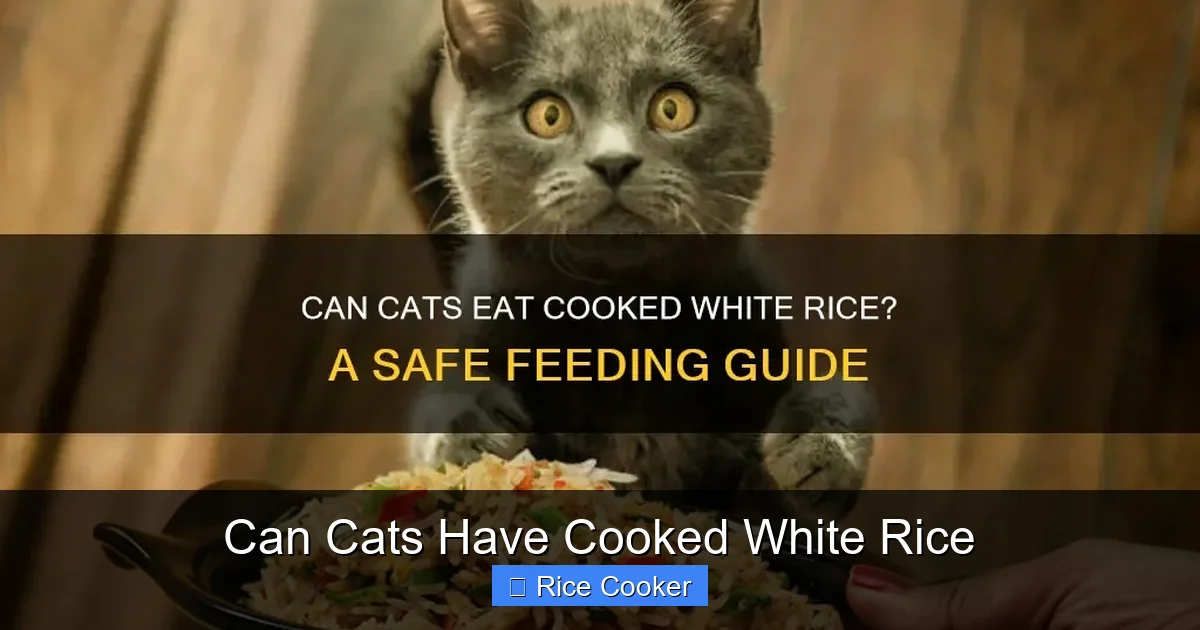
Visual guide about Can Cats Have Cooked White Rice
Image source: petshun.com
No Toxins, No Problem
Unlike some foods that are outright toxic to cats—like chocolate, onions, or avocado—white rice contains no known toxins. It’s made from milled rice seeds, which are perfectly safe when cooked properly. Just remember: plain is key. Adding butter, cheese, garlic powder, or even a sprinkle of salt turns a safe snack into something potentially harmful.
Short-Term vs. Long-Term Feeding
While white rice is safe in moderation, it’s not designed to be a long-term meal replacement. Cats are obligate carnivores—meaning their bodies evolved to thrive on animal protein and fat, not plant-based carbs. That said, a few spoonfuls of plain rice now and then won’t hurt your cat… unless they have specific dietary restrictions.
Why Do Vets Recommend White Rice for Cats?
Soothing an Upset Stomach
Veterinarians often suggest a “bland diet” for cats experiencing nausea, diarrhea, or vomiting. This usually includes boiled chicken and white rice because both are low-fiber, easy-to-digest foods. The rice acts almost like a sponge, absorbing excess liquid in the gut and helping solidify loose stools. Plus, it provides readily available glucose for energy when your cat isn’t feeling hungry.
A Temporary Solution
It’s crucial to understand that white rice is meant for short-term use—not everyday feeding. Think of it as a recovery tool, not a permanent addition to your cat’s plate. Once your cat returns to normal appetite and digestion, gradually reintroduce their regular high-protein diet.
Hydration Support
When cats aren’t eating or drinking enough, they can become dehydrated. Plain white rice holds moisture well and can encourage water intake, especially if mixed lightly with warm broth (make sure it’s cat-safe and unsalted).
Nutritional Profile of Cooked White Rice
Calories and Energy
A single tablespoon of cooked white rice contains roughly 15 calories—mostly from simple carbohydrates. For a typical indoor cat weighing 10 pounds, that’s less than 1% of daily caloric needs. However, for a sick cat trying to maintain weight during illness, every little bit counts.
Macronutrient Breakdown
| Nutrient | Per 1/4 Cup (Cooked) |
|---|---|
| Calories | 70 kcal |
| Protein | 1.5 g |
| Fat | 0.2 g |
| Carbohydrates | 15 g |
| Fiber | 0.3 g |
Note: Values rounded to nearest tenth.
Lack of Essential Nutrients
Here’s the catch: while rice gives your cat quick energy, it doesn’t offer much else. It’s low in taurine, vitamin A, and other nutrients vital for feline health. Over time, relying on rice alone could lead to nutritional deficiencies.
How to Prepare White Rice for Your Cat
Step-by-Step Guide
- Wash the rice: Rinse uncooked white rice under cold water until the water runs clear. This removes excess starch.
- Cook plain: Use a rice cooker, stovetop, or instant pot. Follow standard ratios (e.g., 1 cup rice + 1.5 cups water). Avoid adding oil, salt, or seasonings.
- Cool completely: Let it cool to room temperature—never serve hot!
- Serve small amounts: Start with 1–2 tablespoons per meal. Mix lightly with wet food if needed.
Common Mistakes to Avoid
- Adding garlic, onion, or herbs—even a pinch—can cause anemia or liver damage.
- Using seasoned rice leftovers from human meals.
- Feeding too much at once, which may worsen diarrhea instead of helping.
Rice Cooker Tips
If you own a rice cooker (and honestly, who doesn’t these days?), it’s one of the easiest ways to prepare perfect, fluffy white rice for your cat. Just set it and forget it—no stirring required. Some owners even keep a small batch in the fridge for emergency bland meals.
When Should You Avoid Giving White Rice?
Kittens Under Four Months
Young kittens have developing digestive systems and require high levels of protein and fat for growth. Their nutrient needs simply can’t be met by plain rice alone.
Diabetic or Obese Cats
Carbohydrates spike blood sugar. If your cat has diabetes or is overweight, avoid extra carbs unless directed by your vet.
Food Allergies or Sensitivities
Some cats react poorly to grains. Signs include itching, ear infections, or ongoing GI issues. If your cat seems uncomfortable after eating rice, stop immediately and consult your veterinarian.
Chronic Health Conditions
Cats with kidney disease, pancreatitis, or inflammatory bowel disease may need specialized diets. Rice isn’t appropriate for all conditions—always check with your vet first.
Alternatives to White Rice for Sensitive Stomachs
Boiled Chicken (Boneless & Skinless)
Lean, unseasoned chicken is another classic bland-food option. It provides protein without irritating the stomach.
Pumpkin Puree (Plain, Not Pie Filling)
One tablespoon of canned pumpkin (not pie filling!) can help firm up stools thanks to its high fiber content.
Probiotics or Enzymes
For recurring digestive issues, consider adding probiotics to your cat’s diet. These support healthy gut bacteria and may reduce the need for bland foods.
Prescription Veterinary Diets
For persistent problems, your vet may recommend therapeutic foods formulated for sensitive stomachs—often containing novel proteins or easily digestible fibers.
Real-Life Examples: What Happens When You Feed Rice
Case Study: Max, the Picky Eater
Max, a 7-year-old tabby, stopped eating after catching a hairball that triggered mild vomiting. His owner tried mixing a tiny bit of plain rice with his usual food. Within two days, Max was back to normal—no more diarrhea, no lethargy.
Case Study: Luna, the Elderly Cat
Luna, diagnosed with early-stage kidney disease, struggled to maintain weight. Her vet recommended small, frequent meals with added calories. A mix of boiled chicken and white rice helped her gain back lost weight without overloading her kidneys.
What NOT to Do: Sarah’s Mistake
Sarah fed her cat leftover fried rice from Chinese takeout—thinking it would be fine since rice is safe. Within hours, her cat developed severe vomiting. Fried rice contains garlic, salt, and grease—all dangerous for cats. Lesson learned: always cook from scratch!
Debunking Myths About Grains and Cats
Myth #1: “All Cats Are Allergic to Grains”
Not true! True grain allergies are rare in cats. Most sensitivities come from protein sources (like beef or dairy), not carbohydrates.
Myth #2: “Grain-Free Means Better for Cats”
Many grain-free diets actually substitute legumes or potatoes—which can cause taurine deficiency if overused. Balance matters more than eliminating entire food groups.
Myth #3: “Rice Will Make My Cat Fat”
Only if given excessively. One or two spoonfuls won’t pack on pounds—but replacing nutritious food with empty calories might.
Final Thoughts: Use With Caution, Not Fear
So, can cats have cooked white rice? Absolutely—but with clear boundaries. It’s a handy tool in your pet parent toolkit, especially during recovery from illness. Just remember: plain, small amounts, and only occasionally.
If your cat enjoys rice without any side effects, great! But never assume it’s a complete or ideal food. And if you’re ever unsure—whether it’s about rice or anything else—your veterinarian is always the best source of advice.
Now go ahead and keep that rice cooker ready. Just in case your furry friend needs a little comfort… and a little carbo-loading!
Frequently Asked Questions
Is cooked white rice good for cats with diarrhea?
Yes, plain white rice can help firm up stools during episodes of diarrhea. Its high starch content absorbs excess moisture in the intestines. Always serve it plain and in small quantities alongside plenty of fresh water.
Can I feed my cat leftover cooked rice?
Only if it’s plain—no sauces, oils, or seasonings. Leftovers from human meals often contain garlic, onion, or salt, which are toxic to cats. When in doubt, cook fresh rice specifically for your pet.
How much rice should I give my cat?
Start with 1–2 tablespoons per meal, especially if your cat isn’t eating well. Never exceed this amount regularly, as it offers minimal nutrition compared to balanced cat food.
Can kittens eat white rice?
Not as a primary food source. Kittens need high-protein, calorie-dense diets for proper growth. Plain rice lacks essential amino acids and should only be offered in emergencies under veterinary guidance.
Will white rice cause weight gain in cats?
Only if fed excessively. Since rice is mostly empty calories, overfeeding can contribute to obesity. Use it sparingly—especially for active or lean cats—and balance with protein-rich foods.
What’s the difference between white rice and brown rice for cats?
Brown rice has more fiber and nutrients but is harder to digest, which may worsen diarrhea. White rice is gentler on sensitive stomachs and faster to break down, making it safer during acute digestive issues.