
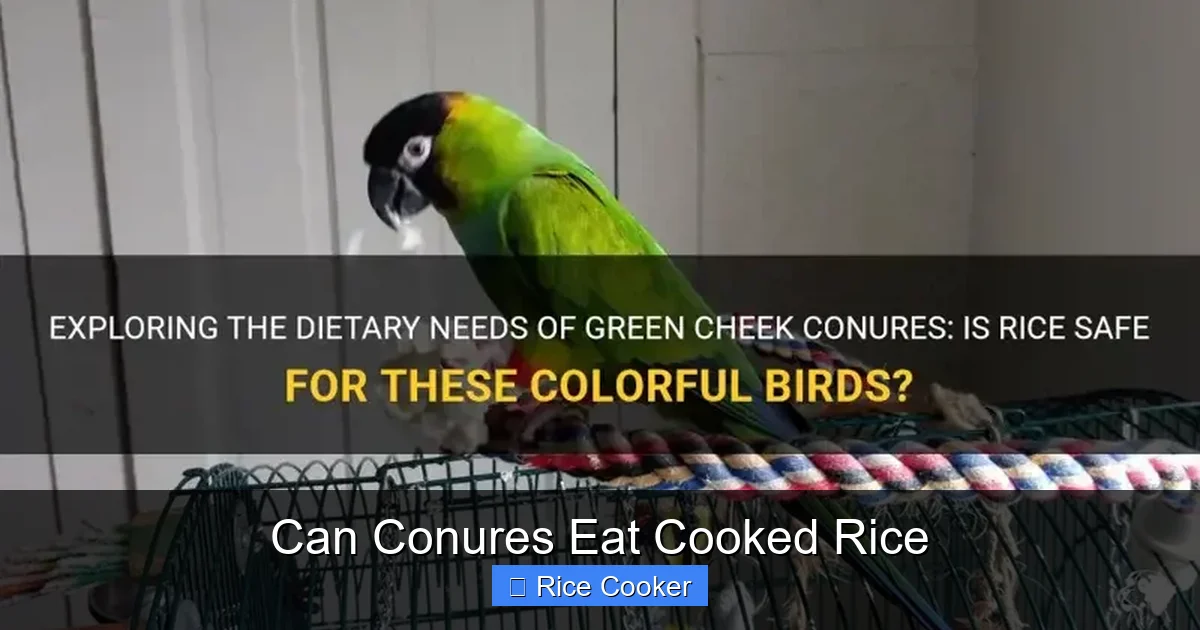
Can conures eat cooked rice? Absolutely—cooked rice is a safe and nutritious treat when offered properly. However, it should never replace their main seed-based diet and must be plain, unseasoned, and fully cooled. Too much rice can lead to digestive upset or weight gain due to its high carbohydrate content. Always introduce new foods gradually and monitor your conure’s reaction.
Key Takeaways
- Safety First: Plain, cooked white or brown rice is safe for conures when served plain—no salt, butter, or spices.
- Nutritional Value: Rice provides energy through carbohydrates and small amounts of fiber, especially whole grain versions.
- Moderation Is Key: Limit rice treats to once or twice a week to avoid digestive issues and maintain balanced nutrition.
- Cooking Matters: Boiled or steamed rice with no additives is ideal; avoid fried, seasoned, or instant rice products.
- Hydration Check: Ensure your conure drinks plenty of water after eating starchy foods like rice to aid digestion.
- Monitor Health: Watch for signs of discomfort such as diarrhea or lethargy if you suspect rice-related issues.
- Diet Variety: Use rice as an occasional supplement, not a staple—offer fruits, vegetables, pellets, and seeds daily instead.
📑 Table of Contents
- Can Conures Eat Cooked Rice? A Guide for Happy, Healthy Birds
- The Basics: What Makes Cooked Rice Safe (or Not)
- Nutritional Breakdown: What’s in That Bowl of Rice?
- How to Prepare and Serve Cooked Rice Safely
- Potential Risks and When to Skip the Rice
- Rice vs. Other Carb Sources: What Should You Choose?
- Creative Ways to Offer Rice Safely
- What About Raw or Uncooked Rice?
- Final Thoughts: Rice Can Be Part of the Plan—With Care
Can Conures Eat Cooked Rice? A Guide for Happy, Healthy Birds
If you’re a conure owner, you’ve probably found yourself wondering what human foods are safe to share with your colorful, curious companion. From apple slices to pasta, birds love exploring new tastes—but not all human snacks are created equal. One common question that pops up often is: Can conures eat cooked rice? The short answer? Yes—but with important caveats.
Cooked rice, whether white or brown, can be part of a conure’s diet when prepared correctly and given in moderation. But before you start tossing leftover stir-fry into their cage, let’s dive deep into everything you need to know about feeding rice to your conure. We’ll cover nutritional value, preparation tips, potential risks, and how to safely incorporate this staple into their meal plan.
Whether you’re cooking dinner tonight and have a few grains left over or you’re planning a special treat, understanding how to feed rice responsibly ensures your conure stays healthy and happy. Let’s get started!
The Basics: What Makes Cooked Rice Safe (or Not)
Visual guide about Can Conures Eat Cooked Rice
Image source: rodentinquirer.com
Not all rice is made the same, and not all ways of preparing it suit your conure’s delicate digestive system. The key factors that determine whether cooked rice is safe include:
– Type of rice: White and brown rice are both acceptable, though brown offers more nutrients.
– Cooking method: Boiling or steaming without added fats or seasonings is best.
– Portion size: A tiny bite or two as a snack is plenty—never make rice a regular meal.
– Freshness: Serve immediately after cooking; avoid reheating unless cooled first.
For example, imagine you’re making a stir-fry for dinner. You might be tempted to toss a small piece of chicken-rice combo into your conure’s food dish. But unless that rice was boiled plain earlier (and not mixed with soy sauce, garlic, or oil), it’s not safe. Even a pinch of salt can harm your bird.
So while raw rice isn’t digestible and could pose choking hazards, properly cooked plain rice breaks down into simple sugars and starches that conures can process—just like many wild parrots do naturally during seasonal changes when seeds become less available.
Why Do Birds Like Starchy Foods?
In nature, many parrot species—including those closely related to conures—occasionally consume grains from fallen fruit, seeds, or even small insects that contain carbohydrates. While conures aren’t typically classified as “grain-eaters” like cockatiels or budgies, their omnivorous tendencies mean they enjoy soft, easy-to-digest textures.
Rice fits this profile perfectly: it’s bland, soft when cooked, and doesn’t require much chewing. This makes it appealing during molting seasons or when your bird needs extra energy. Just remember—it’s still just a treat, not a dietary foundation.
Nutritional Breakdown: What’s in That Bowl of Rice?
Let’s look at the nutritional profile of cooked rice to understand why it can be a decent addition to your conure’s diet.
| Nutrient | Amount per 100g (cooked white) | Notes |
|—————–|——————————-|——-|
| Calories | ~130 | Good energy source |
| Protein | ~2.7g | Low but present |
| Carbohydrates | ~28g | Main energy fuel |
| Fiber | ~0.4g | Minimal, but helpful |
| Fat | ~0.3g | Negligible |
Brown rice offers slightly more fiber (~1.8g) and a few extra vitamins and minerals, including magnesium and B vitamins. However, neither type replaces the complex nutrition your conure gets from fresh fruits, vegetables, or high-quality pellets.
Still, rice can support digestion when introduced carefully. It acts almost like a gentle filler, helping birds feel satisfied between meals without overwhelming their system.
Energy Boost Without the Crash
Because rice is quickly broken down into glucose, it provides a steady stream of energy—ideal for active birds or those recovering from illness. Unlike sugary fruits (which cause spikes and drops in blood sugar), rice delivers slower-burning carbs. This means fewer mood swings and more consistent activity levels in your conure.
That said, always pair rice with protein-rich foods like legumes or nuts (in small amounts) to ensure balanced amino acid intake.
How to Prepare and Serve Cooked Rice Safely
Preparing rice for your conure isn’t complicated—but precision matters. Follow these steps to keep your bird safe:
1. Boil or steam plain rice: Use only water. No butter, oil, salt, herbs, or spices.
2. Cool completely: Serve at room temperature to avoid burns.
3. Cut into small pieces: Especially important for smaller conure species like the Green-cheeked or Nymphicus.
4. Offer fresh daily: Do not leave uneaten rice in the cage overnight—it can spoil or attract bacteria.
5. Rotate with other foods: Never serve rice as the sole component of a meal.
For instance, if you cook a batch of brown rice for lunch, set aside a teaspoon-sized portion after cooling. Place it in a clean dish next to their usual seeds or pellets. Observe how they react—do they peck at it eagerly? Swallow whole or chew thoroughly?
Also note: some conures may refuse plain rice initially. Try mixing a tiny bit with unsalted mashed sweet potato or cooked chickpeas to encourage interest.
Common Mistakes to Avoid
Many owners accidentally feed unsafe versions of rice due to oversight or convenience. Here’s what to watch out for:
– Seasoned rice dishes: Fried rice, jambalaya, or sushi rolls contain harmful ingredients.
– Instant rice packets: Often high in sodium and preservatives.
– Reheated leftovers: Can harbor mold or bacteria; better to prepare fresh each time.
– Too much at once: Overfeeding rice leads to bloating or fatty liver disease.
When in doubt, stick to basic boiled rice. Simplicity protects your bird’s health.
Potential Risks and When to Skip the Rice
While cooked rice is generally safe, there are situations where offering it could do more harm than good.
Digestive Sensitivity
Conures have sensitive guts. If yours tends toward loose droppings or has a history of crop stasis, avoid introducing any new carb-heavy foods, including rice. Their system may struggle to process even plain grains.
Signs of trouble include:
– Watery feces
– Loss of appetite
– Lethargy
– Fluffed-up feathers
If any of these occur within hours of feeding rice, stop immediately and consult an avian veterinarian.
Allergies and Intolerances
Though rare, individual birds can develop sensitivities to certain foods. If your conure consistently reacts poorly to rice (even in tiny amounts), discontinue use and explore alternatives like mashed bananas or oats.
Keep a journal noting what they eat and how they respond. This helps identify patterns and prevent future issues.
Pesticide Exposure in Wild-Grown Grains
Avoid giving your conure rice sourced from unknown origins—especially if it’s from a farm where pesticides were used. These chemicals can accumulate in the body and cause neurological problems over time.
Always opt for organic, non-GMO rice when possible. Your local health food store or online retailer usually carries safe options.
Rice vs. Other Carb Sources: What Should You Choose?
You might wonder why bother with rice when there are other carbohydrate-rich foods available. Here’s how rice compares:
– Oats: Higher in fiber and protein; also safe and nutritious.
– Sweet potatoes: Rich in vitamin A; excellent for immune support.
– Quinoa:Pasta: Only if plain and unseasoned; limited nutritional benefit.
Among these, rice stands out for its mild flavor and ease of digestion. But don’t rely on it exclusively—mix things up!
Think of rice as a “neutral” ingredient you can use to round out meals. For example, combine a pinch of rice with diced apples and a sprinkle of sunflower seeds for a balanced mini-meal.
Building a Balanced Diet Around Occasional Treats
A healthy conure diet consists of:
– 60–70% high-quality pellets
– 20–30% fresh fruits and vegetables
– 5–10% healthy treats (including small amounts of rice)
Treats like rice should never exceed 5% of total intake. Otherwise, your bird may lose interest in more nutritious fare or develop picky eating habits.
Remember: variety keeps both body and mind engaged. Rotate treats weekly to expose your conure to different textures and flavors.
Creative Ways to Offer Rice Safely
Want to make rice more exciting for your feathered friend? Try these fun ideas:
– Rice pudding (unsweetened): Mix cooked rice with a little almond milk (unsalted). Chill and serve as a cool treat.
– Rice balls: Combine rice with mashed pumpkin and a touch of honey-free peanut butter. Roll into small balls.
– Hidden snacks: Tuck a speck of rice inside a paper tube or cardboard roll for foraging fun.
– Mash with veggies: Blend rice with steamed carrots or zucchini for a nutrient-packed mash.
Just ensure no added sugars, oils, or artificial flavors make their way into the mix.
Feeding Tips Based on Age and Activity Level
Young conures under six months need more protein for growth. Limit rice to once weekly. Adults and seniors can handle slightly more frequent offerings—but still no more than twice weekly.
Active birds (those who fly, climb, and play constantly) may enjoy extra energy from rice, whereas sedentary birds risk weight gain if fed too often.
Always tailor portions to your bird’s lifestyle.
What About Raw or Uncooked Rice?
Never feed raw, uncooked, or partially cooked rice to your conure. It’s indigestible, can expand in the crop causing blockages, and may harbor bacteria like Salmonella.
Even if your bird tries to swallow a kernel whole, resist the urge to intervene. They’ll likely spit it out—but it’s safer to prevent exposure altogether.
Emergency Situations: What If My Bird Eats Something Bad?
Accidents happen. If your conure accidentally consumes seasoned rice, fried rice, or anything questionable:
1. Remove the offending food immediately.
2. Offer fresh water to help flush their system.
3. Monitor closely for distress.
4. Contact an avian vet if symptoms persist.
Preparation awareness prevents most emergencies—so double-check every food item before sharing.
Final Thoughts: Rice Can Be Part of the Plan—With Care
So, back to the original question: Can conures eat cooked rice? Yes—absolutely, as long as it’s plain, cooled, and given sparingly. It’s not a necessity, but when used wisely, it can be a harmless and enjoyable treat.
The bottom line? Keep it simple, keep it safe, and always prioritize your bird’s overall dietary balance. With a mix of pellets, produce, seeds, and the occasional rice bite, your conure will thrive physically and mentally.
And who knows? You might just spark a new favorite snack for your feathered family member—one plain grain at a time.
Frequently Asked Questions
Can conures eat brown rice?
Yes, brown rice is safe and slightly healthier than white rice due to its higher fiber and nutrient content. Just ensure it’s cooked plain without any seasonings or oils.
Is it okay to feed my conure leftover takeout rice?
No, takeout rice often contains salt, MSG, or sauces that can harm your bird. Stick to homemade, plain cooked rice only.
How much cooked rice can a conure eat?
Limit rice to a small amount—about the size of a pea—once or twice a week. Never make it a main course.
Can baby conures eat cooked rice?
Yes, but only after they’re weaned off purees and onto solid foods (usually around 8–12 weeks old). Always supervise and offer tiny pieces.
Will rice help my conure gain weight?
Rice provides calories, but it lacks essential proteins and vitamins. Use it cautiously and only if your bird is underweight and approved by a vet.
How should I store cooked rice for my conure?
Serve immediately after cooking. Leftovers can be refrigerated for up to 24 hours, but never reheat unless cooled first. Discard any uneaten portions daily.