
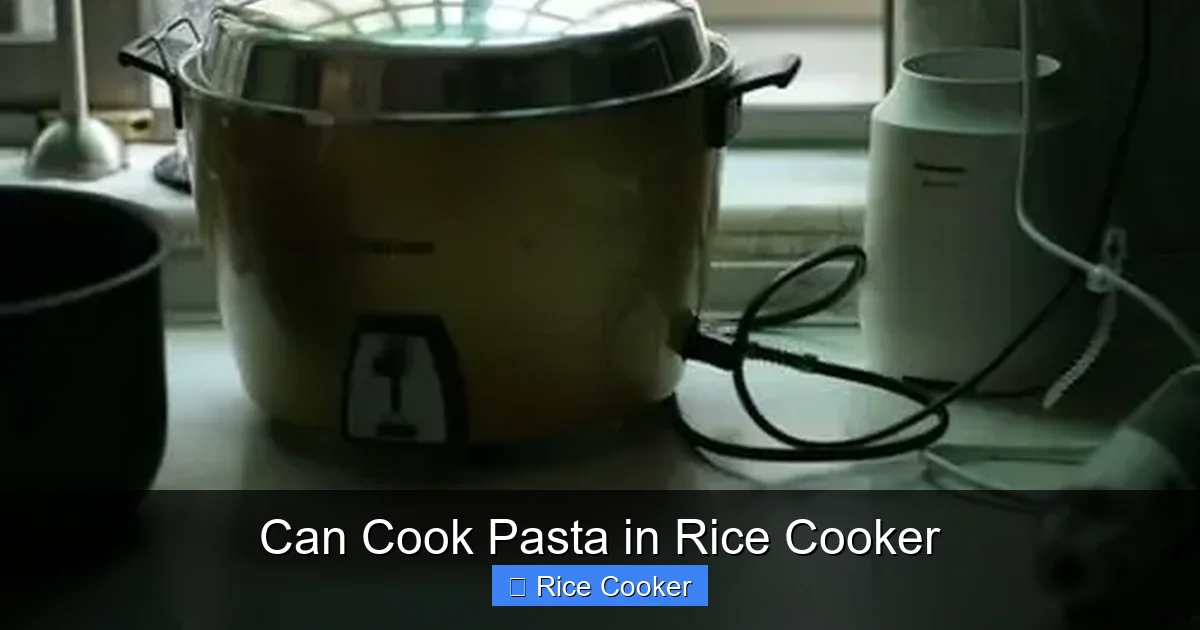
Yes, you can cook pasta in a rice cooker—and it’s easier than you think! Using the cook function, pasta cooks evenly without sticking or overcooking. With the right technique, you get perfectly al dente noodles with zero babysitting.
Have you ever been in the middle of making dinner when you realized your pasta pot is too small, or maybe you just don’t want to deal with another dirty pan? You’re not alone. Many home cooks love their rice cookers—not just for fluffy rice, but for a whole host of kitchen hacks. One of the most surprising and useful tricks? Cooking pasta in a rice cooker. Yes, you read that right: you can cook pasta in a rice cooker, and it’s not only possible—it’s actually pretty reliable when you know how.
In this complete guide, we’ll walk you through everything you need to know about cooking pasta in a rice cooker. From choosing the right type of pasta to mastering timing and cleanup, we’ve got you covered. Whether you’re a college student with a single-burner setup or a busy parent trying to simplify dinner prep, this method could become your new go-to. Let’s dive in.
Key Takeaways
- Pasta cooks in a rice cooker using the same principle as cooking rice: water absorption and steam. The cook function provides consistent heat to boil and absorb liquid.
- You need less water than traditional boiling: typically 1.5–2 cups of water per cup of dry pasta. Too much water leads to mushy results.
- Timing is everything: Most pastas take 8–12 minutes, but always check the package instructions and start testing 2 minutes early.
- No stirring required: Once the water boils and the lid closes, the rice cooker does the work, freeing you up for other tasks.
- Cleanup is simple: Use a non-stick rice cooker pot if possible, and rinse immediately after cooking to prevent starch buildup.
- It works for most pasta types: From spaghetti to penne, elbow macaroni, and even rice noodles, though shape affects cook time slightly.
📑 Table of Contents
- Why Cook Pasta in a Rice Cooker?
- What You’ll Need
- Step-by-Step Guide: How to Cook Pasta in a Rice Cooker
- Which Pasta Shapes Work Best?
- Tips for Perfect Pasta Every Time
- Can You Make Other Dishes in a Rice Cooker?
- Troubleshooting Common Issues
- Cleaning Your Rice Cooker After Cooking Pasta
- Final Thoughts: Is Cooking Pasta in a Rice Cooker Worth It?
Why Cook Pasta in a Rice Cooker?
So why would anyone choose a rice cooker over a large pot on the stove? The benefits are more than just convenience. First off, a rice cooker requires no constant attention. Unlike boiling pasta on the stove, where you have to stir occasionally to prevent sticking, the rice cooker just does its thing once the lid is closed. You can set it and forget it.
Second, it saves energy. Rice cookers use less power than keeping a pot of water at a rolling boil, especially if you’re using an electric model. And because the pasta sits submerged in water (not splashing around), there’s less risk of overcooking or creating a mess.
Another big advantage? Less cleanup. No more scrubbing a greasy pot or dealing with stuck-on noodles. Just rinse the inner pot, wipe the lid, and you’re done. Plus, if your rice cooker has a non-stick coating, you’re golden.
Finally, it’s great for batch cooking. Want to make a big batch of pasta salad or lasagna noodles ahead of time? The rice cooker makes that easy—just adjust the water ratio and cook time accordingly.
What You’ll Need
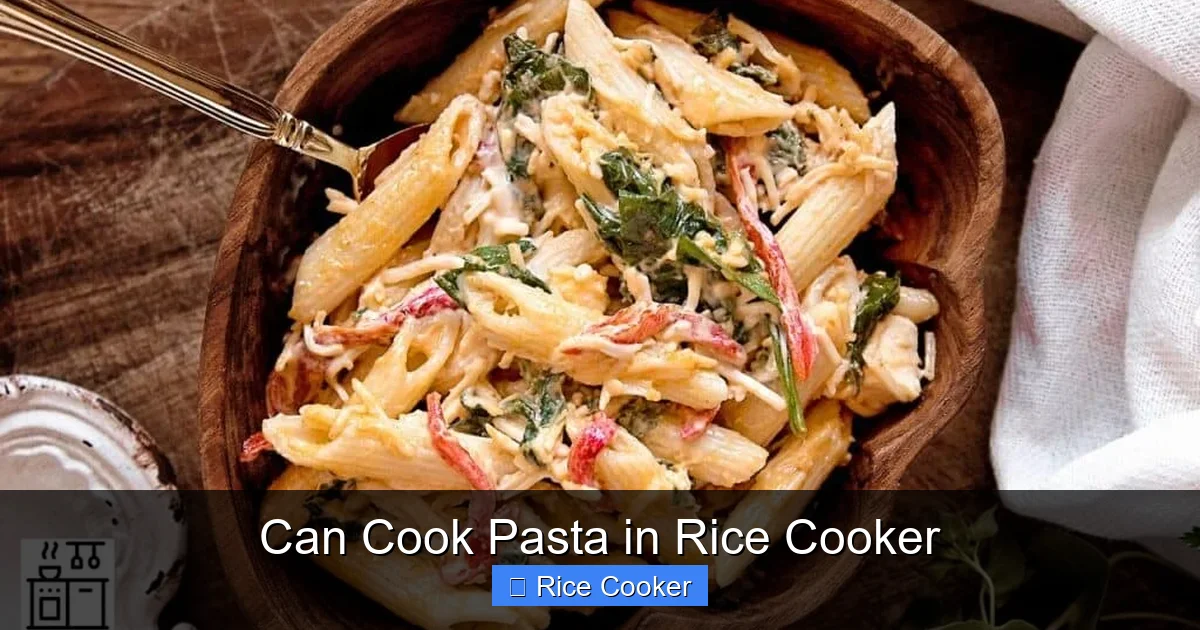
Visual guide about Can Cook Pasta in Rice Cooker
Image source: kitchencuddle.com
Before we jump into the how-to, let’s talk about what you need. Don’t worry—you probably already have most of these items lying around:
- A standard rice cooker with a removable inner pot (preferably non-stick)
- Dry pasta (any shape you like)
- Water (filtered or tap is fine)
- A timer or phone with a stopwatch
- A colander or strainer (optional, but helpful for rinsing)
- Salt (to taste)
If you’re using a basic rice cooker with just a “Cook” button and no delay timer, that’s totally fine. But if your model has a “Keep Warm” or “Delay Start” feature, you can pre-set it for hands-off cooking later in the day.
Now, let’s break down the process step by step.
Step-by-Step Guide: How to Cook Pasta in a Rice Cooker
1. Measure Your Water
The first rule of cooking pasta in a rice cooker is getting the water-to-pasta ratio right. Unlike traditional boiling, where excess water evaporates, the rice cooker traps steam and slowly absorbs moisture. So you need less water than usual.
A good starting point is:
- For spaghetti, fettuccine, linguine: 1.75 cups water per 1 cup dry pasta
- For penne, rotini, elbow macaroni: 1.5 cups water per 1 cup pasta
- For long noodles like angel hair: 2 cups water per 1 cup pasta
Too little water risks burning or uneven cooking. Too much leads to soggy, mushy noodles. Start with the lower end and add a splash more if needed.
2. Add Salt
Just like boiling pasta on the stove, you should salt your water. Aim for about 1 teaspoon per cup of water. This enhances flavor and helps the pasta cook more evenly. Pro tip: If your rice cooker doesn’t have a dedicated measuring cup, use a standard mug or measuring spoon.
3. Add the Dry Pasta
Break long strands like spaghetti in half so they fit better in the pot. Don’t overcrowd—give the noodles room to move. If you’re cooking more than 1.5 cups of dry pasta, consider doing two batches.
4. Close the Lid and Start Cooking
Once the water is added and the pasta is in, close the lid tightly. Press the “Cook” button. The rice cooker will bring the water to a boil, then automatically switch to a simmer mode. You’ll hear a gurgling sound—that’s normal.
5. Set a Timer
This is the trickiest part: timing. Most dry pastas take between 8 and 12 minutes. Check your package for exact times, then subtract 1–2 minutes. For example, if it says 10 minutes, start checking at the 8-minute mark.
Use a kitchen timer or your phone. You can open the lid to test doneness by tasting a strand. It should be firm but not hard—al dente. If it’s still crunchy, press “Cook” again for 1–2 more minutes.
6. Drain and Rinse (Optional)
Once done, carefully remove the inner pot using oven mitts or potholders. If you’re making a cold pasta salad or need gluten-free-safe noodles, rinse under cool water. For sauces, drain but save some pasta water—it helps thicken and bind.
Which Pasta Shapes Work Best?
Not all pasta shapes are created equal when it comes to rice cookers. Long, thin noodles tend to tangle, while short, stubby ones might stick together. Here’s a breakdown:
Great Options
- Spaghetti & Linguine: Break in half for easier handling. Cooks well with 1.75–2 cups water per cup.
- Penne & Rigatoni: These hollow tubes absorb sauce beautifully and cook evenly. Use 1.5 cups water per cup.
- Elbow Macaroni: A classic for rice cooker cooking. Sticks together less than long noodles.
- Rice Noodles: Especially fun for stir-fry or spring rolls. Use 2 cups water per cup.
Pastas to Approach Cautiously
- Angel Hair: Too fragile; may clump. Try halving and reducing cook time.
- Linguine: Similar to spaghetti but wider. Monitor closely.
- Farfalle (Bowties): Can trap water inside. Stir once halfway through if possible.
Specialty Pastas
Yes, even stuffed pasta like ravioli or tortellini can work—just reduce cook time and handle gently after draining. Avoid fresh egg noodles unless specified for rice cooker use, as they often fall apart.
Tips for Perfect Pasta Every Time
Even with the right steps, things can go wrong. Here are some pro tips to avoid common mistakes:
Don’t Overfill the Pot
Most rice cookers hold up to 1.5 cups of dry pasta max. Going beyond that increases the risk of overflow or uneven cooking. If you need more, split into two batches.
Preheat the Pot (Optional)
Some cooks swear by preheating the inner pot with hot water before adding cold water and pasta. This helps jumpstart the cooking process. Not necessary, but worth a try if you’re having issues.
Stirring Isn’t Required—But Sometimes Helpful
If you notice noodles sticking to the bottom, lift them gently with a fork or spoon halfway through cooking. Don’t stir aggressively—you’ll break the strands.
Save the Pasta Water
That starchy liquid is your secret weapon for creamy sauces. Keep a ladle full in a separate container for future use.
Use a Non-Stick Pot
If your rice cooker has one, it’s ideal. Stainless steel pots may require more water and are harder to clean afterward.
Experiment with Flavors
Add garlic, olive oil, or herbs to the water for infused noodles. Just remember to strain them out before adding sauce.
Can You Make Other Dishes in a Rice Cooker?
Absolutely! Once you master pasta, the possibilities expand. Think soups, stews, quinoa, oatmeal, even steamed dumplings. Some models even let you make yogurt or cake. But back to pasta—what about combining it with other ingredients?
One-Pot Pasta Dinners
Want to cook pasta with sauce in the same pot? Add your favorite marinara, pesto, or Alfredo directly to the drained noodles. Toss and serve immediately. No extra pots, no extra dishes.
Instant Ramen Upgrade
Skip the microwave. Put ramen noodles and seasoning in the pot, add hot water, cover, and cook for 3–4 minutes. Top with egg, spinach, or kimchi for a gourmet twist.
Pasta with Vegetables
Add chopped zucchini, mushrooms, or bell peppers along with the pasta. They’ll soften during the cook time. Just increase water slightly.
Baked Pasta Dishes
Layer cooked pasta with cheese and tomato sauce, bake in a casserole dish, then broil. Works best with short shapes like penne.
Troubleshooting Common Issues
Even with careful prep, mistakes happen. Here’s how to fix them:
Pasta Sticks to the Bottom
Cause: Too little water or low-quality pot.
Fix: Increase water slightly next time. Use a non-stick pot or stir halfway through.
Noodles Are Mushy
Cause: Overcooked or too much water.
Fix: Reduce cook time by 1–2 minutes and use less water.
Water Doesn’t Boil
Cause: Low power setting or old rice cooker.
Fix: Ensure the heating plate is clean and functional. Try preheating the water.
Overflow
Cause: Too much pasta or water.
Fix: Stick to recommended ratios. Never exceed 1.5 cups dry pasta.
Burnt Taste
Cause: Uneven heat or scorched bottom.
Fix: Add a splash of water halfway through. Avoid stainless steel pots.
Cleaning Your Rice Cooker After Cooking Pasta
One of the biggest perks of this method is cleanup. Here’s how to keep your rice cooker in top shape:
Immediate Rinse
As soon as the cook cycle ends, rinse the inner pot under warm water. Starch builds up quickly and can cause sticking.
Soak if Needed
For stubborn residue, fill the pot halfway with warm, soapy water and let it sit for 10–15 minutes. Then scrub with a soft sponge.
Avoid Harsh Scrubbers
Never use metal scouring pads on non-stick surfaces. They scratch and ruin the coating.
Wipe the Lid and Exterior
Use a damp cloth to clean the lid and outer body. Be careful around the steam vent.
Store Properly
Dry everything thoroughly before storing. Moisture promotes mold or rust.
Final Thoughts: Is Cooking Pasta in a Rice Cooker Worth It?
At the end of the day, cooking pasta in a rice cooker is a game-changer for anyone looking to simplify meal prep. It’s fast, energy-efficient, and produces consistently good results when you follow the basics. Whether you’re cooking solo or feeding a family, this method saves time, reduces stress, and minimizes cleanup.
Of course, there are limits. If you’re making delicate sauces or need precise texture control, a stovetop might still win. But for everyday meals, quick dinners, or when you’re out of space on the burner—this hack shines.
Next time you open your pantry and see a box of pasta staring back at you, don’t reach for the biggest pot. Grab your rice cooker instead. Trust us, your future self will thank you.
Frequently Asked Questions
Can you cook any type of pasta in a rice cooker?
Yes, most dried pasta shapes work, including spaghetti, penne, elbows, and rice noodles. Long, thin noodles may tangle, so break them in half. Avoid fresh or very delicate pastas unless specified for rice cooker use.
How much water do I need for pasta in a rice cooker?
Use 1.5 to 2 cups of water per 1 cup of dry pasta. Adjust based on noodle thickness—longer noodles need more water. Too little causes burning; too much makes pasta mushy.
Do I need to stir the pasta while it’s cooking?
No, stirring isn’t required. The rice cooker simmers the pasta evenly. However, if noodles stick to the bottom, lift them gently halfway through cooking.
How long does it take to cook pasta in a rice cooker?
Most dry pastas take 8–12 minutes. Always check the package instructions and start testing 1–2 minutes early. Al dente means slightly firm in the center.
Can I cook pasta with sauce in the rice cooker?
Yes! After draining the pasta, add your favorite sauce directly to the pot. Toss well and serve immediately. Save some pasta water to help bind the sauce.
Will my rice cooker break if I cook pasta in it?
No, rice cookers are designed for boiling water and absorbing steam—just like cooking rice. As long as you follow water ratios and don’t overcrowd, your appliance will stay safe and functional.