
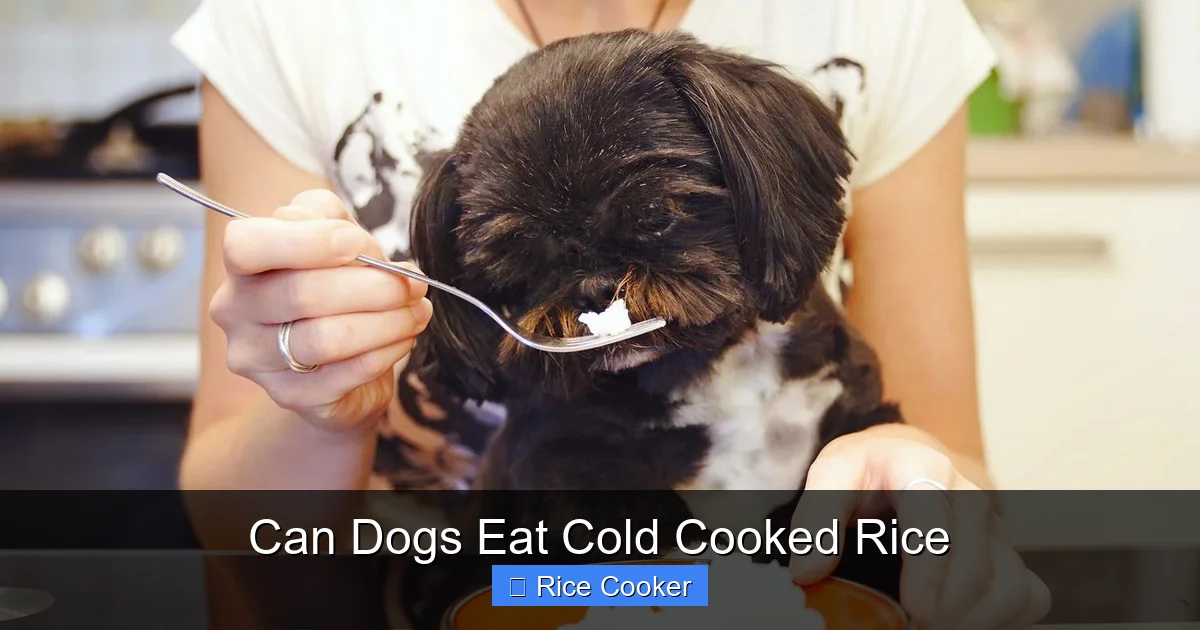
Dogs can eat cold cooked rice without any issues—it’s safe, nutritious, and even beneficial for sensitive tummies. Whether you’re using leftover rice from dinner or preparing a rice-based meal plan, this common kitchen staple offers easy digestibility, essential carbohydrates, and a soft texture that supports recovery after illness. Just avoid seasonings and excessive portions to keep things healthy and balanced.
Can Dogs Eat Cold Cooked Rice? Absolutely—and here’s why it might be one of the most underrated foods in your dog’s diet.
If you’ve ever had a dog with an upset stomach or watched your pup recover from diarrhea or vomiting, chances are you’ve heard the old vet recommendation: “Try giving them some plain white rice.” But what happens when that rice has been sitting out all night? Can dogs eat cold cooked rice? The short answer is yes—but let’s dig into the details so you feel confident every time you serve it.
Unlike many human foods that lose nutritional value over time or become unsafe due to bacterial growth (hello, raw meat!), cold cooked rice remains perfectly safe and beneficial for your furry friend—as long as it’s plain. In fact, many pet owners swear by cold rice as a go-to remedy for digestive discomfort. It’s gentle on the system, easy to chew, and delivers steady energy without overwhelming the stomach.
In this article, we’ll explore everything you need to know about feeding cold cooked rice to your dog: from its nutritional perks and safety considerations to storage tips and creative ways to serve it. Whether you’re dealing with a sick pup or just want to expand your dog’s meal options, this guide will help you make informed choices backed by science and real-world experience.
Key Takeaways
- Safety First: Cold cooked rice is completely safe for dogs when plain and unseasoned—no garlic, salt, or butter allowed.
- Digestive Benefits: Its soft texture and high starch content help soothe upset stomachs and support gut health during recovery.
- Nutritional Value: Rice provides energy, B vitamins, and fiber (especially brown rice), making it a healthy addition to a well-rounded diet.
- Portion Control Matters: While beneficial, rice should only make up a small part of your dog’s meals—typically under 10% of total caloric intake.
- Storage & Reheating Tips: Store cooled rice in an airtight container and reheat gently if feeding warm—never microwave with added fats or spices.
- Ideal for Picky Eaters: The mild flavor and soft consistency make cold rice a great fallback option for finicky or convalescing dogs.
📑 Table of Contents
- The Science Behind Rice and Dog Digestion
- Nutritional Benefits of Cold Cooked Rice for Dogs
- How Much Cold Cooked Rice Is Safe?
- Best Practices for Preparing and Serving Cold Cooked Rice
- Special Considerations: When Not to Feed Cold Cooked Rice
- Creative Ways to Serve Cold Cooked Rice to Your Dog
- Common Myths About Dogs and Rice
- Final Thoughts: Cold Cooked Rice—A Simple, Smart Choice
The Science Behind Rice and Dog Digestion
When your dog gets an upset stomach, the last thing they need is something heavy, fatty, or hard to digest. That’s where rice comes in—especially cooked rice. Once boiled until tender, rice becomes rich in starch, which turns into simple sugars during digestion. These sugars are absorbed quickly, giving your dog a quick energy boost while also helping bind loose stools.
Cold cooked rice takes this process a step further. After cooking, the starches continue to break down slightly as the rice cools, creating a more refined carbohydrate structure. This makes cold rice even easier on sensitive digestive systems than freshly cooked rice. Think of it like cooling down after exercise—your body adapts better when things slow down gradually.
White rice is often recommended because it’s low in fiber and fat, reducing the risk of further irritation. Brown rice, while richer in nutrients and fiber, can sometimes be harder to digest for dogs with acute stomach issues. However, once your dog is back to normal, incorporating small amounts of brown rice into their diet can offer added benefits like improved coat health and sustained energy.
But remember: plain is key. Never feed your dog cold cooked rice seasoned with salt, pepper, garlic, onion, or any other spice—even if it’s just “leftover from dinner.” These ingredients can cause serious harm, including gastrointestinal upset, anemia, or even organ failure in some cases.
Nutritional Benefits of Cold Cooked Rice for Dogs

Visual guide about Can Dogs Eat Cold Cooked Rice
Image source: candogseatinfo.com
You might be wondering: why go through the trouble of cooling rice if it’s already nutritious when hot? The truth is, both forms offer excellent benefits—but cold rice has unique advantages worth noting.
Energy Source Without the Crash
Rice is primarily composed of carbohydrates, which are the body’s preferred fuel source. For active dogs or those recovering from illness, cold cooked rice provides a steady release of glucose, preventing energy dips that can leave your pet lethargic or irritable.
Supports Gut Health
The gelatinous texture of cooled rice acts almost like a natural binder. When mixed with water or broth, it coats the intestinal lining, soothing inflammation and aiding recovery after episodes of diarrhea or vomiting. This effect is especially helpful for dogs with mild food sensitivities or inflammatory bowel disease (IBD).
Rich in B Vitamins
Both white and brown rice contain B vitamins such as niacin (B3) and thiamine (B1), which play critical roles in metabolism, nerve function, and skin health. These micronutrients are essential for maintaining your dog’s overall vitality and supporting cellular repair.
Low Allergenicity
Compared to proteins like chicken or beef, rice is considered hypoallergenic. This means fewer dogs develop allergic reactions to it—making it an ideal base food for elimination diets or when introducing new ingredients to a dog prone to food allergies.
Hydration Helper
When served with extra water or low-sodium bone broth, cold cooked rice helps increase fluid intake—a crucial factor in keeping your dog hydrated, especially after bouts of vomiting or diarrhea.
How Much Cold Cooked Rice Is Safe?
While cold cooked rice is generally safe, moderation is essential. Experts recommend that rice should never exceed 10–15% of your dog’s daily caloric intake. Overdoing it can lead to weight gain, nutrient imbalances, or reduced interest in more varied meals.
For example:
– A 30-pound dog eating 800 calories per day shouldn’t consume more than 80–120 calories from rice.
– One cup of cooked white rice contains roughly 200 calories, so half a cup would be appropriate for a small adjustment during recovery.
– Always consult your veterinarian before making major dietary changes, especially if your dog has chronic conditions like diabetes, pancreatitis, or obesity.
It’s also wise to rotate rice with other easily digestible proteins such as boiled turkey, cottage cheese, or scrambled eggs (plain, no oil or salt). This prevents boredom and ensures your dog gets a broad spectrum of nutrients.
Best Practices for Preparing and Serving Cold Cooked Rice
Even though cold cooked rice sounds simple, how you prepare and store it makes all the difference between a healthy snack and a potential problem.
Cooking Method Matters
Use a rice cooker or standard pot—just ensure the rice is fully cooked and fluffy, not mushy. Avoid pre-packaged instant rice unless labeled “plain” and confirmed safe for pets. Some varieties contain additives like monosodium glutamate (MSG) or artificial flavors that can upset your dog’s stomach.
Cooling Process
After cooking, spread the rice out on a baking sheet or shallow dish to cool quickly. This reduces the chance of bacterial growth and speeds up starch retrogradation—the process that makes cold rice firmer and easier to handle.
Storage Guidelines
Store cooled rice in an airtight container in the refrigerator for up to 5 days. For longer storage (up to 6 months), freeze portions in ice cube trays and transfer to freezer-safe bags. Thaw frozen cubes in the fridge before serving.
Reheating (Optional)
Some dogs prefer warm food, especially older pets with arthritis or sensitive joints. If you choose to reheat, do so gently—microwave for 20–30 seconds at 50% power, stirring halfway through. Avoid high heat, which can create hot spots or dry out the rice. Never reheat rice with added butter, oils, or seasonings.
Mixing with Other Foods
To make cold rice more appealing or nutritionally complete, consider blending it with:
– Plain canned pumpkin (unsweetened, no spices)
– Low-fat Greek yogurt (probiotics support digestion)
– Bone broth (adds flavor and electrolytes)
Always introduce new combinations gradually and monitor for adverse reactions.
Special Considerations: When Not to Feed Cold Cooked Rice
Despite its many benefits, there are situations where cold cooked rice may not be the best choice.
Diabetes or Weight Issues
Because rice is high in easily digestible carbs, it can cause rapid spikes in blood sugar. Dogs with diabetes or those carrying excess weight should limit rice intake and opt for lower-glycemic alternatives like sweet potato or quinoa.
Allergic Reactions
Though rare, some dogs may be sensitive to rice itself. Watch for signs like itchy skin, ear infections, or digestive upset after consumption. If symptoms occur, discontinue use and consult your vet.
Puppies and Senior Dogs
Puppies have developing digestive systems and may struggle with dense grains like rice. Senior dogs with dental issues might find cold rice too firm to chew comfortably. In these cases, mashed or blended versions work better.
Acute Illness Beyond Digestive Upset
If your dog shows persistent vomiting, lethargy, abdominal pain, or bloody stools, cold rice alone isn’t enough—seek veterinary care immediately. Rice can mask underlying conditions that require medical treatment.
Creative Ways to Serve Cold Cooked Rice to Your Dog
Don’t let mealtime become boring! Cold cooked rice is versatile and can be transformed into fun, nutritious meals.
Rice Pudding for Dogs
Combine 1 cup cooked rice, 1 cup unsweetened almond milk (or water), and ½ teaspoon cinnamon. Chill overnight for a creamy treat. Skip the cinnamon if your dog is sensitive—it’s optional and mainly for flavor.
Freezer Treats
Mix cooled rice with pureed carrots, green beans, or apples, then pour into silicone molds. Freeze for 4 hours—these crunchy snacks are perfect for training rewards or hot days.
Toppings for Kibble
Stir a spoonful of cold rice into your dog’s regular kibble to add moisture, texture, and palatability—great for picky eaters or seniors who struggle with dry food.
Post-Workout Fuel
After vigorous play sessions, offer a small portion of cold rice to replenish glycogen stores and prevent muscle soreness.
Common Myths About Dogs and Rice
Let’s clear up some misconceptions that still circulate among pet owners.
Myth #1: “Only White Rice Works”
False. While white rice is gentler during acute illness, brown rice offers more fiber, antioxidants, and minerals. Once your dog is back to normal, alternating between both types provides variety and balance.
Myth #2: “Cold Rice Causes Constipation”
Not necessarily. Constipation usually stems from dehydration, lack of exercise, or inadequate fiber—not rice itself. Ensure your dog drinks plenty of water and consider adding pumpkin or psyllium husk if needed.
Myth #3: “Leftover Human Food Is Always Okay”
Nope. Even plain rice from takeout containers might contain hidden ingredients like garlic powder, soy sauce, or MSG. When in doubt, cook fresh.
Myth #4: “Rice Should Be Fed Only During Illness”
Actually, healthy dogs can enjoy rice as part of a balanced diet—just don’t rely on it exclusively. Think of it like oats for breakfast: good occasionally, but not every single day.
Final Thoughts: Cold Cooked Rice—A Simple, Smart Choice
So, can dogs eat cold cooked rice? Absolutely. It’s safe, nutritious, and surprisingly versatile. Whether you’re comforting a sick pup, adding moisture to senior dog meals, or simply looking for a budget-friendly protein-free option, cold cooked rice fits the bill.
Just remember: plain is best, portions matter, and always pair it with other wholesome foods. With proper preparation and mindful serving, this humble kitchen staple can become a trusted ally in your dog’s wellness toolkit.
And who knows? You might just discover your dog’s new favorite meal—one that’s as good for you as it is for them.
Frequently Asked Questions
Is cold cooked rice safe for dogs to eat every day?
No, daily consumption isn’t recommended. While safe, rice lacks essential amino acids and fats, so it should only make up a small portion of your dog’s diet—ideally under 10% of total calories.
Can I give my dog cold rice from takeout or restaurant leftovers?
Only if it’s plain and confirmed free of seasonings like salt, garlic, or onion powder. Many restaurant rices contain added fats or spices that are harmful to dogs.
Should I refrigerate rice immediately after cooking?
Yes. Cool rice quickly and store it in an airtight container within two hours to prevent bacterial growth. Don’t let it sit at room temperature for more than 1 hour.
What’s the difference between cold white rice and cold brown rice for dogs?
White rice is lower in fiber and easier to digest, making it ideal for upset stomachs. Brown rice offers more nutrients and sustained energy but may be harder to digest for sensitive dogs.
Can puppies eat cold cooked rice?
Yes, but in small amounts and mashed if necessary. Their digestive systems are still developing, so avoid large servings or frequent feeding.
How long does cold cooked rice last in the fridge?
Up to 5 days when stored properly in an airtight container. After that, the texture may degrade, and bacteria could multiply—discard if you notice off smells or mold.