
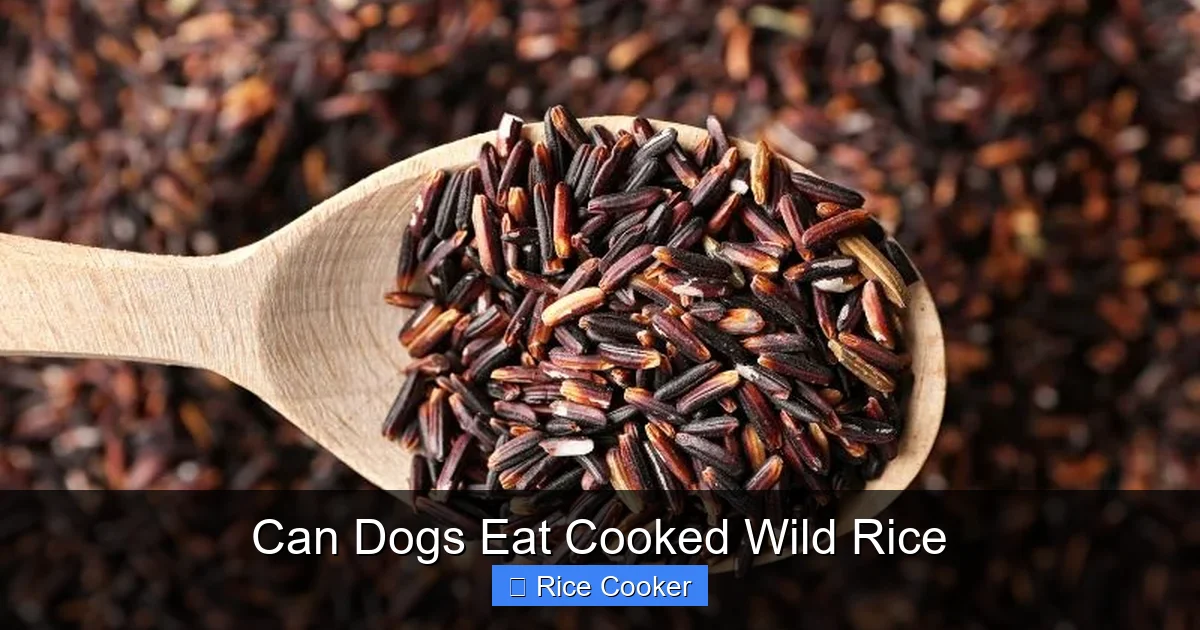
Cooked wild rice is generally safe and nutritious for dogs, offering fiber, protein, and essential nutrients. However, it should be served plain, without added seasonings or butter, and given in moderation as part of a balanced diet.
Key Takeaways
- Cooked wild rice is safe for dogs when prepared without harmful ingredients like salt, garlic, or onion.
- It provides valuable nutrients including fiber, antioxidants, B vitamins, and minerals that support digestive and immune health.
- Wild rice is lower in starch than brown rice, making it a better option for dogs with sensitive digestion or diabetes.
- Always cook wild rice thoroughly to avoid digestive upset and ensure easy digestion.
- Introduce wild rice gradually into your dog’s diet to monitor for any adverse reactions.
- Use wild rice as an occasional treat or supplement, not as a complete meal replacement.
- Consult your vet before adding new foods, especially if your dog has allergies or dietary restrictions.
📑 Table of Contents
- Can Dogs Eat Cooked Wild Rice?
- What Is Wild Rice and Why Is It Special?
- Is Cooked Wild Rice Safe for Dogs?
- Benefits of Feeding Cooked Wild Rice to Dogs
- How to Introduce Cooked Wild Rice to Your Dog
- Common Misconceptions About Wild Rice and Dogs
- Alternatives to Wild Rice for Dogs
- Final Thoughts: Should You Feed Your Dog Cooked Wild Rice?
- Tips for Using Wild Rice in Homemade Dog Food
- When to Avoid Wild Rice
- Conclusion
Can Dogs Eat Cooked Wild Rice?
Have you ever wondered whether the humble bowl of wild rice on your kitchen counter could benefit your furry friend? If you’re a dog owner looking for wholesome, natural food options, you’ve come to the right place. Let’s dive into everything you need to know about feeding your pup cooked wild rice—what makes it special, how to prepare it safely, and whether it’s truly a dog-friendly superfood.
Unlike regular brown rice, wild rice isn’t technically a grain at all—it’s actually the seed of aquatic grasses native to North America. Despite its name, it’s closer to a whole grain cousin of barley and quinoa. And while it may look small and unassuming, wild rice packs a punch when it comes to nutrition. Dogs, much like humans, can benefit from a diet rich in fiber, vitamins, and minerals. But before you start tossing a handful into your dog’s bowl, let’s explore whether cooked wild rice is safe, beneficial, and how best to serve it.
What Is Wild Rice and Why Is It Special?
Wild rice (Zizania palustris) grows in shallow lakes and rivers across the northern United States and Canada. It’s harvested by hand or with traditional tools, often in long canoes—giving it a rich cultural history among Indigenous communities. Today, it’s celebrated not only for its unique flavor but also for its impressive nutritional profile.

Visual guide about Can Dogs Eat Cooked Wild Rice
Image source: spoiledhounds.com
A Nutrient Powerhouse
One cup of cooked wild rice contains approximately:
- Calories: 166
- Protein: 6 grams
- Fiber: 3 grams
- Carbohydrates: 35 grams
- Iron, magnesium, phosphorus, and B vitamins
Compared to other grains, wild rice stands out because it’s naturally gluten-free and lower in starch. This means it digests more slowly, helping to stabilize blood sugar levels—something that’s especially helpful for dogs prone to hypoglycemia or those managing diabetes.
How Does It Compare to Brown Rice?
Many people assume wild rice and brown rice are interchangeable, but they’re quite different. Brown rice is a type of whole grain rice that retains its bran and germ, making it higher in fiber and nutrients than white rice. Wild rice, on the other hand, is a completely unrelated grass species with even lower glycemic index and higher antioxidant content.
If your dog tolerates regular brown rice well, wild rice might be a gentle upgrade—especially if you’re looking for something easier on the stomach or more supportive of immune function.
Is Cooked Wild Rice Safe for Dogs?
The short answer: yes, cooked wild rice is safe for dogs. In fact, it’s considered a healthy addition to many canine diets when prepared correctly. However, there are some important guidelines to follow to ensure your dog gets the benefits without any risks.
Safe Preparation Methods
Before serving wild rice to your dog, make sure it’s cooked thoroughly. Raw or undercooked rice can be hard to digest and may cause gastrointestinal distress. Here’s a simple way to prepare it:
- Rinse 1 cup of dried wild rice under cold water.
- Combine with 3 cups of water in a pot and bring to a boil.
- Reduce heat, cover, and simmer for 45–60 minutes until tender.
- Drain excess water and let cool before serving.
You can use a rice cooker for convenience—just follow the manufacturer’s instructions and avoid using the “fuzzy logic” or specialty settings unless specified for whole grains.
What NOT to Add
While wild rice itself is safe, many human foods commonly paired with rice are dangerous for dogs. Avoid adding:
- Salt and seasonings: Excess sodium can lead to salt poisoning or worsen conditions like high blood pressure.
- Butter or oil: These add unnecessary fat, which can contribute to obesity or pancreatitis.
- Onions, garlic, or chives: Allium vegetables are toxic to dogs and can damage red blood cells.
- Herbs like rosemary or thyme: While small amounts are usually fine, some dogs are sensitive to strong herbs.
Stick to plain, cooled wild rice as a side dish or mix it into your dog’s regular kibble for variety.
Benefits of Feeding Cooked Wild Rice to Dogs
Dogs thrive on nutrient-dense foods that support energy, digestion, and overall wellness. Cooked wild rice offers several advantages that make it worth considering as part of your pet’s meals.
Supports Digestive Health
The fiber in wild rice helps regulate bowel movements and supports a healthy gut microbiome. For dogs with occasional constipation or loose stools, incorporating fiber-rich foods like wild rice can bring balance. Just remember to increase fiber intake gradually to avoid bloating or gas.
Boosts Immune Function
Wild rice contains selenium and zinc—two trace minerals critical for immune system function. Selenium, in particular, acts as an antioxidant, helping protect cells from oxidative stress caused by free radicals. A stronger immune system means fewer sick days for your dog.
Promotes Healthy Skin and Coat
The B vitamins in wild rice (especially niacin and thiamin) play a role in maintaining healthy skin and a shiny coat. Dogs with dry, flaky skin or dull fur may benefit from a diet enriched with these nutrients.
Low Glycemic Index
Because wild rice has a low glycemic index, it doesn’t cause rapid spikes in blood sugar. This makes it ideal for diabetic dogs or those needing stable energy throughout the day. Unlike sugary treats, wild rice provides sustained fuel without crashes.
Lighter on the Stomach
Some dogs struggle with heavier grains like corn or wheat due to sensitivity or food intolerances. Wild rice is naturally gluten-free and less likely to trigger allergic reactions. Its soft texture also makes it gentle on aging dogs with sensitive teeth or gums.
How to Introduce Cooked Wild Rice to Your Dog
Even though wild rice is safe, introducing any new food requires caution. Sudden changes in diet can upset your dog’s stomach, leading to vomiting or diarrhea.
Start Slowly
Begin by mixing a small amount of cooled, plain wild rice into your dog’s usual food. Start with ¼ cup per 20 pounds of body weight, once every few days. Monitor your dog’s reaction over 24–48 hours. If there’s no sign of discomfort, you can gradually increase the portion size.
Watch for Allergic Reactions
While rare, some dogs may develop sensitivities to wild rice. Signs of an adverse reaction include hives, itching, excessive licking, or digestive upset. If you notice any of these symptoms, stop feeding wild rice and consult your veterinarian.
Portion Control Matters
Wild rice should never replace a balanced commercial dog food entirely. At most, it should make up 10% of your dog’s total caloric intake. Overfeeding carbohydrates can lead to weight gain, especially in sedentary pets.
Best Times to Serve
You can offer wild rice as a midday snack, post-exercise recovery meal, or even as a base for homemade dog treats. Just ensure it’s served at room temperature—hot food can burn a dog’s mouth and esophagus.
Common Misconceptions About Wild Rice and Dogs
There’s a lot of misinformation floating around about what dogs can and cannot eat. Let’s clear up a few myths about wild rice.
Myth #1: All Rice Is Bad for Dogs
This couldn’t be further from the truth. Plain, cooked rice—including wild rice—is often recommended by vets for dogs recovering from illness or dealing with upset stomachs. It’s bland, easy to digest, and provides quick energy.
Myth #2: Wild Rice Is Just Like Brown Rice
While both are healthy grains, wild rice is botanically distinct and nutritionally superior in some ways. It contains more protein and fiber per calorie, and fewer starches, making it a smarter choice for active or diabetic dogs.
Myth #3: Dogs Need Grain-Free Diets
The grain-free trend has led many owners to eliminate all grains, but research shows this isn’t necessary for most dogs. In fact, some studies suggest grain-free diets may increase the risk of heart disease in pets. Cooked wild rice, being a whole grain, fits well within a balanced, science-backed diet.
Myth #4: Wild Rice Causes Bloating
Bloat (gastric dilatation-volvulus) is primarily linked to large breeds eating fast, without chewing, and consuming fatty foods. As long as your dog chews their wild rice slowly and isn’t rushed during meals, there’s no reason to fear bloating from this food.
Alternatives to Wild Rice for Dogs
If your dog doesn’t take to wild rice—or if you’d like to rotate their diet—there are several nutritious alternatives worth trying.
Quinoa
Often called a “superfood,” quinoa is a complete protein containing all nine essential amino acids. It’s gluten-free, high in fiber, and easy to digest. Cook it the same way as wild rice and mix into your dog’s meals.
Oats
Steel-cut or rolled oats are gentle on the stomach and rich in soluble fiber. They’re great for dogs with diarrhea or those needing extra energy. Avoid flavored instant oats—opt for plain, uncooked versions.
Sweet Potatoes
While not a grain, mashed sweet potato makes a delicious, carbohydrate-rich side dish. High in beta-carotene and vitamin A, it supports vision and immune health. Steam until soft and cool before serving.
Cottage Cheese (Plain)
A spoonful of low-fat cottage cheese adds protein and calcium. It’s particularly useful for older dogs needing joint support or picky eaters who need a flavor boost.
Final Thoughts: Should You Feed Your Dog Cooked Wild Rice?
After reviewing the evidence, it’s clear that cooked wild rice is a safe, nutritious, and versatile food for dogs. Whether you’re looking to support digestive health, boost immunity, or simply add variety to your pet’s meals, wild rice delivers. Its low glycemic index, high fiber, and rich mineral content make it stand out among other grains.
That said, moderation and proper preparation are key. Always cook wild rice thoroughly, avoid harmful additives, and introduce it gradually. And while wild rice is beneficial, it shouldn’t replace a balanced commercial diet—especially one formulated by a veterinary nutritionist.
If you’re unsure whether wild rice is right for your dog, talk to your vet. They can assess your pet’s individual needs based on age, breed, activity level, and health conditions. With the right approach, you can give your dog a tasty, wholesome treat that supports long-term wellness.
Tips for Using Wild Rice in Homemade Dog Food
Many pet owners are turning to homemade meals for greater control over ingredients. If you’re preparing DIY dog food, wild rice can be a fantastic component.
Sample Recipe: Simple Wild Rice & Chicken Bowl
Ingredients:
- 1 cup cooked wild rice
- 1 cup shredded chicken (cooked, no bones)
- ½ cup steamed carrots
- 1 tablespoon pumpkin puree (unsweetened)
- 1 teaspoon fish oil (for omega-3s)
Instructions:
- Cook wild rice according to package directions.
- Steam carrots until tender.
- Mix all ingredients in a bowl and serve at room temperature.
This meal provides lean protein, complex carbs, and essential fatty acids—perfect for active adult dogs.
Storage Tips
Store leftover cooked wild rice in an airtight container in the refrigerator for up to 5 days. You can also freeze portions in ice cube trays for easy thawing later. Use frozen cubes as training rewards or mix into wet food.
When to Avoid Wild Rice
While wild rice is generally safe, there are situations where it’s best to skip it.
Puppies Under 6 Months
Young puppies have delicate digestive systems. Their primary diet should consist of high-quality puppy kibble until they reach 6 months of age. Introducing new foods too early can disrupt their developing gut flora.
Dogs with Kidney Disease
Dogs with kidney issues often need low-protein, low-phosphorus diets. While wild rice is moderate in protein, it’s still best to consult your vet before adding it to a compromised pet’s meals.
Severe Food Sensitivities
If your dog has a known grain sensitivity or multiple food allergies, proceed with caution. Even gluten-free grains can sometimes trigger reactions in highly sensitive animals.
Dogs on Medication
Some medications interact with high-fiber foods. If your dog is taking drugs that affect digestion or nutrient absorption, ask your vet if wild rice is appropriate.
Conclusion
In summary, cooked wild rice is a healthy, safe, and enjoyable food for most dogs. Packed with fiber, protein, and vital nutrients, it supports digestion, immunity, and overall vitality. When prepared correctly and introduced gradually, it can become a valuable part of your dog’s diet—whether mixed into kibble, served as a treat, or used in homemade recipes.
Just remember: every dog is different. What works for one may not work for another. Always prioritize your pet’s individual needs, and don’t hesitate to seek professional advice. With a little care and attention, you can make informed choices that keep your four-legged friend happy, healthy, and wagging their tail!
Frequently Asked Questions
Is wild rice the same as brown rice?
No, wild rice is not a true grain—it’s an aquatic grass seed—while brown rice is a type of whole-grain rice. Wild rice is lower in starch and higher in fiber and protein than brown rice.
Can I feed my dog wild rice daily?
Yes, but in moderation. Wild rice should make up no more than 10% of your dog’s total caloric intake. Too much can lead to weight gain or digestive upset.
Do I need to rinse wild rice before cooking?
Yes, rinsing removes dirt and debris. It also helps prevent clumping and ensures even cooking.
Can puppies eat wild rice?
Not until they’re at least 6 months old. Until then, stick to puppy-formulated kibble designed for their developmental needs.
Is wild rice good for dogs with diabetes?
Yes! Wild rice has a low glycemic index, meaning it causes slow, steady rises in blood sugar—making it safer than high-starch grains for diabetic dogs.
How do I know if my dog is allergic to wild rice?
Signs include vomiting, diarrhea, excessive scratching, hives, or ear infections. Stop feeding wild rice immediately and consult your vet if symptoms appear.