
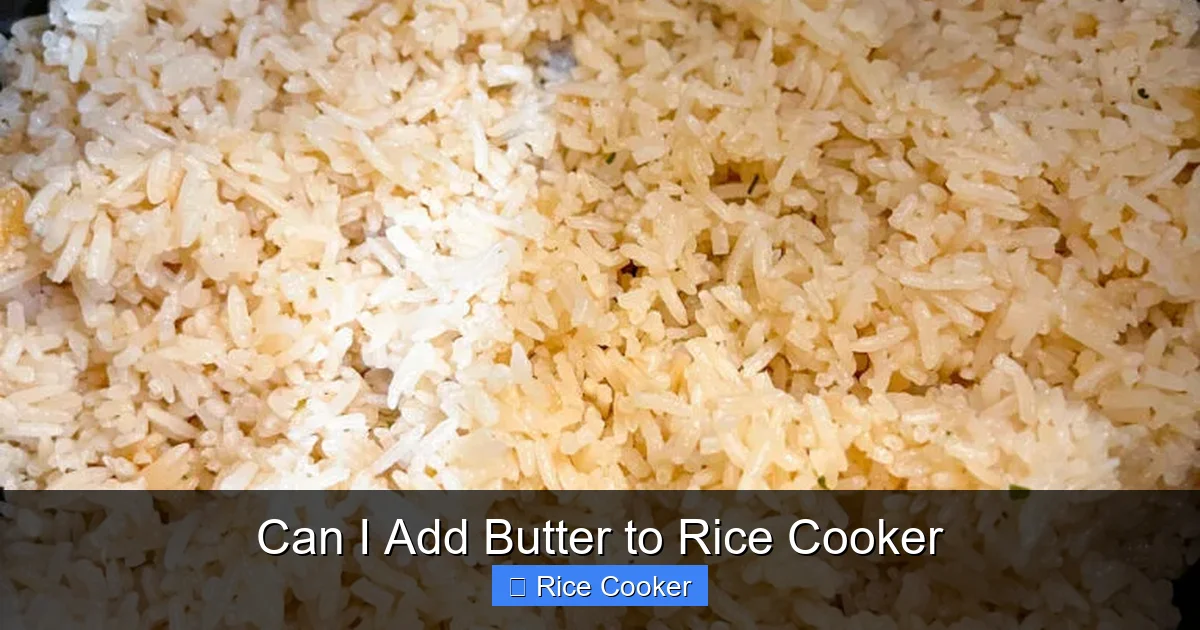
Can you put butter in a rice cooker? Absolutely—yes, you can! Adding butter to your rice cooker is not only safe but can elevate the taste, texture, and richness of your cooked grains. Whether you’re making plain white rice or experimenting with jasmine, basmati, or brown rice, a small amount of butter enhances creaminess and adds a subtle buttery aroma. With just a few extra seconds and the right technique, you can transform ordinary rice into something extraordinary—without overcomplicating your routine.
Key Takeaways
- Safety First: Adding butter to a rice cooker is completely safe as long as you follow basic cooking guidelines and avoid overheating.
- Enhanced Flavor: Butter adds a rich, creamy taste and aromatic depth that complements most rice varieties.
- Texture Improvement: The fat in butter helps create fluffier, more separated grains by preventing sticking during cooking.
- Simple Technique: You can add butter either at the start (with water) or after the rice is cooked—both methods work well.
- Health Consideration: While delicious, butter adds saturated fat, so use it in moderation for balanced meals.
- Versatile Use: This trick works with white, brown, jasmine, basmati, and even instant rice.
- No Special Equipment Needed: Your standard rice cooker handles butter perfectly—no upgrades required.
📑 Table of Contents
- Introduction: Why Butter Belongs in Your Rice Cooker
- Is It Safe to Add Butter to a Rice Cooker?
- How Does Butter Affect Rice Texture and Taste?
- Best Practices for Adding Butter to Rice
- Recipe Ideas Using Butter-Rich Rice
- Troubleshooting Common Issues
- Dietary Considerations and Modifications
- Conclusion: Elevate Everyday Meals with a Simple Swap
Introduction: Why Butter Belongs in Your Rice Cooker
Rice is one of the world’s most beloved staple foods—simple, versatile, and endlessly adaptable. From fluffy steamed basmati to sticky sushi rice, it forms the foundation of countless meals across cultures. But what if we told you there’s a simple, game-changing upgrade you can make with just one ingredient? Enter butter: that golden, creamy spread we all know and love. Yes, you read that right—you can add butter to your rice cooker, and doing so can transform your everyday rice into something truly special.
Many people shy away from adding fats like butter to rice cookers because they assume it might interfere with the cooking process or damage the appliance. But modern rice cookers are designed to handle a variety of ingredients, and butter fits right in when used correctly. In fact, incorporating butter can do wonders for both flavor and texture. It adds richness, prevents clumping, and gives your rice a luxurious mouthfeel that takes it from bland to brilliant.
In this comprehensive guide, we’ll walk you through everything you need to know about adding butter to your rice cooker. We’ll cover safety, techniques, recipe ideas, troubleshooting tips, and even how to adjust portion sizes based on dietary needs. By the end, you’ll be confident enough to ditch the boring plain rice and start creating restaurant-quality dishes at home—all powered by your trusty rice cooker and a little bit of butter.
Is It Safe to Add Butter to a Rice Cooker?
Before diving into recipes or techniques, let’s address the elephant in the room: Is it actually safe to add butter to a rice cooker? The short answer is yes—absolutely. Most rice cookers are built with durable inner pots made of stainless steel or nonstick aluminum alloy, both of which can easily withstand the presence of butter without melting, warping, or releasing harmful fumes.
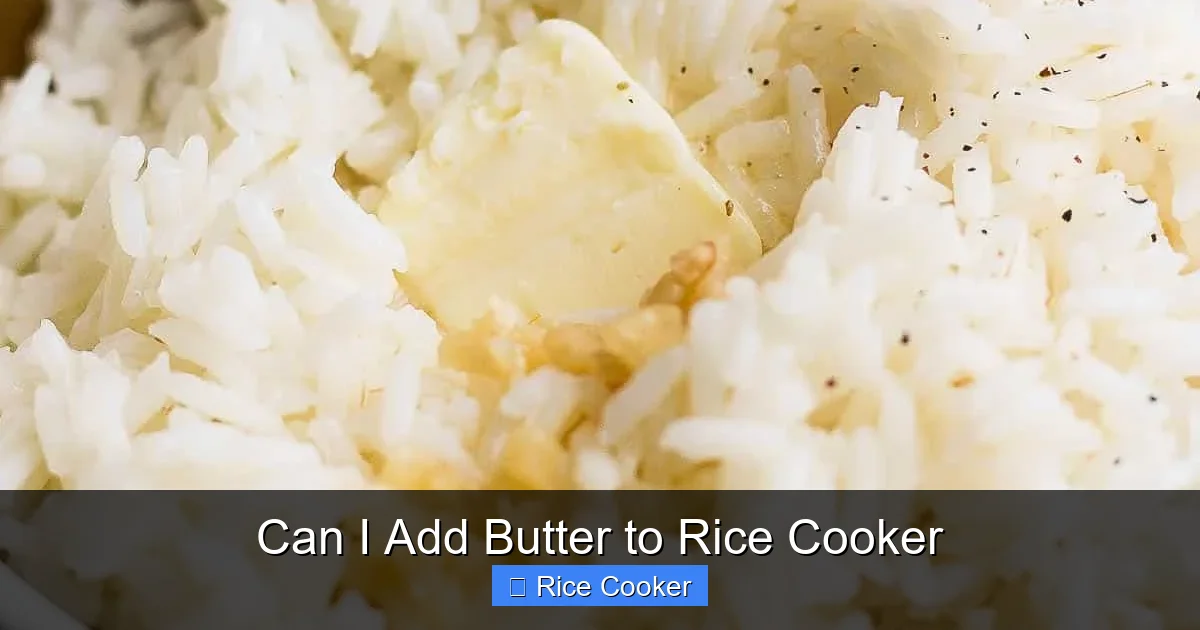
Visual guide about Can I Add Butter to Rice Cooker
Image source: thewoodenskillet.com
However, safety isn’t just about the cooker itself—it also depends on how you use it. For instance, never add butter directly to an empty heating element while the cooker is plugged in and hot. Always ensure the unit is off and the pot is cool before adding any solid ingredients unless you’re following a specific method that involves melting during the cycle.
Another common concern is smoke or burning. Butter contains milk solids, which can burn at high temperatures if left unattended. To prevent this, always use unsalted butter for better control over salt content and lower smoke points, or opt for clarified butter (ghee), which has a higher smoking point and burns less easily. If you’re new to cooking with butter, start with small amounts—just 1–2 teaspoons per cup of rice—to see how your cooker responds.
Also, keep in mind that some budget models may have weaker heating elements or inconsistent temperature regulation. In such cases, adding butter too early or in large quantities could lead to uneven melting or scorching. But even then, simply adjusting timing or using the “warm” function afterward usually resolves minor issues.
How Does Butter Affect Rice Texture and Taste?
Butter does more than just taste good—it fundamentally changes how rice behaves during and after cooking. Let’s break down its effects:
Improved Grain Separation
One of the biggest complaints about rice is that it sticks together in clumps. This happens because starches in the grain release moisture and glue themselves shut during boiling. Butter interrupts this process thanks to its fat content. As the water heats up, the butter melts and coats individual grains, creating a barrier that reduces starch-to-starch contact. The result? Fluffy, distinct grains instead of a mushy paste.
Rich, Creamy Mouthfeel
Plain rice can feel dry or chalky, especially if undercooked or overcooked. Butter introduces a velvety smoothness that makes every bite satisfying. Its fat molecules bind with water vapor released during steaming, helping retain moisture without making the rice soggy. Think of it like adding cream to soup—same principle, different dish!
Enhanced Aroma and Flavor Complexity
Beyond texture, butter brings a deep, nutty aroma that lingers throughout the meal. When heated gently, the milk proteins and sugars in butter caramelize slightly, producing subtle notes reminiscent of popcorn or baked bread. This aromatic boost elevates even the simplest rice dishes, making them feel more gourmet.
Balanced Acidity and Saltiness
If your rice tastes too salty or acidic (from tomatoes, vinegar, or citrus), a touch of butter mellows those flavors. The fat acts as a natural buffer, softening sharp edges and harmonizing ingredients. This is why many professional chefs swear by finishing dishes with a pat of butter—even if it wasn’t used earlier.
Best Practices for Adding Butter to Rice
Now that you’re convinced butter belongs in your rice cooker, here’s how to do it right. There are two main approaches: adding butter during the cooking cycle or melting it after the rice is done. Both have their merits, depending on your goals.
Method 1: Adding Butter Before Cooking
This method integrates butter fully into the rice while it steams. Here’s how:
- Measure your rice and rinse it until the water runs clear.
- Add rinsed rice and cold water to the inner pot (use the standard water-to-rice ratio for your type—usually 1:2 for white rice).
- Gently stir in 1–2 teaspoons of butter per cup of rice. Don’t worry if it doesn’t dissolve immediately—it will melt as the water heats up.
- Close the lid, select your cooker setting (white, brown, etc.), and start the cycle.
- Once finished, let the rice rest for 5 minutes before fluffing. The butter should be evenly distributed, giving each grain a glossy finish.
Pro Tip: For extra flavor, consider melting butter with garlic, shallots, or herbs before adding it to the pot. Just sauté briefly in a separate pan, then mix into the rice-water mixture.
Method 2: Melting Butter After Cooking
This approach keeps butter fresh and prevents burning. Ideal for beginners or those sensitive to smoke:
- Cook rice as usual without any butter.
- Once the cycle ends, open the lid and gently fold in softened or melted butter.
- Cover again and let sit for 2–3 minutes so the butter absorbs into the steam.
- Fluff with a fork and serve immediately.
This method preserves butter’s delicate flavor and avoids potential scorching. It’s also great if you want to customize butter types per serving—like using olive-infused butter for a Mediterranean twist.
Choosing the Right Type of Butter
Not all butters are created equal when it comes to rice cooking. Here’s a quick comparison:
- Unsalted Butter: Best for control over seasoning. Allows you to add salt separately if needed.
- Salted Butter: Convenient, but watch sodium levels—especially if you’re monitoring salt intake.
- Clarified Butter (Ghee): Highest smoke point; burns less and imparts a rich, nutty flavor. Great for Indian or Middle Eastern dishes.
- Vegan Butter: Works similarly but lacks dairy taste. Check labels for stability at high heat.
For most home cooks, unsalted butter strikes the perfect balance between flavor and flexibility.
Recipe Ideas Using Butter-Rich Rice
The beauty of adding butter to rice is its adaptability. Once you master the basics, the possibilities explode. Here are five delicious ways to enjoy buttery rice:
1. Classic Buttered White Rice
A timeless favorite that pairs beautifully with grilled chicken, roasted veggies, or stir-fries. Simply cook 1 cup white rice with 2 cups water + 1 tsp butter. Rest 5 minutes, then fluff and serve.
2. Garlic Herb Butter Rice
Melt 2 tbsp butter with minced garlic and chopped parsley in a pan. Mix into cooked rice along with lemon zest for brightness. Perfect with fish tacos or stuffed bell peppers.
3. Coconut Butter Rice (Asian Fusion)
Combine 1 cup jasmine rice, 1.5 cups coconut milk, 1 cup water, and 1 tbsp butter. Cook until tender. Top with lime juice, cilantro, and toasted cashews for a tropical vibe.
4. Cheese and Butter Rice Bake
Cook rice with butter, then transfer to a baking dish. Sprinkle with shredded cheddar, Parmesan, or Gruyère. Broil for 2–3 minutes until bubbly and golden. Ideal for casseroles or side dishes.
5. Brown Rice with Maple Butter Glaze
After cooking brown rice, toss with 1 tbsp maple syrup, 1 tsp butter, and a pinch of cinnamon. Sweet yet savory—great alongside roasted squash or turkey.
Each recipe builds on the core idea: butter as a flavor enhancer and textural aid. Experiment with spices, dried fruits, nuts, or vegetables mixed in for endless creativity.
Troubleshooting Common Issues
Even experienced cooks run into hiccups now and then. Here’s how to fix typical problems when using butter in your rice cooker:
Problem: Rice Sticks Together Despite Adding Butter
Cause: Too much water, insufficient stirring, or low-quality rice.
Solution: Rinse rice thoroughly before cooking. Use exact water ratios. Stir gently once after adding butter to distribute it evenly. Try switching to a shorter-grain variety like sushi rice, which naturally holds shape better.
Problem: Burnt or Smoky Taste
Cause: Overheating butter or poor ventilation.
Solution: Lower the heat setting if your cooker allows it. Never leave the unit unattended during the initial heating phase. Use clarified butter or add it later post-cooking.
Problem: Butter Doesn’t Melt Completely
Cause: Cold butter added to cold water.
Solution: Pre-melt butter slightly before mixing in. Or let the rice cook for 3–5 minutes uncovered to allow evaporation and better integration.
Problem: Off-Flavors or Rancid Taste
Cause: Old or low-quality butter.
Solution: Always use fresh butter stored properly (under 70°F). Discard if it smells sour or develops mold.
Most issues stem from impatience or incorrect ratios—not the cooker itself. With practice, these challenges become learning opportunities rather than setbacks.
Dietary Considerations and Modifications
While butter adds wonderful qualities to rice, it’s important to acknowledge its nutritional profile. Butter is high in saturated fat and calories, so it’s best enjoyed in moderation—especially for those managing heart health, cholesterol, or weight.
Here are smart swaps to keep your buttery rice healthy:
- Use Half-and-Half or Milk: Replace part of the butter with dairy alternatives for reduced fat. Adds creaminess without excess saturation.
- Avocado Oil or Olive Oil: Swap butter for plant-based oils. Neutral-tasting and heart-healthy. Note: Oils don’t provide the same mouthfeel as butter.
- Greek Yogurt or Sour Cream: For tangy richness with less fat. Excellent in grain bowls or Mexican-inspired dishes.
- Reduce Portion Size: Stick to ½ tsp per cup of rice instead of 1–2 tsp. Still yields noticeable improvement without guilt.
You can also pair buttery rice with fiber-rich sides like steamed broccoli, lentils, or quinoa to balance the meal nutritionally.
Conclusion: Elevate Everyday Meals with a Simple Swap
Adding butter to your rice cooker isn’t just a clever trick—it’s a gateway to better-tasting, more satisfying meals. Whether you’re feeding a family, meal-prepping for the week, or impressing guests, this small change delivers big results. From fluffier grains to deeper aromas, butter transforms rice from functional fuel into culinary delight.
Remember, the key is balance. A little butter goes a long way. Start with minimal amounts, experiment with flavors, and adjust based on your preferences and dietary needs. And don’t forget—your rice cooker is more capable than you think. It’s ready to handle butter, herbs, cheese, and so much more.
So next time you reach for plain rice, pause. Grab a stick of butter. Open your rice cooker. And turn ordinary grains into something extraordinary. Your taste buds—and your dinner guests—will thank you.
Frequently Asked Questions
Can I add butter to any type of rice in a rice cooker?
Yes, butter works well with white, brown, jasmine, basmati, and even instant rice. Just adjust water ratios slightly for whole grains like brown rice, which require more liquid.
Will adding butter make my rice greasy?
Only if you overdo it. One to two teaspoons per cup of rice is plenty for richness without excess oiliness. Always measure carefully and avoid pouring directly onto hot surfaces.
Do I need to rinse the rice before adding butter?
Absolutely. Rinsing removes excess starch that causes clumping. Skip this step, and even butter won’t save your rice from becoming gluey.
Can I substitute oil for butter in the rice cooker?
Yes, vegetable, canola, or olive oil work fine. They lack the creamy texture and mild sweetness of butter but still prevent sticking and add subtle flavor.
How long should I let rice rest after adding butter?
Five minutes is ideal—whether you added butter during or after cooking. This allows steam redistribution and ensures even absorption.
Is it okay to add butter to a nonstick rice cooker?
Definitely. Nonstick coatings are designed to handle fats safely. Just avoid metal utensils that could scratch the surface, and use gentle folding motions when fluffing.