

Can I cook basmati rice in a rice cooker? Absolutely! With the right water-to-rice ratio and proper rinsing, your rice cooker can produce perfectly fluffy, aromatic basmati rice every time. Unlike stovetop methods, rice cookers automate the process, ensuring consistent results with minimal effort.
Key Takeaways
- Understanding can i cook basmati rice in a rice cooker: Provides essential knowledge
Quick Answers to Common Questions
Can I use basmati rice straight from the package without rinsing?
No, always rinse basmati rice before cooking. Unrinsed rice releases excess starch during boiling, leading to clumpy, sticky grains instead of fluffy, separated ones.
Do I need to soak basmati rice before cooking in a rice cooker?
Soaking is optional but highly recommended. A 20–30 minute soak helps the grains cook evenly and results in a lighter, fluffier texture compared to unsoaked rice.
What’s the best water-to-rice ratio for basmati in a rice cooker?
The standard ratio is 1 cup basmati rice to 1.5 cups water. Adjust by ±¼ cup based on your specific rice brand, altitude, or desired consistency.
Can I add spices or herbs directly to the dry rice?
Avoid mixing seasonings into dry rice. Instead, dissolve salt, spices, or aromatics directly in the cooking water for even flavor distribution.
How long should I let basmati rice rest after the cooking cycle?
Rest the cooked rice covered for 5–10 minutes after the cycle ends. This allows steam to redistribute and firms up the grains for optimal fluffiness.
📑 Table of Contents
- Introduction: Why Basmati Rice Deserves Better Than the Stovetop
- The Science Behind Fluffy Basmati Rice
- Step-by-Step Guide: Cooking Perfect Basmati in a Rice Cooker
- Common Mistakes That Ruin Basmati Rice
- Tips for Elevated Results
- Comparing Rice Cooker Methods Across Brands
- Troubleshooting: What If My Rice Isn’t Right?
- Conclusion: Embrace the Convenience Without Sacrificing Quality
Introduction: Why Basmati Rice Deserves Better Than the Stovetop
If you’ve ever tried cooking basmati rice on the stove, you know how tricky it can be. Too much water leads to mushy, gluey grains; too little leaves them hard and undercooked. Even seasoned home cooks struggle to get that perfect, separate, aromatic bite that makes basmati so special. But what if there was a way to make this delicate rice consistently delicious without constant stirring or watching the pot? Enter the humble rice cooker—a kitchen appliance designed specifically for one purpose: making great rice.
Basmati rice, with its long, slender grains and distinctive nutty aroma, is a staple in South Asian cuisine and beloved worldwide. Traditionally cooked on the stovetop using precise timing and careful monitoring, basmati demands attention. However, modern rice cookers—especially those with fuzzy logic or induction heating—can replicate ideal cooking conditions automatically. Whether you’re preparing biryani, pilafs, or simple steamed dishes, mastering basmati in a rice cooker opens up a world of convenience without sacrificing quality.
The Science Behind Fluffy Basmati Rice
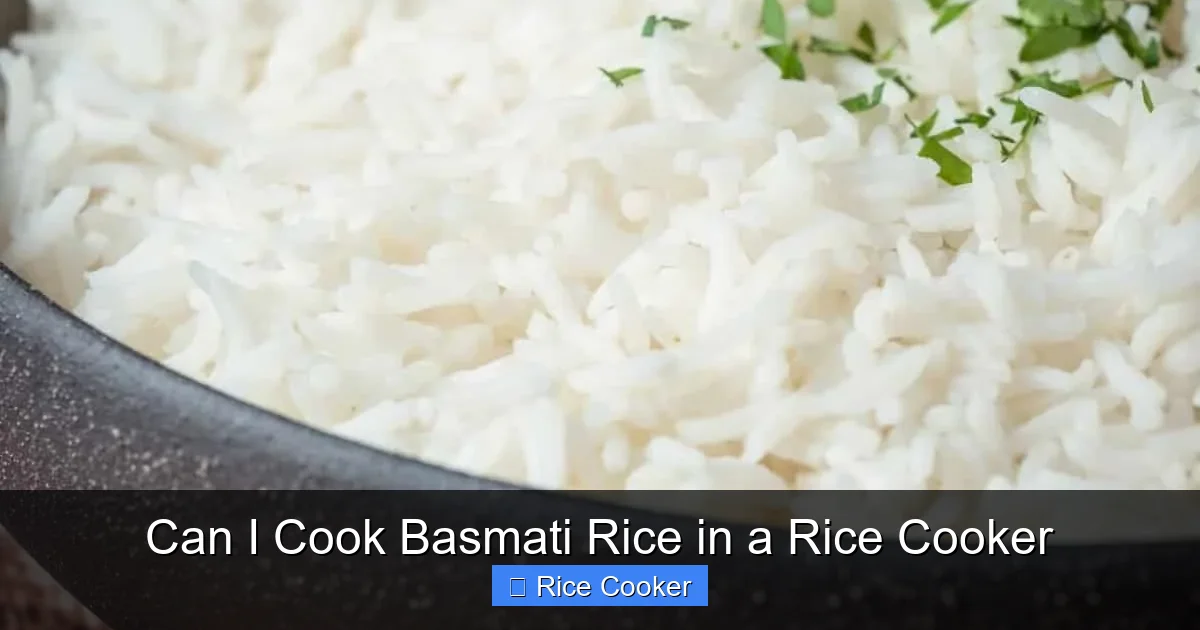
Understanding why basmati behaves differently than other rices starts with its unique structure. Basmati grains are naturally longer and have less amylopectin (the sticky starch) compared to short-grain varieties like sushi or jasmine rice. This means they don’t clump together as easily—when cooked properly—they remain distinct and light. However, they also absorb moisture slowly and evenly, which requires controlled heat and hydration.
Visual guide about Can I Cook Basmati Rice in a Rice Cooker
Image source: lovingitvegan.com
How Rice Cookers Work Their Magic
A rice cooker uses a thermostat and heating element to maintain precise temperatures throughout the cooking process. It typically goes through three stages: preheating (bringing water to boil), simmering (cooking the rice), and warming (keeping it hot post-cycle). High-end models adjust these phases based on sensor feedback, simulating expert human judgment. For basmati rice, this means gentle, steady heat that allows each grain to swell uniformly without breaking or becoming gummy.
Why Rinsing Matters More for Basmati
Unlike instant or quick-cook rices, basmati contains surface starch that must be washed away before cooking. When left uncleaned, this starch releases during boiling, causing grains to stick together. Rinsing under running water for 1–2 minutes removes this layer while preserving the rice’s natural flavor and fragrance. Think of it like kneading bread dough—removing unwanted elements allows the true character to shine.
Step-by-Step Guide: Cooking Perfect Basmati in a Rice Cooker
Ready to transform your next meal? Follow this foolproof method for restaurant-quality basmati rice using just your rice cooker.
Visual guide about Can I Cook Basmati Rice in a Rice Cooker
Image source: feelgoodfoodie.net
Gather Your Ingredients & Equipment
- 1 cup long-grain basmati rice
- 1.5 cups water (adjust ±¼ cup based on altitude or rice type)
- Salt (optional, to taste)
- Butter or neutral oil (optional, for richness)
- Fine-mesh strainer
- Measuring cups
- Your rice cooker with removable inner pot
Step 1: Rinse Thoroughly
Place the raw basmati rice in a fine-mesh strainer and run cool tap water over it for 1–2 minutes. Gently rub the grains between your fingers to help dislodge starch. Continue until the water flows clear—this usually takes about 30 seconds to 1 full minute. Do not skip this step!
Step 2: Measure Accurately
Use a dry measuring cup to scoop exactly 1 cup of rinsed basmati. Pour it into the inner pot of your rice cooker. Then measure out 1.5 cups of water using the same cup—no need to rinse the cup first since you’re using clean water.
Step 3: Optional Enhancements
For extra flavor, add ¼ teaspoon of kosher salt and 1 tablespoon of unsalted butter or vegetable oil directly into the water before closing the lid. Stir gently with a spoon to combine, but do not mix into the rice itself—this ensures even seasoning throughout the liquid phase.
Step 4: Start the Cycle
Close the lid securely and press the “Cook” button. Most rice cookers will automatically begin heating. You’ll hear a clicking sound when the temperature stabilizes, signaling the start of the cooking phase. Total time usually ranges from 18–22 minutes.
Step 5: Rest and Fluff
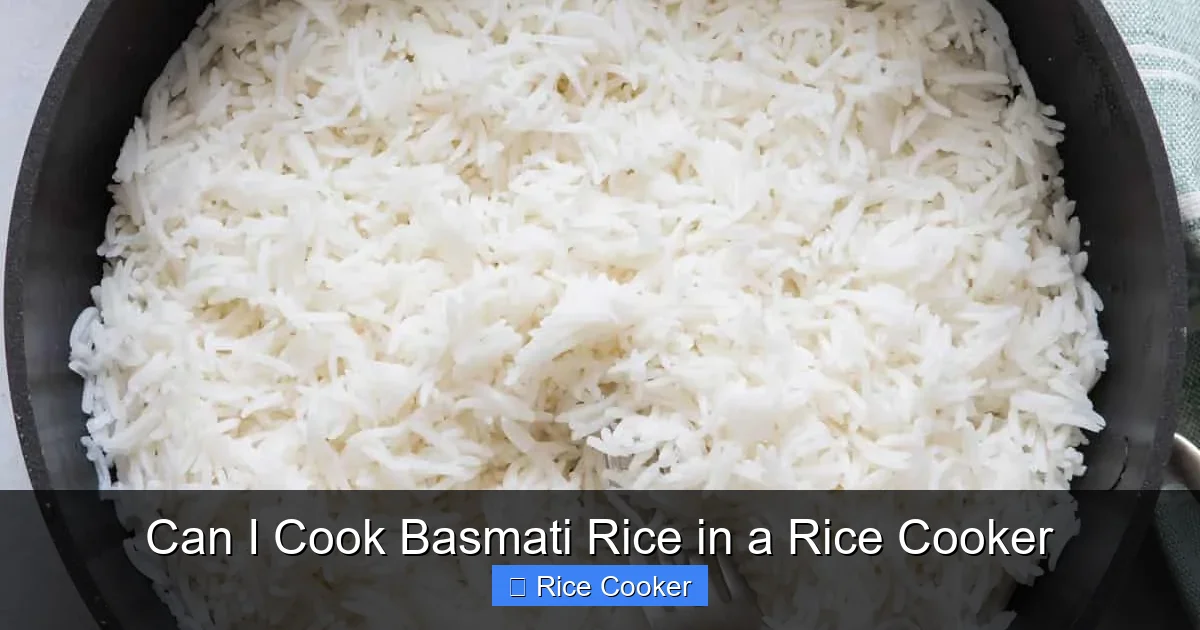
Once the cycle completes and the machine switches to “Warm,” keep the lid closed and let the rice sit for 5–10 minutes. This resting period allows residual steam to finish hydrating the grains evenly. Afterward, open the lid and gently fluff the rice with a fork—avoid pounding or pressing down to preserve separation.
Common Mistakes That Ruin Basmati Rice
Even experienced cooks occasionally end up with subpar basmati. Here are the most frequent errors and how to fix them.
Overcrowding the Pot
Using more than 1 cup of rice per batch can overload the heating element and lead to uneven cooking. If you need larger quantities, consider cooking in batches or investing in a multi-compartment rice cooker.
Skipping the Soak
While not mandatory, soaking basmati for 20–30 minutes before rinsing significantly improves texture. The grains absorb some water beforehand, resulting in more uniform expansion during cooking and fewer broken pieces.
Adding Salt to Dry Rice
Mixing salt directly into the dry rice creates pockets of concentrated sodium that don’t distribute evenly. Always dissolve seasonings in the water instead.
Opening the Lid Too Soon
Every time you lift the lid during cooking, heat escapes, disrupting the internal environment. Unless absolutely necessary, wait until the cycle finishes.
Not Cleaning the Inner Pot Promptly
Allowing cooked rice to dry in the pot overnight makes cleanup difficult. Rinse the non-stick surface immediately with warm water and a soft sponge.
Tips for Elevated Results
Want to take your basmati game to the next level? Try these pro-level techniques.
Use Filtered or Mineral-Rich Water
Water quality affects taste. If your tap water tastes off, filtered or bottled spring water can enhance the rice’s natural floral notes. In regions with hard water, consider adding a pinch of baking soda to neutralize minerals—but only if recommended by your local water authority.
Experiment with Broth Instead of Water
Substitute half the water with low-sodium chicken, vegetable, or beef broth for deeper flavor. Just be mindful that broths may contain added salt, so reduce or omit table salt accordingly.
Toast the Rice Lightly
For richer aroma, sauté rinsed basmati in a bit of ghee or oil over medium heat for 2–3 minutes before adding water. This caramelizes surface sugars, boosting fragrance—great for pilafs or festive dishes.
Store Leftovers Correctly
Cooked basmati keeps well for up to 3 days refrigerated in an airtight container. Reheat gently on the stove with a splash of water or microwave with a damp paper towel to retain moisture.
Comparing Rice Cooker Methods Across Brands
Not all rice cookers are created equal. Performance varies by model, so here’s what to expect from popular types.
Basic Rice Cookers (Under $30)
Simple on/off switches with limited temperature control. Best for occasional use. May require slight adjustments to water ratios (try 1:1.6 if grains seem too soft).
Fuzzy Logic Models ($50–$100)
Use sensors to detect rice type and adjust timing/temperature. Ideal for basmati—many come with preset programs specifically for long-grain varieties.
Induction Heating Systems ($150+)
The gold standard. Delivers rapid, consistent heat changes for superior texture. Often include features like pressure cooking or slow simmer modes useful for fusion recipes.
Multi-Functional Pots
Some models double as pressure cookers or steamers. Great for one-pot meals like biryani where rice cooks alongside spices and proteins.
Troubleshooting: What If My Rice Isn’t Right?
Even following instructions perfectly doesn’t guarantee success every time—factors like humidity, altitude, and rice age play roles. Here’s how to diagnose and fix common issues.
Mushy and Gluey Texture
This indicates excess starch and/or too much water. Next time, reduce water by ¼ cup and ensure thorough rinsing. Also check that your rice isn’t expired—old grains absorb more moisture.
Hard, Undercooked Grains
Likely due to insufficient water or premature switching to warm mode. Verify your ratio and confirm the cooker hasn’t cut the cycle short due to power fluctuations.
Lack of Aroma
Fresh, high-quality basmati should smell faintly nutty and floral. If yours is bland, try toasting lightly before cooking or using aged rice (which mellows over time).
Uneven Doneness
Occurs when the rice isn’t spread evenly in the pot. Spoon rinsed grains loosely into the cooker without packing them down.
Conclusion: Embrace the Convenience Without Sacrificing Quality
Cooking basmati rice in a rice cooker isn’t just possible—it’s arguably easier and more reliable than traditional methods. By understanding the basics of rinsing, measuring, and resting, you unlock a pathway to consistently fluffy, aromatic results. Whether you’re feeding a family dinner or impressing guests with homemade biryani, your rice cooker becomes a trusted ally in the kitchen. Plus, once mastered, the process takes mere minutes of active prep followed by zero supervision. So go ahead—rinse that rice, pour in the water, press start, and enjoy the confidence that comes with knowing every grain will turn out just right. Your future self (and your taste buds) will thank you.
Frequently Asked Questions
Is it better to cook basmati rice on the stove or in a rice cooker?
Both methods work, but a rice cooker offers greater consistency with less hands-on effort. It automates temperature control, reducing the risk of overcooking or burning.
Can I cook frozen basmati rice in a rice cooker?
It’s not recommended. Frozen rice often contains ice crystals and uneven moisture distribution, which can lead to inconsistent textures when cooked.
Why does my basmati rice taste bitter after cooking?
Bitterness usually stems from old or low-quality rice. Fresh, premium basmati should have a mild nutty aroma—discard any rice that smells off or stale.
Can I reuse cooking water for another dish?
Generally no—the starch-laden water loses flavor after cooking and isn’t suitable for drinking or repurposing in most recipes.
Does the brand of basmati rice affect cooking results?
Yes. Different brands vary in moisture content, grain length, and starch levels. Some may require slight adjustments to water ratios or soaking times.
How do I store leftover cooked basmati rice safely?
Refrigerate within two hours of cooking in an airtight container. Consume within 3 days and reheat thoroughly to avoid foodborne illness risks.