
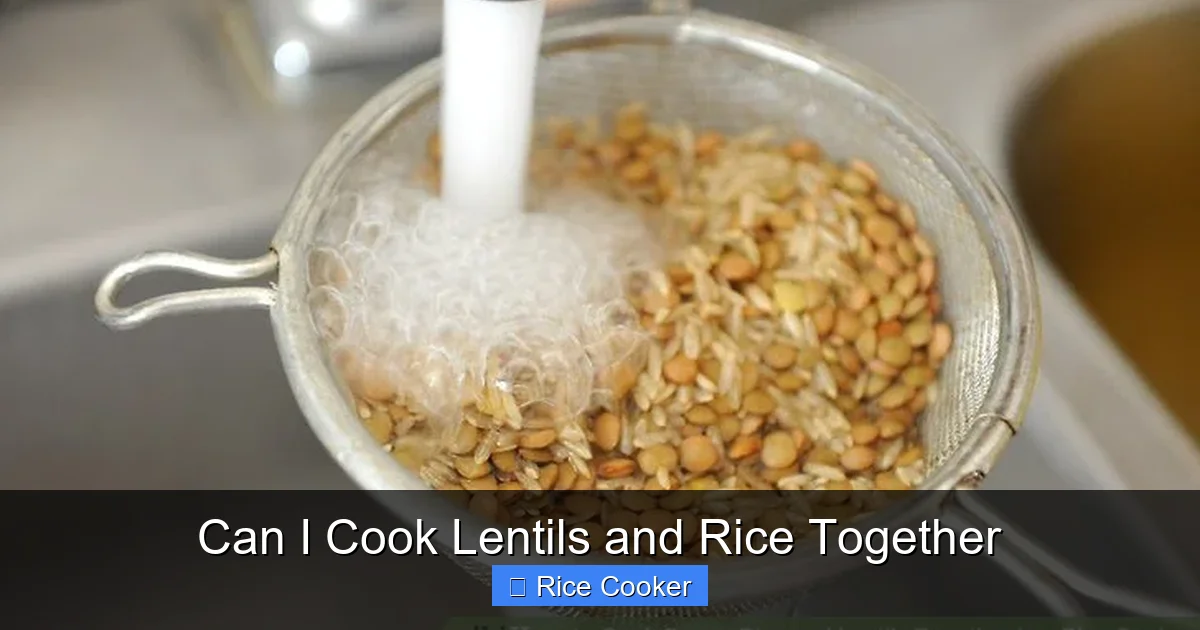
Can I cook lentils and rice together? Absolutely! Cooking them in the same pot is not only possible but results in a delicious, nutritious one-pot meal that’s both affordable and satisfying. Using your rice cooker, you can easily combine legumes and grains for a complete protein dish with minimal effort.
Have you ever stood in the kitchen wondering what to make for dinner, only to realize you have leftover rice and a bag of lentils? You’re not alone. Meal planning can be tough, especially when you want something nutritious, filling, and ready fast. But here’s a secret: you really can cook lentils and rice together. In fact, doing so might just become your new go-to for effortless, wholesome meals.
Cooking lentils and rice in the same pot—especially in a rice cooker—is more than just a convenience hack. It’s a culinary strategy that brings together two staples of plant-based diets worldwide. From Indian dal-rice combos to Middle Eastern koshari, cultures have long known the magic of combining legumes and grains. And now, thanks to modern kitchen appliances, you can recreate these flavors at home with zero fuss.
In this article, we’ll walk you through everything you need to know about cooking lentils and rice together. We’ll cover the science behind why they pair so well, step-by-step instructions for perfect results every time, pro tips for flavor and texture, troubleshooting common issues, and even recipe ideas to inspire your next meal. Whether you’re a beginner or a seasoned home cook, you’ll find practical advice tailored to making this combo foolproof in your own kitchen.
Key Takeaways
- Yes, lentils and rice can be cooked together: They complement each other well when prepared in a rice cooker, creating a balanced, hearty meal.
- They form a complete protein: Lentils provide lysine and methionine, while rice supplies sulfur-containing amino acids—together, they offer all essential amino acids.
- Water ratio matters: Use 1.5–2 cups of water per cup of rice and lentils combined, adjusting slightly based on grain type and bean variety.
- Soaking isn’t required: Unlike some beans, most lentils don’t need soaking before cooking—making this method quick and convenient.
- Flavor enhancement is easy: Add herbs, spices, or broth instead of plain water for extra taste without extra steps.
- Perfect for meal prep: Cook a big batch once and enjoy throughout the week—great for lunches or dinners.
- Not all combinations work best: Stick to shorter-grain rices like basmati or jasmine with green or brown lentils for ideal texture.
Quick Answers to Common Questions
Can I cook red lentils with rice?
Yes, but red lentils cook faster and break down more than green or brown lentils. If you want a chunkier texture, stick to green or brown lentils. Red lentils work better for creamy dishes.
Do I need to soak lentils before cooking them with rice?
No, most lentils—including green, brown, and red—do not require soaking before cooking. Rinsing them briefly is enough. Soaking is only necessary for very old or hard-to-cook legumes.
What happens if I use too much water?
Too much water results in mushy rice and overcooked lentils. Always start with the recommended ratio (about 2 cups liquid per 1 cup rice + ½ cup lentils) and adjust next time based on your preferences.
Can I add vegetables while cooking?
Yes! Add carrots, peas, or bell peppers directly into the pot. For leafy greens like spinach, wait until after cooking and stir them in to retain nutrients and color.
Will this work in a regular pot on the stove?
Absolutely. Simmer rice and lentils together on medium-low heat, covered, for 25–30 minutes, stirring occasionally. A rice cooker just makes it easier with automated timing.
📑 Table of Contents
Why Cooking Lentils and Rice Together Works So Well
When you think of complete proteins, you might picture steak or eggs. But did you know that lentils and rice together create a complete protein source? That means they contain all nine essential amino acids your body needs but can’t produce on its own.
Lentils are rich in lysine and low in methionine, an amino acid found in higher amounts in grains like rice. Conversely, rice provides plenty of methionine but lacks sufficient lysine. When combined, they balance each other out—something nutritionists call “complementary proteins.” This synergy makes lentil-rice dishes especially valuable for vegetarians and vegans who rely on plant-based foods for protein.
Beyond nutrition, cooking them together simplifies meal prep. Instead of preparing two separate dishes, you’re getting a full meal in one pot. This reduces cleanup, saves time, and keeps things organized—especially helpful during hectic weekdays.
The Role of the Rice Cooker
Your rice cooker isn’t just for white rice—it’s a versatile tool for cooking grains, legumes, and even soups. With its precise temperature control and automatic shut-off feature, it ensures even heat distribution and prevents burning or undercooking. That’s why using a rice cooker to cook lentils and rice together is such a smart move.
Unlike stovetop methods that require constant attention, a rice cooker lets you set it and forget it. Just add your ingredients, press start, and come back later to a perfectly cooked meal. Most models also include a steaming basket, which you can use to add vegetables if desired.
How to Cook Lentils and Rice Together in a Rice Cooker
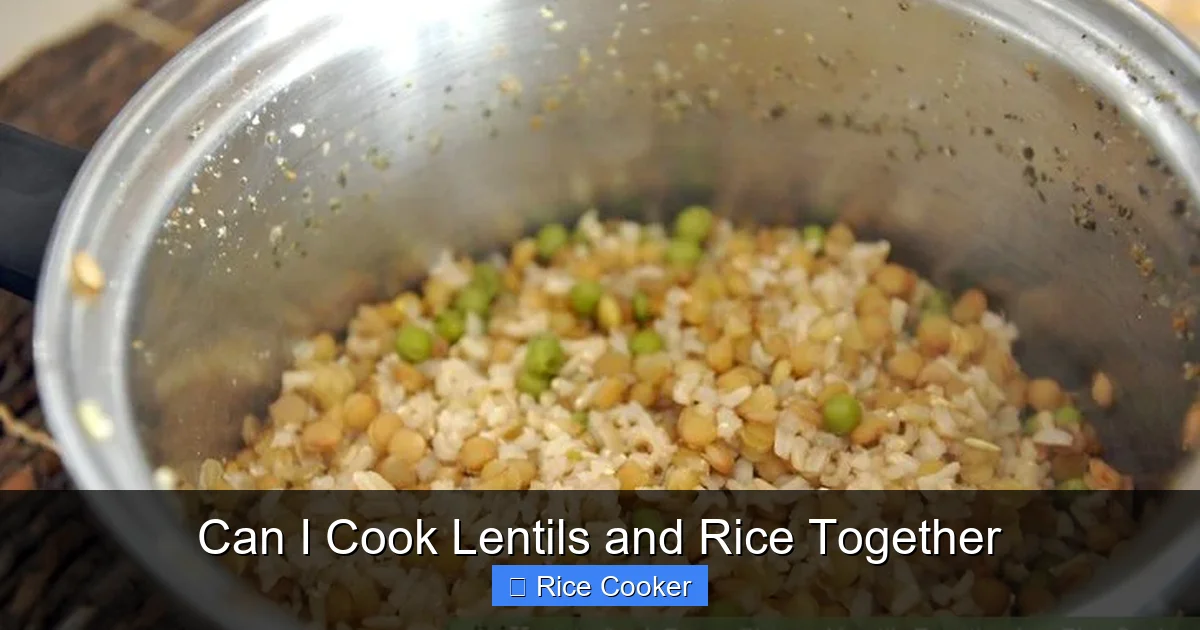
Visual guide about Can I Cook Lentils and Rice Together
Image source: wikihow.com
Ready to give it a try? Here’s a foolproof method for cooking lentils and rice together using your rice cooker.
Gather Your Ingredients
You’ll need:
– 1 cup uncooked rice (basmati, jasmine, or long-grain work best)
– ½ cup dried lentils (green, brown, or red—avoid yellow split peas)
– 2–2½ cups water or broth
– Optional: salt, garlic, onion, bay leaf, cumin, turmeric
Step-by-Step Instructions
- Rinse the rice and lentils: Place both in a fine-mesh strainer and rinse under cold water until the water runs clear. This removes excess starch and prevents gunkiness.
- Add to the inner pot: Transfer rinsed rice and lentils into your rice cooker’s inner pot.
- Measure liquid: Add water or broth. A general rule is 2 cups liquid per 1 cup dry rice + ½ cup lentils. Adjust slightly if you prefer softer or firmer textures.
- Add seasonings (optional): Toss in a pinch of salt, a crushed garlic clove, or a sprig of fresh thyme for extra flavor.
- Close lid and select setting: On most rice cookers, use the “White Rice” or “Mixed Grain” mode. Avoid the “Quick Cook” setting, as it may not heat evenly.
- Let it cook: Wait for the cycle to complete. The cooker will switch to “Keep Warm” automatically.
- Rest before serving: Let the mixture sit for 5–10 minutes after cooking. This allows steam to distribute evenly and improves texture.
Troubleshooting Common Issues
Even with the best intentions, things can go wrong. Here’s how to fix them:
– Too mushy: You used too much water or overcooked. Next time, reduce water by ¼ cup and check doneness halfway through.
– Rice still hard: Not enough liquid or heat. Ensure your cooker reaches full temperature; consider adding a splash of hot water and letting it rest longer.
– Lentils too firm: Try soaking lentils for 15–30 minutes before cooking (not required, but helps with texture).
Best Types of Rice and Lentils to Use

Visual guide about Can I Cook Lentils and Rice Together
Image source: realisticplantbasedmama.com
Not all rice and lentil varieties play nicely together. Choosing the right combo affects flavor, texture, and cooking time.
Recommended Rice Varieties
– Basmati: Light, fluffy, and aromatic—ideal for pairing with earthy lentils.
– Jasmine: Slightly sticky and fragrant, works well with green lentils.
– Long-grain white rice: Neutral flavor, cooks quickly, great for beginners.
Avoid short-grain or sushi rice, as they tend to become overly sticky when mixed with lentils.
Best Lentil Options
– Green or brown lentils: Hold their shape well during cooking—perfect for salads or pilafs.
– Red lentils: Cook faster and break down slightly, creating a creamier consistency.
– Black beluga lentils: Expensive but stunning in presentation; keep whole for visual appeal.
Steer clear of yellow split peas—they’re not true lentils and behave more like mashed potatoes when cooked.
Flavor Boosting Tips and Seasoning Ideas
Plain cooked lentils and rice is tasty—but it doesn’t have to be boring. With a few simple additions, you can turn this basic dish into something extraordinary.
Herbs and Spices
Add warmth with cumin, coriander, turmeric, or smoked paprika. A bay leaf infuses subtle depth. Fresh parsley or cilantro brighten the dish at the end.
Liquid Substitutions
Instead of plain water, use vegetable or chicken broth for richer flavor. Coconut milk adds tropical notes, while tomato sauce lends tanginess.
Acidic Finishes
A squeeze of lemon juice or lime after cooking cuts through richness. Drizzle with olive oil for added mouthfeel and health benefits.
Global Inspiration
– Indian-style: Cook with cumin seeds, ginger-garlic paste, and a pinch of turmeric. Finish with yogurt and chopped cilantro.
– Middle Eastern twist: Add sumac, cinnamon, and a handful of toasted pine nuts.
– Mexican fusion: Stir in black beans, corn, and diced tomatoes for a Tex-Mex vibe.
Meal Prep and Storage Tips
One-pot meals shine when you can make ahead. Here’s how to store and reheat lentil-rice combos like a pro.
Cooking in Batches
Double or triple your recipe for easy lunches. Portion into containers and refrigerate for up to 5 days or freeze for 2–3 months.
Reheating Methods
– Stovetop: Heat gently with a splash of water to prevent drying.
– Microwave: Cover loosely and stir halfway through.
– Oven: Reheat at 350°F (175°C) for 10–15 minutes, covered with foil.
Nutritional Benefits of Regular Consumption
Regularly eating lentils and rice together offers several health advantages:
– High in fiber, promoting digestive health
– Low glycemic index, helping stabilize blood sugar
– Rich in folate, iron, and potassium
– Supports heart health due to antioxidants and plant compounds
Vegetarian and Vegan-Friendly Variations
This dish is naturally vegetarian and can easily be made vegan by skipping dairy-based sauces or yogurt garnishes. For extra protein, add crumbled tofu, tempeh, or chickpeas.
For gluten-free diets, double-check that your rice and broth are certified gluten-free. Brown rice and lentils are excellent gluten-free options.
If you’re cooking for kids, keep seasonings mild—try carrot pieces or sweet potato cubes mixed in for natural sweetness.
Common Mistakes to Avoid
Learning from others’ mistakes saves time and frustration. Watch out for these pitfalls:
– Skipping rinsing: Leads to clumpy, gummy results.
– Using wrong lentil type: Red lentils cook too fast and may disintegrate.
– Over-seasoning early: Salt can toughen lentils; add it toward the end if needed.
– Not resting after cooking: Causes uneven texture and poor absorption.
Final Thoughts
Cooking lentils and rice together isn’t just doable—it’s a game-changer for anyone looking to eat healthier, save time, and reduce waste. With your rice cooker doing most of the work, you’re free to focus on creativity and flavor. Whether you’re feeding a family or meal-prepping solo, this method delivers consistent, satisfying results.
So next time you open your pantry and see those two ingredients staring back at you, remember: yes, you absolutely can cook lentils and rice together—and you should.
Frequently Asked Questions
Is it safe to cook lentils and rice together?
Yes, it’s completely safe and actually nutritionally beneficial. Combining them creates a complete protein and simplifies meal prep. Just ensure proper cooking times and liquid ratios.
How long does it take to cook lentils and rice together?
In a rice cooker, it typically takes 20–30 minutes on standard settings. On the stovetop, allow 25–30 minutes of simmering, covered, depending on rice and lentil types.
Can I use instant rice with lentils?
Instant rice cooks faster than regular rice but may become too soft when mixed with lentils. It’s better suited for recipes where the texture stays loose, like casseroles.
Are there any health concerns with combining lentils and rice?
None if prepared properly. The combination enhances protein quality and provides fiber, vitamins, and minerals. Be mindful of portion sizes if managing conditions like diabetes.
Can I cook this dish ahead of time?
Yes! Cooked lentil and rice mixtures store well in the fridge for up to 5 days or in the freezer for 2–3 months. Reheat gently to maintain texture.
What’s the difference between cooking lentils and rice separately vs. together?
Cooking them together saves time and creates complementary proteins. Separately gives more control over individual textures but requires extra dishes and attention.