
Can I cook quinoa in a rice cooker? Absolutely! With the right ratio and technique, your rice cooker turns out perfectly fluffy, evenly cooked quinoa in minutes. It’s one of the easiest ways to prepare this protein-packed grain—no stovetop watching required.
Key Takeaways
- Yes, it works: Quinoa cooks beautifully in most standard rice cookers using a simple 2:1 liquid-to-grain ratio.
- No rinsing needed for all types: While some brands recommend rinsing to remove saponins (bitter coating), many modern quinoa varieties are pre-rinsed—check packaging first.
- Fluffing matters: Let quinoa rest covered for 5–10 minutes after cooking; fluffing separates grains and improves texture.
- Customizable: Add herbs, spices, or broth instead of plain water for flavor-packed meals like quinoa pilaf or savory breakfast porridge.
- Clean-up is easy: Non-stick rice cooker bowls mean minimal scrubbing—just rinse with warm soapy water.
- Saves time: Set it and forget it—ideal for busy mornings or meal prep.
- Works for all styles: Whether you have a basic white-rice model or a high-end fuzzy logic cooker, quinoa adapts well.
Quick Answers to Common Questions
Can I cook quinoa in a rice cooker?
Yes! Quinoa cooks perfectly in most standard rice cookers using a 2:1 liquid-to-grain ratio. It’s hands-off, consistent, and yields fluffy, delicious results every time.
Do I need to rinse quinoa before cooking in a rice cooker?
It’s best to rinse quinoa under cold water in a strainer to remove the bitter saponin coating. However, many brands sell pre-rinsed varieties—always check the label.
How long does quinoa take to cook in a rice cooker?
Most rice cookers take 12–18 minutes to cook quinoa. After it switches to “keep warm,” let it rest for 5–10 minutes before fluffing.
Can I add flavorings to rice-cooked quinoa?
Absolutely! Use broth instead of water, add herbs, spices, garlic, or a splash of olive oil for extra taste. Experiment with sweet or savory combinations.
What should I do if my quinoa is too dry or too wet?
If too dry, increase liquid slightly next time. If too wet, let it sit uncovered for a few minutes after cooking to let steam escape, then fluff well.
📑 Table of Contents
- Can I Cook Quinoa in Rice Cooker? The Ultimate Guide
- The Science Behind Cooking Grains in Rice Cookers
- Step-by-Step: How to Cook Perfect Quinoa in a Rice Cooker
- Flavor Variations & Creative Uses
- Troubleshooting Common Issues
- Benefits of Using a Rice Cooker for Quinoa
- Comparing Methods: Rice Cooker vs. Stovetop vs. Instant Pot
- Storage & Reheating Tips
- FAQs
Can I Cook Quinoa in Rice Cooker? The Ultimate Guide
Imagine this: It’s Monday morning, and you’re scrambling to get breakfast ready before heading out the door. You open your pantry, eyeball the bag of quinoa, and wonder—can I actually cook this in my trusty rice cooker? The answer is a resounding yes, and not only that—it might just become your new favorite kitchen hack.
Cooking quinoa on the stovetop requires constant attention: measuring water, bringing it to a boil, reducing heat, simmering, and then waiting while it sits under a lid. But what if you could skip all that and still end up with tender, fluffy quinoa every single time? Enter the humble rice cooker—a countertop appliance designed specifically for grains, now ready to handle more than just white rice.
In this comprehensive guide, we’ll walk through everything you need to know about cooking quinoa in a rice cooker. From choosing the right equipment to mastering ratios and flavors, you’ll learn why this method is beloved by home cooks, meal-prep warriors, and even professional chefs. Plus, we’ll share pro tips, troubleshooting advice, and creative recipe ideas so you never run out of ways to enjoy quinoa again.
The Science Behind Cooking Grains in Rice Cookers
Before diving into recipes, let’s talk about how rice cookers work—and why they’re ideal for quinoa. Most modern rice cookers use a combination of heat conduction and thermal insulation to maintain consistent temperatures throughout the cooking cycle. They detect when the water has been absorbed and automatically switch to “keep-warm” mode, preventing overcooking.
Visual guide about Can I Cook Quinoa in Rice Cooker
Image source: kitchencuddle.com
Why Quinoa Works Well
Quinoa behaves similarly to short-grain rice when cooked. Its starches gelatinize at around 140°F (60°C), allowing it to absorb liquid efficiently. Unlike pasta or lentils, quinoa doesn’t require high-pressure steam or prolonged boiling—making it a natural fit for rice cooker mechanics.
Additionally, quinoa’s small size means it distributes heat evenly within the cooker bowl. There’s no risk of scorching at the bottom, which often happens on the stovetop unless you stir constantly. That’s why many people find rice-cooked quinoa superior to stove-top versions—especially beginners.
Types of Rice Cookers & Their Suitability
Not all rice cookers are created equal. Here’s a quick breakdown:
- Basic White-Rice Models: Affordable, simple, and effective. These use preset timers and temperature controls perfect for quinoa.
- Fuzzy Logic Cookers: Advanced sensors adjust timing based on moisture content—great for experimenting with different grains.
- Multi-Cooker Combos: Include pressure cooker, steamer, or slow cooker functions. Ideal if you want versatility beyond grains.
- Induction Heating Cookers: Offer precise control over heating zones—still rare but gaining popularity among serious home cooks.
For quinoa, even the simplest electric rice cooker will do the job. No fancy gadgets required!
Step-by-Step: How to Cook Perfect Quinoa in a Rice Cooker
Ready to give it a try? Follow these easy steps for foolproof results every time.
Visual guide about Can I Cook Quinoa in Rice Cooker
Image source: fearlessfresh.com
Gather Your Ingredients & Equipment
You only need three core ingredients plus optional extras:
- 1 cup uncooked quinoa (white, red, or black)
- 2 cups water or broth (for flavor)
- Salt to taste (optional)
- Olive oil or butter (optional, for richness)
Equipment checklist:
- A clean rice cooker with non-stick inner pot
- A fine-mesh strainer (if rinsing quinoa)
- A measuring cup (preferably liquid measuring cup)
- Wooden spoon or spatula (for fluffing)
Prep the Quinoa Properly
This step is crucial for avoiding bitterness and gummy clumps.
- Rinse thoroughly: Place quinoa in a fine-mesh strainer and rinse under cold running water for 30–60 seconds. Rub gently between fingers to dislodge any residue. Note: If your quinoa is labeled “pre-rinsed” or “ready-to-cook,” you may skip this step—but always check the label.
- Dry completely: Shake off excess water. Wet quinoa can lead to uneven cooking and sticky results.
- Add to inner pot: Transfer rinsed (or unrinsed) quinoa to the rice cooker bowl.
Measure Liquid Accurately
The golden rule: 2 parts liquid to 1 part dry quinoa. This ratio yields tender, separated grains without being soggy.
Example: For 1 cup quinoa → use 2 cups liquid.
For 1.5 cups quinoa → use 3 cups liquid.
Pro tip: Use a liquid measuring cup for accuracy. Avoid dry measuring cups, which pack too tightly and throw off ratios.
Cooking Process
- Add liquid, salt, and any flavorings (e.g., garlic powder, turmeric, or fresh thyme).
- Stir gently once to distribute seasonings.
- Close lid and press “Cook” or “White Rice” setting.
- Wait patiently! Total time usually ranges from 12–18 minutes.
- Once done, rice cooker switches to “Keep Warm.” Do not open the lid during cooking.
- Let quinoa rest for 5–10 minutes with lid closed. This allows residual steam to finish hydration and makes fluffing easier.
- Fluff gently with fork or rice paddle. Serve immediately.
Common Mistakes to Avoid
- Not rinsing quinoa: Leaves bitter taste and cloudy appearance.
- Using too much liquid: Results in mushy, glue-like texture.
- Opening lid early: Lets steam escape, affecting final texture.
- Skipping the rest period: Leads to clumpy, uneven grains.
- Overfilling the pot: Quinoa expands during cooking—stick to max fill line (usually 2/3 full).
Flavor Variations & Creative Uses
Plain quinoa is nutritious—but it doesn’t have to be boring! Once you master the basics, you can elevate your quinoa game with simple tweaks.
Herbed Quinoa Pilaf
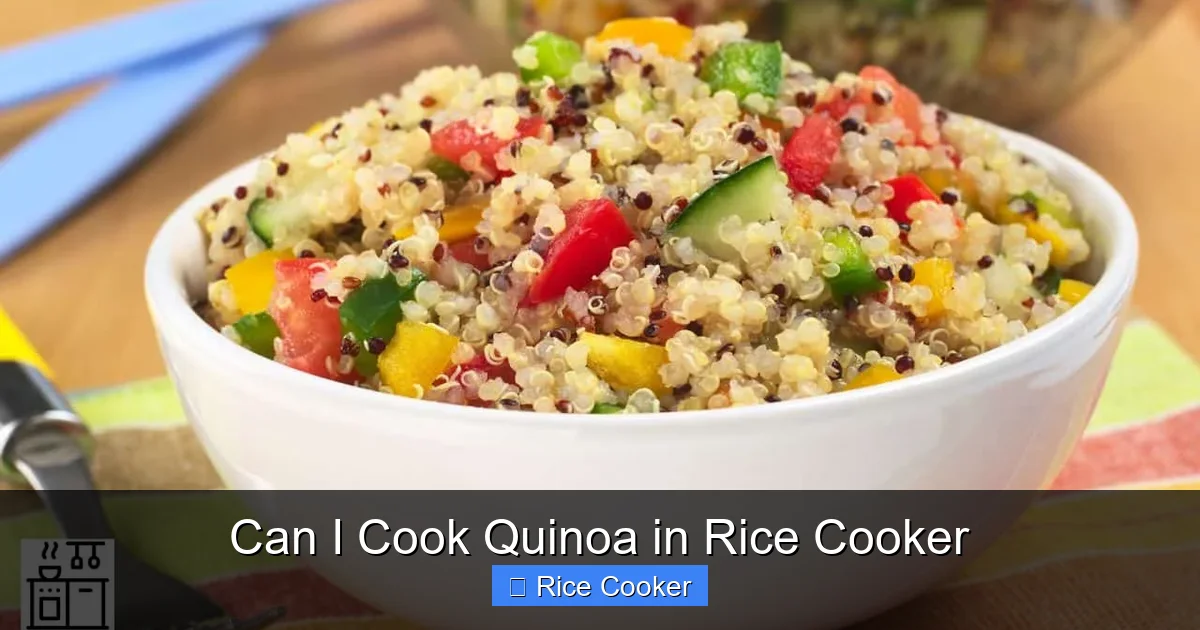
After cooking, fold in chopped parsley, diced tomatoes, roasted vegetables, and a squeeze of lemon juice. Perfect as a side dish or light lunch bowl.
Spiced Golden Quinoa
Toast quinoa briefly in a dry skillet before adding liquid, then cook as usual. Add ½ tsp ground cumin, cinnamon, and a pinch of saffron for a Middle Eastern-inspired grain.
Fruit-Infused Breakfast Quinoa
Use almond milk instead of water, add a splash of vanilla extract, and stir in blueberries or sliced banana after cooking. Top with nuts and honey.
Savory Veggie Bowls
Cook quinoa in vegetable broth, then layer with grilled chicken, avocado, spinach, and tahini dressing. Meal-prep friendly and restaurant-quality!
Sweet Quinoa Porridge
Replace water with coconut milk, add maple syrup, and top with chia seeds and berries. A healthy twist on oatmeal.
These variations prove that rice-cooked quinoa isn’t just for salads or side dishes—it’s versatile enough for breakfast, lunch, dinner, or even dessert!
Troubleshooting Common Issues
Even with perfect technique, sometimes things go sideways. Here’s how to fix them.
Too Dry or Crumbly
This usually means insufficient liquid or overcooking. Next time, increase liquid slightly (try 2.25 cups per 1 cup quinoa) or reduce cooking time by 1–2 minutes if your cooker tends to overheat.
Sticky or Gummy Texture
Caused by excess moisture or lack of rinsing. Always rinse thoroughly, and ensure your quinoa isn’t packed too tightly in the pot. Also, avoid lifting the lid mid-cycle.
Bitter Taste
Definitely from saponins left on unrinsed quinoa. Rinse until water runs clear, or switch to pre-rinsed varieties.
Unevenly Cooked Grains
Old quinoa loses moisture and becomes harder to cook evenly. Store in an airtight container away from light and heat. Fresh quinoa cooks more consistently.
Rice Cooker Won’t Start
Check that the inner pot is properly seated in place. Some models won’t activate unless the bowl clicks securely into position.
Benefits of Using a Rice Cooker for Quinoa
Beyond convenience, there are several compelling reasons to adopt this method:
- Energy-efficient: Uses less electricity than keeping a stove burner on.
- Consistent results: No guesswork—your quinoa turns out the same way every time.
- Hands-off cooking: Great for multitasking or relaxing while dinner prep happens.
- Easy clean-up: Non-stick surfaces mean less scrubbing.
- Meal-prep friendly: Make large batches ahead and store for up to 5 days in the fridge.
- Kid-friendly: Simple process teaches kids about healthy grains without complexity.
Comparing Methods: Rice Cooker vs. Stovetop vs. Instant Pot
How does rice-cooked quinoa stack up against other popular methods?
| Method | Time | Effort | Texture | Best For |
|---|---|---|---|---|
| Rice Cooker | 15–18 min | Low (hands-off) | Fluffy, uniform | Everyday meals, beginners |
| Stovetop | 15–20 min | Medium (monitoring) | Variable (depends on skill) | Large batches, custom textures |
| Instant Pot/Pressure Cooker | 6–8 min (high pressure) | Low (once set) | Soft, slightly mushy | Quick meals, soups/stews |
While stovetop gives you more control, rice cookers offer unmatched consistency. Instant Pots speed things up but sacrifice some texture—so choose based on your priorities.
Storage & Reheating Tips
Proper storage extends quinoa’s shelf life and maintains quality.
Refrigeration
Store cooled cooked quinoa in an airtight container for up to 5 days. It absorbs odors easily, so keep it separate from strong-smelling foods like fish or onions.
Freezing
Portion into freezer-safe bags or containers. Frozen quinoa lasts up to 3 months. Thaw overnight in the fridge before reheating.
Reheating
Microwave individual portions with a splash of water or broth to prevent drying out. Alternatively, steam over boiling water for 3–4 minutes until warmed through.
Meal-Prep Magic
Make a big batch on Sunday and repurpose throughout the week: add to salads, stir-fries, soups, or bake into frittatas. Label containers with dates for easy tracking.
FAQs
Do I really need to rinse quinoa before cooking?
Yes, ideally—rinsing removes the bitter-tasting saponin coating. However, many commercial brands sell “pre-rinsed” quinoa, so always check the package instructions.
Can I cook quinoa in a slow cooker instead?
Technically yes, but it’s not recommended. Slow cookers use low, indirect heat that can leave quinoa undercooked or overly soft. Rice cookers provide better control.
What if my quinoa turns out mushy?
Likely due to too much liquid or overcooking. Try reducing liquid by ¼ cup next time, or let it sit longer before fluffing to drain excess moisture.
Is quinoa safe for gluten-free diets?
Absolutely. Pure quinoa is naturally gluten-free, though cross-contamination can occur during processing. Look for certified GF labels if sensitive.
Can I cook flavored broths directly in the rice cooker?
Yes! Replace water with vegetable, chicken, or mushroom broth for deeper flavor. Just remember to adjust salt if the broth is already seasoned.
Will quinoa expand during cooking?
It doubles in volume, roughly. So 1 cup dry = about 2 cups cooked. Plan portion sizes accordingly.
Frequently Asked Questions
Can I cook quinoa in a rice cooker?
Yes, you can easily cook quinoa in a rice cooker using a 2:1 ratio of liquid to quinoa. Simply rinse the quinoa, add it with water or broth to the inner pot, close the lid, and press “cook.” Let it rest for 5–10 minutes after cooking before fluffing. This method produces consistently fluffy, nutty-tasting quinoa with minimal effort.
Do I need to rinse quinoa before cooking in a rice cooker?
Yes, rinsing quinoa is strongly recommended to remove its natural saponin coating, which can taste bitter. Place quinoa in a fine-mesh strainer and rinse under cold running water for 30–60 seconds, rubbing gently between fingers. If your quinoa is labeled “pre-rinsed,” you may skip this step—but always verify the packaging.
How much water do I use for quinoa in a rice cooker?
Use 2 cups of liquid for every 1 cup of uncooked quinoa. This includes water, broth, or another liquid of your choice. Measure carefully using a liquid measuring cup for best results. Too little liquid leads to dry quinoa; too much causes mushiness.
Why is my rice cooker quinoa sticky or gummy?
Sticky quinoa usually results from excess moisture, insufficient rinsing, or opening the lid during cooking. Always rinse thoroughly, use the correct 2:1 ratio, and avoid lifting the lid until the cycle finishes and the quinoa has rested.
Can I cook other grains in the same rice cooker?
Yes! Rice cookers work well with brown rice, barley, farro, millet, and even oats or polenta. Each grain may require slightly adjusted liquid ratios and cooking times—start with manufacturer guidelines and adjust to your preference.
Is quinoa gluten-free?
Pure quinoa is naturally gluten-free, making it safe for those with celiac disease or gluten sensitivity. However, cross-contamination can occur during processing. Choose certified gluten-free quinoa if you have severe sensitivities, and always read labels carefully.