
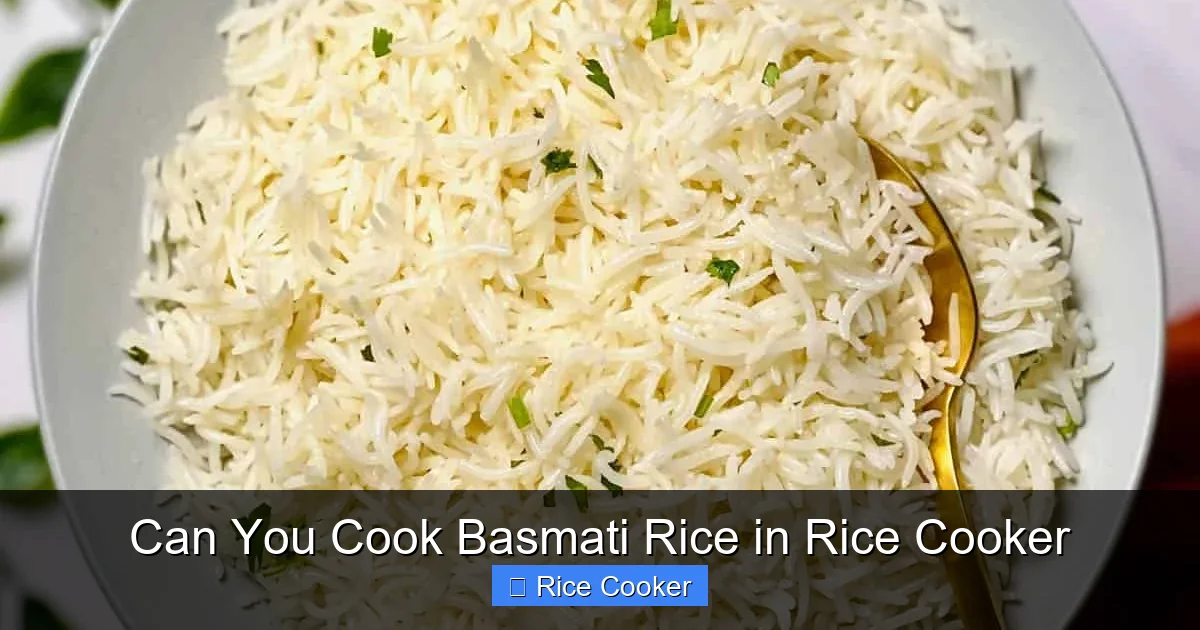
You absolutely can cook basmati rice in a rice cooker, and doing so gives you tender, aromatic grains without the guesswork. A rice cooker simplifies the process with consistent heat and automatic shut-off, making it ideal for both beginners and seasoned cooks. With the right water-to-rice ratio and a few simple steps, you’ll enjoy restaurant-quality basmati rice at home—fluffy, fragrant, and foolproof.
Key Takeaways
- Yes, basmati rice works perfectly in a rice cooker: The appliance is designed to handle long-grain varieties like basmati, delivering even cooking and fluffy results.
- Use a 1:1.5 to 1:1.75 water-to-rice ratio: This ensures the rice isn’t too dry or mushy—ideal for absorbing flavors from curries, biryanis, or salads.
- Rinse the rice before cooking: Removing excess starch prevents clumping and helps achieve separated grains.
- Let the rice rest after cooking: A 5–10 minute rest allows steam to distribute evenly and makes fluffing easier.
- Choose the right cooker setting: Use the “white rice” or “long grain” mode if available for best results.
- Experiment with soaking: Soaking basmati rice for 20–30 minutes can improve texture and reduce cooking time.
- Store leftovers properly: Cool cooked rice quickly and refrigerate within two hours to maintain freshness and safety.
[FEATURED_IMAGE_PLACEHOLDER]
Key Takeaways
- Understanding can you cook basmati rice in rice cooker: Provides essential knowledge
Quick Answers to Common Questions
Can you cook basmati rice in a rice cooker?
Yes, absolutely! Basmati rice works perfectly in a rice cooker and produces fluffy, aromatic results with minimal effort. Just rinse the rice, add the right amount of water, and let the machine do the work.
How much water do I use for basmati rice in a rice cooker?
Use a 1:1.5 to 1:1.75 ratio—one part rice to one and a half to one and three-quarters parts water. For example, 1 cup of rice needs 1.5 to 1.75 cups of water.
Should I soak basmati rice before cooking?
Soaking for 20–30 minutes improves texture and shortens cooking time. It’s optional but highly recommended for better results.
Do I need to add oil or butter to basmati rice in a rice cooker?
Nope! Basmati rice doesn’t require fat since it’s cooked in water. Adding oil is unnecessary and can affect texture.
Why is my basmati rice sticking together?
Most often, it’s because the rice wasn’t rinsed properly. Always rinse until the water runs clear to remove excess starch.
📑 Table of Contents
- Introduction: Why Cook Basmati Rice in a Rice Cooker?
- Understanding Basmati Rice: What Makes It Special?
- Can You Cook Basmati Rice in a Rice Cooker? The Short Answer
- The Perfect Water-to-Rice Ratio for Basmati
- Step-by-Step Guide: Cooking Basmati Rice in a Rice Cooker
- Tips for Flawless Basmati Rice Every Time
- Troubleshooting Common Basmati Rice Issues
- Beyond Plain Rice: Creative Ways to Use Your Cooker
- Cleaning and Maintaining Your Rice Cooker
- Conclusion: Why Your Kitchen Needs This Hack
Introduction: Why Cook Basmati Rice in a Rice Cooker?
There’s something magical about a perfectly cooked bowl of basmati rice. Its delicate aroma, light and fluffy texture, and slightly nutty flavor make it a staple in kitchens around the world—especially in Indian, Middle Eastern, and South Asian cuisine. Whether you’re serving it with butter chicken, pairing it with lentil dal, or using it as a base for biryani, getting that rice just right is essential.
Traditionally, cooking basmati rice involved monitoring a pot on the stove, adjusting heat levels, and waiting for the water to evaporate at just the right moment. But what if you could skip the constant stirring and worry-free simmering? Enter the humble rice cooker—a kitchen appliance designed specifically for this task. Modern rice cookers use precise temperature control and timed cooking cycles to deliver consistent results, day after day.
So, can you cook basmati rice in a rice cooker? Absolutely. In fact, many home cooks swear by it. Not only does it save time and effort, but it also eliminates the risk of overcooking or burning. With the right technique, your rice cooker can produce restaurant-quality basmati rice that rivals any dish from a professional chef.
Understanding Basmati Rice: What Makes It Special?
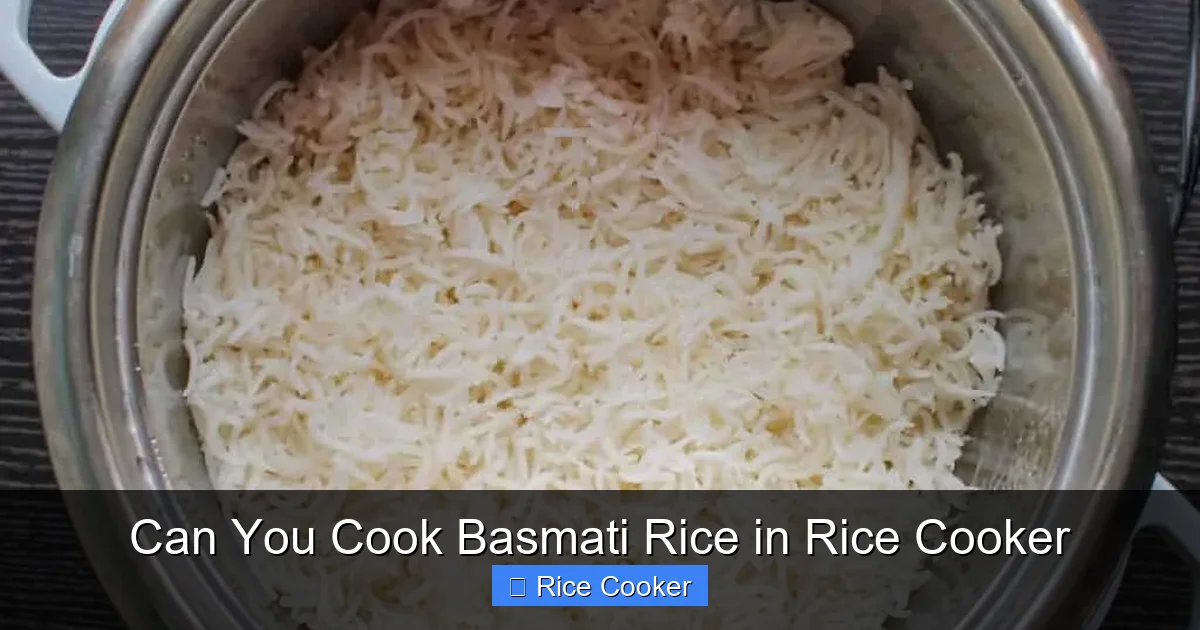
Visual guide about Can You Cook Basmati Rice in Rice Cooker
Image source: everydaynourishingfoods.com
Before diving into the how-to, let’s talk about why basmati rice is such a favorite. Originating from the Indian subcontinent, particularly India and Pakistan, basmati is a long-grain variety known for its distinctive aroma and slender shape. The word “basmati” comes from the Hindi words *bas* (to smoke) and *mati* (fragrant), which together describe its signature smoky, floral scent.
What sets basmati apart from other long-grain rices is its unique starch structure. Unlike short-grain rice, which becomes sticky when cooked, basmati retains its individual grains thanks to lower amylose content. This means it stays separate, light, and not overly soft—perfect for pairing with rich dishes or eating on its own.
Another key feature is its ability to absorb flavors. Because basmati is less starchy, it takes in spices, herbs, and liquids beautifully, making it ideal for pilafs, risottos, and one-pot meals. But all these qualities depend on proper preparation—and that’s where the rice cooker shines.
Can You Cook Basmati Rice in a Rice Cooker? The Short Answer

Visual guide about Can You Cook Basmati Rice in Rice Cooker
Image source: storables.com
Yes, you can—and you should! Most standard rice cookers are fully capable of cooking basmati rice effectively. While some models come with pre-set programs like “white rice” or “brown rice,” they all work on the same basic principle: heating water to a boil, then reducing it to a simmer while absorbing moisture over time. Since basmati is a long-grain white rice, it fits perfectly into this system.
The real secret isn’t the appliance itself—it’s how you prepare the rice beforehand. Rinsing removes excess surface starch, preventing clumping. Measuring the water accurately ensures the right consistency. And allowing the rice to rest after cooking helps lock in moisture and fluffiness. When done right, your rice cooker will turn out golden, aromatic grains that are tender yet distinct.
The Perfect Water-to-Rice Ratio for Basmati
One of the most common questions about cooking basmati rice is: How much water do I use? Unlike jasmine or sushi rice, basmati requires a bit more liquid because of its longer grain and tendency to dry out if undercooked.
The general rule of thumb is a **1:1.5 to 1:1.75 ratio**—one part basmati rice to one and a half to one and three-quarters parts water. For example:
– 1 cup of uncooked basmati = 1.5 to 1.75 cups of water
This range accounts for variations in rice brands and altitudes. At higher elevations, you may need slightly more water due to lower boiling points. Conversely, if your rice cooker tends to be drier, start on the higher end of the ratio.
Here’s a quick reference table:
| Amount of Rice | Water Needed |
|—————-|————–|
| ½ cup | ¾ to 1 cup |
| 1 cup | 1½ to 1¾ cups|
| 2 cups | 3 to 3½ cups |
Always use measuring cups for accuracy. Avoid eyeballing—this is one recipe where precision matters!
Adjusting for Different Quantities
If you’re cooking for a crowd or meal-prepping, scaling up is straightforward. Just multiply both the rice and water by the same factor. For instance, 3 cups of rice would call for 4.5 to 5.25 cups of water. Keep in mind that larger batches might take a little longer to cook through completely, so consider soaking first (see below).
Step-by-Step Guide: Cooking Basmati Rice in a Rice Cooker
Ready to give it a try? Follow these simple steps for foolproof results every time.
Step 1: Rinse the Rice Thoroughly
Start by placing your basmati rice in a fine-mesh strainer. Rinse under cold running water for 2–3 minutes, gently rubbing the grains between your fingers. Continue until the water runs clear—this removes excess starch that causes stickiness.
Pro tip: Don’t skip this step! Skipping rinsing leads to gummy, clumpy rice, no matter how good your cooker is.
Step 2: Measure Water and Add Ingredients
After rinsing, drain the rice well. Then measure the appropriate amount of water based on your quantity. If you want extra flavor, you can swap some of the water for broth, coconut milk, or even a splash of lemon juice or saffron infusion.
Add everything to the inner pot of your rice cooker—no oil or butter needed unless you’re making fried rice later.
Step 3: Close the Lid and Select the Right Setting
Close the lid securely—most rice cookers won’t start unless it’s latched properly. If your model has multiple settings (e.g., white rice, brown rice, quick cook), choose **“White Rice”** or **“Long Grain”**. These modes are calibrated for rices like basmati that require full absorption.
Press start. The cooker will bring the water to a boil, then switch to warm mode automatically once the rice is done. Total time usually ranges from 15–25 minutes.
Step 4: Let It Rest
Once the cycle ends, don’t open the lid immediately. Instead, let the rice sit for **5–10 minutes**. This resting period allows residual steam to finish cooking the grains evenly and makes fluffing much easier.
Step 5: Fluff and Serve
After resting, open the lid and gently fluff the rice with a fork. Avoid pounding or mashing—this keeps the grains intact. Serve hot and enjoy!
Tips for Flawless Basmati Rice Every Time
Even with the best technique, small details can make a big difference. Here are some pro tips to elevate your basmati game:
Soak for Better Texture
Soaking basmati rice for **20–30 minutes** before cooking improves texture and reduces cooking time. It also helps the grains swell evenly, resulting in more uniform tenderness. Drain thoroughly after soaking before adding water.
Don’t Overfill the Cooker
Rice expands as it cooks, so never fill your cooker beyond two-thirds capacity. Overflow can damage internal components and create a mess.
Keep the Lid Closed During Cooking
Opening the lid releases steam and disrupts the cooking process. Wait until the cycle completes before checking.
Use Fresh Rice When Possible
Older rice loses moisture and aroma. Store basmati in an airtight container away from light and heat for optimal freshness.
Experiment with Flavored Liquids
Instead of plain water, try cooking basmati in vegetable broth, chicken stock, or even apple cider vinegar for tangy notes.
Troubleshooting Common Basmati Rice Issues
Even experienced cooks run into hiccups now and then. Here’s how to fix them:
Too Dry?
If your rice is hard or chalky, you likely used too little water. Next time, increase the water ratio slightly. Also, check if your cooker seals properly—leaks cause rapid steam loss.
Too Wet or Mushy?
Overwatering is the usual culprit. Make sure you’re measuring correctly and rinsing thoroughly. Mushy rice also results from over-stirring after cooking.
Gummy or Sticky Grains?
This almost always means skipped rinsing. Always rinse until water runs clear. Also, avoid pressing down with a spoon—use a gentle fluffing motion instead.
Rice Cooker Won’t Start?
Check that the inner pot is seated correctly and the lid is locked. Some models require both to be in place before power engages.
Beyond Plain Rice: Creative Ways to Use Your Cooker
Once you’ve mastered plain basmati, the possibilities expand. Try these ideas:
– **Saffron Rice**: Infuse warm milk with a pinch of saffron; add to cooked rice for a luxurious side.
– **Lemon Herb Rice**: Stir in zest, chopped parsley, and olive oil after fluffing.
– **Spiced Pilaf**: Sauté onions and spices (like cumin, coriander, and cardamom) in the rice cooker before adding rice and water.
– **Fried Rice Base**: Cook basmati overnight, chill, then stir-fry with vegetables and eggs.
These techniques leverage the rice cooker’s versatility while keeping hands-off convenience.
Cleaning and Maintaining Your Rice Cooker
To keep your appliance working smoothly, clean it regularly:
– Wipe the exterior with a damp cloth.
– Remove the inner pot and wash it with warm, soapy water (hand-wash only—avoid dishwashers).
– Clean the heating plate and lid seal weekly with mild detergent.
– Never immerse electrical parts in water.
A well-maintained rice cooker lasts years and continues to deliver perfect basmati rice season after season.
Conclusion: Why Your Kitchen Needs This Hack
Cooking basmati rice in a rice cooker isn’t just convenient—it’s transformative. No more hovering over a pot, worried about scorching or uneven cooking. With just a few minutes of prep and a press of a button, you get consistently fluffy, aromatic rice every single time. Whether you’re feeding a family dinner or whipping up a quick lunch, this method saves time, reduces cleanup, and guarantees satisfaction.
And the best part? Once you master the basics, you’re free to experiment with flavors, textures, and pairings. From fragrant pilafs to colorful grain bowls, your rice cooker becomes a gateway to endless culinary creativity.
So go ahead—grab that bag of premium basmati, measure your water, and let your rice cooker do the rest. Your taste buds (and your busy schedule) will thank you.
Frequently Asked Questions
Is basmati rice different from regular long-grain rice?
Yes. Basmati has a unique aroma, slender grains, and lower starch content compared to other long-grain rices like jasmine. This makes it less sticky and more fragrant.
Can I cook brown basmati rice in a rice cooker?
Yes, but it requires more water and longer cooking time. Use a 1:2 ratio (rice to water) and select the “brown rice” setting if available.
How long does it take to cook basmati rice in a rice cooker?
Typically 15–25 minutes. Exact time varies by brand and quantity, but most rice cookers signal completion with a beep or auto-switch to “warm.”
Can I freeze cooked basmati rice?
Yes. Cool it completely, portion it into containers, and store in the freezer for up to 3 months. Reheat gently in a microwave or skillet.
What if my rice cooker doesn’t have a specific setting for basmati?
Just use the standard “white rice” or “long grain” mode. Most modern rice cookers handle basmati well even without specialty settings.
Why does my rice cooker sometimes burn the bottom?
This happens if the inner pot isn’t clean or if there’s not enough water. Always rinse rice, measure water carefully, and ensure the pot is free of residue.