
Can I cook rice and freeze it? Absolutely — freezing cooked rice is a smart way to save time and reduce waste. When done correctly, frozen rice keeps its texture and taste, making it ideal for quick meals later. With the right techniques, you can enjoy perfectly reheated rice every time.
Have you ever found yourself staring into the fridge, wondering what to make for dinner, only to remember that you have a perfectly cooked pot of rice from yesterday? Or maybe you cooked too much rice and didn’t want to waste it — but also didn’t want it to go bad? If so, you’re not alone. Cooking rice and freezing it is not only possible, but it’s actually one of the most practical and efficient ways to manage leftovers, especially if you’re meal prepping or trying to reduce food waste.
In this comprehensive guide, we’ll walk you through everything you need to know about cooking rice and freezing it — from the science behind why it works, to step-by-step instructions, tips for choosing the right rice, storage methods, and even creative ways to use frozen rice later. Whether you’re using a traditional stovetop method or a modern rice cooker, we’ve got you covered.
So, grab your favorite grain and let’s dive in — because yes, you absolutely can cook rice and freeze it, and doing so the right way will save you time, money, and stress.
Key Takeaways
- Freezing cooked rice is safe and effective: It preserves nutrients and extends shelf life when stored properly.
- Cooling before freezing prevents bacterial growth: Always let rice cool to room temperature within two hours of cooking.
- Use airtight containers or freezer bags: This minimizes freezer burn and keeps rice fresh longer.
- Label and date your portions: Helps you track storage time and avoid using outdated batches.
- Reheating matters: Proper reheating ensures safety and restores the best texture.
- Best rice types for freezing: Short-grain and medium-grain rice hold up better than long-grain varieties.
- Meal prep hack: Freeze rice in individual servings for grab-and-go convenience.
📑 Table of Contents
- Why Freeze Cooked Rice?
- How Long Can You Keep Cooked Rice in the Freezer?
- Choosing the Right Rice for Freezing
- Step-by-Step Guide: How to Cook and Freeze Rice
- Reheating Frozen Rice: Tips for Best Results
- Creative Ways to Use Frozen Rice
- Common Mistakes to Avoid When Freezing Rice
- Food Safety: Is Frozen Rice Safe?
- Meal Prep with Frozen Rice: A Game-Changer
- Final Thoughts: Yes, You Should Freeze Your Rice
Why Freeze Cooked Rice?
Before we jump into the “how,” let’s talk about the “why.” Freezing cooked rice is more than just a kitchen hack — it’s a smart strategy for modern living. Here are some compelling reasons to give it a try:
First and foremost, freezing rice helps prevent food waste. According to the U.S. Department of Agriculture (USDA), millions of pounds of food end up in landfills each year simply because people buy too much or don’t use leftovers in time. By freezing rice, you extend its shelf life significantly — cooked rice can last up to six months in the freezer when stored properly.
Second, it saves time and effort. Imagine being able to cook a big batch of rice on Sunday and then pull out exactly what you need during the week — no measuring, no waiting, no extra cooking. This is especially helpful if you’re feeding a family or meal-prepping for busy days.
Third, frozen rice retains its nutritional value. While prolonged storage can cause slight nutrient loss, freezing actually slows down oxidation and enzymatic activity, helping preserve vitamins like B-complex and minerals better than room-temperature storage.
And finally, it improves flavor control. When you cook rice in bulk and freeze it by portion, you avoid overcooking or undercooking individual servings later. Plus, you can easily add sauces or seasonings later without worrying about drying out the rice.
How Long Can You Keep Cooked Rice in the Freezer?
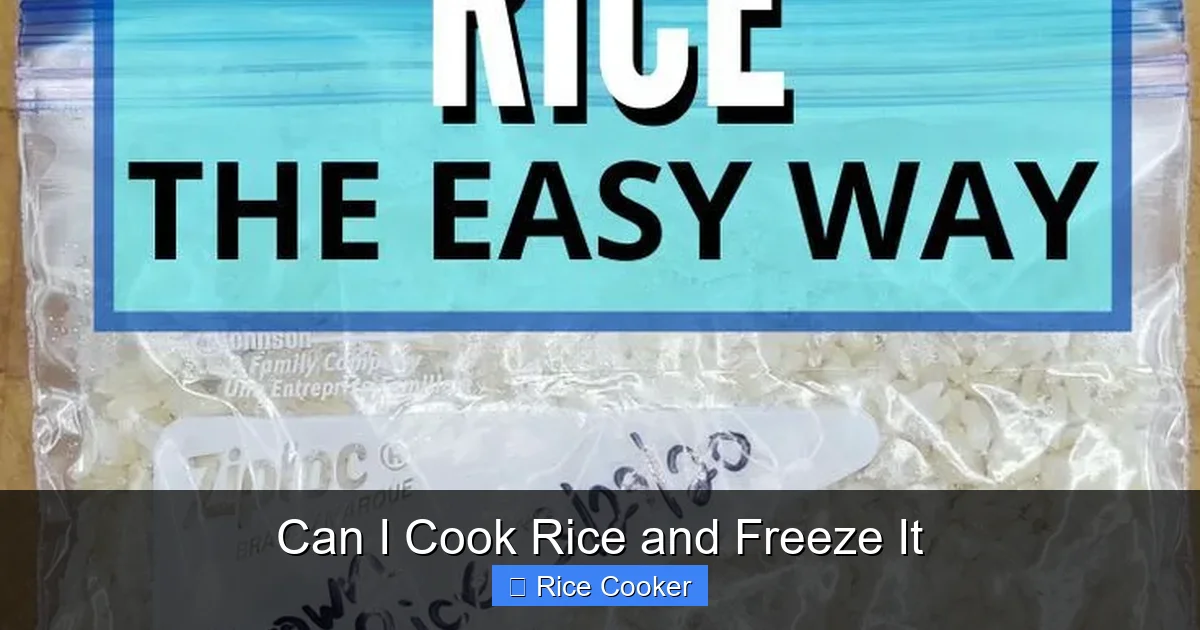
Visual guide about Can I Cook Rice and Freeze It
Image source: i.pinimg.com
One of the most common questions people ask is: “How long can I keep cooked rice in the freezer?” The short answer is: up to six months. However, for the best quality — meaning texture, flavor, and moisture retention — most experts recommend using frozen rice within three to four months.
Here’s why timing matters:
– After 3–4 months: Rice may start to develop freezer burn, which occurs when ice crystals form on the surface due to exposure to cold, dry air. This leads to a dry, chalky texture.
– After 6 months: While still safe to eat, the rice may lose some of its original flavor and become slightly tough or crumbly.
To maximize shelf life, always use airtight containers or freezer-safe bags, remove as much air as possible, and label each container with the date. This simple step makes a huge difference in maintaining quality.
It’s also worth noting that cooked rice should never be refrozen after thawing unless it’s been fully cooked again. Repeated freezing and thawing can lead to bacterial growth and texture degradation.
Choosing the Right Rice for Freezing
Not all rice is created equal when it comes to freezing. Some types hold up better than others due to their starch content and grain structure. Here’s a breakdown of the best rice varieties for freezing:
Short-Grain Rice
This is the gold standard for freezing. Short-grain rice has a higher starch content, which gives it a sticky, creamy texture when cooked. Varieties like sushi rice or arborio (used in risotto) are excellent choices because they stay moist and cohesive even after freezing and reheating.
Medium-Grain Rice
Similar to short-grain, medium-grain rice (like Calrose or bomba) freezes well and retains its soft, slightly chewy texture. It’s a great option if you prefer less stickiness than short-grain but still want reliable results.
Long-Grain Rice
While long-grain rice (such as basmati or jasmine) can be frozen, it tends to dry out more easily after thawing. The grains separate and can become brittle. That said, if you rinse it well before freezing and reheat it carefully, it can still work — just not as reliably as other types.
Pro tip: If you’re unsure, stick with short or medium-grain rice for the best freezing performance.
Step-by-Step Guide: How to Cook and Freeze Rice
Now that we’ve covered the basics, let’s get hands-on. Here’s how to cook rice and freeze it properly — whether you’re using a rice cooker, stovetop, or Instant Pot.
1. Cook the Rice to Al Dente Perfection
The key to successfully freezing rice is cooking it just right. Overcooked rice becomes mushy when frozen and reheated. Aim for al dente — tender but with a slight bite.
– For white rice: Cook until grains are tender but not falling apart (usually 18–20 minutes).
– For brown rice: It takes longer (35–40 minutes), and the texture is naturally chewier.
If using a rice cooker, follow the water-to-rice ratio recommended on the package. A general rule is 1:1.5 (rice to water), but this can vary depending on the type.
2. Let It Cool Quickly
Never put hot rice directly into the freezer. Doing so can raise the internal temperature of your freezer, causing other foods to thaw prematurely. Instead, spread the rice in a thin layer on a baking sheet or tray.
– Let it cool at room temperature for 30–60 minutes.
– Stir occasionally to speed up cooling and prevent clumping.
3. Portion and Package
Divide the cooled rice into meal-sized portions. This makes thawing and reheating faster and more convenient. Use:
– Airtight freezer containers
– Freezer-safe zip-top bags (lay flat to save space)
– Silicone ice cube trays (great for small portions)
Press out excess air before sealing to prevent freezer burn.
4. Label and Store
Write the date and contents on each container or bag. Frozen rice should be used within six months for best quality, but it’s safe to eat beyond that if stored properly.
Reheating Frozen Rice: Tips for Best Results
You’ve frozen your rice — now what? Reheating is where many people run into trouble. Follow these tips to bring your frozen rice back to life without turning it into paste or crunchy bits.
Method 1: Stovetop Reheating (Recommended)
This method gives you the most control over texture and moisture.
1. Place frozen rice in a saucepan with a splash of water, broth, or oil.
2. Heat over medium-low, stirring frequently.
3. Add liquid gradually if it starts to dry out.
4. Cover the pan to trap steam and help soften the rice.
Method 2: Microwave Reheating
Fast and easy, but requires attention to avoid uneven heating.
1. Transfer frozen rice to a microwave-safe dish.
2. Cover with a damp paper towel to retain moisture.
3. Heat in 30-second intervals, stirring between each.
4. Check for even warmth before serving.
Method 3: Oven Reheating
Best for larger quantities or when you want to crisp up rice (e.g., fried rice).
1. Preheat oven to 350°F (175°C).
2. Spread rice on a baking sheet lined with parchment.
3. Spray lightly with water or oil.
4. Heat for 10–15 minutes, flipping halfway.
Pro Tips for Reheating:
– Never reheat rice more than once.
– Add a pat of butter or a splash of milk while reheating for creaminess.
– Season with salt, pepper, or herbs after heating for extra flavor.
Creative Ways to Use Frozen Rice
Frozen rice isn’t just for plain bowls of steamed goodness. Once thawed and reheated, it becomes the perfect base for countless dishes. Here are some delicious ideas:
Fried Rice
Thaw a portion of rice and stir-fry with vegetables, eggs, soy sauce, and your favorite protein. Make it Asian-inspired or switch it up with Mexican flavors using black beans, corn, and salsa.
Rice Pudding
Simmer rice with milk, sugar, cinnamon, and vanilla for a warm, comforting dessert. Freeze plain rice and then transform it into pudding — genius!
Rice Bowls
Top reheated rice with roasted veggies, grilled chicken, tahini dressing, or pickled onions for a healthy, customizable meal.
Sushi Rolls
If you froze sushi rice, just thaw it gently and use it immediately — perfect for impromptu rolls!
Risotto
Freeze Arborio rice and use it to make creamy risotto by slowly adding broth while stirring.
Common Mistakes to Avoid When Freezing Rice
Even with the best intentions, mistakes happen. Here are the top errors people make when freezing rice — and how to fix them:
– Freezing hot rice: This causes condensation and can lead to bacterial growth. Always cool first. Yes — frozen rice is completely safe, as long as you follow proper handling and storage guidelines. The key is preventing the growth of Bacillus cereus, a bacteria that can survive cooking and produce toxins that cause food poisoning. Bacillus cereus thrives in cooked rice left at room temperature for too long. That’s why it’s crucial to cool rice within two hours and freeze it promptly. Once frozen, bacteria cannot grow, so your rice remains safe indefinitely (though quality declines over time). Just remember: never leave thawed rice sitting out for more than two hours. If you ever suspect your rice has been mishandled or stored improperly, trust your senses — if it smells off, feels slimy, or looks discolored, throw it away. For anyone who values efficiency, frozen rice is a meal prep powerhouse. Here’s how to incorporate it into your weekly routine: – Sunday Prep: Cook a large batch of rice (enough for 5–7 meals). Divide into containers, freeze, and label. With frozen rice, you eliminate daily cooking decisions. One pot, multiple meals — that’s the future of smart eating. Cooking rice and freezing it isn’t just possible — it’s practical, sustainable, and delicious. With the right techniques, you can enjoy perfectly textured rice anytime, reduce waste, and simplify your meal planning. Whether you’re using a rice cooker or stovetop, short-grain or brown rice, freezing allows you to cook once and eat multiple times. So next time you make rice, consider freezing the leftovers. Not only will you save time and money, but you’ll also discover new ways to enjoy one of the world’s most versatile ingredients. From fried rice to pudding, rice bowls to risotto — the possibilities are endless. Start small, experiment with flavors, and soon you’ll wonder how you ever lived without frozen rice in your freezer. Absolutely! Rice cooked in a rice cooker freezes just as well as rice cooked on the stove. Just cool it quickly, portion it, and store it in airtight containers. The key is avoiding hot rice in the freezer. Reheat frozen rice on the stovetop with a little water or broth, stirring frequently. This helps redistribute moisture evenly. Avoid microwaving straight from frozen — thaw partially first for better texture. Yes, as long as it was frozen promptly after cooking and handled safely. Freezing stops bacterial growth, so frozen rice is safe to eat even months later — though quality may decline after 3–4 months. Yes, but mix gently to avoid separation. For best results, freeze plain rice and add sauces or seasonings after reheating. This keeps the rice from getting soggy. Slightly — some people notice a mild flavor shift after long-term freezing. To minimize this, use fresh rice when possible and avoid freezing rice with strong flavors like curry or garlic. No. Aluminum foil doesn’t seal properly and can transfer odors or chemicals. Use glass containers, freezer-safe plastic bags, or silicone molds instead.
– Using non-freezer-safe containers:Overpacking bags:Skipping labels:Reheating too quickly in the microwave:Food Safety: Is Frozen Rice Safe?
Meal Prep with Frozen Rice: A Game-Changer
– Grab-and-Go: Thaw one portion in the morning and pair it with a protein, veggie, and sauce.
– Batching Recipes: Make fried rice, rice salads, or casseroles in bulk and freeze for later.Final Thoughts: Yes, You Should Freeze Your Rice
Frequently Asked Questions
Can you freeze cooked rice from a rice cooker?
How do I reheat frozen rice without making it mushy?
Is it safe to eat rice that’s been frozen and reheated?
Can I freeze rice with sauce or seasoning?
Does freezing change the taste of rice?
Can I freeze rice in aluminum foil?