
Can you cook rice and quinoa together in a rice cooker? Absolutely! This simple technique lets you enjoy two healthy grains in one pot with minimal effort. By using the right water-to-grain ratio and cooking method, you’ll get perfectly fluffy rice and tender quinoa every time—no extra pots or pans needed.
Key Takeaways
- Yes, it’s possible: You can cook rice and quinoa together in a rice cooker without any special equipment.
- Use the same liquid ratio: Both grains require about 1.5 to 1.75 cups of water per cup of grain when cooked together.
- Pre-rinse both grains: Washing removes excess starch and prevents clumping, especially important for quinoa.
- Soak quinoa first (optional): Soaking reduces cooking time and improves digestibility.
- Stir once halfway through: Gentle stirring ensures even cooking and prevents sticking.
- Let it rest after cooking: Resting for 5–10 minutes helps absorb any remaining moisture and fluff up the grains.
- Adjust for texture preferences: Use more water for softer grains or less for firmer bites.
📑 Table of Contents
- Can I Cook Rice and Quinoa Together in Rice Cooker?
- Understanding Rice and Quinoa: A Perfect Pairing
- How to Prepare Rice and Quinoa for the Rice Cooker
- Step-by-Step Guide: Cooking Rice and Quinoa in a Rice Cooker
- Troubleshooting Common Mistakes
- Creative Ways to Serve Your Rice and Quinoa Blend
- Nutritional Benefits of Combining Rice and Quinoa
- Frequently Asked Questions About Cooking Rice and Quinoa Together
Can I Cook Rice and Quinoa Together in Rice Cooker?
Have you ever stared at your rice cooker, wondering if you could make a complete meal in just one pot? What if I told you that cooking rice and quinoa together is not only possible but also surprisingly simple? Whether you’re meal prepping, feeding a family, or just want to add more nutrition to your plate, combining these two powerhouse grains is a game-changer. And yes—your trusty rice cooker can handle it all.
Rice and quinoa may seem like unlikely bedfellows at first glance: one’s a staple grain from Asia, known for its soft, fluffy texture; the other’s an ancient seed from South America, celebrated for its protein content and nutty flavor. But when combined, they create a dish that’s both satisfying and nourishing. The magic lies in their similar cooking behaviors and the way modern rice cookers manage heat and moisture so precisely. With just a few small adjustments, you can enjoy a perfectly cooked blend without any guesswork.
In this article, we’ll walk you through everything you need to know—from the science behind cooking these grains together to step-by-step instructions that guarantee success every time. You’ll learn why this combo works so well, how to avoid common pitfalls, and even some creative ways to serve your finished dish. So grab your rice cooker and let’s get started!
Understanding Rice and Quinoa: A Perfect Pairing
The Science Behind Cooking Two Grains Together
Before diving into the recipe, it’s helpful to understand why rice and quinoa play nicely together. While rice absorbs water quickly and swells into soft, individual grains, quinoa needs a bit more time to soften and release its signature crunch. Both, however, respond beautifully to the consistent heat and steam produced by a rice cooker. The appliance’s ability to maintain a steady temperature throughout the cooking cycle ensures neither grain overcooks nor becomes mushy.
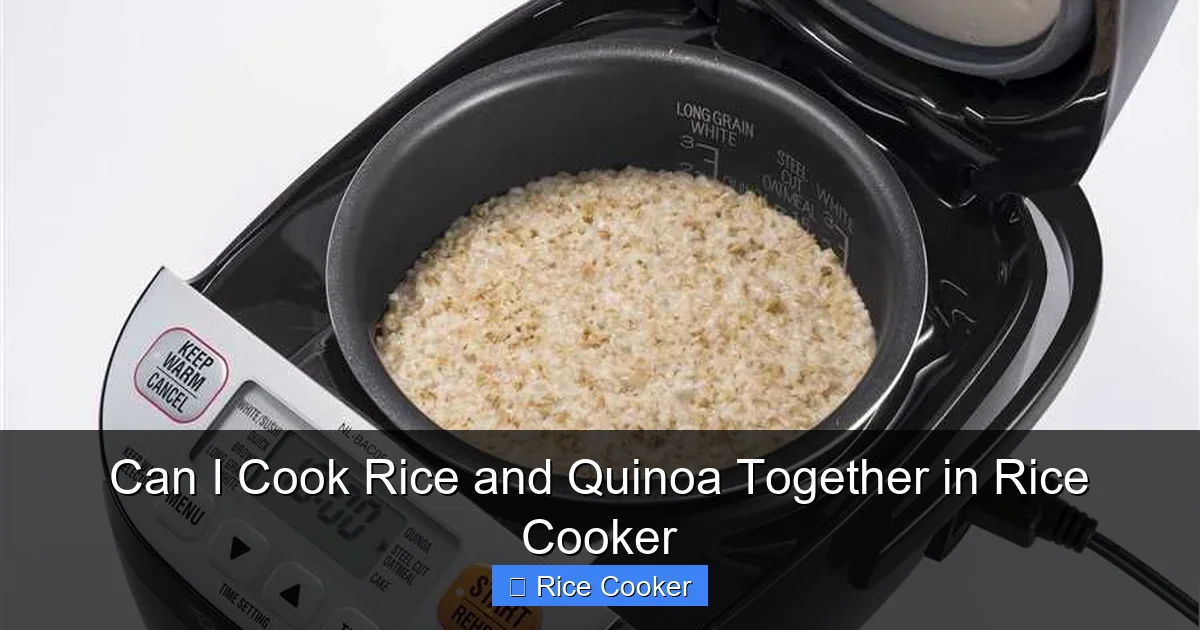
Visual guide about Can I Cook Rice and Quinoa Together in Rice Cooker
Image source: metrocookingdallas.com
Another benefit of cooking them together is efficiency. Instead of running two separate cycles, you save time, energy, and clean-up. Plus, the flavors naturally complement each other—rice provides mild neutrality, while quinoa adds a subtle earthiness that enhances the overall taste. It’s like having two meals in one bowl!
Why People Love This Combo
Many home cooks love mixing rice and quinoa because it boosts nutritional value without complicating the process. Quinoa is a complete protein, containing all nine essential amino acids that our bodies can’t produce on their own. Rice, while lower in protein, is high in carbohydrates and fiber, making the combination ideal for sustained energy. This makes the dish especially popular among athletes, busy parents, and anyone looking to eat healthier without sacrificing convenience.
Additionally, blending the two grains creates a more texturally interesting dish. Imagine biting into a bowl where some grains are tender and light, while others have a slight chew and nutty bite. That variety keeps every spoonful exciting—and encourages people who usually avoid quinoa to give it another try.
How to Prepare Rice and Quinoa for the Rice Cooker
Choosing the Right Rice and Quinoa
Not all rice and quinoa are created equal. For the best results, use long-grain white rice or brown rice, depending on your preference. White rice tends to be softer and less likely to clump, which pairs well with quinoa’s texture. Brown rice adds extra fiber and a richer flavor but requires slightly longer cooking times.
For quinoa, stick with the classic white or red varieties. Black quinoa has a stronger taste and darker color, which might overpower mild dishes unless you’re aiming for visual contrast. Always choose triple-washed quinoa—this means it’s been processed to remove the bitter saponin coating that some people find off-putting. If you buy organic or bulk-store brands, double-check the label to ensure no rinsing instructions are missing.
Measuring and Rinsing Your Ingredients
Proper measurement is key. A good rule of thumb is to use equal parts rice and quinoa by volume. For example, 1 cup of each will yield about 4–5 cups of cooked grain. Some recipes call for a 3:2 ratio (more rice than quinoa), especially if you prefer a lighter texture overall. Feel free to experiment based on your taste.
Now, here’s the crucial step: rinse both grains thoroughly. Place them in a fine-mesh strainer and run cool water over them for at least 30 seconds. This removes excess starch from rice and saponins from quinoa, preventing gummy textures and bitterness. Don’t skip this—especially with quinoa!
Optional: Soaking Quinoa
If you have 15–20 minutes before cooking, consider soaking your quinoa. Simply combine it with water in a bowl and let it sit while you prep the rice. Soaking softens the outer layer and shortens cooking time by about 5 minutes. It also improves digestibility, as some people experience bloating from raw quinoa due to certain compounds that break down during soaking.
After soaking, drain the quinoa and proceed with rinsing again before adding it to the rice cooker.
Step-by-Step Guide: Cooking Rice and Quinoa in a Rice Cooker
Setting Up Your Rice Cooker
Start by placing the inner pot of your rice cooker in place. Make sure it’s clean and dry—any leftover residue can affect the taste. If your model has a non-stick coating, avoid metal utensils when stirring later.
Adding Water and Grains
Measure out your rinsed rice and quinoa. Add them to the pot together. Then, pour in the appropriate amount of water. Here’s the magic number: Use 1.5 to 1.75 cups of water per cup of combined grains. For instance, if you’re using 2 cups total (1 cup rice + 1 cup quinoa), add 3 to 3.5 cups of water.
Why this range? Rice typically needs 1.5 cups of water, while quinoa needs closer to 2 cups. Since they cook simultaneously, averaging between the two gives you flexibility. If you like softer grains, go toward 1.75 cups. If you prefer firmer bites, start at 1.5 cups and add more if needed next time.
Cooking Process
Close the lid securely and select the standard “White Rice” or “Mixed Grain” setting if your machine has one. If not, the default cycle will work fine. Avoid using “Quick Cook” or “Brown Rice” modes unless your cooker specifies compatibility with quinoa.
Once the cooking cycle begins, resist the urge to open the lid frequently. Steam builds pressure inside, and opening too soon can disrupt the process. However, after about half the estimated time has passed, you can gently lift the lid and stir once from the bottom up. This helps distribute heat evenly and prevents the quinoa from settling at the bottom and burning.
Finishing Touches
When the rice cooker switches to “Keep Warm,” do NOT turn it off yet. Let the mixture sit for 5–10 minutes. This resting period allows residual heat to finish softening any stubborn grains and lets excess moisture evaporate, resulting in better texture.
Finally, fluff the mixture with a fork, separating any clumps. Serve immediately while warm.
Troubleshooting Common Mistakes
Overcooked or Mushy Grains
If your rice and quinoa come out too soft, it’s likely due to too much water or overcooking. Next time, reduce the water by ¼ cup and avoid stirring excessively. Also, check if your rice cooker’s heating element is functioning properly—some models lose efficiency over time.
Gummy or Clumpy Texture
This usually happens when either grain wasn’t rinsed enough or the pot wasn’t clean. Always rinse twice if needed, and wipe the inside of the pot before starting. Using fresh water each time also helps.
Uneven Cooking
If some grains are underdone and others are done, try reducing the total cooking time slightly. Most rice cookers estimate around 20–25 minutes, but actual time varies by brand. Keep notes for future batches!
Creative Ways to Serve Your Rice and Quinoa Blend
Bowl Ideas for Every Meal
This versatile base works great with stir-fries, roasted vegetables, grilled chicken, or black beans. Top it with sautéed mushrooms, avocado slices, or a fried egg for breakfast-for-dinner inspiration.
Dressings and Seasonings
Instead of plain steamed grains, try seasoning them with turmeric, cumin, garlic powder, or smoked paprika before cooking. Or toss the finished mix with lemon juice, olive oil, fresh herbs, and a pinch of salt for Mediterranean flair.
Sweet Varieties
Surprise yourself with sweet options! Add a dash of cinnamon and maple syrup to the cooking water, or fold in diced apples and raisins for a warm breakfast porridge.
Nutritional Benefits of Combining Rice and Quinoa
Beyond taste and texture, this duo delivers serious health perks. One cup of cooked quinoa contains roughly 8 grams of protein—double what you’d get from the same amount of white rice. It’s also packed with magnesium, iron, and antioxidants. Rice contributes complex carbs for energy and B vitamins for metabolism support.
Together, they form a balanced macronutrient profile: carbs, proteins, and healthy fibers. This makes the dish suitable for vegetarians, gluten-free diets (assuming certified GF quinoa), and those managing blood sugar levels—thanks to the moderate glycemic index of both grains.
Frequently Asked Questions About Cooking Rice and Quinoa Together
Do I need a special rice cooker to cook quinoa?
No, most standard rice cookers work perfectly fine with quinoa. Just follow the correct water ratios and avoid quick-cook settings unless specified by your manufacturer.
Can I substitute brown rice for white rice?
Yes! Brown rice takes longer to cook, so increase the water slightly (up to 2 cups per cup of grain) and expect a longer cycle. The final texture will be heartier and chewier.
How long does cooked rice and quinoa last in the fridge?
Store in an airtight container for up to 5 days. Reheat gently in a saucepan with a splash of water to restore moisture.
Can I freeze this mixture?
Absolutely. Portion into freezer-safe containers and store for up to 3 months. Thaw overnight in the fridge before reheating.
Is quinoa safe for babies and toddlers?
Yes, but introduce it gradually and ensure it’s well-cooked and mashed if serving very young children. Always consult your pediatrician first.
What if I don’t have time to soak quinoa?
You don’t have to! Soaking is optional. Just rinse thoroughly and adjust cooking time slightly if needed. The difference in taste and texture is minimal for most palates.
Frequently Asked Questions
What is can i cook rice and quinoa together in rice cooker?
can i cook rice and quinoa together in rice cooker is an important topic with many practical applications.