
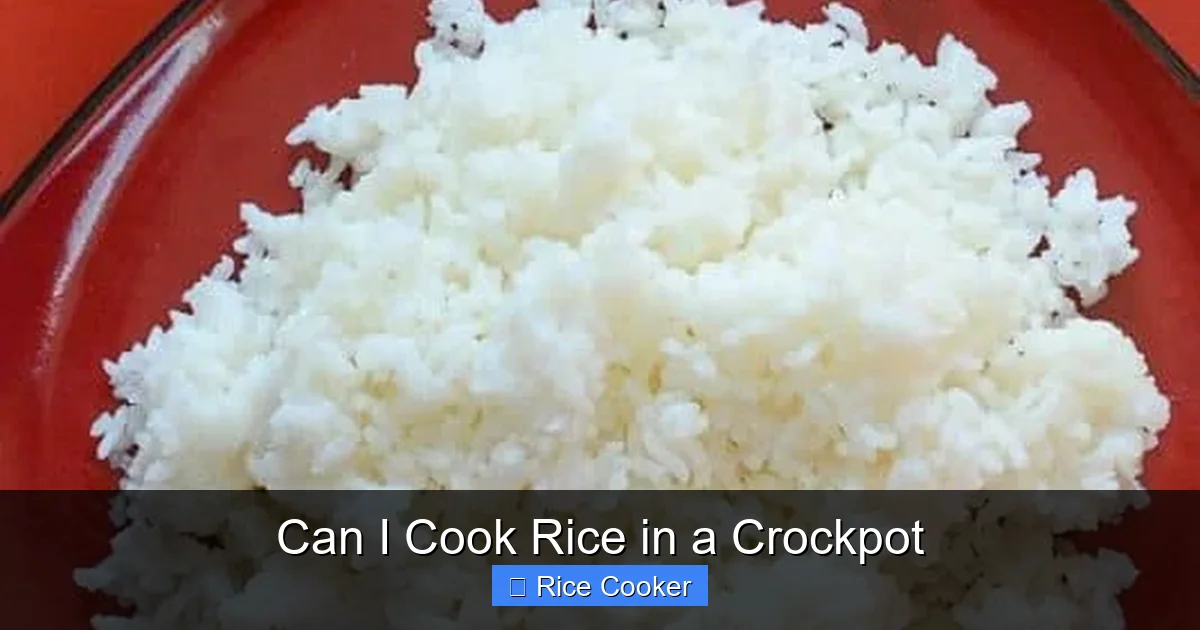
You absolutely can cook rice in a crockpot, though it’s not as foolproof as using a rice cooker. With the correct water-to-rice ratio and a few simple tips, your crockpot can deliver perfectly tender grains every time. While it may take slightly longer and require more attention, this method is perfect for hands-off meals or large batches.
Key Takeaways
- Crockpots work for cooking rice, but results depend on rice type, water ratio, and heat control.
- White rice is easier to cook successfully than brown rice due to lower fiber and oil content.
- Use a 1:1.25 to 1:1.5 water-to-rice ratio—more water than traditional boiling, less than soaking.
- Pre-soaking rice can reduce cooking time and improve texture in a slow cooker.
- A tight-fitting lid is essential to trap steam and prevent drying out.
- Natural release after cooking helps, especially for jasmine or basmati varieties.
- Experiment with flavors—add broth instead of water, or toss in herbs and garlic.
Quick Answers to Common Questions
How much water do I use for 1 cup of rice in a crockpot?
Use 1¼ to 1½ cups of water per cup of uncooked rice. Adjust based on rice type—white rice needs less than brown rice.
Can I cook brown rice in a crockpot?
Yes, but it requires more water and longer cooking time. Soak brown rice overnight for better texture and reduced cooking duration.
Do I need to rinse the rice before cooking in a crockpot?
It’s optional. Rinsing removes excess starch and prevents stickiness, especially with jasmine or short-grain rice. Skip it if you prefer creamier results.
How long does it take to cook rice in a crockpot?
White rice typically takes 2–3 hours on low. Brown rice needs 3–4 hours. Always check for doneness near the end and let it rest before fluffing.
Can I add spices or herbs to crockpot rice?
Absolutely! Add bay leaves, garlic cloves, or a pinch of salt early on. Avoid adding dairy or acidic ingredients until after cooking to prevent curdling.
📑 Table of Contents
- Can I Cook Rice in a Crockpot? The Surprising Truth
- Why People Try Cooking Rice in a Crockpot
- What Types of Rice Work Best in a Crockpot?
- Perfect Water Ratios for Crockpot Rice
- Step-by-Step Guide: How to Cook Rice in a Crockpot
- Pro Tips for Perfect Crockpot Rice
- Troubleshooting Common Crockpot Rice Problems
- Creative Ways to Use Crockpot Rice
- Final Thoughts: Is It Worth It?
Can I Cook Rice in a Crockpot? The Surprising Truth
Let’s be honest—rice is one of those kitchen staples we all depend on. Whether you’re making fried rice for dinner, side dishes for a family feast, or just need a quick grain base for salads, rice is versatile, affordable, and satisfying. But what if your go-to appliance isn’t a rice cooker? Maybe you don’t have one, or maybe you just prefer using your trusty crockpot for everything from soups to stews. So, can you cook rice in a crockpot? The short answer is yes—but with caveats.
Crockpots are fantastic for slow-cooking meats, beans, and even desserts, but rice presents a unique challenge. Unlike a rice cooker, which uses precise temperature control and automatic shutoff, a crockpot operates at low or high heat continuously. This means you lose some precision, but you gain convenience and flexibility. With the right techniques, patience, and a bit of trial-and-error, you can make fluffy, well-cooked rice in your slow cooker without sacrificing quality.
In this guide, we’ll walk through everything you need to know—from the best rice types to use, ideal water ratios, and timing tips. We’ll also share pro-level hacks like pre-soaking, flavor enhancements, and troubleshooting common issues like mushy or undercooked grains. By the end, you’ll be ready to turn your crockpot into a rice-making powerhouse.
Why People Try Cooking Rice in a Crockpot
Before diving into the how-to, let’s explore why someone would even consider cooking rice in a crockpot in the first place. After all, rice cookers exist for a reason—they’re designed specifically for this task. But life happens. Maybe your rice cooker broke, you’re cooking for a crowd and want to multitask, or you simply love the idea of “set it and forget it” meals.
Visual guide about Can I Cook Rice in a Crockpot
Image source: ediblenosh.com
The Convenience Factor
One of the biggest draws of a crockpot is its ability to free up your stove or oven. Imagine preparing a chili or pulled pork in the morning and having perfectly cooked rice ready by dinnertime—no babysitting required. That’s the beauty of slow cooking: it works while you work, play, or relax. For busy parents, meal preppers, or anyone juggling multiple tasks, this hands-off approach is a game-changer.
Large Batch Cooking
If you’re feeding a family or planning leftovers, a crockpot offers generous capacity. Most standard models hold 6 quarts or more—plenty of room for a big pot of rice. Plus, once it’s done, you can keep it warm on the “keep warm” setting for hours without worrying about overcooking.
Flavor Infusion Potential
Here’s another advantage: you can cook rice in flavorful liquids like chicken broth, coconut milk, or vegetable stock. This adds subtle depth to plain white rice, making it taste more gourmet than usual. It’s especially useful when you’re already cooking meat or soup in the same pot.
Energy Efficiency
Crockpots use less energy than ovens or stovetops, so if you’re trying to save on electricity or reduce kitchen heat (hello, summer!), this might be your new favorite method.
What Types of Rice Work Best in a Crockpot?
Not all rice is created equal—and not all are suited for slow cooking. Some varieties absorb moisture differently, cook faster or slower, and respond uniquely to heat. Choosing the right kind makes a huge difference in success rate.
Visual guide about Can I Cook Rice in a Crockpot
Image source: cookingtipsblog.com
White Rice: Your Best Bet
If you’re new to crockpot rice, start with long-grain white rice like basmati or jasmine. These varieties have low starch content, cook evenly, and stay separate when done. They’re also forgiving if you tweak the water ratio slightly. Short-grain white rice (like sushi rice) can work too, but it tends to get stickier, so monitor closely.
Brown Rice: Possible, But Trickier
Brown rice has more fiber and natural oils, which means it takes longer to cook and requires more water. You can definitely make brown rice in a crockpot, but it often turns out softer or gummy unless you adjust timing and liquid carefully. If you love brown rice, consider soaking it overnight first—this helps break down some of the bran layer and speeds up hydration.
Avoid Instant or Pre-Cooked Rice
These are already partially processed and meant to be rehydrated quickly on the stovetop or microwave. Throwing them into a crockpot will likely result in mush. Stick to raw, whole-grain rice for best results.
Specialty Rices: Use with Caution
Risotto rice (like Arborio) is designed for constant stirring and creamy textures—not ideal for a passive slow cooker. Wild rice blends may clump or become unevenly cooked. If you want risotto-style results, try using a sauté function (if your crockpot has one) to stir occasionally.
Perfect Water Ratios for Crockpot Rice
This is arguably the most critical step. Too little water = dry, hard clumps. Too much = soupy, mushy mess. The key is finding the sweet spot where the rice absorbs just enough moisture without overflowing or sticking.
The Standard Ratio
For most white rice varieties, use a **1:1.25 to 1:1.5 ratio** of water to rice by volume. That means:
- 1 cup uncooked rice → 1¼ to 1½ cups water
- 2 cups rice → 2½ to 3 cups water
- 4 cups rice → 5 to 6 cups water
Remember: this is different from stovetop or rice cooker recipes, which often use closer to a 1:1 ratio because they boil off excess moisture quickly.
Adjusting for Rice Type
Basmati/Jasmine: Lean toward the lower end (1¼ cups water per cup of rice) since they expand significantly during cooking.
Bombay/Mexican Blend: These usually include spices and vegetables; add a bit more water (up to 1½ cups per cup of rice).
Brown Rice: Use at least 1½ to 1¾ cups water per cup of rice, and always soak beforehand if possible.
Using Broth Instead of Water
For extra flavor, replace up to half the water with low-sodium broth or stock. Chicken, vegetable, or even miso broth all work beautifully. Just remember that broth contains salt, so reduce added seasoning at the end.
Step-by-Step Guide: How to Cook Rice in a Crockpot
Ready to give it a try? Follow these clear steps for foolproof results every time.
Step 1: Measure and Rinse (Optional)
Rinse your rice under cold water to remove excess starch. This helps prevent stickiness, especially with jasmine or sticky short-grain varieties. However, don’t overdo it—rinsing too long can wash away nutrients and affect texture.
Step 2: Add Ingredients to the Crockpot
Place rinsed (or unrinsed) rice in the crockpot insert. Pour in the measured water (or broth). If desired, add a pinch of salt, a bay leaf, or a crushed garlic clove for flavor.
Step 3: Set to Low Heat
Cover tightly with the lid—steam needs to be trapped inside. Set the crockpot to **low heat** for most white rice. High heat can cause scorching or uneven cooking.
Step 4: Cook Until Tender (No Stirring!)
Let it cook undisturbed. For 1 cup of white rice, expect **2–3 hours** on low. Brown rice may take **3–4 hours**. Resist the urge to peek or stir—this releases steam and disrupts the process.
Step 5: Let It Rest
Once done, turn off the crockpot and let the rice sit covered for **10–15 minutes**. This allows residual steam to finish cooking any stubborn grains and improves fluffiness.
Step 6: Fluff and Serve
Use a fork to gently fluff the rice, separating any clumps. Discard any whole herbs or spices before serving.
Pro Tips for Perfect Crockpot Rice
Even with the right recipe, small details can make or break your rice. Here are insider tricks to elevate your game.
Soak Your Rice First
Submerge raw rice in water for 15–30 minutes before cooking. This softens the grains and reduces cooking time by up to an hour. It also leads to more uniform texture. Drain well before adding to the crockpot.
Use a Glass Lid Liner
If your crockpot lid isn’t completely airtight, line it with a damp paper towel or parchment paper. This helps seal in moisture without trapping too much steam.
Don’t Overfill the Pot
Avoid filling the crockpot beyond two-thirds full. Rice expands as it cooks, and overcrowding leads to uneven heating and mushy spots.
Keep Warm Mode Isn’t Foolproof
The “keep warm” setting keeps food above 140°F but doesn’t cook it further. Prolonged exposure can dry out rice or encourage bacterial growth. Only use it briefly after cooking.
Try Adding Fat for Richness
A tablespoon of butter, olive oil, or ghee mixed with the rice before cooking adds richness and prevents sticking. Great for special occasions!
Troubleshooting Common Crockpot Rice Problems
Even seasoned cooks hit snags now and then. Don’t panic—most issues have simple fixes.
Mushy or Soupy Rice
This usually means too much water or overcooking. In future batches, reduce water by 10% and cut cooking time by 30 minutes. Always follow resting period—it helps redistribute moisture.
Undercooked or Gummy Grains
Undercooked rice? Increase water slightly next time or extend cooking time in 15-minute increments. For gummy texture, try rinsing less or switching to a higher-quality rice variety.
Rice Sticks to the Bottom
This happens when there’s insufficient liquid or the crockpot runs hotter than expected. Stir once halfway through (only if your model allows safe opening), or add a splash of water if you notice browning after 90 minutes.
Uneven Texture
Sometimes some grains are soft while others remain hard. This suggests inconsistent heat distribution. Try rotating the crockpot insert halfway (if removable) or use fresh, high-quality rice with consistent size.
Off Flavors or Odors
If your rice tastes like plastic or smells odd, clean your crockpot thoroughly. Old residue or burnt-on bits can transfer unwanted flavors. Run a cycle with vinegar and hot water monthly to maintain freshness.
Creative Ways to Use Crockpot Rice
Rice isn’t just a side dish—it’s the foundation for countless meals. Once you master basic crockpot rice, expand your culinary horizons.
Rice Pilaf with Nuts and Herbs
Sauté onions and garlic in the crockpot (if it has a sauté function), then add rice, broth, dried apricots, almonds, and thyme. Cook on low for 2.5 hours for a fragrant pilaf perfect with roasted chicken.
Mexican Rice (Spanish Rice)
Toast chopped tomatoes, onions, and garlic in oil, then add rice and vegetable broth. Simmer covered on low for 2 hours. Stir in cumin, oregano, and a splash of lime juice before serving.
Jambalaya Base
Make a big batch of white rice in broth, then mix in cooked sausage, shrimp, and bell peppers. Finish with Cajun seasoning for an easy one-pot meal.
Fried Rice Leftovers
Cook rice ahead of time and refrigerate. Reheat in the crockpot with a bit of soy sauce, scrambled eggs, and peas. Top with sesame seeds and green onions for restaurant-quality fried rice.
Final Thoughts: Is It Worth It?
So, should you cook rice in a crockpot? If you already own one and value convenience over perfection, absolutely. Yes, you’ll need to pay attention to ratios and timing, and yes, results might not match a dedicated rice cooker every single time. But for everyday meals, meal prep, or unexpected guests, it’s incredibly practical.
The key is understanding your rice, respecting the slow cooker’s limitations, and being willing to experiment. Start simple—white rice with basic water—then gradually try flavored broths, pre-soaking, and specialty recipes. Soon, you’ll have a reliable backup method that keeps your pantry and appetite happy.
And who knows? You might discover a new favorite way to enjoy rice—one that frees up your stove, saves time, and brings warmth to your table.
Frequently Asked Questions
Is it safe to cook rice in a crockpot?
Yes, as long as you use the proper water ratio and cooking time. Ensure the rice reaches at least 165°F internally and avoid leaving it on “keep warm” for too long.
Can I reheat leftover crockpot rice?
Yes, but add a splash of water or broth and cover while reheating on low for 30–60 minutes. Stir occasionally to prevent drying.
Why is my crockpot rice too wet or mushy?
This usually results from too much water or overcooking. Reduce water by 10% and shorten cooking time in future batches.
Can I cook rice in a slow cooker with meat?
Yes, but add the meat first and cook on low for 1–2 hours before adding rice. This ensures both cook evenly without burning.
Does soaking rice improve crockpot results?
Yes! Soaking softens the grains and reduces cooking time. Drain well before adding to the crockpot for best texture.
What’s the difference between cooking rice in a crockpot vs. rice cooker?
Rice cookers use precise temperature control and automatic shutoff, yielding more consistent results. Crockpots are gentler but require monitoring and adjustment.