
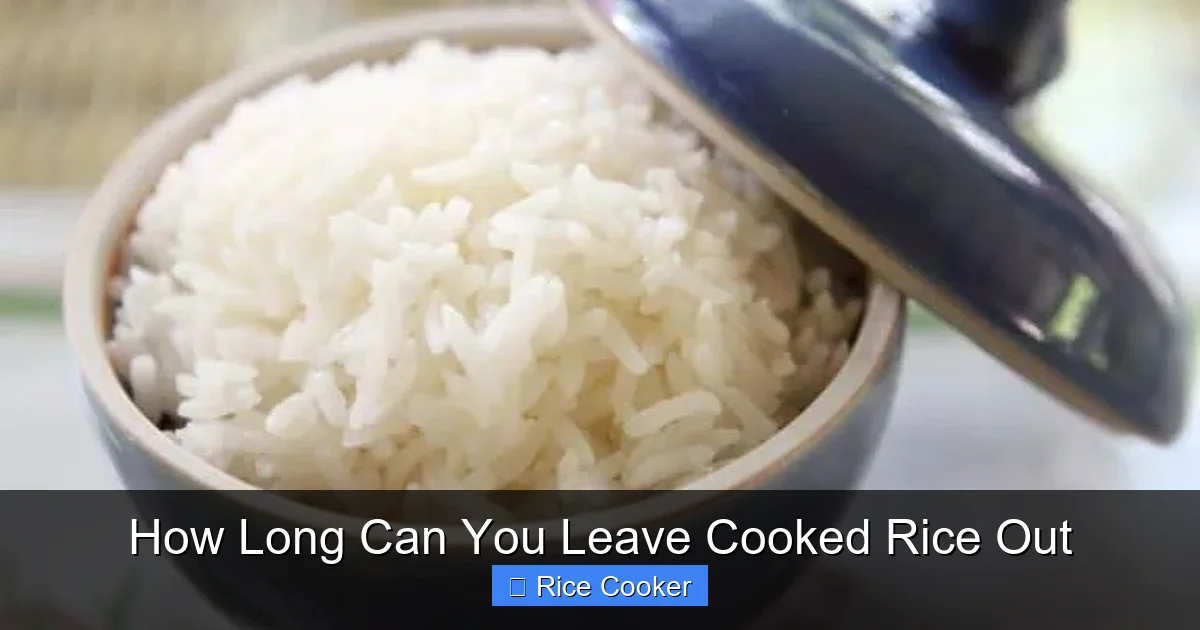
Cooked rice should not be left at room temperature for more than 2 hours, as this creates ideal conditions for harmful bacteria like Bacillus cereus to grow. Always refrigerate or freeze rice within this timeframe to maintain freshness and reduce the risk of food poisoning. Proper handling is especially important when preparing large meals or meal prepping for later consumption.
Cooking rice is one of those satisfying kitchen tasks—whether you’re making fluffy jasmine rice for Thai stir-fry or hearty brown rice for a grain bowl. But once that rice is cooked, things get tricky. You might find yourself asking: How long can you leave cooked rice out? It’s a simple question with a surprisingly important answer, especially if you’ve ever had a sudden stomachache after eating leftover dinner.
The truth is, leaving cooked rice sitting out too long can turn a delicious meal into a potential health risk. Rice isn’t just food—it becomes a perfect breeding ground for dangerous bacteria if handled improperly. In this article, we’ll walk you through everything you need to know about how long you can safely leave cooked rice out, how to store it properly, and what to do if you accidentally let it sit too long.
Whether you’re meal prepping for the week, serving a big family dinner, or just wondering what to do with last night’s leftovers, understanding rice safety is essential. We’ll cover everything from immediate storage tips to reheating best practices, so you can enjoy your rice without worry.
Key Takeaways
- Rice spoils quickly at room temperature: Cooked rice left out beyond 2 hours becomes unsafe to eat due to bacterial growth.
- Refrigeration extends shelf life: When stored properly in the refrigerator, rice lasts up to 4–6 days.
- Freezing preserves quality longer: Frozen cooked rice can stay safe for up to 1 year when sealed tightly.
- Reheating kills most bacteria: Thoroughly reheating rice to 165°F (74°C) makes it safe to consume again.
- Watch for spoilage signs: Bad smell, slimy texture, mold, or unusual color are warning signs to discard rice.
- Meal prep requires planning: Use airtight containers and label them with dates to track freshness.
- Bacillus cereus is a common culprit: This heat-resistant toxin survives cooking and thrives in warm, moist environments.
Quick Answers to Common Questions
How long can cooked rice be left out at room temperature?
Cooked rice should not be left out at room temperature for more than 2 hours, especially if the ambient temperature is above 90°F (32°C), in which case the limit drops to 1 hour. Beyond this time, harmful bacteria like Bacillus cereus can grow rapidly, increasing the risk of food poisoning.
Can you eat rice that’s been left out overnight?
No, it’s not safe to eat rice that has been left out overnight. Even if it looks and smells normal, internal bacteria may have produced heat-stable toxins that survive reheating. It’s best to discard rice that has been unrefrigerated for more than 2 hours.
How long does cooked rice last in the fridge?
When stored properly in an airtight container in the refrigerator, cooked rice remains safe for up to 4 to 6 days. After that, the risk of bacterial growth and spoilage increases, and the texture may become dry or mushy.
Is it safe to reheat rice multiple times?
No, reheating rice more than once is not recommended. Each reheating cycle can allow bacteria to multiply again, especially if the rice isn’t heated to 165°F (74°C) each time. Always reheat only the amount you plan to eat.
Does freezing rice extend its safety?
Yes, freezing cooked rice can preserve it for up to 1 year. While quality may gradually decline, properly frozen rice remains safe from bacterial growth. Just thaw and reheat thoroughly before eating.
📑 Table of Contents
- The Science Behind Rice and Bacteria Growth
- How Long Can You Leave Cooked Rice Out?
- Best Practices for Storing Cooked Rice
- Can You Reheat Rice Safely?
- Special Considerations: Rice in Different Settings
- What About Fried Rice?
- Common Myths About Rice Safety
- How to Enjoy Leftover Rice Without Risk
- Final Thoughts: When in Doubt, Throw It Out
The Science Behind Rice and Bacteria Growth
So why is cooked rice so risky? The answer lies in a bacterium called Bacillus cereus. This sneaky microbe lives in soil and grains—including uncooked rice—and can survive the cooking process. Once the rice is cooked, it becomes warm and moist, creating the perfect environment for these bacteria to multiply rapidly.
When rice is left at room temperature—especially between 40°F and 140°F (the danger zone)—Bacillus cereus can produce toxins that cause food poisoning. These toxins are heat-stable, meaning even reheating won’t destroy them. That’s why simply warming up rice doesn’t always make it safe again.
Other common culprits include Salmonella and E. coli, though they’re less likely in rice specifically. Still, cross-contamination from dirty utensils, unwashed hands, or contaminated surfaces can introduce harmful bacteria during storage or reheating.
How Long Can You Leave Cooked Rice Out?
Visual guide about How Long Can You Leave Cooked Rice Out
Image source: i.pinimg.com
The golden rule: Do not leave cooked rice at room temperature for more than 2 hours. This is the maximum time allowed by food safety guidelines from organizations like the USDA and FDA. After 2 hours, the risk of bacterial growth increases significantly, especially if the rice is kept in a warm environment (like a kitchen counter or picnic table).
Here’s a quick breakdown:
– **Room temperature (above 90°F / 32°C):** Limit to 1 hour.
– **Room temperature (below 90°F / 32°C):** Limit to 2 hours.
– **Refrigerated:** Up to 4–6 days.
– **Frozen:** Up to 1 year (quality may decrease over time).
If you’ve already left rice out overnight—say, during a holiday gathering or a late-night snack—it’s safest to throw it away. Even if it looks and smells fine, internal contamination may have occurred.
Signs Your Rice Has Gone Bad
Trust your senses (but don’t rely solely on them). While smell and appearance can help, some spoiled rice won’t show obvious signs. However, here are red flags to watch for:
– A sour or foul odor
– Slimy or sticky texture
– Mold growing on the surface
– Discoloration (grayish, greenish, or black patches)
– Unusual popping or bubbling sounds when heated
If you notice any of these, discard the rice immediately—even if you’re unsure.
Best Practices for Storing Cooked Rice
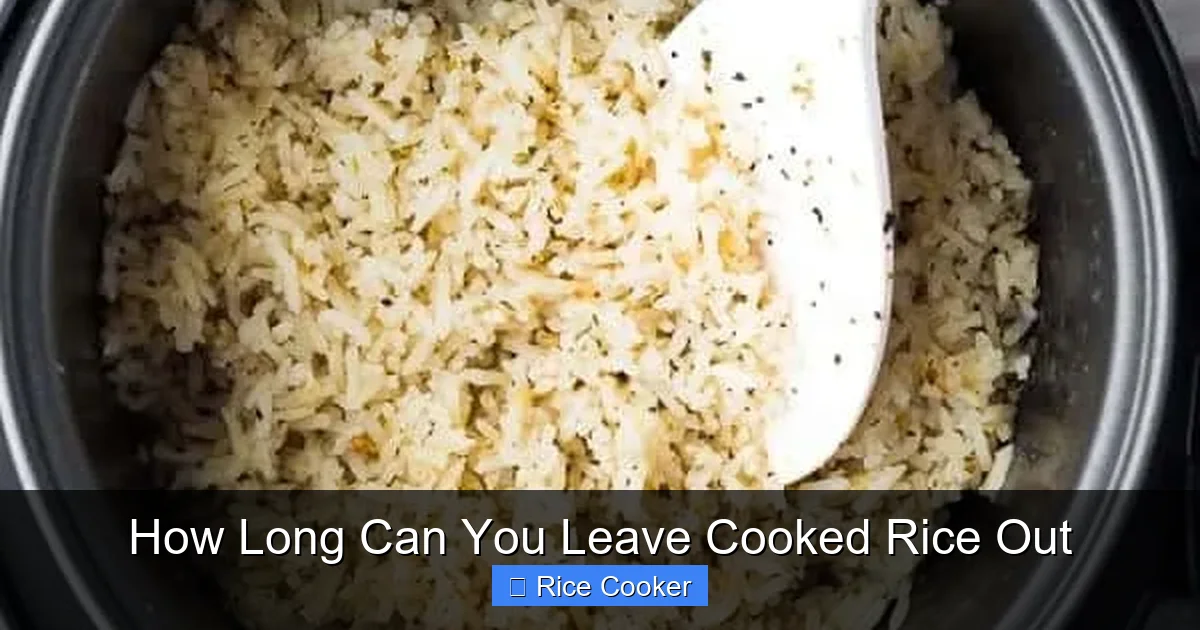
Visual guide about How Long Can You Leave Cooked Rice Out
Image source: i.pinimg.com
Proper storage is key to keeping rice safe and tasty. Here’s how to do it right:
Cool It Down Fast
Don’t let hot rice sit in a pile. Spread it out in shallow containers or place portions in ice baths to cool quickly. The faster it drops below 140°F, the safer it is.
Use Airtight Containers
Transfer cooled rice into clean, airtight containers. Glass or BPA-free plastic works well. Avoid leaving rice in the pot or on the counter—this increases exposure to air and contaminants.
Label and Date Everything
Write the date on the container. This helps you keep track of how long it’s been stored and ensures you use it before it expires. For example: “Leftover Rice – Oct 15”
Refrigerate Promptly
Place containers in the refrigerator within 2 hours of cooking. Don’t overcrowd the fridge—good airflow helps cool things down faster.
Can You Reheat Rice Safely?
Yes, you can reheat rice—but only if it was stored correctly in the first place. Follow these steps:
Bring It Back to 165°F (74°C)
Use a food thermometer to ensure the rice reaches an internal temperature of 165°F. This kills most bacteria that may have grown during storage.
Steam It, Don’t Microwave Dryly
Add a splash of water or broth to prevent drying out. Cover the dish while reheating to trap steam. Stir halfway through to distribute heat evenly.
Avoid Partial Reheating
Never reheat rice multiple times. Each cycle increases bacterial risk. Heat only what you plan to eat.
Special Considerations: Rice in Different Settings
The rules change slightly depending on where you are.
Rice at Outdoor Events or Picnics
At a barbecue or outdoor wedding? Keep rice in a cooler with ice packs until ready to serve. Use chafing dishes with lids and warming trays if needed. Never leave rice outside for more than 2 hours.
Rice in Restaurants or Buffets
Restaurants must follow strict food safety codes. If you see rice sitting under a warmer for hours, ask staff how long it’s been out. If it’s been more than 2 hours, consider skipping it.
Rice During Meal Prep or Batch Cooking
Meal preppers often cook large batches of rice on Sunday. To stay safe:
– Portion into single servings.
– Store in labeled containers.
– Freeze extras if not eating within 2–3 days.
What About Fried Rice?
Fried rice is a bit different because it’s usually cooked with oil and other ingredients. While this can slow bacterial growth, it doesn’t eliminate the risk. The same 2-hour rule applies.
Also, if fried rice contains eggs, the risk increases further. Eggs can carry Salmonella, and improper handling raises contamination chances.
Tips for Safe Fried Rice Storage
– Cool quickly after cooking.
– Store in shallow containers.
– Refrigerate within 2 hours.
– Reheat thoroughly to 165°F.
Common Myths About Rice Safety
Let’s clear up some misconceptions:
Myth: “All Rice Is Safe Because It’s Dry”
False. Cooked rice is moist enough for bacteria to thrive. Dryness doesn’t protect against Bacillus cereus.
Myth: “Boiling Rice Again Makes It Safe”
Partially true—boiling kills bacteria, but if the rice already produced toxins before boiling, they remain. So timing matters more than reheating method.
Myth: “Rice Lasts Forever in the Fridge”
No. Even refrigerated rice loses quality over time. Texture, flavor, and nutritional value decline after 4–6 days.
How to Enjoy Leftover Rice Without Risk
You don’t have to waste good rice. Here are creative, safe ways to reuse leftovers:
– Add to soups or stews for extra body.
– Make rice pudding with milk, cinnamon, and sugar.
– Turn into rice salads with veggies, herbs, and vinaigrette.
– Use in fried rice with scrambled eggs and mixed vegetables.
– Bake into rice casseroles with cheese and broccoli.
Just remember: always check storage time and reheat properly.
Final Thoughts: When in Doubt, Throw It Out
Food safety isn’t worth guessing. If you’re unsure whether rice has been stored safely, it’s better to discard it. A few dollars in wasted rice won’t cost much compared to a costly doctor’s visit or hospital stay.
By following simple rules—cool fast, refrigerate early, reheat thoroughly—you can enjoy rice safely every time. Whether you’re using a rice cooker, stove, or microwave, the principles stay the same.
Next time you cook rice, take a moment to portion and store it right. Your future self will thank you, and so will your stomach.
Frequently Asked Questions
===
How long can you leave cooked rice out at room temperature?
Cooked rice should not be left at room temperature for more than 2 hours, particularly if the surrounding temperature exceeds 90°F (32°C), in which case the safe window drops to just 1 hour. Exceeding this time frame allows dangerous bacteria like Bacillus cereus to multiply rapidly.
Can you eat rice that’s been sitting out for 3 hours?
If the room temperature is below 90°F, rice left out for 3 hours is likely unsafe. The general guideline is no more than 2 hours at room temperature. Beyond that, bacterial growth becomes significant, and consuming it poses a risk of food poisoning.
How long does cooked rice last in the fridge?
Properly stored in an airtight container, cooked rice can last in the refrigerator for 4 to 6 days. After this period, the likelihood of bacterial contamination increases, and the rice may develop off-flavors or textures.
Is it safe to reheat leftover rice?
Yes, but only if the rice was stored correctly in the first place. Reheat rice to an internal temperature of 165°F (74°C) and add moisture to prevent dryness. Never reheat rice multiple times or consume it if it shows signs of spoilage.
Should you rinse rice before cooking to reduce bacteria?
No, rinsing rice before cooking is not necessary for safety. In fact, washing rice may remove nutrients and starch. Cooking rice at high temperatures effectively kills most bacteria, including Bacillus cereus spores.
Can I freeze cooked rice for long-term storage?
Yes, cooked rice freezes well and stays safe for up to 1 year when stored in an airtight container or freezer bag. Thaw in the refrigerator and reheat thoroughly before eating to ensure safety.