
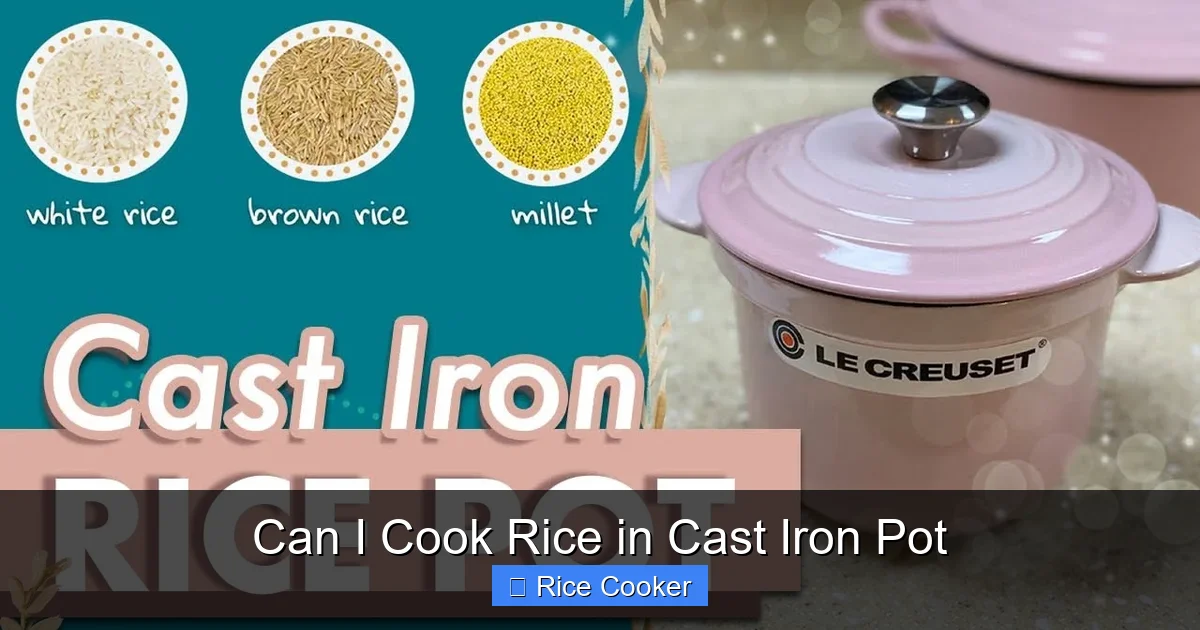
Yes, you can absolutely cook rice in a cast iron pot! With the right preparation and technique, cast iron delivers perfectly fluffy rice with rich flavor and even heat distribution. This guide walks you through everything—from choosing the right pot to timing and cleanup—so your next batch of rice turns out golden and tender.
Key Takeaways
- Cast iron is excellent for rice cooking due to its superior heat retention and even distribution, preventing scorching and ensuring uniform texture.
- Use the 1:2 rice-to-water ratio as a starting point, but adjust based on rice type and desired consistency—jasmine needs more water than basmati.
- Preheat the cast iron pot before adding ingredients to jumpstart the cooking process and reduce sticking.
- Cover tightly with a lid to trap steam, which is essential for fluffy, fully cooked grains.
- Let the rice rest after cooking for 5–10 minutes to absorb remaining moisture and achieve ideal texture.
- Clean gently with warm water—avoid harsh scrubbing or soaking to preserve the seasoning.
- Experiment with flavors by adding broth, herbs, or aromatics directly into the cast iron for richer taste.
📑 Table of Contents
- Can I Cook Rice in Cast Iron Pot?
- The Science Behind Cooking Rice in Cast Iron
- Choosing the Right Cast Iron Pot for Rice
- Step-by-Step Guide: How to Cook Rice in Cast Iron
- Troubleshooting Common Rice Mistakes
- Flavoring Your Rice Like a Pro
- Brown Rice vs. White Rice: Does It Make a Difference?
- Cleanup Tips for Your Cast Iron Pot
- Final Thoughts: Why Cast Iron Wins for Rice
Can I Cook Rice in Cast Iron Pot?
Imagine this: You’re preparing dinner, craving a warm bowl of fluffy jasmine rice to go with your stir-fry. You reach for your favorite cast iron skillet—a kitchen workhorse trusted for searing steaks, baking cornbread, and frying up eggs. But can you also use it to cook rice? The short answer is yes—absolutely. In fact, many home cooks swear by cast iron for rice, thanks to its unmatched heat control and ability to create restaurant-quality results at home.
Cooking rice in a cast iron pot isn’t just possible; it’s often preferred by culinary enthusiasts who value flavor, texture, and tradition. Whether you’re making sushi rice, pilaf, or plain steamed white rice, the right cast iron setup can elevate your dish from ordinary to extraordinary. In this comprehensive guide, we’ll walk you through everything you need to know—from selecting the perfect pan to mastering timing and cleanup. Let’s dive in and turn your cast iron into a rice-cooking powerhouse.
The Science Behind Cooking Rice in Cast Iron
Why Cast Iron Excels for Rice
At first glance, cast iron might seem like an unlikely candidate for delicate tasks like cooking rice. After all, it’s heavy, prone to rust, and requires careful maintenance. But when it comes to rice, cast iron shines for several scientific reasons. Its high thermal mass means it absorbs heat quickly and maintains a steady temperature throughout the cooking process. This prevents hot spots that could burn the bottom of your rice while leaving the top undercooked.
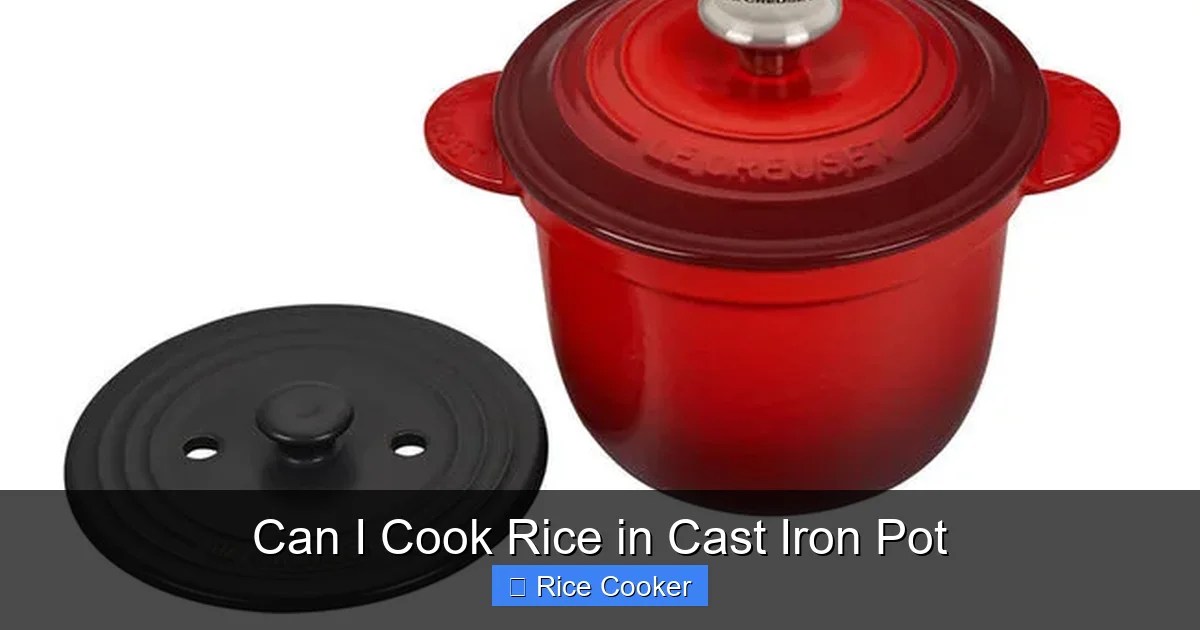
Visual guide about Can I Cook Rice in Cast Iron Pot
Image source: cdn.shoplightspeed.com
Additionally, cast iron distributes heat evenly across its surface, ensuring every grain gets the same treatment. Unlike thin aluminum pans that cool down fast, cast iron holds warmth like a cozy blanket—ideal for simmering rice gently without boiling over or drying out. This steady, low-and-slow approach is key to achieving that perfect balance of tenderness and fluffiness.
Rice vs. Other Grains: What Makes It Unique?
Not all grains behave the same in cast iron. Rice, especially long-grain varieties like jasmine or basmati, has a unique starch structure that responds well to controlled hydration and heat. When cooked properly, the starches gelatinize, creating separation between grains—the hallmark of fluffy rice.
Other grains like quinoa or barley require different ratios and times, but rice’s predictable cooking curve makes it especially forgiving—even in a heavy-duty pan like cast iron. That said, short-grain sticky rice (like sushi rice) needs extra attention to avoid clumping, so we’ll cover those nuances too.
Choosing the Right Cast Iron Pot for Rice
Skillet vs. Dutch Oven: Which Is Better?
Not all cast iron pots are created equal. For rice, you have two main options: a cast iron skillet or a Dutch oven. Each has pros and cons depending on your recipe and kitchen setup.
- Cast Iron Skillet: Great for smaller batches (2–4 servings). Ideal if you want to sear onions or garlic before adding rice. Use a skillet with a tight-fitting lid—preferably enameled cast iron (like Le Creuset or Lodge) to prevent sticking.
- Cast Iron Dutch Oven: Better for larger quantities (6+ servings). Offers more volume and better heat retention. Traditional cast iron dutch ovens are excellent but may require more water since they hold less moisture.
If you’re new to cooking rice in cast iron, start with an enameled skillet. It’s easier to clean, less reactive with acidic ingredients, and gentler on the seasoning.
Size Matters: How Much Rice Can You Cook?
As a general rule, match your pot size to your portion needs. A 10-inch skillet works well for 1–2 cups uncooked rice, while a 12-inch dutch oven handles 3–4 cups. Going too small risks overcrowding, which leads to mushy rice. Too large, and you might waste energy or end up with uneven cooking.
Pro tip: Measure your rice first. One cup of uncooked white rice typically yields about 3 cups cooked—perfect for most families.
Step-by-Step Guide: How to Cook Rice in Cast Iron
Ingredients & Equipment You’ll Need
Before you begin, gather these essentials:
- 1 cup long-grain rice (white, jasmine, basmati)
- 2 cups water or broth (adjust as needed)
- Cast iron pot with lid (enameled preferred)
- Fine-mesh strainer
- Cutting board and knife
- Wooden spoon or spatula
- Measuring cups
Preparation: Washing and Soaking (Optional)
Most modern rice doesn’t need washing, but if your package says “washed” or you prefer cleaner-tasting rice, rinse it under cold water until the water runs clear. This removes excess starch and prevents stickiness.
Soaking is optional but helpful for certain types. Jasmine or sushi rice benefits from a 15–30 minute soak to plump up evenly. Just drain thoroughly before cooking.
Step 1: Heat the Pan and Add Oil
Place your cast iron pot over medium heat. Once hot (about 2–3 minutes), add 1 teaspoon of oil (neutral like canola or vegetable). Swirl to coat the bottom and sides. This creates a light barrier that helps prevent sticking—especially important since cast iron can be unforgiving when cold.
Step 2: Toast the Rice (Optional but Recommended)
Add your rinsed (or soaked) rice to the hot oil. Stir gently for 1–2 minutes until grains become slightly translucent and fragrant. This step, called toasting, enhances nutty flavors and improves texture. It’s especially effective with brown rice or when using broth instead of water.
Step 3: Add Liquid and Bring to Boil
Pour in your liquid (water, broth, or a mix). Stir once, then bring to a rolling boil over high heat. Cover immediately with a tight-fitting lid.
Step 4: Reduce Heat and Simmer
Once boiling, reduce heat to low. Let it simmer undisturbed for 18–20 minutes (white rice) or 40–45 minutes (brown rice). Avoid lifting the lid—steam is your friend here!
Step 5: Rest and Fluff
After cooking, turn off the heat and let the rice sit covered for 5–10 minutes. This resting period allows residual steam to finish cooking the center and hydrate any dry edges. Then, gently fluff with a fork to separate the grains.
Troubleshooting Common Rice Mistakes
Rice Sticks to the Bottom
This usually happens when the pan isn’t hot enough or oil isn’t used. Always preheat and add oil before rice. If scorching occurs mid-cook, add a splash of hot water and lower the heat immediately.
Rice Is Mushy or Gluey
Overcooked rice absorbs too much water. Check near the end—if the surface feels wet, remove from heat and rest longer. Also, don’t lift the lid during cooking. And remember: stickier rice (like arborio) behaves differently—use a shorter cook time.
Rice Is Undercooked in the Center
Undercooked rice means insufficient liquid or heat loss. Ensure your lid fits tightly. If using a traditional bare cast iron dutch oven, place a towel under the lid to seal gaps. Also, verify your water ratio—it should be 1:2 for white rice.
Water Evaporates Too Quickly
If your cast iron dries out fast, reduce heat slightly and consider covering with foil for the last 5 minutes. Enameled pans retain moisture better, so they’re less prone to this issue.
Flavoring Your Rice Like a Pro
Broth Instead of Water
Swap water for chicken, vegetable, or beef broth to infuse deep umami flavor. Add a bay leaf, garlic clove, or onion slice while simmering for extra aroma.
Add Herbs and Spices
Try turmeric for golden basmati, cumin for Spanish-style rice, or lemon zest for Mediterranean flair. Just add them with the rice—no need to sauté separately.
Salt Timing
Add salt with the liquid. Dissolving it early ensures even distribution without overpowering individual grains.
Brown Rice vs. White Rice: Does It Make a Difference?
Brown rice takes longer to cook due to its bran layer. Use a 1:2.5 ratio (1 cup rice to 2.5 cups water) and extend cooking time to 40–45 minutes. Brown rice also benefits from soaking beforehand to soften the hull.
White rice cooks faster and is more forgiving for beginners. Stick to 18–20 minutes and monitor closely toward the end.
Cleanup Tips for Your Cast Iron Pot
Don’t Soak It
Avoid submerging your cast iron in water. Rinse immediately with warm water and a soft sponge. For stubborn bits, use coarse salt and a cloth—not steel wool.
Re-season Sparingly
If food sticks badly, dry the pan completely on the stove, then rub with a thin layer of oil and heat until smoke appears. Let cool. This rebuilds the non-stick surface.
Store Properly
Always store dry in a cool, dry place. Never stack heavy pots on top unless separated by cloth.
Final Thoughts: Why Cast Iron Wins for Rice
Cooking rice in cast iron isn’t just about convenience—it’s about connection. There’s something deeply satisfying about using a tool passed down through generations to create a simple, nourishing meal. The even heat, rich flavor development, and rustic charm make every bowl memorable.
Whether you’re feeding a family or impressing guests, mastering rice in cast iron gives you control, confidence, and creativity in the kitchen. Start today with a small batch, adjust your technique, and soon you’ll wonder why you ever used anything else.
Remember: practice makes perfect. Even seasoned chefs tweak their methods—so don’t be afraid to experiment with flavors, ratios, and timings. Your cast iron pot is ready. Now go make some amazing rice.
Frequently Asked Questions
Can I cook rice directly in a cast iron skillet?
Yes, you can cook rice in a cast iron skillet, but only if it has a tight-fitting lid. Use an enameled skillet to prevent sticking and simplify cleanup. Follow standard rice ratios and cooking times.
Do I need to preheat my cast iron pot before cooking rice?
It’s best to preheat the cast iron lightly before adding oil and rice. This helps prevent sticking and promotes even cooking from the start.
What’s the best ratio of water to rice for cast iron cooking?
Use a 1:2 ratio (one part rice to two parts liquid) for white rice. Adjust slightly based on rice type—jasmine may need a bit more water, while basmati can use slightly less.
Can I cook sushi rice in cast iron?
Yes, but sushi rice is sticky, so rinse thoroughly and use minimal water (about 1:1.1). Cook slowly and fluff gently with a fork after resting to avoid mushing the grains.
How do I prevent rice from burning in cast iron?
Maintain medium-low heat after boiling, ensure proper oil coating, and never lift the lid during cooking. If burning occurs, add a splash of hot water and lower the heat immediately.
Is it okay to cook rice in a bare (non-enameled) cast iron pot?
Yes, but bare cast iron requires more care. Season it well, monitor closely, and avoid acidic ingredients that can strip the seasoning. Enameled versions are easier for beginners.