
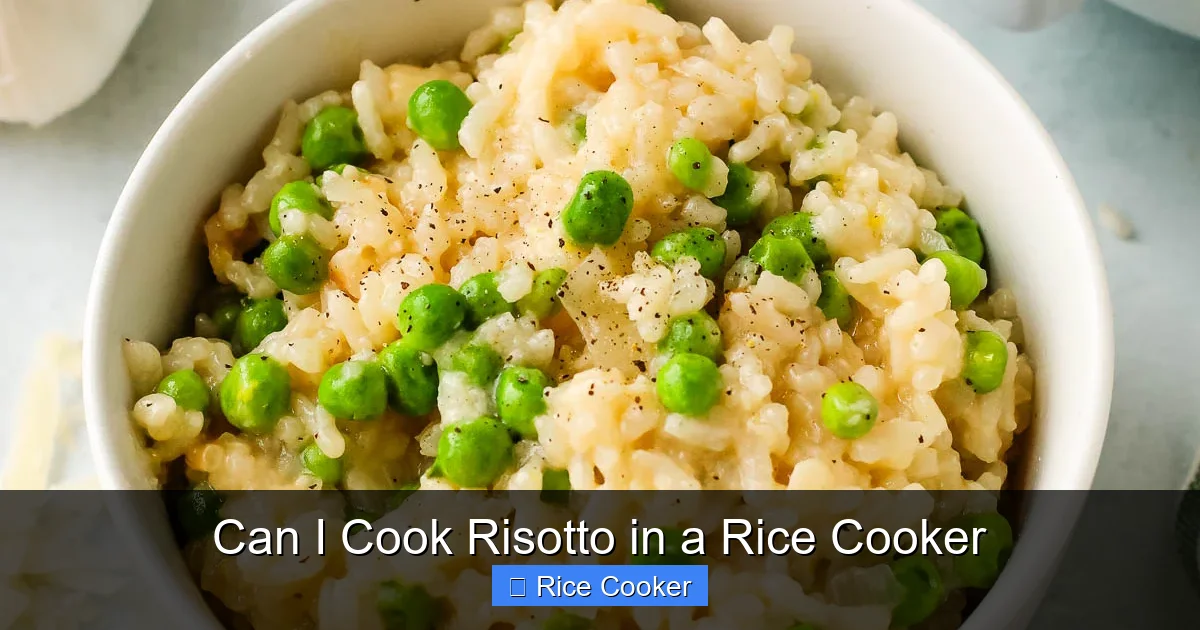
Yes, you can absolutely cook risotto in a rice cooker—and it’s simpler than you think! This method delivers creamy, restaurant-quality results with minimal effort. With the right technique, your rice cooker becomes a powerful tool for mastering this beloved Italian dish.
Key Takeaways
- Yes, risotto works in a rice cooker: Modern rice cookers with “risotto” or “congee” modes make the process hands-off and consistent.
- Cooking time is faster: Expect about 18–25 minutes total—much quicker than traditional stovetop stirring.
- Use the right rice: Arborio, Carnaroli, or Vialone Nano are ideal because of their high starch content.
- Add broth gradually: Even in a rice cooker, adding warm liquid slowly helps build creaminess.
- Don’t skip the final stir: A quick mix after cooking ensures even texture and prevents sticking.
- Customize easily: Add mushrooms, saffron, cheese, or herbs during the last few minutes for extra flavor.
- Clean-up is easier: Most rice cookers have non-stick inner pots, making cleanup a breeze.
Quick Answers to Common Questions
Can I use any type of rice in my rice cooker for risotto?
No, only short-grain varieties like Arborio, Carnaroli, or Vialone Nano work best due to their high starch content, which creates the creamy texture essential for risotto.
Do I really need a special risotto setting?
Not necessarily. While dedicated settings help, most rice cookers can make risotto using the “white rice” or manual mode if you add broth gradually and monitor progress.
How long does it take to cook risotto in a rice cooker?
About 18–25 minutes total, depending on your model and rice type. This includes sautéing, adding broth, and final absorption.
Why is my risotto too dry or too wet?
Too dry usually means you didn’t add enough broth or waited too long between additions. Too wet indicates excess liquid—simmer uncovered briefly to reduce.
Can I add vegetables or meat during cooking?
Absolutely! Sauté mushrooms or add cooked shrimp during the last 5–10 minutes so they heat through without becoming rubbery.
📑 Table of Contents
- Can You Really Make Risotto in a Rice Cooker?
- Why Consider Using a Rice Cooker for Risotto?
- What Type of Rice Is Best for Risotto?
- Choosing the Right Rice Cooker for Risotto
- Step-by-Step Guide: How to Cook Risotto in a Rice Cooker
- Common Mistakes and How to Fix Them
- Tips for Perfect Every Time
- Conclusion: Embrace the Simplicity
Can You Really Make Risotto in a Rice Cooker?
Picture this: It’s a busy weekday evening. You want something impressive but not time-consuming. Dinner guests are coming over, and you’ve decided on risotto—creamy, rich, and undeniably comforting. But you don’t have hours to stand at the stove, constantly stirring and checking consistency. What do you do?
Enter the humble rice cooker—a kitchen appliance many consider only for plain white rice. Yet, thanks to advanced settings like “risotto” or “slow cook,” these devices can do far more than just steam grains. In fact, cooking risotto in a rice cooker is not only possible but often yields superior results when done correctly. The key lies in understanding how heat distribution, moisture control, and timing work together in your machine.
In this guide, we’ll walk you through everything you need to know about making risotto in a rice cooker—from choosing the right equipment to perfecting flavor. Whether you’re a beginner or an experienced cook looking to simplify your routine, you’ll learn why this method might become your new favorite way to prepare one of Italy’s most-loved dishes.
Why Consider Using a Rice Cooker for Risotto?
The Appeal of Convenience Without Compromise
Traditional risotto requires constant attention—stirring, tasting, adjusting—which can be stressful during busy meals. A rice cooker removes much of that guesswork. Once you add ingredients and press start, the appliance handles heating, timing, and sometimes even gentle simmering automatically. That means you can prep other parts of your meal while the risotto cooks itself.
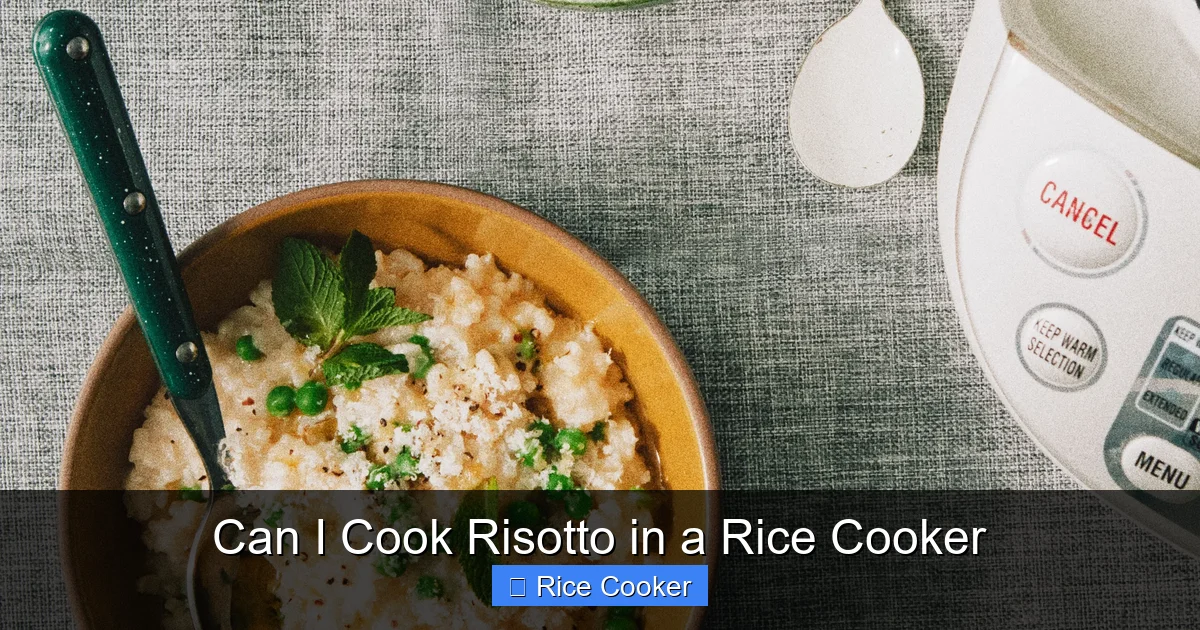
Visual guide about Can I Cook Risotto in a Rice Cooker
Image source: assets.bonappetit.com
Modern rice cookers also offer precision that stovetop cooking sometimes lacks. Many models come with multiple settings—like “quick cook,” “warm,” or specialized “risotto” modes—that adjust temperature and cycle times based on the grain type. This consistency leads to more reliable outcomes, especially if you’re new to making risotto.
Even Heat Distribution = Better Texture
Unlike gas or electric burners, which create hot spots, most rice cookers use induction or conduction heating elements that spread warmth evenly across the bottom of the pot. This uniform heat helps the rice absorb liquid steadily, reducing the risk of scorching or uneven cooking. As a result, your risotto develops a smoother, silkier mouthfeel—closer to what you’d get from a professional chef.
Plus, since there’s no open flame, you won’t accidentally overheat the mixture. Overheating causes starches to break down too quickly, leading to mushy or gummy risotto—a common pitfall for beginners. With a rice cooker, you avoid that entirely.
What Type of Rice Is Best for Risotto?
Stick to Short-Grain Varieties
If you’re serious about risotto—whether on the stovetop or in a rice cooker—you must choose the right rice. Not all short-grain types perform equally well. Here’s why:
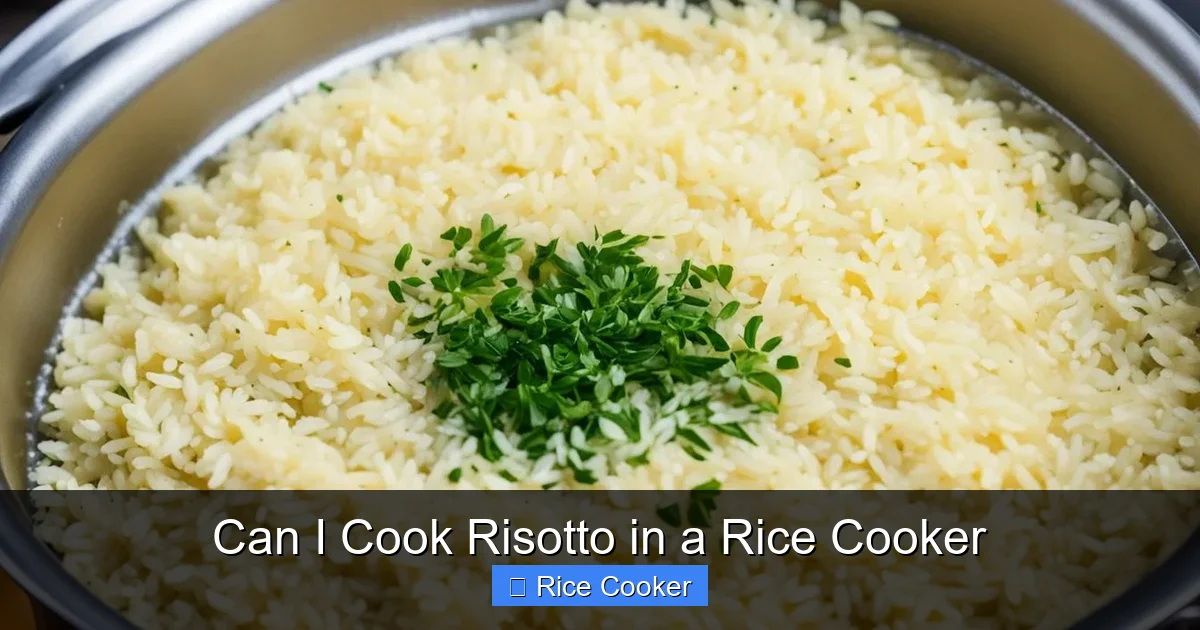
Visual guide about Can I Cook Risotto in a Rice Cooker
Image source: ricecookerjunkie.com
- Arborio: The most popular choice worldwide. High in amylopectin (a starch that releases creaminess), it holds its shape while becoming tender and slightly chewy.
- Carnaroli: Often called the “king of risotto rice.” It has even higher starch content than Arborio and resists overcooking, making it forgiving for beginners.
- Vialone Nano: Small, oval-shaped grains from Italy’s Veneto region. They produce exceptionally smooth risottos with delicate flavor.
Avoid long-grain rice (like jasmine or basmati) or instant varieties. These lack the necessary starch structure to create that signature creamy texture.
Measure Accurately
For risotto, the standard ratio is roughly 1½ cups liquid per cup of dry rice. However, some recipes call for less water because the rice continues absorbing liquid even after the cycle ends. Always check your specific recipe first, but keep in mind that different rice cooker models may require slight adjustments.
Choosing the Right Rice Cooker for Risotto
Look for Specific Features
Not all rice cookers are created equal. To make risotto successfully, look for these traits:
- Risotto or Congee Mode: Some machines have preset programs designed specifically for creamy grains. These usually involve a longer initial boil followed by a gentle simmer.
- Non-Stick Inner Pot: Makes cleanup easier and ensures the rice doesn’t stick during cooking.
- Lid Lock or Steam Release Valve: Prevents pressure buildup and keeps moisture locked in.
- Large Capacity (at least 6 cups uncooked): Gives you room to stir and add toppings later.
If your current rice cooker doesn’t have a dedicated risotto setting, you can still make it work using the “white rice” or “manual” mode—just follow our step-by-step instructions below.
Popular Models Worth Considering
While personal preference matters, here are three highly rated rice cookers known for excellent risotto performance:
- Zojirushi NS-ZCC10: Known for precise temperature control and reliable results.
- Tiger JKT-D06GI: Features fuzzy logic technology that adapts to ingredient changes.
- Cuisinart CRC-400: Affordable yet effective, with a keep-warm function that maintains ideal serving temperature.
Remember, even budget-friendly models can handle risotto if used properly. The trick isn’t always the brand—it’s how you use it.
Step-by-Step Guide: How to Cook Risotto in a Rice Cooker
Gather Your Ingredients First
Before turning on your appliance, prep everything. Risotto benefits from fresh ingredients and proper mise en place. Here’s what you’ll typically need:
- 1½ cups Arborio or Carnaroli rice
- 4–5 cups warm chicken or vegetable broth
- ¼ cup dry white wine (optional)
- 1 small onion or shallot, finely diced
- 2 tbsp butter + 1 tbsp olive oil
- Salt and freshly ground black pepper
- Optional add-ins: Parmesan cheese, sautéed mushrooms, peas, thyme
Preheat and Sauté Aromatics
Set your rice cooker to “Sauté” or “Keep Warm” mode (some models auto-switch). Add butter and olive oil. Once melted, toss in the onion and cook until translucent—about 3–4 minutes. Avoid browning; we want soft, sweet aromatics, not caramelized bits.
This step builds depth of flavor. If you skip it, your risotto will taste flat.
Add Rice and Toast Briefly
Stir in the rice and let it cook for 1–2 minutes. This toasting phase coats each grain with fat, locking in aroma and preventing mushiness. You should hear a faint sizzling sound and notice the rice becoming slightly translucent around the edges.
Pour in Wine (If Using)
Deglaze the pan with wine. Let it bubble away until nearly evaporated—this removes raw alcohol taste and adds brightness. Scrape up any browned bits stuck to the bottom—they’re full of flavor!
Begin Adding Broth Gradually
Now comes the critical part: adding liquid. Instead of dumping all the broth in at once, pour about 1 cup at a time. Wait until most of it’s absorbed before adding more. On manual or white-rice settings, this may take 15–20 minutes total.
On a dedicated risotto setting, the machine may pulse between boiling and simmering phases to mimic hand-stirring. Trust the process—don’t open the lid unnecessarily, as steam escapes and affects timing.
Finish with Cheese and Seasoning
Once the rice is al dente (tender with a slight bite in the center), turn off the heat. Stir in grated Parmesan, a knob of butter, salt, and pepper. Cover and let sit for 2–3 minutes—this resting period allows residual heat to finish cooking and thickens the sauce naturally.
Fluff and Serve Immediately
Give it one final stir. The texture should be creamy but not gluey. If it’s too thick, splash in a bit of warm broth. If too thin, simmer uncovered for 2–3 minutes longer. Serve hot with extra cheese, chopped parsley, or your favorite protein.
Common Mistakes and How to Fix Them
Mistake #1: Using Too Much Liquid
Overloading the cooker with broth leads to soupy, undercooked risotto. Stick to recommended ratios and add liquid incrementally.
Mistake #2: Not Preheating Properly
Cold rice won’t toast evenly, resulting in uneven texture. Always sauté onions and rice on medium heat first.
Mistake #3: Opening the Lid Frequently
Steam loss disrupts cooking cycles. Only peek when necessary—usually after the final absorption stage.
Mistake #4: Skipping the Resting Phase
Risotto continues cooking after power-off. Letting it rest ensures perfect consistency and allows flavors to meld.
Mistake #5: Wrong Rice Type
As mentioned earlier, low-starch rice won’t yield creaminess. Double-check labels—“medium grain” isn’t enough.
Tips for Perfect Every Time
- Use Warm Broth: Cold liquid slows cooking and creates temperature shock, which can cause uneven absorption.
- Stir Gently After Cooking: A wooden spoon or spatula helps redistribute heat and prevent clumping.
- Experiment with Flavors: Try smoked paprika, truffle oil, sun-dried tomatoes, or roasted garlic for unique twists.
- Make Ahead (Sort Of): Leftover risotto reheats beautifully in the microwave with a splash of milk or broth.
- Clean While Hot: Wipe the inner pot immediately after use—rice dries into hard crusts otherwise.
Conclusion: Embrace the Simplicity
Cooking risotto in a rice cooker isn’t just a shortcut—it’s a smarter approach. By combining modern appliance technology with classic techniques, you eliminate stress while maximizing flavor and texture. No more frantic stirring, no more burnt bottoms, no more guessing games.
Whether you’re hosting dinner parties or whipping up weeknight comfort food, this method delivers consistent, restaurant-worthy results with minimal effort. And honestly? There’s something deeply satisfying about watching your rice cooker do the heavy lifting while you focus on enjoying life—or at least prepping side dishes.
So next time you crave risotto, don’t reach for the stovetop. Fire up that rice cooker instead. Your taste buds (and your schedule) will thank you.
Frequently Asked Questions
Is risotto healthier than regular rice?
Risotto isn’t inherently healthier, but it uses nutrient-rich ingredients like broth, cheese, and vegetables. Moderation is key due to added fats and sodium.
Can I make vegetarian risotto in a rice cooker?
Yes! Use vegetable broth instead of chicken stock and add ingredients like spinach, artichokes, or roasted peppers for flavor and nutrition.
What if my rice cooker doesn’t have a risotto mode?
You can still make risotto by selecting the “white rice” setting and manually adding broth in stages, stirring occasionally to monitor consistency.
How do I store leftover risotto?
Store in an airtight container in the fridge for up to 3 days. Reheat gently on the stove with a splash of broth or milk to restore creaminess.
Can I freeze risotto?
Yes, but texture may change slightly upon thawing. Cool completely, portion into containers, and freeze for up to 2 months. Thaw overnight in the fridge before reheating.
Does the brand of rice cooker matter for risotto?
Not as much as you might think. While premium models offer more features, even basic rice cookers can produce great risotto with careful technique and attention to detail.