

Can you cook bulgur in a rice cooker? Absolutely! With the right ratio and a few simple steps, your rice cooker can produce perfectly cooked, tender bulgur just like rice. This method saves time, reduces cleanup, and works great for salads, side dishes, or breakfast bowls. Whether you’re new to bulgur or a seasoned cook looking to simplify your routine, this quick and foolproof technique makes it easier than ever to enjoy this ancient grain.
Key Takeaways
- Yes, you can cook bulgur in a rice cooker—it’s fast, easy, and requires no special equipment beyond what you already own.
- The ideal water-to-bulgur ratio is 2:1 (water to bulgur), though adjustments may be needed based on texture preference.
- Cooking time is typically 15–20 minutes, depending on the coarseness of the bulgur and your rice cooker model.
- Bulgur becomes fluffy and tender when cooked properly, making it perfect for tabbouleh, pilafs, or breakfast porridge.
- Always rinse bulgur before cooking to remove excess starch and prevent clumping.
- You can add flavorings during cooking like broth, herbs, or spices without affecting the result.
- A rice cooker helps maintain consistent heat, ensuring even cooking and reducing the risk of burning.
Quick Answers to Common Questions
Can I substitute broth for water when cooking bulgur in a rice cooker?
Absolutely! Using broth instead of water adds richness and flavor to your bulgur. Just keep the same 2:1 ratio of liquid to bulgur.
How long does cooked bulgur last in the refrigerator?
Cooked bulgur stays fresh in an airtight container for up to 5 days in the refrigerator. Always check for spoilage before eating.
Can I cook bulgur in a slow cooker instead?
Yes, but it requires longer cooking times (about 1–1.5 hours on low) and constant stirring to prevent sticking. A rice cooker remains the simplest option.
Is bulgur gluten-free?
No, bulgur contains gluten because it’s made from wheat. People with celiac disease or gluten sensitivity should avoid it.
Can I cook bulgur ahead of time for meal prep?
Definitely! Cook a large batch, let it cool completely, then store in jars or containers. It reheats well on the stovetop or microwave.
📑 Table of Contents
- Can You Cook Bulgur in a Rice Cooker? The Simple Answer
- Why Use a Rice Cooker for Bulgur?
- Choosing the Right Type of Bulgur
- Step-by-Step Guide: How to Cook Bulgur in a Rice Cooker
- Troubleshooting Common Issues
- Creative Ways to Use Cooked Bulgur
- Tips for Perfect Bulgur Every Time
- Conclusion: Simplicity Meets Nutrition
Can You Cook Bulgur in a Rice Cooker? The Simple Answer
Have you ever stood over a pot of boiling water, stirring constantly, trying to get that perfect texture with bulgur? Or maybe you love bulgur but dread the extra cleanup and attention required? If so, you’re not alone. Many home cooks wonder if there’s an easier way—and the good news is: yes, you can absolutely cook bulgur in a rice cooker.
Rice cookers weren’t originally designed for grains like bulgur, but their precise temperature control and automated cooking cycle make them surprisingly effective. In fact, using a rice cooker for bulgur is one of the most convenient methods available today. It requires minimal monitoring, uses just one pot, and delivers consistently fluffy results every time. Plus, it frees up your stovetop for other dishes.
In this complete guide, we’ll walk you through everything you need to know about cooking bulgur in a rice cooker—from choosing the right kind of bulgur to troubleshooting common issues. Whether you’re making a Mediterranean salad, a hearty breakfast bowl, or a savory side dish, this method will save you time and effort while delivering delicious results.
Why Use a Rice Cooker for Bulgur?
The Convenience Factor
One of the biggest advantages of using a rice cooker is convenience. Unlike traditional stovetop cooking, where you must watch the pot closely to avoid boiling over or burning, a rice cooker does all the work automatically. Once you add the ingredients and press start, you can focus on chopping vegetables, setting the table, or even relaxing with a cup of tea.

Visual guide about Can You Cook Bulgur in a Rice Cooker
Image source: temeculablogs.com
This hands-off approach is especially helpful for busy weekdays. Imagine coming home tired after work and realizing you forgot to soak your lentils or pre-soak your beans. A rice cooker handles those tasks with ease—just like it can handle bulgur.
Consistent Results Every Time
Rice cookers maintain a steady internal temperature throughout the cooking process, which means your bulgur won’t be undercooked in some spots and mushy in others. This consistency is hard to achieve on the stove, where heat fluctuates depending on burner size and flame intensity.
Additionally, many modern rice cookers come with specialized settings for different grains—some even have a “porridge” or “quinoa” mode that works beautifully with bulgur. Even if yours doesn’t, the basic white rice setting usually does the trick.
Less Mess, Less Cleanup
Cooking on the stove often leads to splatters, sticky residue, and scrubbing pans afterward. With a rice cooker, everything stays contained inside the inner pot. After cooking, simply remove the insert and rinse it with warm water—no soaking necessary. Most non-stick models make cleanup a breeze.
Choosing the Right Type of Bulgur
Understanding Bulgur Grades
Not all bulgur is created equal. There are three main types, each with a different texture and cooking time:
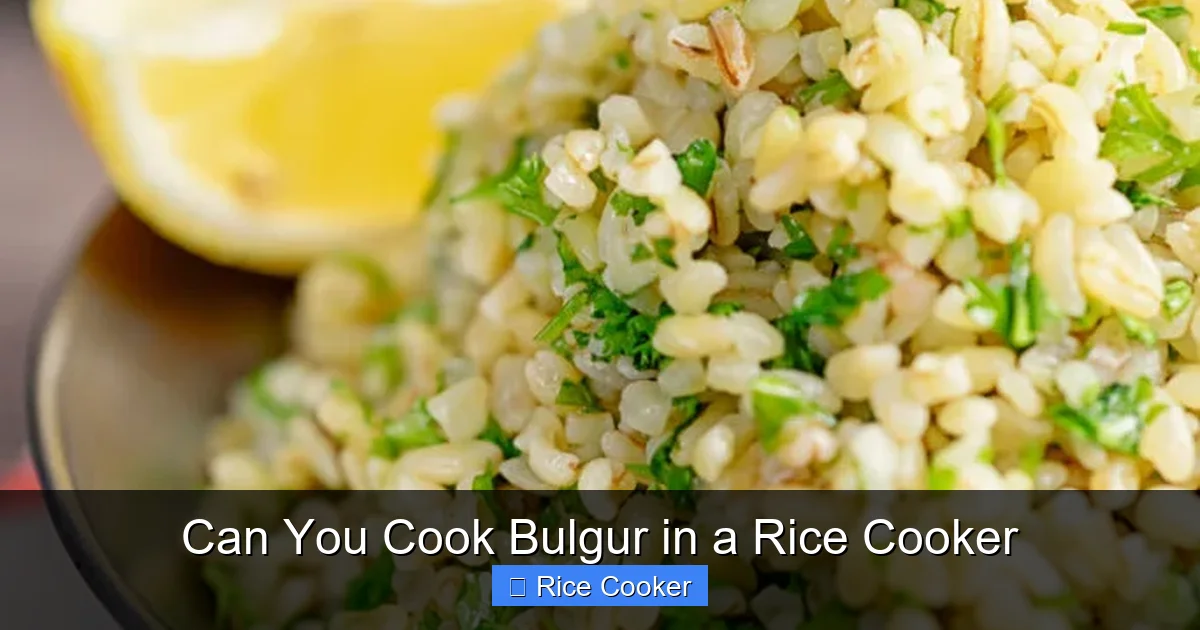
Visual guide about Can You Cook Bulgur in a Rice Cooker
Image source: krumpli.co.uk
- Fine bulgur (also called “bulghur”): Smallest particles, cooks fastest, best for tabbouleh or stuffing.
- Medium bulgur: Versatile choice, cooks in about 15 minutes, great for pilafs and soups.
- Coarse bulgur: Larger pieces, takes longer to cook, ideal for grain bowls and hearty dishes.
For beginners, medium bulgur strikes the best balance between speed and texture. Fine bulgur can become too soft if overcooked, while coarse bulgur might remain chewy unless given enough time.
Freshness Matters
Check the expiration date on your bulgur package. Old or stored improperly can develop off-flavors or become dusty. Store unopened bags in a cool, dry place, and once opened, transfer contents to an airtight container to preserve freshness.
Step-by-Step Guide: How to Cook Bulgur in a Rice Cooker
What You’ll Need
- 1 cup uncooked bulgur
- 2 cups water or broth (for added flavor)
- Rice cooker with measuring cup and inner pot
- Fine-mesh strainer
- Cutting board and knife (for prep, not cooking)
Step 1: Rinse the Bulgur
Place bulgur in a fine-mesh strainer and rinse under cold running water for about 30 seconds. This removes surface starch that can cause clumping during cooking. Gently shake off excess water—don’t squeeze or press down.
Step 2: Add Ingredients to the Rice Cooker
Add rinsed bulgur and liquid (water or broth) to the inner pot of your rice cooker. Stir lightly to ensure even distribution. For extra flavor, consider adding a pinch of salt, a bay leaf, or a teaspoon of olive oil.
Step 3: Start Cooking
Close the lid securely and select the standard “white rice” setting. Most rice cookers will take approximately 15–20 minutes to complete the cycle. Avoid opening the lid during cooking, as steam escapes and can affect timing.
Step 4: Let It Rest
Once the rice cooker switches to “warm,” let the bulgur sit for 5 minutes. This resting period allows residual heat to finish cooking any remaining moisture and improves fluffiness.
Step 5: Fluff and Serve
Use a fork to gently fluff the bulgur. Avoid pressing down, which compacts the grains. Serve warm as a side dish, mix into salads, or use as a base for bowls.
Troubleshooting Common Issues
Bland Taste?
If your bulgur tastes flat, try cooking it in vegetable or chicken broth instead of plain water. You can also add herbs like parsley, dill, or thyme during the last few minutes of cooking for subtle flavor infusion.
Too Mushy or Sticky?
This usually happens when too much liquid is used or the grain is overcooked. Stick to the 2:1 ratio and avoid opening the lid during cooking. If using fine bulgur, reduce water slightly to 1.5 cups per 1 cup of grain.
Undercooked or Gummy?
Undercooked bulgur often results from insufficient liquid or a malfunctioning rice cooker. Double-check the water level and ensure your appliance is heating properly. Adding more liquid and restarting the cycle may help.
Creative Ways to Use Cooked Bulgur
Mediterranean Tabbouleh
Combine cooled bulgur with chopped parsley, tomatoes, cucumber, red onion, lemon juice, and olive oil. Season with salt and pepper. Let it marinate for at least 30 minutes before serving for best flavor.
Hearty Breakfast Bowl
Sauté diced onions and bell peppers in olive oil until soft. Add cooked bulgur, stir in chickpeas, spinach, and a fried egg on top. Drizzle with tahini sauce for a protein-packed morning meal.
Vegetable Pilaf
In a skillet, sauté carrots, celery, and garlic in butter. Stir in bulgur and toast for 2 minutes. Then add hot broth and simmer until absorbed. Finish with toasted pine nuts and fresh herbs.
Stuffed Peppers
Mix cooked bulgur with ground lamb, tomatoes, onions, and spices. Stuff into halved bell peppers, bake at 375°F (190°C) for 30–35 minutes until peppers are tender.
Tips for Perfect Bulgur Every Time
- Measure accurately—use the rice cooker’s built-in cup for consistent portions.
- Don’t skip rinsing—even quick rinses prevent gummy textures.
- Experiment with liquids—try coconut milk for a tropical twist or miso broth for umami depth.
- Cool quickly—spread cooked bulgur on a baking sheet after fluffing to stop residual cooking.
- Store leftovers properly—keep in an airtight container in the fridge for up to 5 days or freeze for longer storage.
Conclusion: Simplicity Meets Nutrition
Cooking bulgur in a rice cooker isn’t just possible—it’s one of the easiest, most reliable ways to prepare this nutritious grain. With minimal effort and maximum flavor potential, it’s no wonder more home chefs are turning to this method. Whether you’re feeding a family, meal-prepping for the week, or exploring Middle Eastern cuisine, your rice cooker has got you covered.
So next time you reach for bulgur, skip the stove and give your rice cooker a try. You might just find yourself making it more often—and discovering endless creative uses along the way.
Frequently Asked Questions
Do I need to soak bulgur before cooking it in a rice cooker?
No, soaking is optional and not required. Rinsing the bulgur before cooking is sufficient to remove excess starch and improve texture.
Can I cook bulgur and rice together in the same rice cooker?
Yes, but only if your rice cooker has a multi-grain setting. Otherwise, cook them separately to avoid mixing flavors and textures.
What’s the difference between bulgur and cracked wheat?
Bulgur is parboiled cracked wheat that’s partially cooked before drying, giving it a softer texture than regular cracked wheat, which is dried whole.
Can I use leftover cooked bulgur in recipes?
Yes, leftover bulgur works great in salads, soups, stews, and baked goods like tabbouleh muffins or veggie burgers.
Will my rice cooker work for other grains like quinoa or farro?
Many rice cookers handle quinoa and farro well, though cooking times vary. Check your manual for specific instructions or use trial and error.
How do I prevent bulgur from becoming too dry after cooking?
Make sure you’re using the correct water ratio and don’t lift the lid during cooking. If it seems dry, sprinkle a little extra liquid and cover for 5 minutes to steam.