
Can I put fresh cooked rice in the fridge? Absolutely—but only within two hours of cooking. Storing rice at room temperature for too long increases the risk of Bacillus cereus, a bacteria that causes food poisoning. When cooled quickly and stored correctly, refrigerated rice remains safe to eat for up to four days. Always use airtight containers and reheat thoroughly to kill any potential bacteria.
Key Takeaways
- Refrigerate within 2 hours: Cool cooked rice quickly to prevent bacterial growth.
- Use airtight containers: Prevents contamination and keeps moisture from drying out your rice.
- Store for up to 4 days: Properly chilled rice stays safe and usable for several meals.
- Reheat to 165°F (74°C): Ensure rice reaches a safe internal temperature when warming.
- Freeze for longer storage: Frozen rice can last up to 6 months if wrapped securely.
- Avoid leaving rice out overnight: Room temperature creates ideal conditions for bacteria.
- Label and date containers: Helps track freshness and prevents accidental eating of old rice.
Quick Answers to Common Questions
Can I leave cooked rice out overnight?
No, never leave cooked rice at room temperature for more than two hours. Bacteria can multiply rapidly in the “danger zone” (40°F–140°F), increasing the risk of foodborne illness.
How long does rice last in the fridge?
Properly stored cooked rice lasts up to four days in the refrigerator. Always use an airtight container and label with the date.
Is it safe to reheat rice more than once?
It’s best to reheat rice only once and eat it immediately. Repeated reheating increases the risk of bacterial growth and affects texture.
Can I freeze fresh cooked rice?
Yes! Freeze rice within two hours of cooking. Portion into airtight containers or bags, label with the date, and freeze for up to six months.
How should I cool rice before refrigerating?
Cool rice quickly by spreading it in shallow containers and stirring occasionally. Do not cover tightly while hot—allow steam to escape.
📑 Table of Contents
- Introduction: The Rice Dilemma – To Refrigerate or Not?
- Why Refrigerating Rice Is Safe—When Done Right
- Step-by-Step Guide: How to Safely Store Fresh Cooked Rice
- Common Mistakes People Make When Storing Rice
- Reheating Rice Safely: Don’t Skip This Step!
- Freezing Rice: Your Secret Weapon for Meal Prep
- Special Considerations: Different Types of Rice
- Signs Your Stored Rice Has Gone Bad
- Conclusion: Yes, You Can Safely Refrigerate Fresh Cooked Rice
Introduction: The Rice Dilemma – To Refrigerate or Not?
Have you ever wondered whether it’s safe to put freshly cooked rice in the fridge? Maybe you’re left with a little extra after dinner, or you just cooked more than your family can finish in one sitting. You’re not alone. Millions of households around the world face this exact question every day. The short answer is yes—you can put fresh cooked rice in the fridge, but only if you do it the right way. In fact, refrigerating rice is actually the recommended method for storing leftover rice safely. However, there’s a catch: timing matters. Leaving rice out on the counter for too long can lead to serious food safety risks.
The concern isn’t about the rice itself—it’s about how it’s stored. When rice cools slowly at room temperature, especially in warm environments, it becomes a breeding ground for bacteria called Bacillus cereus. This bacterium is particularly dangerous because it produces spores that survive normal cooking temperatures. Once these spores are in cooked rice, they can grow rapidly if the rice sits out too long. That’s why understanding the science behind rice storage isn’t just helpful—it’s essential for avoiding stomach upset, vomiting, or worse.
In this guide, we’ll walk you through everything you need to know about refrigerating fresh cooked rice. From the safest methods to storage tips, reheating techniques, and even freezing options, we’ve got you covered. Whether you’re using a traditional stovetop or a modern rice cooker, these guidelines apply universally. So grab your favorite bowl of jasmine or basmati, and let’s dive into the world of safe rice storage!
Why Refrigerating Rice Is Safe—When Done Right
You might be thinking, “If refrigeration is safe, why do some people say not to store rice in the fridge?” That confusion comes from outdated advice or misunderstandings about rice types. Let’s clear that up first.

Visual guide about Can I Put Fresh Cooked Rice in the Fridge
Image source: practicalcooks.com
The Myth vs. The Science
For decades, many food safety guides warned against refrigerating rice because of concerns about bacterial contamination. But here’s the truth: refrigeration is actually one of the best ways to keep rice safe. The real danger lies not in putting rice in the fridge, but in letting it sit at room temperature for extended periods. The USDA recommends that all perishable foods—including cooked rice—be refrigerated within two hours of preparation. After that, the risk of bacterial growth rises significantly.
Bacillus cereus thrives in temperatures between 40°F and 140°F (the so-called “danger zone”). This is why leaving rice on the counter overnight is a major no-no. But once you pop that bowl into the refrigerator at 40°F or below, those bacteria stop multiplying—or at least slow down dramatically. In fact, refrigeration halts the growth of Bacillus cereus spores almost completely, making your rice much safer to eat later.
How Long Does Cooked Rice Last in the Fridge?
According to food safety experts, properly stored cooked rice can last up to four days in the refrigerator. That means if you cook a pot of rice on Sunday evening and refrigerate it promptly, you can still enjoy it safely throughout the week. Just make sure it’s cooled quickly and stored in an airtight container.
Here’s a quick reference table for clarity:
- Room Temperature: Max 2 hours (not recommended)
- Refrigerator (properly stored): Up to 4 days
- Freezer (frozen solid): Up to 6 months
Remember: “Lasts” doesn’t mean “tastes great.” While rice may remain microbiologically safe beyond four days, its texture and flavor can degrade over time. So while technically edible, you might not want to eat rice older than a week unless frozen.
Step-by-Step Guide: How to Safely Store Fresh Cooked Rice
Now that we’ve established can I put fresh cooked rice in the fridge, let’s talk about the *how*. Proper storage technique makes all the difference between safe food and a potential health hazard.
Visual guide about Can I Put Fresh Cooked Rice in the Fridge
Image source: hungryhuy.com
Cooling Rice Quickly
The first rule of rice storage is speed. The longer your rice takes to cool from hot to cold, the higher the chance of bacterial growth. Here’s how to cool rice fast:
- Spread it thin: Transfer rice to shallow pans or wide containers so heat escapes faster.
- Stir occasionally: Gently mix the rice as it cools to distribute heat evenly.
- Use an ice bath (optional): Place the container in a larger bowl filled with ice water—just don’t submerge it fully.
Never cover rice tightly while it’s still hot—this traps steam and slows cooling. Instead, leave the lid slightly ajar or use breathable covers until it reaches room temperature, then refrigerate.
Choosing the Right Container
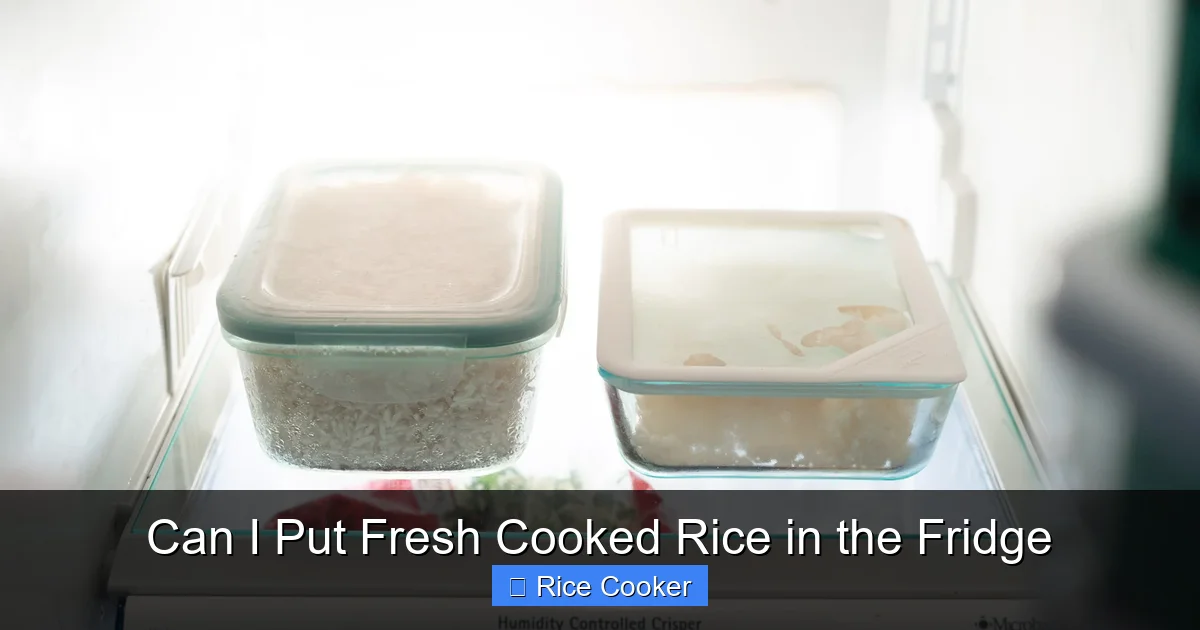
Airtight containers are non-negotiable. Glass or BPA-free plastic containers work best because they prevent odors from seeping in or out. Avoid reusing takeout containers—they often harbor grease and bacteria. If you’re using a rice cooker’s inner pot, transfer the rice to a separate storage container before refrigerating.
Labeling and Dating
This simple step saves headaches later. Write the date on a piece of masking tape and stick it to the container. It helps you remember when you cooked the rice and ensures you use it within the safe window. Trust me—you’ll thank yourself later when you’re rummaging through the fridge at midnight.
Portion Control
If you plan to freeze or reheat rice multiple times, divide large batches into smaller portions. Smaller amounts freeze and thaw faster, reducing the risk of uneven heating during reuse. Plus, you won’t end up with a freezer full of unopened containers!
Common Mistakes People Make When Storing Rice
Even if you know can I put fresh cooked rice in the fridge, mistakes happen. Let’s go over some frequent errors and how to avoid them.
Mistake 1: Leaving Rice Out Overnight
This is the #1 offender. Many people leave rice out because they forgot, were busy, or assumed it was fine since it looked okay. Nope. Bacillus cereus doesn’t cause visible spoilage—it’s odorless, colorless, and tasteless. So even if your rice smells fine, it could still make you sick. Always refrigerate within 2 hours.
Mistake 2: Using Plastic Wrap or Lids Too Tightly
Wrapping rice tightly while it’s still hot creates condensation inside the container. When this moisture mixes with starchy rice, it can promote mold growth and affect texture. Use lids with vent holes or leave space for airflow during initial cooling.
Mistake 3: Reheating Rice Multiple Times
Each time you reheat rice, you risk cross-contamination and uneven heating. Try to use rice within a few days, and reheat only what you plan to eat immediately. Don’t refreeze rice that’s already been thawed and reheated.
Mistake 4: Ignoring Texture Changes
Rice loses moisture in the fridge, becoming dry and hard over time. If your rice feels like cardboard, it’s past its prime—even if it’s within the 4-day window. Consider repurposing old rice into fried rice, rice pudding, or bread stuffing to salvage it.
Reheating Rice Safely: Don’t Skip This Step!
Refrigerating rice is just half the battle. Reheating it properly is equally important. Cold rice can harbor bacteria that weren’t killed by refrigeration alone—only high heat will do the job.
Microwave Method
Place rice in a microwave-safe dish, add a tablespoon of water, cover loosely, and heat in 30-second intervals. Stir between bursts to ensure even warming. The goal is to reach 165°F (74°C) throughout. Use a food thermometer if possible—rice in the center can stay cold even if the edges are hot.
Stovetop or Oven Method
Heat rice gently over low flame with a splash of broth or oil. Cover the pot to trap steam and prevent drying. Stir frequently. This method gives better control over texture and ensures thorough reheating.
Avoid These Reheating Errors
- Don’t use the defrost setting: It doesn’t get hot enough to kill bacteria.
- Never add raw rice to boiling water: This leads to uneven cooking.
- Skip the double-boiler trick: While gentle, it rarely reaches safe temperatures uniformly.
Freezing Rice: Your Secret Weapon for Meal Prep
Want to store rice for weeks—or even months? Freezing is your best friend. Unlike refrigeration, freezing stops bacterial growth entirely. Here’s how to do it right.
Preparing Rice for Freezing
Cool rice completely, then portion into freezer bags or containers. Squeeze out excess air before sealing. Label with date and contents. For best results, use flat containers so rice freezes evenly.
Thawing Tips
Thaw in the refrigerator overnight or reheat directly from frozen—just add a bit more liquid when cooking. Never thaw at room temperature, as this reintroduces the danger zone.
Best Uses for Frozen Rice
Frozen rice shines in dishes where texture isn’t critical: fried rice, casseroles, soups, and stuffing. Avoid using it in delicate recipes like sushi or creamy risottos unless you’re okay with a firmer bite.
Special Considerations: Different Types of Rice
While most white rice varieties (like basmati, jasmine, or long-grain) behave similarly when stored, other types require attention.
Brown Rice
Brown rice has more oil content, which makes it prone to rancidity. Refrigerate or freeze within 2 hours, and consume within 3–5 days if refrigerated. Its higher fiber also affects cooling rates—cool it faster to prevent mushiness.
Sushi Rice
Sushi rice is sticky and often contains vinegar, which acts as a preservative—but not enough to skip refrigeration. Always chill sushi rice within 2 hours and use within 1–2 days. Never leave it out!
Wild Rice & Mixed Varieties
These contain more protein and moisture, so they spoil faster. Treat them like brown rice: refrigerate promptly and use within 3 days.
Signs Your Stored Rice Has Gone Bad
Even with perfect storage, rice can eventually turn bad. Watch for these red flags:
- Off smell: Sour or ammonia-like odor
- Mold: Visible spots or fuzzy growth
- Discoloration: Gray or green tint
- Texture changes: Slimy or overly soft consistency
- Unusual taste: Bitter or fermented flavor
If you notice any of these, toss the rice immediately—don’t risk food poisoning.
Conclusion: Yes, You Can Safely Refrigerate Fresh Cooked Rice
So, back to the original question: can I put fresh cooked rice in the fridge? The answer is a confident yes—as long as you follow basic food safety rules. Refrigeration is not only safe but necessary for preventing Bacillus cereus growth. With proper cooling, airtight containers, and timely reheating, your leftover rice can be just as delicious and safe as the first serving.
Remember: speed, containment, and awareness are your best tools. Whether you’re meal prepping for the week or saving leftovers for lunch tomorrow, these practices protect both your health and your taste buds. And hey—next time you’re tempted to leave that bowl on the counter, think twice. Your future self will thank you.
Now go ahead, refrigerate that rice with confidence. You’ve got this!
Frequently Asked Questions
Is it safe to eat refrigerated rice after five days?
While rice may still be safe beyond four days if properly stored, quality declines. Texture becomes dry and flavor fades. For best results, use within four days.
Does type of rice affect storage time?
Yes. Brown rice spoils faster due to higher oil content and should be used within 3–5 days. White rice lasts longer, up to four days when refrigerated.
Can I store rice in the rice cooker pot?
Not recommended. The pot isn’t designed for long-term storage and may retain odors or harbor bacteria. Transfer rice to a clean container instead.
What’s the fastest way to cool rice?
Spread rice thinly in shallow pans and stir frequently. An optional ice bath (placing the container in cold water) speeds cooling without wetting the rice.
Can I eat cold rice straight from the fridge?
Yes, but only if it was refrigerated promptly and hasn’t been contaminated. Some people prefer warmed rice, but cold rice works well in salads or as a side.
Does rinsing rice before cooking affect storage safety?
Rinsing removes surface starch and impurities but doesn’t impact post-cooking safety. Once cooked, storage practices matter more than how it was rinsed.