
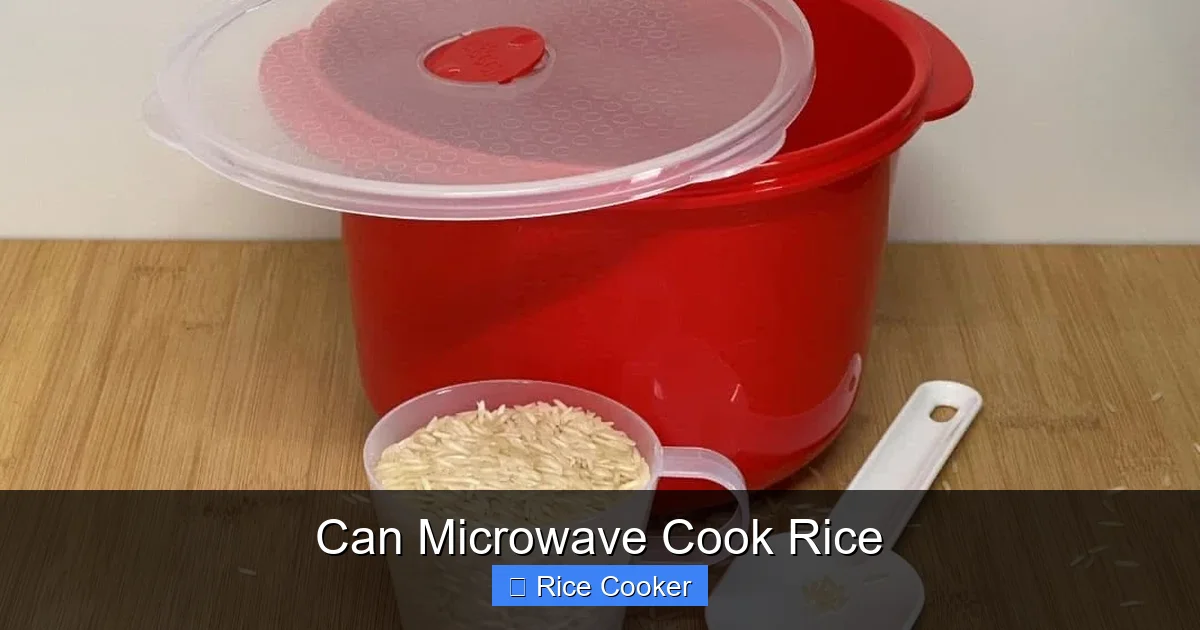
Yes, you can absolutely cook rice in a microwave! It’s fast, easy, and works great for small batches or when you’re short on time. With the right technique—like using the proper water ratio and covered cooking—you’ll get tender, fluffy results every time, just like a rice cooker.
Key Takeaways
- Microwave-safe container is essential: Always use a heat-resistant glass or ceramic dish with a lid to trap steam and ensure even cooking.
- Correct water-to-rice ratio matters: A 1:2 ratio (1 cup rice to 2 cups water) typically works best for most grains, including white, brown, and jasmine rice.
- Pre-soaking improves texture: Letting rice sit in water for 15–30 minutes before cooking helps it absorb moisture evenly and cook more uniformly.
- Standing time is crucial: After microwaving, let the rice rest for 5 minutes with the cover on—this allows steam to finish the cooking process and prevents mushiness.
- Stirring halfway helps prevent clumping: For best results, pause the microwave halfway through cooking and stir gently to redistribute heat.
- Adjust power levels for different types: Brown rice may need longer cooking at lower power, while instant rice can be done quickly on high.
- Cleaning is simple: Most rice residue can be wiped away with warm soapy water—just avoid metal utensils inside the microwave.
Quick Answers to Common Questions
Can you cook rice directly in a microwave?
Yes, you can cook rice directly in a microwave using a microwave-safe dish. Just add rice and water, cover it, and cook on high power with occasional stirring for even results.
How much water do you put in rice for the microwave?
Use a 1:2 ratio—one part rice to two parts water. For example, 1 cup rice requires 2 cups water. Adjust slightly for brown rice (more water) or instant rice (less water).
Do you need to soak rice before microwaving?
Soaking is optional but recommended, especially for long-grain varieties like jasmine or basmati. It helps the rice absorb water evenly and reduces cooking time.
How long does it take to cook rice in the microwave?
Most white rice takes 8–10 minutes on high power. Brown rice needs 12–15 minutes. Always check doneness and adjust based on your microwave’s wattage.
Can you overcook rice in the microwave?
Yes, overcooking leads to mushy, sticky rice. To avoid this, don’t lift the cover during cooking, use the right water ratio, and stop when grains are tender but not squishy.
📑 Table of Contents
- Can Microwave Cook Rice?
- The Science Behind Microwave Cooking
- What You’ll Need to Cook Rice in the Microwave
- Step-by-Step Guide: How to Cook Rice in the Microwave
- Tips for Perfect Microwave Rice Every Time
- Different Types of Rice and Their Microwave Needs
- Troubleshooting Common Microwave Rice Problems
- Microwave vs. Rice Cooker: Which Is Better?
- Safety Tips When Cooking Rice in the Microwave
- Creative Ways to Use Microwave-Cooked Rice
- Final Thoughts: Should You Start Microwaving Rice?
Can Microwave Cook Rice?
If you’ve ever stood over the stove, watching the pot bubble away, wondering if there’s an easier way—you’re not alone. The microwave has become a kitchen staple for reheating leftovers, melting butter, and even making popcorn. But when it comes to cooking rice from scratch, many people assume it’s a task better left to a stovetop pot or a dedicated rice cooker. After all, rice needs steady heat and precise timing to turn out fluffy, not gummy or undercooked.
So, can microwave cook rice? The short answer is yes—absolutely. While traditional methods are tried and true, microwaving rice is not only possible but practical for busy weeknights, dorm rooms, camping trips, or anyone who wants a hands-off approach. With the right tools and technique, you can produce perfectly cooked rice that rivals what you’d get from a rice cooker. And the best part? It takes less than half the time.
In this article, we’ll walk you through everything you need to know about cooking rice in the microwave. From choosing the right vessel to mastering water ratios and timing, we’ve got you covered. Whether you’re a college student, a new parent, or someone trying to simplify meal prep, learning to cook rice in the microwave could change your kitchen game forever.
The Science Behind Microwave Cooking
Before diving into the “how,” let’s talk about the “why.” How does the microwave actually cook rice? Unlike conventional ovens or stovetops that rely on conduction (heat moving through contact), microwaves work by exciting water molecules inside the food. This creates internal steam, which cooks the grain from the inside out.
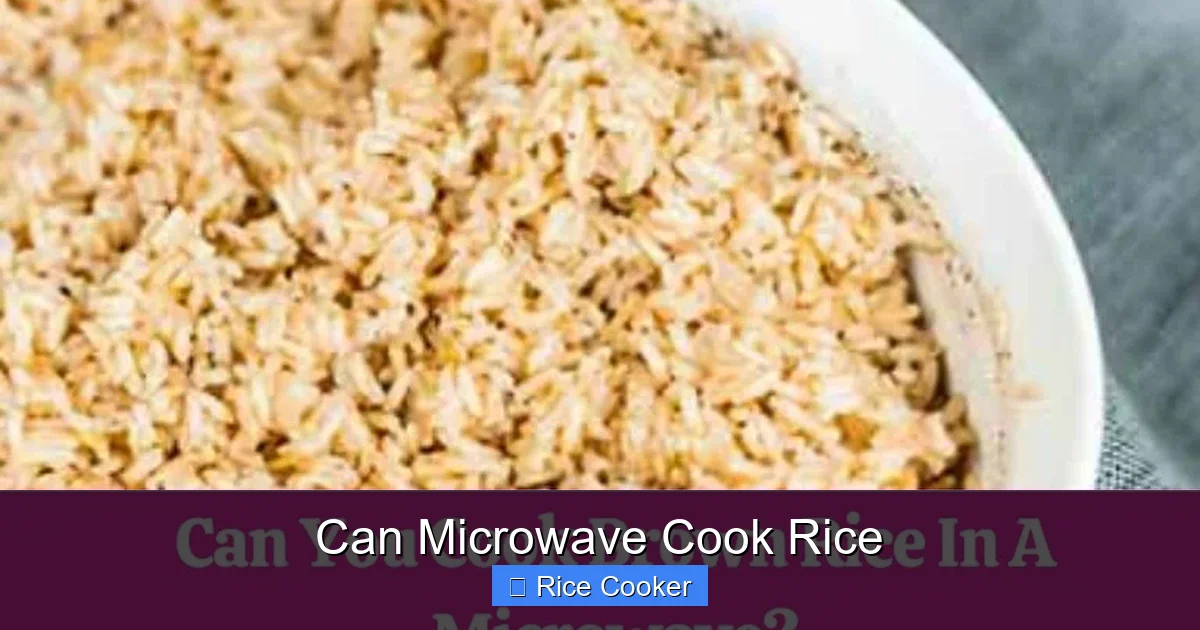
Visual guide about Can Microwave Cook Rice
Image source: mymicrowaveguide.com
Why Microwaves Work for Rice
Rice contains starch and absorbs water, both of which respond well to microwave energy. When heated, the water in the rice grains turns to steam, softening the starches and expanding the kernels until they’re fully hydrated. Because microwaves penetrate food quickly, the cooking happens faster than on the stove—but without direct flame or hot surfaces, you lose some control over browning or caramelization. That’s okay for plain rice, though.
Limitations to Keep in Mind
One common concern is uneven heating. Since microwaves don’t circulate air like ovens do, hot spots can develop if the rice isn’t stirred or rotated. Also, overcooking leads to mushiness because excess steam keeps the rice moist beyond its ideal texture. But with a few tricks—like covering the dish and stirring halfway—you can overcome these issues.
What You’ll Need to Cook Rice in the Microwave
Cooking rice in the microwave doesn’t require fancy equipment. In fact, most households already have everything needed. Here’s what to gather before starting:

Visual guide about Can Microwave Cook Rice
Image source: recipes.net
A Microwave-Safe Dish
Choose a container large enough to hold the rice without overflowing. A 2-quart glass baking dish or deep ceramic bowl works well. Avoid plastic unless labeled microwave-safe—some plastics release harmful chemicals when heated.
A Tight-Fitting Lid or Plastic Wrap
Covering the dish traps steam, creating a mini-steam oven effect. If your lid isn’t airtight, wrap the top loosely with microwave-safe plastic wrap, leaving a small corner open for venting (optional but helpful).
Measuring Cups and a Knife
Precision matters when measuring rice and water. Use standard dry measuring cups for rice and liquid measuring cups for water. A sharp knife helps flatten stubborn grains during soaking.
Optional: Rice Steamer Basket
For extra convenience, consider using a microwave-safe steamer basket placed inside a larger dish. This elevates the rice above boiling water, reducing risk of burning while allowing full steam exposure.
Step-by-Step Guide: How to Cook Rice in the Microwave
Ready to try it? Follow this simple process for foolproof results every time.
Step 1: Rinse the Rice
Washing removes excess starch, which prevents clumping and gives fluffier rice. Place rice in a fine-mesh strainer and rinse under cold running water until the water runs clear. Drain thoroughly.
Step 2: Soak (Optional but Recommended)
Let the rinsed rice soak in water for 15–30 minutes. This step is especially useful for long-grain varieties like basmati or jasmine. Soaking ensures even hydration and reduces total cooking time.
Step 3: Add Water and Mix
Transfer drained rice to your microwave-safe dish. Add water using a 1:2 ratio (1 cup rice to 2 cups water). Stir gently to combine. For brown rice, increase water slightly to 1:2.5.
Step 4: Cover and Microwave
Cover tightly with a lid or plastic wrap. Microwave on high power (100%) for 8 minutes. Pause halfway through and stir lightly with a fork to break up any clumps and redistribute heat.
Step 5: Rest and Check
Carefully remove the dish (it will be hot!) and let it stand for 5 minutes with the cover still on. This resting period lets residual steam finish cooking the rice and firms up the texture. Fluff with a fork before serving.
Tips for Perfect Microwave Rice Every Time
Even with a solid method, small adjustments can make a big difference. Try these pro tips to elevate your microwave rice game.
Use the Right Container Size
Don’t overcrowd the dish. Too much rice means uneven heating. Stick to recipes designed for your microwave wattage—usually 600–1200 watts.
Adjust Time Based on Wattage
If your microwave is older or lower-powered (<700 watts), add 1–2 minutes per batch. High-power models may need less time. Always check doneness toward the end.
Fluff Immediately After Cooking
Resist the urge to leave rice sitting uncovered. Fluffing aerates the grains and separates them, giving that classic fluffy texture.
Save Leftovers Properly
Cool cooked rice within two hours and store in an airtight container in the fridge for up to 5 days. Reheat in the microwave with a splash of water to restore moisture.
Experiment with Seasonings
Add flavor during cooking: a pinch of salt, a pat of butter, or a bay leaf under the cover infuses subtle taste without extra steps.
Different Types of Rice and Their Microwave Needs
Not all rice is created equal—and neither are their microwave requirements. Here’s how to adapt the basic method for popular varieties.
White Rice
The easiest for beginners. Short- or medium-grain white rice cooks quickly and stays tender. Use 1:2 water ratio; cook 8–10 minutes on high.
Brown Rice
Denser and higher in fiber, brown rice needs more water and longer time. Use 1:2.5 ratio and cook 12–15 minutes. Consider pre-soaking to soften the bran layer.
Jasmine and Basmati Rice
These aromatic long-grains benefit from rinsing and soaking. They tend to be stickier, so avoid over-stirring after cooking. Serve with a drizzle of olive oil for authenticity.
Instant Rice
Packaged as quick-cook options (e.g., Minute Rice), these require only 1:1.5 water and 3–4 minutes in the microwave. No soaking needed—ideal for emergencies.
Wild Rice
More challenging due to its irregular shape. Combine with white rice or use a double-boiler method in the microwave for best results.
Troubleshooting Common Microwave Rice Problems
Mishaps happen—even to experts. If your rice turns out too wet, dry, or clumpy, here’s how to fix it.
Rice Is Gummy or Sticky
Too much water or overcooking causes this. Next time, reduce water slightly or shorten cooking time by 1 minute. Also, avoid lifting the lid during cooking.
Rice Is Dry or Undercooked
This usually means insufficient water or low microwave power. Add a tablespoon of water, cover again, and microwave in 1-minute increments until tender.
Uneven Texture (Some Grains Are Hard)
Incomplete soaking or poor stirring leads to uneven absorption. Always rinse, soak if possible, and stir halfway through cooking.
Burnt Rice at the Bottom
Hot spots in older microwaves cause burning. Try rotating the dish or placing a ceramic plate underneath for insulation. Using a trivet or paper towel between dish and turntable also helps.
Water Doesn’t Absorb Completely
Some rice varieties (like sushi rice) absorb slowly. Extend standing time to 10 minutes or add a damp paper towel on top during resting.
Microwave vs. Rice Cooker: Which Is Better?
You might wonder: if I can cook rice in the microwave, why bother with a rice cooker? Both have pros and cons depending on your lifestyle.
Speed & Convenience
Microwaves win for single servings or quick meals. Just throw ingredients in, press a button, and walk away. Rice cookers require more setup but automate the entire process.
Texture Consistency
Rice cookers maintain steady temperature and often include sensors to detect when rice is done—leading to more consistent results. However, skilled microwave users can match this with practice.
Capacity
Rice cookers handle large quantities effortlessly. Microwaves are better suited for 1–2 cups at a time.
Energy Efficiency
Rice cookers use less electricity overall, especially for repeated use. But for one-off tasks, microwaving is efficient.
Cost
Basic rice cookers range from $20–$50. Microwaves come standard in most kitchens, so no extra investment needed.
Ultimately, the “better” option depends on your needs. Many home cooks keep both—using the microwave for small batches and the rice cooker for family dinners.
Safety Tips When Cooking Rice in the Microwave
Microwaving food is generally safe, but rice presents unique considerations.
Never Use Metal Containers or Utensils
Metal reflects microwaves, causing sparks or fires. Stick to glass, ceramic, or microwave-safe plastic.
Handle Hot Dishes Carefully
Steam builds pressure inside covered dishes. Open lids away from your face and use oven mitts.
Check for Spoiled Rice Before Reheating
Left overnight, rice can harbor bacteria like Bacillus cereus. Only reheat rice that’s been stored properly and smells fresh.
Vent Steam Occasionally
For very dense rice, lift the cover slightly after 4–5 minutes to release excess pressure and prevent overflow.
Clean Residue Promptly
Rice starch sticks easily. Wipe the microwave interior immediately after use to avoid lingering odors or splatter buildup.
Creative Ways to Use Microwave-Cooked Rice
Plain rice is delicious, but it’s just the beginning. Elevate your meals with these tasty ideas.
Rice Bowls and Grain Salads
Top cooled rice with roasted veggies, beans, avocado, and a lime dressing. Perfect for meal prep.
Fried Rice
Cook rice ahead, cool completely, then stir-fry in a pan with soy sauce, eggs, and veggies. Microwave rice fries better than fresh.
Risotto-Style Creamy Rice
Add warm broth gradually while microwaving in short bursts. Stir frequently for a creamy, comforting dish.
Sweet Rice Pudding
Combine rice, milk, sugar, cinnamon, and raisins in the microwave. Cook 8–10 minutes until thickened. Chill for dessert.
Stuffing and Filling
Cool rice and mix with herbs, cheese, or ground meat to stuff bell peppers, tomatoes, or phyllo dough.
Final Thoughts: Should You Start Microwaving Rice?
After reading this guide, you now know that yes—microwave cooking rice is not only possible but practical, fast, and surprisingly effective. It won’t replace your rice cooker for every meal, but it’s a valuable skill for busy days, limited counter space, or when you’re craving something simple yet satisfying.
The key is consistency. Once you master the basics—correct ratios, proper covering, gentle stirring, and resting—you’ll produce rice that’s tender, separate, and ready to pair with almost anything. And unlike the stove, the microwave frees up your pots and pans for other tasks.
So next time you’re hungry for rice but don’t feel like standing over a pot, give the microwave a try. With just a few minutes and minimal cleanup, you’ll have fluffy, delicious rice—no special appliance required.
Frequently Asked Questions
Is microwave rice safe to eat?
Yes, microwave-cooked rice is completely safe when prepared correctly. As long as you use microwave-safe containers and follow proper hygiene, there’s no health risk involved.
Does microwaved rice taste the same as stovetop rice?
Most people find the taste nearly identical, though some note a slightly softer texture. With proper technique—covering, resting, and fluffing—microwave rice can be just as delicious.
Can I cook rice in a microwave without a lid?
It’s not recommended. Without a lid, steam escapes, leading to uneven cooking and potentially dry or burnt rice. Always cover the dish to trap moisture and promote even heating.
What type of rice works best in the microwave?
White rice, jasmine, and basmati all work well. Instant rice is ideal for quick meals, while brown rice requires more water and time but remains doable with adjustments.
How do I reheat leftover microwave rice?
Place rice in a microwave-safe dish, add a tablespoon of water, cover, and heat in 30-second intervals, stirring between each, until warmed through.
Can I add flavorings to microwave rice while cooking?
Absolutely! Add salt, butter, garlic, or herbs before cooking. Some people even place a bay leaf under the cover for subtle aroma without affecting texture.