

Cooked wild rice can absolutely be frozen, making it a convenient option for meal prep and reducing waste. When stored properly in airtight containers or freezer bags, it retains its delicious flavor and chewy texture for up to 6 months. Freezing allows you to enjoy this superfood anytime while preserving nutrients and saving time.
Key Takeaways
- Freezing extends shelf life: Cooked wild rice can last up to 6 months in the freezer, far beyond its typical refrigerator shelf life of 5–7 days.
- Proper storage is key: Use airtight containers or heavy-duty freezer bags to prevent freezer burn and moisture loss.
- Thawing method matters: Thaw frozen wild rice in the refrigerator overnight or reheat directly from frozen for best results.
- Texture stays intact: Unlike some grains, wild rice holds up well to freezing and thawing without becoming mushy.
- Meal prep friendly: Freezing in portion sizes makes it easy to grab and go for quick meals throughout the week.
- Nutrient retention: Freezing preserves most of the antioxidants, fiber, and protein found in fresh wild rice.
- No need to pre-cook: You can freeze raw wild rice before cooking, saving time when you’re ready to prepare it.
Quick Answers to Common Questions
Can I freeze cooked wild rice?
Yes, cooked wild rice can be safely frozen for up to 6 months. Proper storage in airtight containers or freezer bags preserves its texture and flavor.
How do I thaw frozen wild rice?
Thaw in the refrigerator overnight for best results. Alternatively, you can thaw it at room temperature for 30–60 minutes, though refrigeration is safer.
Does freezing change the taste of wild rice?
No significant change in taste occurs when frozen properly. Minor texture differences may happen after several months, but flavor remains largely intact.
Can I freeze raw wild rice?
Yes, you can freeze uncooked wild rice. Just rinse, pat dry, divide into portions, and freeze. Cook directly from frozen when ready.
Is frozen wild rice good for meal prep?
Absolutely. Freezing in portion sizes makes it perfect for quick weeknight meals, salads, soups, and casseroles.
📑 Table of Contents
- Can Cooked Wild Rice Be Frozen? The Complete Guide
- Why Freeze Cooked Wild Rice?
- How to Properly Freeze Cooked Wild Rice
- How Long Can Cooked Wild Rice Be Frozen?
- Thawing and Reheating Frozen Wild Rice
- Tips for Best Results When Freezing Wild Rice
- Common Myths About Freezing Wild Rice
- Creative Ways to Use Frozen Wild Rice
- Environmental and Economic Benefits
- Final Thoughts
Can Cooked Wild Rice Be Frozen? The Complete Guide
If you’re a fan of wild rice—whether you love it in soups, salads, or as a side dish—you’ve probably wondered: Can I save leftovers by freezing them? The short answer is yes, absolutely! Cooked wild rice can be safely frozen and stored for several months without losing its nutritional value or flavor. In fact, freezing might be one of the best ways to reduce food waste and keep your meals convenient. But before you toss that leftover pot into the freezer, there are a few important steps to follow to ensure your wild rice remains delicious and safe to eat.
Wild rice isn’t just any grain—it’s a superfood packed with protein, fiber, B vitamins, and antioxidants. Native to North America and traditionally harvested from lakes and rivers, it has a distinctive nutty flavor and firm, slightly chewy texture that sets it apart from white or brown rice. Because of its versatility and health benefits, many people find themselves cooking large batches or making extra for future use. That’s where freezing comes in handy. Not only does it extend the shelf life of your cooked wild rice, but it also allows you to prepare ahead and simplify busy weeknight dinners.
Why Freeze Cooked Wild Rice?
Preserve Freshness and Reduce Waste
One of the biggest reasons to freeze cooked wild rice is to avoid food waste. According to the USDA, nearly one-third of all food produced in the U.S. goes uneaten each year. By freezing portions of your cooked wild rice, you’re not only saving money but also doing your part for sustainability. A single batch of wild rice can easily yield enough for multiple meals—salads, casseroles, stir-fries, or even breakfast bowls with eggs and veggies. Freezing allows you to enjoy these meals without rushing through them or letting them spoil.
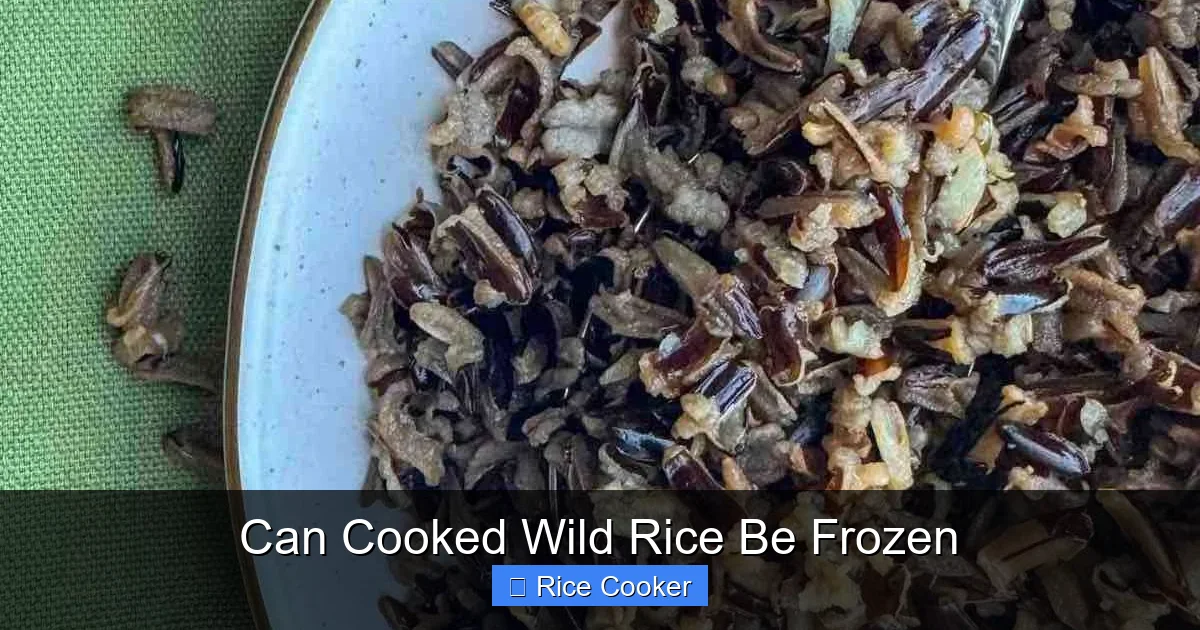
Visual guide about Can Cooked Wild Rice Be Frozen
Image source: thesweetsimplethings.com
Convenience for Meal Prep
Meal preppers and busy families alike benefit from freezing cooked wild rice. Imagine preparing a big pot on Sunday, dividing it into individual servings, and having ready-to-eat grains throughout the week. Whether you’re packing lunches or planning quick dinners, frozen wild rice saves time and effort. You can pop a portion into a bowl, steam it briefly, and serve it alongside grilled chicken or roasted vegetables.
Maintain Nutritional Value
Contrary to what some might believe, freezing doesn’t destroy nutrients. Studies show that freezing fruits and vegetables helps preserve vitamins like vitamin C and folate. While wild rice is a whole grain, the same principle applies—freezing locks in essential minerals and antioxidants. So, your frozen wild rice will still offer the full nutritional punch you expect.
How to Properly Freeze Cooked Wild Rice
Step 1: Cool It Down Quickly
The first rule of freezing any food is to cool it rapidly to prevent bacterial growth. Never leave cooked wild rice sitting at room temperature for more than two hours. Instead, spread it out in shallow containers or place it in freezer-safe bags and put it in the refrigerator for an hour. Then transfer it to the freezer. This two-stage cooling process minimizes the risk of spoilage.
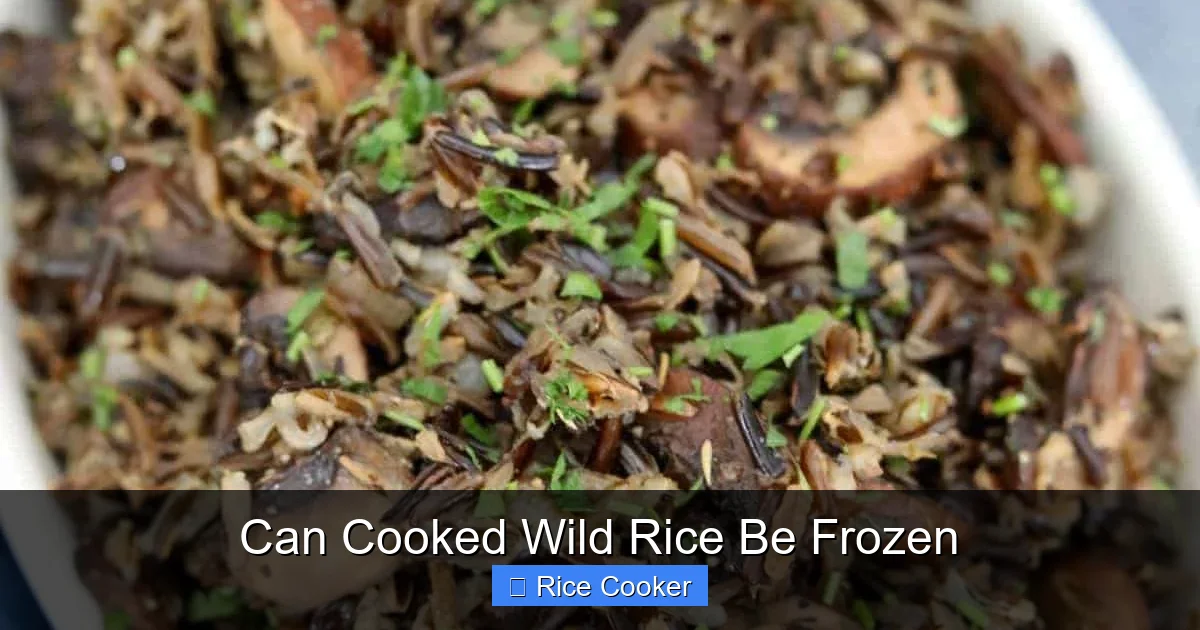
Visual guide about Can Cooked Wild Rice Be Frozen
Image source: manmeetsoven.com
Step 2: Portion It Out
Divide the cooled wild rice into manageable portions—about 1 cup per serving. Use freezer-safe containers, silicone ice cube trays (great for small portions), or resealable freezer bags. Label each container with the date so you know exactly when you froze it. This helps you rotate stock and ensures nothing gets lost in the back of the freezer.
Step 3: Remove Air from Bags
If using freezer bags, squeeze out as much air as possible before sealing. Excess air leads to freezer burn, which gives food a dry, off-flavor. For even better results, consider using the “vacuum seal” method if you have a vacuum sealer. Otherwise, double-bagging or placing bags between sheets of parchment paper can help reduce air exposure.
Step 4: Store in the Coldest Part of Your Freezer
Place your labeled containers or bags in the coldest section of the freezer—usually the back or bottom shelf. Avoid storing them near the door, where temperatures fluctuate more often. Consistent cold temperatures are essential for maintaining quality over time.
How Long Can Cooked Wild Rice Be Frozen?
When stored correctly, cooked wild rice can stay in the freezer for up to 6 months. After that, while it won’t necessarily be unsafe to eat, the texture may begin to degrade slightly. You might notice it becomes softer or less firm, which could affect the final dish. To get the best results, try to use your frozen wild rice within 4–5 months.
Here’s a quick reference guide:
- 0–3 months: Best texture and flavor
- 3–6 months: Still safe and usable, minor texture changes
- After 6 months: Possible freezer burn or dryness; not recommended for high-quality dishes
Always trust your senses when thawing and reheating. If the rice smells off, looks discolored, or feels unusually hard or slimy, discard it immediately.
Thawing and Reheating Frozen Wild Rice
Thawing in the Refrigerator (Recommended)
The safest way to thaw frozen wild rice is in the refrigerator. Place the container or bag in the fridge for 12–24 hours, depending on the size of the portion. This slow thawing process helps preserve texture and prevents bacteria from multiplying. Once thawed, the rice is ready to reheat and eat.
Thawing at Room Temperature (Use with Caution)
While not ideal, you can thaw wild rice at room temperature if you’re in a hurry. Spread the rice in a thin layer on a baking sheet and let it sit for 30–60 minutes. Stir occasionally to speed up the process. However, do not leave it out longer than necessary—bacteria grow quickly between 40°F and 140°F (4°C and 60°C).
Reheating Methods
Once thawed, reheat frozen wild rice gently to avoid drying it out. Here are three effective methods:
- Stovetop: Heat in a saucepan over medium-low heat, adding a splash of water or broth to restore moisture. Stir frequently until warmed through.
- Microwave: Place rice in a microwave-safe bowl, cover with a damp paper towel, and heat in 30-second intervals, stirring between each. This helps prevent uneven heating.
- Oven: Spread rice on a baking sheet, cover with foil, and warm at 325°F (160°C) for 10–15 minutes, checking halfway through.
Adding a little butter, olive oil, or broth during reheating enhances flavor and keeps the rice from becoming too dry. Wild rice absorbs liquids well, so don’t be shy!
Tips for Best Results When Freezing Wild Rice
Don’t Overcook Before Freezing
Cook wild rice until just tender—usually about 45–50 minutes. Overcooked rice becomes mushy after freezing and reheating. The ideal texture should still have a slight bite and hold its shape.
Use Quality Containers
Invest in glass or BPA-free plastic containers designed for freezing. They’re durable, easy to clean, and allow you to see contents without opening. Avoid using metal containers, as they can cause freezer burn.
Freeze in Small Batches
If you’re new to freezing wild rice, start with smaller portions. This reduces waste if something goes wrong and makes reheating easier. Plus, you’ll have more flexibility in meal planning.
Avoid Freezing with Dairy or Cream
Wild rice recipes that include milk, cream, or cheese should not be frozen, as these ingredients separate and become grainy upon thawing. Stick to plain cooked wild rice for freezing, then add dairy when reheating if desired.
Label Clearly
Write the date and contents on masking tape or use waterproof labels. Include details like “wild rice – 1 cup – frozen – 10/2024” so you can plan your meals accordingly.
Consider Freezing Raw Wild Rice
You can actually freeze uncooked wild rice! Rinse it, pat it dry, divide into portions, and freeze in airtight bags. When ready to cook, simply add it to boiling water and simmer for 45–50 minutes. This method saves time and ensures consistent results every time.
Common Myths About Freezing Wild Rice
Myth: Freezing ruins the texture
Fact: While some grains lose their structure when frozen, wild rice is resilient. Its natural starch composition helps it retain firmness even after thawing. Many home cooks report no noticeable difference compared to freshly cooked rice.
Myth: You must blanch wild rice before freezing
Fact: Unlike vegetables, wild rice doesn’t require blanching before freezing. Blanching is used for greens to preserve color and enzymes, but it’s unnecessary for grains. Just cook, cool, and freeze.
Myth: Frozen wild rice loses nutrients
Fact: Freezing actually helps lock in nutrients. Research shows that flash-freezing retains more vitamins than long-term refrigeration. The key is proper packaging to prevent oxidation.
Myth: You can’t refreeze wild rice
Fact: While it’s always best to freeze once, if thawed wild rice hasn’t been heated and shows no signs of spoilage, it can be refrozen. However, each freeze-thaw cycle affects texture, so limit refreezing to one additional time.
Myth: All wild rice blends freeze the same
Fact: Some wild rice mixes include added seasonings, oils, or dried vegetables. These additives may not freeze well and could alter texture. Stick to plain wild rice for best results.
Creative Ways to Use Frozen Wild Rice
Freezing wild rice opens up endless culinary possibilities. Here are some inspired ideas:
- Breakfast Bowls: Scramble eggs with thawed wild rice, spinach, and feta for a hearty morning meal.
- Sushi Rolls: Mix thawed wild rice with avocado, cucumber, and pickled ginger for nutrient-packed sushi.
- Stuffed Peppers: Combine rice with ground turkey, tomatoes, and spices, then bake in bell peppers.
- Wild Rice Soup Base: Use frozen rice as a thickener or main ingredient in creamy soups or chowders.
- Salad Kits: Portion thawed rice with pre-chopped veggies and dressing in jars for grab-and-go salads.
You can also mix frozen wild rice into casseroles, stuffing, or even energy bars for a healthy boost.
Environmental and Economic Benefits
Beyond convenience, freezing cooked wild rice supports eco-friendly habits. Buying wild rice in bulk reduces packaging waste and carbon footprint associated with frequent shopping trips. Storing leftovers in reusable containers cuts down on single-use plastics. Economically, this method saves money by minimizing impulse buys and maximizing ingredient use.
In a world where food insecurity and climate change are pressing concerns, small actions like freezing surplus grains make a meaningful difference. Every jar of saved wild rice represents less landfill, fewer emissions, and more sustainable eating.
Final Thoughts
So, can cooked wild rice be frozen? Without a doubt—yes. With proper techniques, it remains flavorful, nutritious, and versatile for months. Whether you’re meal prepping, reducing waste, or simply stocking your pantry, freezing wild rice is a smart, practical choice. Follow the guidelines above, invest in good containers, and label everything clearly. Soon, you’ll have a reliable backup plan for countless delicious meals.
And remember: wild rice isn’t just a side dish—it’s a celebration of nature’s bounty and a step toward mindful eating. By embracing freezing, you honor both tradition and innovation in the kitchen.
Frequently Asked Questions
How long does frozen wild rice last?
Frozen wild rice lasts up to 6 months in the freezer. For best quality, use within 4–5 months. After that, texture may soften.
Can I freeze wild rice soup?
It depends. Plain wild rice soup can be frozen, but avoid those with dairy or cream, as they separate and become grainy upon thawing.
Should I drain wild rice before freezing?
No draining is needed. Just cool the cooked rice completely, portion it, and freeze without removing excess water.
Can I freeze wild rice salad?
Not ideal. Salads with fresh vegetables, herbs, or dressings don’t freeze well due to texture and moisture changes. Freeze plain rice instead.
Does freezing reduce nutritional value?
No, freezing preserves most nutrients. In fact, it helps retain vitamins and minerals better than long-term refrigeration.
Can I reheat frozen wild rice in the microwave?
Yes, place rice in a microwave-safe bowl, cover with a damp paper towel, and heat in 30-second intervals, stirring between each.