
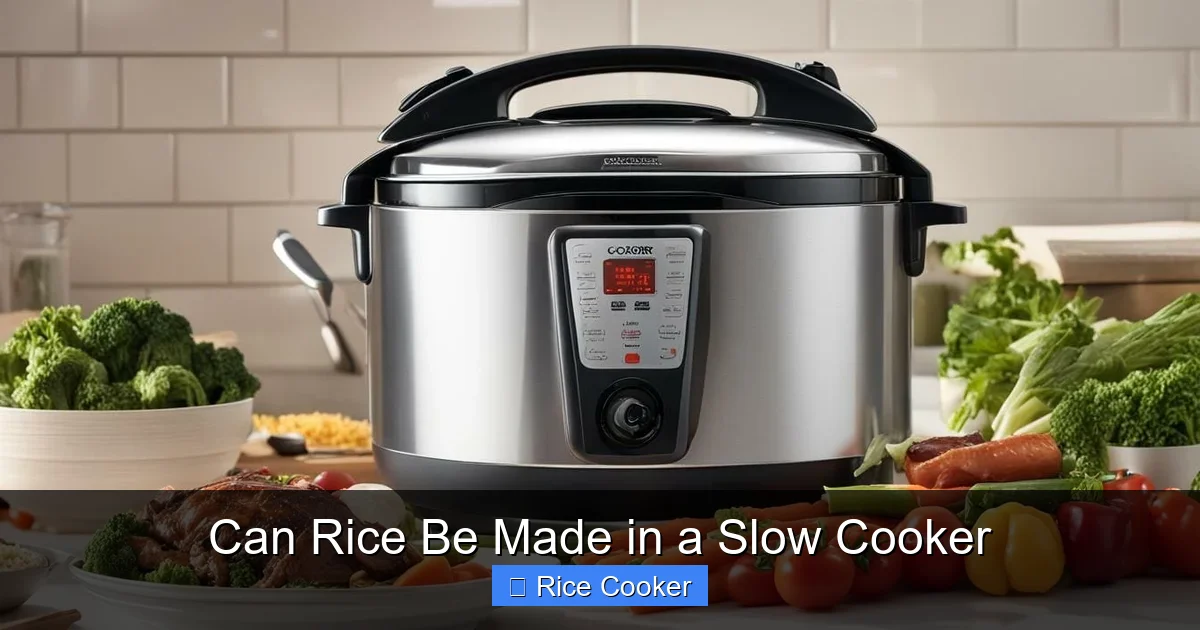
Can rice be made in a slow cooker? Absolutely! With the right technique, your slow cooker can produce tender, fluffy rice without constant monitoring. This method is perfect for busy cooks who want a hands-off way to prepare side dishes, grain bowls, or even one-pot meals.
Key Takeaways
- Yes, rice cooks well in slow cookers: It’s possible to make perfectly cooked rice using a slow cooker, though it requires careful water-to-rice ratios and timing.
- Choose the right rice type: Long-grain white rice, jasmine, basmati, and brown rice all work—but cooking times vary by grain.
- Use the high setting for faster results: While low-and-slow works, using the high setting significantly reduces cooking time and yields better texture.
- Don’t lift the lid during cooking: Steam escapes when you open the lid, which can lead to undercooked or unevenly textured rice.
- Add seasonings wisely: Salt, broth, or herbs can enhance flavor, but avoid over-seasoning since slow cookers retain moisture.
- Let it rest before serving: After turning off the slow cooker, let the rice sit for 10–15 minutes to finish steaming and firm up.
Quick Answers to Common Questions
Can I make brown rice in a slow cooker?
Answer: Yes! Brown rice needs more liquid and longer cooking time—usually 2.5 cups of water per cup of rice on LOW for 4–6 hours. Pre-soaking can also help.
Do I need to soak the rice first?
Answer: Not required, but soaking (especially for brown rice) can reduce cooking time and improve texture by softening the outer bran layer.
What if my rice is still hard after cooking?
Answer: Add a splash of hot water, cover, and cook on HIGH for another 10–15 minutes. Don’t overdo it—too much extra liquid will ruin the texture.
Can I add vegetables or protein to the rice while cooking?
Answer: Yes, but add them toward the end. Carrots or peas go in last 20–30 minutes; beans or meat should be added only if they’re already cooked.
Will the slow cooker keep rice warm automatically?
Answer: Most models have a “keep warm” function, but it’s best to serve immediately. Extended warming can dry out or toughen the rice.
📑 Table of Contents
- Can Rice Be Made in a Slow Cooker?
- The Science Behind Cooking Rice in a Slow Cooker
- Choosing the Right Type of Rice
- Essential Equipment and Setup Tips
- Step-by-Step Guide: Making Perfect Slow-Cooker Rice
- Troubleshooting Common Problems
- Creative Ways to Use Slow-Cooker Rice
- Pro Tips for Consistent Success
- Conclusion: Yes, You Can Make Great Rice in a Slow Cooker
Can Rice Be Made in a Slow Cooker?
If you’re like most home cooks, you probably associate slow cookers with stews, soups, and braised meats. But here’s a secret: you can make rice in a slow cooker, and it might just become your new go-to method for preparing this staple grain. Whether you’re out of your electric rice cooker or simply want a lazy Sunday option, your crockpot can deliver tender, fluffy rice with minimal effort.
Making rice in a slow cooker isn’t about magic—it’s about understanding how heat, moisture, and time interact. The key is using the right ratio of water (or broth), selecting the appropriate heat setting, and letting the appliance do its thing without interruption. In this guide, we’ll walk you through everything from choosing the best rice varieties to troubleshooting common pitfalls. By the end, you’ll know exactly how to make perfect slow-cooker rice every single time.
The Science Behind Cooking Rice in a Slow Cooker
Before diving into recipes, it helps to understand why rice behaves differently in various cooking appliances. Traditional stovetop methods rely on direct heat and frequent stirring to distribute warmth evenly. A rice cooker uses precise temperature control and steam release to achieve fluffiness. But what happens when you throw all that into a slow cooker?
Visual guide about Can Rice Be Made in a Slow Cooker
Image source: i2.wp.com
How Moisture and Heat Work Together
Slow cookers are sealed environments where steam builds up naturally. As the liquid absorbs into the rice grains, it creates a moist atmosphere that helps the starches gelatinize properly. Unlike boiling, where excess water evaporates quickly, a slow cooker retains nearly all the moisture, making it ideal for absorbing liquids slowly.
Why Texture Matters
The goal is to cook the rice until each grain is tender yet separate—not mushy nor crunchy. Overcooking leads to gummy clumps; undercooking leaves hard centers. The slow cooker’s gentle, consistent heat helps avoid these extremes if used correctly.
Comparing Methods: Slow Cooker vs. Rice Cooker
Rice cookers are designed specifically for this task—they automatically switch to “warm” mode once done and maintain optimal humidity. However, many people don’t own one, and that’s where the slow cooker shines. While it may take slightly longer or require more attention to detail, the result is still delicious and hands-free.
Choosing the Right Type of Rice
Not all rice is created equal—and not all work equally well in a slow cooker. Different varieties have unique starch content, absorbency levels, and cooking requirements. Here’s a breakdown of the best options:
Visual guide about Can Rice Be Made in a Slow Cooker
Image source: i.ytimg.com
Long-Grain White Rice
This is the most common choice for beginners. Varieties like regular white rice or Jasmine rice expand nicely in a slow cooker and yield light, separate grains. They typically need about 2 cups of water per cup of rice.
Basmati Rice
Aromatic and slightly nutty, basmati works beautifully when cooked slowly. Because it’s less sticky than other types, it holds up well in a crockpot. Use the same water ratio as white long-grain rice.
Brown Rice
Higher in fiber and nutrients, brown rice takes longer to cook—often 6–8 hours on low or 3–4 hours on high. Its bran layer makes it denser, so adjust water slightly upward (about 2.5 cups per cup of rice).
Instant Rice
Quick-cooking rice can be made in a slow cooker, but it tends to get too soft. Best reserved for traditional pots or microwaves.
Avoid Short-Grain or Sticky Rices
Rices like sushi rice or glutinous rice form tight balls when cooked—ideal for sushi but terrible for fluffy sides. These will likely turn mushy in a slow cooker.
Essential Equipment and Setup Tips
You don’t need fancy gadgets—just a standard 4- to 6-quart slow cooker and basic kitchen tools. Still, small adjustments can improve success rates.
Size Matters
For 1 cup of uncooked rice, use at least a 4-quart slow cooker. Smaller models risk overcrowding and uneven heating. If you’re cooking larger batches, consider using two slow cookers or splitting the load.
Lid Sealing
Ensure the lid fits snugly. Gaps allow steam to escape, raising internal temperature unpredictably. A tight seal maintains steady conditions for reliable results.
Liners vs. No Liners
Most modern slow cookers come with removable ceramic inserts. These are easy to clean but can scratch if metal utensils are used. Non-stick liners help prevent sticking but aren’t necessary—just spray lightly with oil first.
Prepping the Ingredients
Rinse your rice under cold water until the water runs clear. This removes excess starch and prevents clumping. Then measure precisely: accuracy is critical because rice won’t absorb extra liquid if it starts dry.
Step-by-Step Guide: Making Perfect Slow-Cooker Rice
Follow these simple steps for foolproof results:
Step 1: Measure Your Ingredients
For every 1 cup of raw rice, add 2 cups of water (or broth). For brown rice, increase to 2.5 cups. Add a pinch of salt if desired.
Step 2: Combine Everything
Add rice and liquid to the slow cooker. Stir gently once to distribute evenly. Avoid overmixing—this can break delicate grains.
Step 3: Set the Timer
Start on HIGH for white rice (30–45 minutes) or LOW for brown rice (4–6 hours). Never stir or lift the lid during cooking.
Step 4: Let It Rest
Once done, turn off the heat and let the rice sit covered for 10–15 minutes. This final steam phase firms up the grains and improves texture.
Step 5: Fluff and Serve
Use a fork to gently separate the grains. Taste and adjust seasoning if needed. Serve immediately!
Troubleshooting Common Problems
Even experienced cooks run into issues now and then. Here’s how to fix them:
Problem: Rice Is Too Wet or Mushy
Cause: Too much liquid or prolonged cooking.
Fix: Reduce water next time, especially with instant or short-grain rice. Also, avoid opening the lid unnecessarily.
Problem: Rice Is Undercooked or Starchy
Cause: Insufficient liquid or cold ingredients going in.
Fix: Use warm liquid and double-check measurements. Consider pre-soaking brown rice for 30 minutes beforehand.
Problem: Grains Stick Together
Cause: Excess starch or poor rinsing.
Fix: Always rinse thoroughly. Lightly coat the slow cooker insert with oil or cooking spray.
Problem: Uneven Texture
Cause: Old rice or inconsistent heat distribution.
Fix: Use fresh rice whenever possible. Rotate the slow cooker occasionally if yours has hot spots.
Creative Ways to Use Slow-Cooker Rice
Rice is incredibly versatile—here are fun ways to elevate your meals:
Flavor Infusion
Cook rice in chicken broth instead of water for extra richness. Add garlic cloves, bay leaves, or a sprig of thyme during cooking.
Meal Prep Staples
Make big batches on weekends and store in airtight containers. Reheat in the microwave or oven for quick lunches.
One-Pot Dinners
Add cooked rice to chili, tacos, or casseroles after the main dish finishes. It soaks up flavors beautifully.
Vegan & Gluten-Free Options
Use vegetable broth and serve over roasted veggies or lentil stew. All rice is naturally gluten-free!
Dessert Rice Pudding
Combine rice, milk, sugar, cinnamon, and raisins. Cook on low for 3–4 hours, stirring occasionally. Chill overnight for creamy pudding.
Pro Tips for Consistent Success
Want to master slow-cooker rice? Follow these expert tricks:
- Use a timer: Even if your model doesn’t auto-switch, track time carefully.
- Test water level: After 20 minutes, check doneness—but don’t peek! Just tilt the pot gently.
- Cool quickly post-cooking: Transfer to a colander briefly if rice seems too wet.
- Store leftovers properly: Keep refrigerated for up to 5 days or freeze in portions.
- Experiment with ratios: Once comfortable, tweak liquid amounts based on altitude or personal preference.
Conclusion: Yes, You Can Make Great Rice in a Slow Cooker
So, can rice be made in a slow cooker? Without a doubt—yes! While it may not replace your dedicated rice cooker for precision, it delivers satisfying, hands-off results perfect for everyday meals. The trick lies in respecting the process: measure carefully, avoid interference, and trust the machine. Whether you’re whipping up a side dish for dinner or building a hearty grain bowl, slow-cooker rice saves time without sacrificing taste.
Give it a try tonight. Start with a simple white rice recipe, then branch out to brown rice or flavored versions. Soon, you’ll wonder why you ever doubted it.
Frequently Asked Questions
Is slow-cooked rice healthier than boiled rice?
Answer: Nutritionally, there’s little difference. Both methods preserve vitamins and minerals. The main benefit of slow-cooking is convenience and flavor infusion from broths.
Can I use broth instead of water?
Answer: Absolutely! Broth adds rich flavor and works best with savory dishes. Just remember to skip added salt initially since broth often contains sodium.
How do I prevent rice from sticking to the bottom?
Answer: Lightly grease the slow cooker insert before adding rice. Avoid metal utensils that could scratch non-stick surfaces. Stirring once at the start helps too.
What’s the longest I can leave rice in the slow cooker?
Answer: For safety, don’t leave cooked rice in the slow cooker for more than 2 hours on WARM. Bacteria grow rapidly at room temperature.
Can I cook pilaf or risotto-style rice in a slow cooker?
Answer: Not really. These styles require constant stirring and controlled evaporation. Stick to plain or lightly seasoned rice for best results.
Does altitude affect slow-cooker rice?
Answer: Possibly. At higher altitudes, water boils at lower temperatures, which may extend cooking time slightly. Increase liquid by 1–2 tablespoons per cup if needed.