
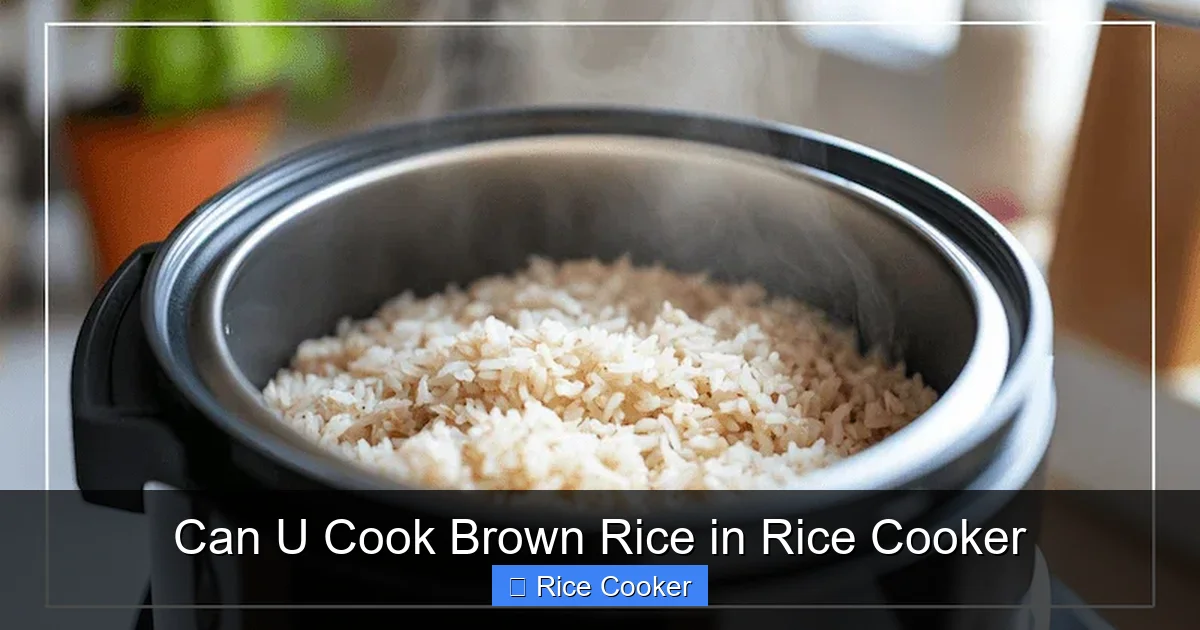
Can u cook brown rice in rice cooker? Absolutely! With the right water ratio and a few simple tweaks, your rice cooker can turn out fluffy, tender brown rice every time. Unlike white rice, brown rice takes a little more patience and care—but the payoff is worth it. In this guide, we’ll walk you through everything you need to know, from measuring and rinsing to timing and cleanup.
Key Takeaways
- Brown rice is nutritious: It’s higher in fiber, vitamins, and minerals than white rice, making it a healthier choice.
- Your rice cooker works just fine: Most modern rice cookers handle brown rice without any special settings.
- Water ratio matters: Use 1:2.25 (rice to water) instead of the standard 1:2 for white rice.
- Rinsing removes excess starch: This helps prevent mushy rice and improves texture.
- Soaking shortens cooking time: Letting brown rice sit before cooking can reduce total time by up to 30 minutes.
- Patience is key: Brown rice cooks slower and needs more time to absorb water and soften.
- Cleanup is easy: Just rinse the inner pot after use and wipe the exterior with a damp cloth.
Key Takeaways
- Understanding can u cook brown rice in rice cooker: Provides essential knowledge
Quick Answers to Common Questions
Can I cook brown rice in any rice cooker?
Yes, most rice cookers—even basic ones—can cook brown rice. Just adjust the water ratio and allow extra cooking time.
Do I need a special setting for brown rice?
Not necessarily. While some advanced models have a “brown rice” setting, it’s not required. Manual cooking with the right water amount works just fine.
How much water do I use for 1 cup of brown rice?
Use 2.25 cups of water per 1 cup of brown rice. This ratio ensures proper absorption and soft texture.
Should I soak brown rice before cooking?
Soaking is optional but helpful. It reduces cooking time and improves texture. Soak for 20–30 minutes before rinsing and cooking.
How long does brown rice take to cook in a rice cooker?
It typically takes 45 to 60 minutes, followed by a 10–15 minute resting period for best results.
📑 Table of Contents
- Can U Cook Brown Rice in Rice Cooker? The Simple Answer
- Why Choose Brown Rice Over White?
- What Kind of Rice Cooker Do You Need?
- How to Cook Brown Rice in a Rice Cooker (Step-by-Step)
- Common Mistakes and How to Avoid Them
- Tips for Perfect Brown Rice Every Time
- How Long Does It Take to Cook Brown Rice?
- Can You Use a Pressure Cooker Instead?
- Health Benefits of Eating Brown Rice
- Creative Ways to Serve Brown Rice
- Final Thoughts: Is It Worth It?
Can U Cook Brown Rice in Rice Cooker? The Simple Answer
Yes, absolutely—can u cook brown rice in rice cooker? You bet! Whether you’re new to whole grains or just looking to upgrade your meals, using your rice cooker for brown rice is one of the easiest ways to enjoy a nutritious, delicious side dish. While it might seem tricky at first because brown rice has a tougher outer layer and takes longer to cook, modern rice cookers are built to handle it. All you need is the right technique, a little patience, and a willingness to tweak your usual method.
Unlike stovetop cooking, where you have to babysit the pot, a rice cooker does most of the work for you. You add rice and water, press a button, and wait. But brown rice isn’t exactly like white rice—it requires more water and a longer cook time. That’s why many people skip it, reaching for the quick-cooking white variety instead. But trust me, once you get the hang of it, you’ll wonder why you ever gave up on this superfood.
Why Choose Brown Rice Over White?
If you’re wondering whether the extra effort is worth it, let’s talk nutrition. Brown rice is what’s left after removing only the husk of the grain—not the bran and germ. This means it retains most of its natural nutrients, including fiber, magnesium, selenium, and B vitamins. Studies show that diets rich in whole grains like brown rice can help lower cholesterol, stabilize blood sugar, and support digestive health.
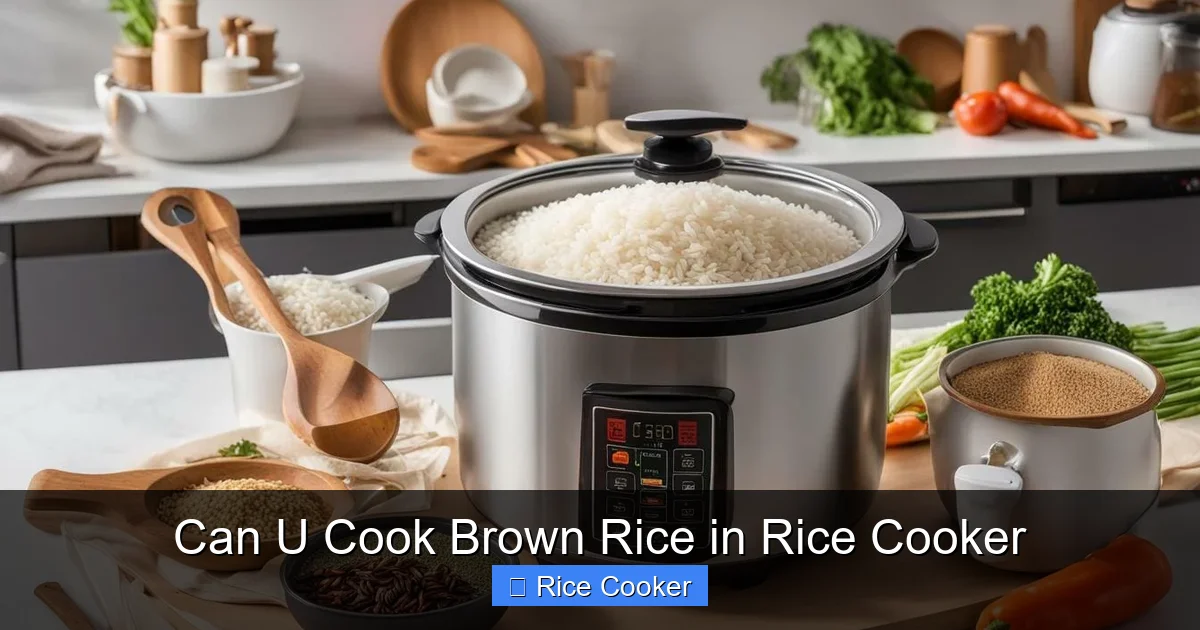
Visual guide about Can U Cook Brown Rice in Rice Cooker
Image source: ricearray.org
White rice, on the other hand, has been stripped down to mostly carbohydrates. While it’s still safe to eat, it lacks the same nutritional punch. If you’re aiming for a balanced diet, swapping white rice for brown is a smart move. And the best part? Brown rice has a nutty flavor and chewy texture that pairs well with almost anything—from stir-fries to salads.
What Kind of Rice Cooker Do You Need?
You don’t need a fancy smart rice cooker with multiple settings just to cook brown rice. Even basic models work perfectly fine. What matters most is that your rice cooker has a heating element and a timer. Most rice cookers also come with a non-stick inner pot, which makes cleanup easier—especially important when working with brown rice, which tends to stick a bit more.
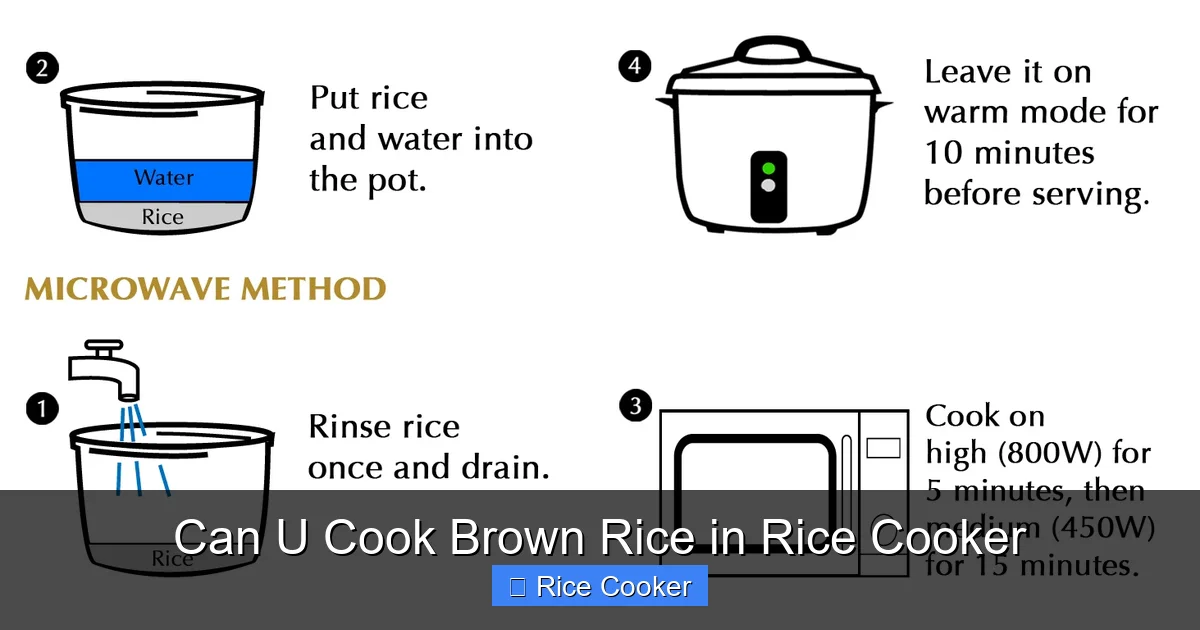
Visual guide about Can U Cook Brown Rice in Rice Cooker
Image source: familychoice.com.ph
That said, if you plan to cook different types of rice often—like jasmine, basmati, or even wild rice—a rice cooker with multiple settings (like pressure cooking or steaming) can be helpful. Some high-end models even have dedicated “brown rice” buttons that adjust water levels and timing automatically. But again, these aren’t necessary—you can always do it manually.
Basic vs. Advanced Rice Cookers
- Basic model: One button, simple operation. Perfect for beginners.
- Advanced model: Multiple settings, programmable timers, delay start. Great if you want flexibility.
No matter which type you have, the process for cooking brown rice remains largely the same. The main difference is knowing how much water to add and how long to let it cook.
How to Cook Brown Rice in a Rice Cooker (Step-by-Step)
Cooking brown rice in a rice cooker doesn’t have to be complicated. Follow these simple steps, and you’ll end up with perfectly cooked rice every time.
Step 1: Measure Your Rice
Start by measuring your brown rice. A standard serving is about 1/2 cup uncooked per person. Use a measuring cup—don’t eyeball it. Accuracy matters when dealing with brown rice, since it absorbs a lot of water.
Step 2: Rinse the Rice
Rinsing removes excess starch from the surface of the rice grains. This prevents them from clumping together and becoming sticky. To rinse:
- Place the rice in a fine-mesh strainer.
- Run cool water over it for about 30–60 seconds.
- Gently swirl the rice with your fingers to loosen any dust or debris.
- Drain well—excess water can throw off your ratio.
Pro tip: Don’t rinse too long. You want to remove surface starch, not leach away nutrients or soak up all the moisture.
Step 3: Add Water
This is the most important step. For brown rice, use a water-to-rice ratio of 1:2.25. That means for every 1 cup of rice, add 2.25 cups of water. Compare that to white rice, which uses 2 cups of water per cup of rice. Brown rice needs more because it takes longer to soften.
Example:
- 1 cup brown rice = 2.25 cups water
- 2 cups brown rice = 4.5 cups water
Step 4: Optional – Soak the Rice
Letting brown rice soak for 20–30 minutes before cooking can cut total cooking time by up to 30 minutes. It also helps the grains cook more evenly. To soak:
- Add water to the rice and let it sit at room temperature.
- Drain and rinse again before placing in the rice cooker.
Note: Soaking isn’t required, but it can make things easier, especially if you’re using older rice or a smaller rice cooker.
Step 5: Cook the Rice
Place the rinsed (and optionally soaked) rice into the inner pot of your rice cooker. Close the lid and select the “Cook” function. Most rice cookers will take between 45 and 60 minutes to finish.
Do not lift the lid during cooking. Opening it releases steam, which can affect the final texture.
Step 6: Let It Rest
Once the cycle ends, let the rice sit for 10–15 minutes with the lid closed. This allows the steam to finish cooking the rice and lets the moisture distribute evenly. Then fluff with a fork before serving.
Common Mistakes and How to Avoid Them
Even experienced cooks sometimes run into issues with brown rice. Here are the most common problems and how to fix them.
Mistake #1: Not Rinsing Enough
Result: Sticky, gummy rice.
Fix: Always rinse brown rice until the water runs clear. This removes surface starch and helps separate the grains.
Mistake #2: Using Too Little Water
Result: Undercooked, hard rice.
Fix: Stick to the 1:2.25 ratio. If your rice cooker has a “brown rice” setting, use it—but double-check the water level anyway.
Mistake #3: Skipping the Resting Period
Result: Uneven texture—some grains soft, others hard.
Fix: Always let brown rice rest after cooking. It’s part of the process!
Mistake #4: Overfilling the Pot
Result: Rice overflows or doesn’t cook properly.
Fix: Never fill the inner pot beyond the max line. Leave some space for expansion.
Mistake #5: Using Old or Low-Quality Rice
Result: Poor taste and texture.
Fix: Buy fresh, high-quality brown rice from a trusted brand. Check the expiration date and store it in an airtight container.
Tips for Perfect Brown Rice Every Time
Want to take your brown rice game to the next level? Try these expert tips.
Tip 1: Toast the Rice First
Searing brown rice in a bit of oil before adding water can enhance its nutty flavor. Just heat a small amount of oil in a pan, add the rice, and toast for 2–3 minutes before transferring it to the rice cooker.
Tip 2: Add Flavor Enhancers
Boost the taste by adding:
- A pinch of salt
- A tablespoon of olive oil or coconut oil
- 1–2 garlic cloves (crushed)
- A bay leaf
These go directly into the water before cooking.
Tip 3: Use Filtered Water
If your tap water has a strong taste or odor, filtered water can improve the final flavor of your rice.
Tip 4: Store Leftovers Properly
Cool leftover rice within two hours and refrigerate in an airtight container. Use within 4–5 days. Reheat with a splash of water to restore moisture.
Tip 5: Freeze for Long-Term Storage
Portion cooked brown rice into freezer bags, flatten them to save space, and freeze for up to 3 months. Thaw in the fridge overnight before reheating.
How Long Does It Take to Cook Brown Rice?
The average cooking time for brown rice in a rice cooker is 45 to 60 minutes. This includes both the active cooking phase and the resting period. Some rice cookers have a dedicated “brown rice” setting that adjusts timing automatically—these usually take around 55–65 minutes.
Factors that affect cooking time:
- Age of the rice (older rice may take longer)
- Type of rice cooker (pressure cookers cook faster)
- Altitude (higher elevations may require more water and time)
Quick Comparison: Cooking Times
| Method | Cooking Time | Notes |
|---|---|---|
| Rice Cooker (standard) | 45–60 min | Most reliable for home use |
| Pressure Cooker | 20–30 min | Faster but requires monitoring |
| Stovetop | 40–50 min | Requires stirring and watching |
| Soaked Rice (rice cooker) | 30–40 min | Shorter time with pre-soak |
Can You Use a Pressure Cooker Instead?
Yes! Pressure cookers like Instant Pots can cook brown rice in as little as 20–30 minutes. They work by trapping steam and increasing pressure, which speeds up the cooking process. Most pressure cookers have a “Rice” or “Manual” setting specifically for brown rice.
For an Instant Pot:
- Use 1:1.75 water ratio (less than rice cooker)
- Cook on high pressure for 20 minutes, then let pressure release naturally for 10 minutes
- Fluff and serve
Keep in mind: Pressure cooking produces softer, fluffier rice than a standard rice cooker. Some people prefer this texture, while others like the slightly chewier result from traditional methods.
Health Benefits of Eating Brown Rice
Choosing brown rice isn’t just about better taste—it’s about better health. Here’s what makes it stand out:
- High in Fiber: Supports digestion and keeps you full longer.
- Rich in Antioxidants: Helps fight inflammation and oxidative stress.
- Low Glycemic Index: Releases energy slowly, helping manage blood sugar.
- Heart Health: Linked to reduced risk of heart disease when eaten regularly.
- Weight Management: Its fiber content promotes satiety, reducing overeating.
Incorporating brown rice into your diet can be as simple as swapping it for white rice in stir-fries, bowls, or even sushi rolls.
Creative Ways to Serve Brown Rice
Don’t settle for plain steamed brown rice. Here are some tasty ideas:
Brown Rice Bowls
Top with grilled chicken, roasted vegetables, avocado, and a tahini dressing. Add a fried egg for extra protein.
Mexican-Style Brown Rice
Cook rice with onion, garlic, tomato paste, cumin, and black beans. Serve with salsa and guacamole.
Buddha Bowls
Layer rice with quinoa, chickpeas, kale, carrots, and a lemon-tahini sauce.
Fried Rice
Use day-old brown rice, scramble eggs, add peas, carrots, soy sauce, and your favorite proteins.
Risotto-Like Dish
Slow-cook brown rice with broth, mushrooms, thyme, and Parmesan for a creamy, comforting meal.
Final Thoughts: Is It Worth It?
So, can u cook brown rice in rice cooker? Yes—without a doubt. It might take a little more attention than white rice, but the benefits are clear: better nutrition, richer flavor, and endless recipe possibilities. Once you master the basics, you’ll find yourself reaching for brown rice more often.
Remember: consistency is key. Don’t get discouraged if your first batch isn’t perfect. Adjust water ratios, try soaking, and experiment with flavors. Soon enough, you’ll be making restaurant-quality brown rice at home.
And here’s the best part: you’re not just feeding your body—you’re feeding your future self with every scoop. That’s something worth investing a little extra time into.
Frequently Asked Questions
Is brown rice harder to digest than white rice?
Yes, due to its higher fiber content, brown rice can be harder to digest for some people. Start with smaller portions and ensure it’s fully cooked.
Can I cook other whole grains in my rice cooker?
Absolutely. Quinoa, barley, millet, and farro can all be cooked in a rice cooker with adjusted water ratios and times.
Does brown rice need to be refrigerated after cooking?
Yes, leftover cooked brown rice should be stored in the refrigerator within two hours and used within 4–5 days for food safety.
Can I use brown rice in place of white rice in recipes?
Yes, but adjust liquid amounts and cooking times. Brown rice absorbs more water and may change the texture slightly.
Why is my brown rice still hard after cooking?
It could be undercooked due to insufficient water, old rice, or not letting it rest. Try increasing water by ¼ cup or soaking beforehand.
Can I cook brown rice in a slow cooker?
Yes, but it will take several hours on low heat. Use 1:2.5 water ratio and monitor closely to avoid drying out.