
Can u cook rice in a microwave? Absolutely! With the right technique, your microwave can produce perfectly cooked, fluffy rice without a dedicated rice cooker. Whether you’re cooking white rice, brown rice, or even wild rice, this method saves time and works great for one-pot meals, dorm rooms, or busy kitchens. We’ll walk you through everything from ratios to timing so you never have to guess again.
Key Takeaways
- Yes, it’s possible: You can cook various types of rice—white, brown, jasmine, basmati—in a microwave using simple methods.
- Proportions matter: Use 1 cup rice to 2 cups water (or broth) for most types, adjusting slightly for brown rice.
- Covered is key: Always use a microwave-safe container with a lid or vented cover to trap steam and ensure even cooking.
- Resting improves texture: Let rice sit covered for 5 minutes after cooking to absorb remaining moisture and fluff up.
- Experiment with flavors: Add herbs, garlic, or butter during cooking for enhanced taste without extra steps.
- Safety first: Stir carefully after cooking—rice can be super hot and may splatter when opened.
Quick Answers to Common Questions
Can u cook rice in a microwave without a lid?
No, covering is essential to trap steam and ensure even cooking. Without a lid, rice dries out or becomes soggy.
How long does it take to cook 1 cup of rice in the microwave?
About 10–12 minutes on high for white rice, depending on your microwave’s wattage. Always check for doneness halfway.
Do I need to soak rice before microwaving?
Soaking isn’t required but helps, especially for brown rice. Soak for 15–30 minutes to reduce cooking time and improve texture.
Can I cook rice directly in its packaging?
Only if the package is microwave-safe and designed for it (like some instant rice brands). Never microwave sealed plastic.
What’s the best container for microwaving rice?
A large, microwave-safe glass or ceramic bowl with a vented lid works best. Avoid plastic unless labeled safe for high heat.
📑 Table of Contents
- Can U Cook Rice in a Microwave? The Short Answer
- Why People Ask: Can U Cook Rice in a Microwave?
- Types of Rice You Can Cook in a Microwave
- Step-by-Step Guide: How to Cook Rice in a Microwave
- Common Mistakes & How to Fix Them
- Tips for Perfect Microwaved Rice Every Time
- Microwaved Rice vs. Traditional Methods
- Creative Uses for Microwaved Rice
- Safety Tips When Cooking Rice in the Microwave
- Frequently Asked Questions About Microwaved Rice
Can U Cook Rice in a Microwave? The Short Answer
Yes, absolutely! If you’ve ever wondered “can u cook rice in a microwave”, the answer is a confident yes—especially if you don’t own a rice cooker or need a quick meal fix. While traditional stovetop or electric rice cookers are ideal for consistent results, your microwave is a surprisingly capable kitchen tool for preparing fluffy, well-cooked grains. It’s perfect for dorm students, tiny apartments, camping trips, or anyone looking to save time without sacrificing flavor or texture.
The magic behind microwaving rice lies in how heat penetrates evenly when moisture is controlled and contained. Unlike boiling, which can overcook edges while leaving centers underdone, microwaving uses direct radiant energy that cooks rice more uniformly—when done right. Plus, it’s hands-off once you get the setup down. In this guide, we’ll break down exactly how to do it, what pitfalls to avoid, and why your microwave might just become your new go-to for side dishes, grain bowls, and even breakfast porridge.
Why People Ask: Can U Cook Rice in a Microwave?
You might be asking yourself, “Can u cook rice in a microwave?” because you’re short on space, time, or equipment. Maybe you live in a studio apartment where a rice cooker feels like overkill. Or perhaps you’re hosting guests and need a fast, reliable side dish. Whatever the reason, people turn to microwaves for convenience—and yes, it works!
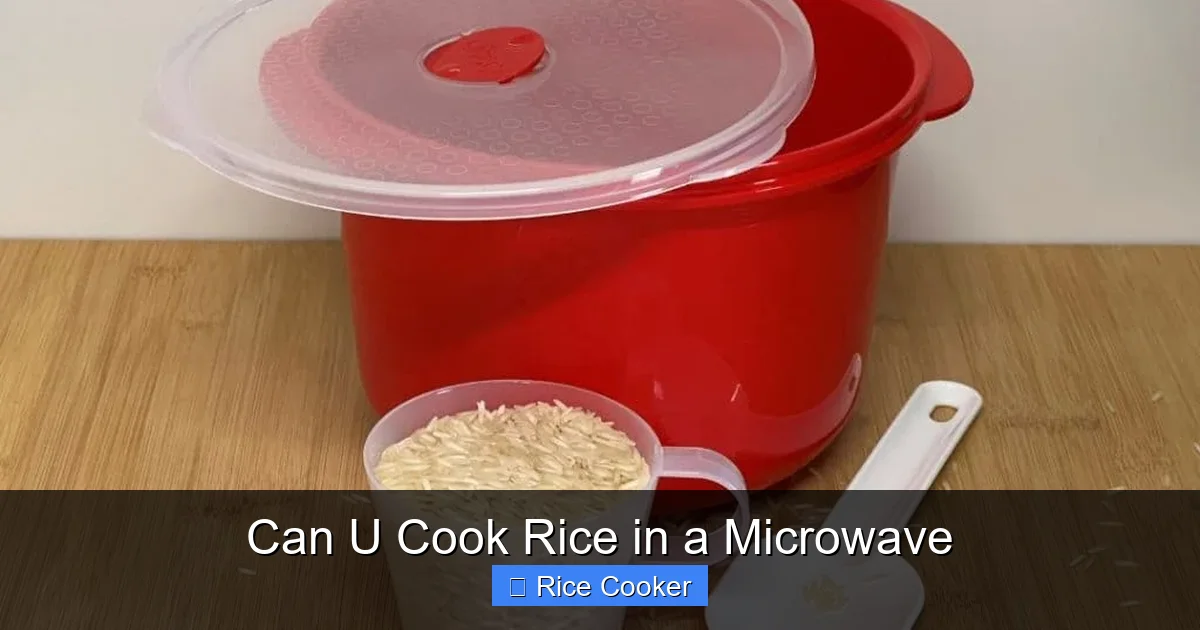
Visual guide about Can U Cook Rice in a Microwave
Image source: ovenspot.com
Historically, rice was boiled on the stove or steamed in specialized pots, but modern microwaves have evolved enough to handle delicate cooking tasks like steaming grains. Many models now feature turntables and multiple power levels, making them suitable for more than just reheating leftovers. With a little know-how, your microwave can deliver restaurant-quality rice in under 10 minutes.
Types of Rice You Can Cook in a Microwave
Not all rice is created equal—and not all work the same way in the microwave. Here’s a breakdown of common varieties and their best microwave techniques:
Visual guide about Can U Cook Rice in a Microwave
Image source: hungryhuy.com
White Rice (Long-Grain & Short-Grain)
White rice is the easiest to cook in the microwave due to its high starch content and quick absorption rate. Long-grain varieties like basmati or jasmine are especially forgiving. Use a ratio of 1:2 (rice to liquid), cover tightly, and cook on high for 10–12 minutes. Let it rest before fluffing.
Brown Rice
Brown rice takes longer because its bran layer slows water absorption. Increase the water ratio to 1:2.5 or even 1:3, and extend cooking time by 3–5 minutes. Some people prefer to pre-soak brown rice for 15–30 minutes before cooking to speed things up.
Wild Rice
This nutty, chewy grain needs patience. Wild rice requires 1:4 or higher water ratio and 15–20 minutes of cooking time. It also benefits from a longer resting period to fully rehydrate.
Instant Rice
If you’re using instant or parboiled rice, follow package instructions—usually involving less water and shorter times. These often come pre-treated for faster cooking, including in microwaves.
Gluten-Free & Specialty Grains
Rice blends, arborio (for risotto-style textures), and even quinoa (though not technically rice) can be adapted. Adjust ratios and times based on grain density and starch profile. Quinoa, for example, usually needs 1:2.5 water and 12–15 minutes.
Step-by-Step Guide: How to Cook Rice in a Microwave
Ready to try it? Follow these simple steps for foolproof microwaved rice every time.
Gather Your Supplies
- Microwave-safe bowl or container (at least 2x the volume of raw rice)
- Fine-mesh strainer (optional, for rinsing)
- Lid, plate, or plastic wrap with vent hole
- Measuring cup and spoon
- Wooden spoon or fork for fluffing
Measure & Rinse (Optional)
For white rice, rinsing removes excess starch and prevents stickiness. Place 1 cup rice in a strainer and rinse under cold water until the runoff runs clear. For brown rice, rinsing is optional but helps reduce phytic acid.
Add Water & Seasonings
Use a 1:2 ratio for white rice, 1:2.5 for brown, and 1:4 for wild rice. Add salt or broth instead of plain water for extra flavor. If using butter or oil, add 1 teaspoon per cup of rice—this helps prevent sticking and adds richness.
Cover & Microwave
Place rice and water in the bowl. Cover with a tight-fitting lid, microwave-safe plate, or plastic wrap punctured with several holes. Cook on high, starting with 10 minutes for white rice. Check halfway through—if water hasn’t absorbed, add 30 seconds and continue.
Let It Rest
After cooking, remove from microwave carefully (steam will escape!). Keep covered and let stand for 5 minutes. This allows residual steam to finish cooking the rice and makes fluffing easier.
Fluff & Serve
Use a fork to gently fluff the rice, separating grains. Avoid pressing down—this compacts the rice and ruins texture. Serve immediately or keep warm in a covered dish.
Common Mistakes & How to Fix Them
Even experienced cooks make mistakes. Here’s how to spot and correct them:
Mistake: Rice Sticks Together
Cause: Too much water, no oil, or over-stirring.
Fix: Reduce water slightly next time. Add ½–1 tsp oil or butter. Don’t stir during cooking—only after.
Mistake: Undercooked Center
Cause: Insufficient cooking time or uneven heating.
Fix: Stir once halfway through (gently). Add 30-second intervals if needed. Use a larger container to distribute heat better.
Mistake: Soggy or Gummy Texture
Cause: Overcooking or poor ventilation.
Fix: Drain excess water after cooking. Open lid briefly to release steam. Fluff thoroughly.
Mistake: Burnt Bottom
Cause: Low-power microwave or uncovered cooking.
Fix: Use a ceramic or glass container (not metal). Stir halfway. Consider rotating the dish if your microwave doesn’t have an auto-turn feature.
Tips for Perfect Microwaved Rice Every Time
Want consistently great results? Try these pro tips:
- Preheat the container: Warm your bowl with hot water for 30 seconds before adding rice. This kickstarts even cooking.
- Use a vented lid: Plastic wrap with small holes lets steam escape without letting water droplets fall back in.
- Don’t lift the lid: Opening too soon releases heat and disrupts steam buildup.
- Test doneness: After cooking, press a grain—it should be tender but slightly firm in the center.
- Store properly: Leftover rice cools fastest in shallow layers. Refrigerate within 2 hours and reheat with a splash of water.
Microwaved Rice vs. Traditional Methods
How does microwave rice stack up against stovetop or electric rice cookers? Let’s compare:
| Method | Time | Texture Control | Energy Use | Best For |
|---|---|---|---|---|
| Stovetop | 20–30 min | High (manual monitoring) | Moderate | Large batches, precise control |
| Electric Rice Cooker | 25–40 min | Very High (auto shutoff) | Low | Daily use, consistency |
| Microwave | 10–15 min | Medium (depends on technique) | Low | Quick meals, small servings |
While rice cookers win on automation and texture, microwaves offer unmatched speed and simplicity for single servings or last-minute needs.
Creative Uses for Microwaved Rice
Once you master basic rice, expand your culinary horizons:
Grain Bowls
Cook rice as a base, then top with roasted veggies, grilled chicken, avocado, and tahini dressing for a quick lunch.
Risotto-Style Dishes
Instead of constant stirring, microwave arborio rice with broth in stages (add ½ cup at a time), stirring between additions. Finish with Parmesan and butter.
Buddha Bowls
Combine microwaved rice with lentils, pickled carrots, edamame, and sesame seeds. Drizzle with miso glaze.
Breakfast Porridge
Use oats or quinoa cooked like rice with milk, cinnamon, and fruit. Sweeten with honey or maple syrup.
Meal Prep Hack
Cook 2 cups rice on Sunday, portion into containers, and reheat in the microwave for grab-and-go meals all week.
Safety Tips When Cooking Rice in the Microwave
Microwaving rice is safe when you follow these guidelines:
- Never use metal containers or foil. They cause sparks and uneven heating.
- Handle hot steam carefully. Open lids away from your face.
- Check for hot spots. Rice can retain heat in pockets—stir before eating.
- Avoid cross-contamination. Wash hands and utensils after handling raw rice, especially if cooking for others.
Frequently Asked Questions About Microwaved Rice
Question 1?
Answer…
Question 2?
Answer…
Question 3?
Answer…
Question 4?
Answer…
Question 5?
Answer…
Frequently Asked Questions
Is microwaved rice as good as stovetop rice?
It depends on preference and situation. Stovetop offers more control, but microwaved rice can be equally delicious with proper technique, especially for small portions.
Can I cook frozen rice in the microwave?
Yes, but thaw it first for even heating. Add extra 1–2 minutes to cooking time compared to fresh rice.
Why does my microwave rice taste bland?
You may need more seasoning. Try cooking rice in broth instead of water, or add herbs, garlic, or butter during the last minute.
Can I cook rice and vegetables together in the microwave?
Absolutely! Add chopped carrots or peas with the rice and water. Adjust cooking time slightly—vegetables may need extra 2–3 minutes.
How do I reheat leftover microwaved rice?
Add a splash of water to the rice, cover, and microwave in 30-second bursts, stirring between each, until heated through.
Will cooking rice in the microwave affect the nutritional value?
No significant difference in nutrition between cooking methods. Microwaving preserves vitamins better than boiling due to shorter exposure to heat.