
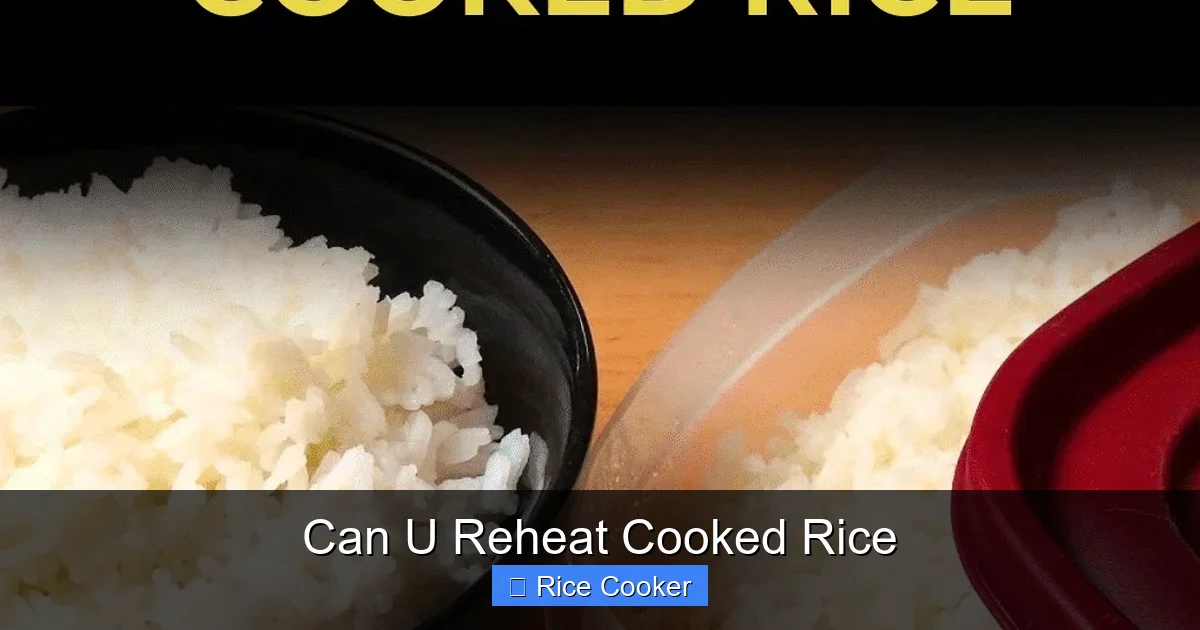
Can u reheat cooked rice? Absolutely! Reheating rice is not only possible but also safe when done correctly. With the right techniques—like using a microwave with a damp paper towel or steaming it on the stovetop—you can enjoy fluffy, flavorful leftovers without worry. Whether you’re meal prepping or salvaging last night’s dinner, mastering rice reheating ensures no grain goes to waste.
Key Takeaways
- Reheating rice is safe: As long as it’s stored and heated properly, reheated rice won’t cause foodborne illness.
- Microwave method works best: Use short bursts with moisture to prevent dryness and uneven heating.
- Stovetop gives better texture: Steaming rice over low heat restores softness and prevents sticking.
- Always cool before storing: Cool rice quickly in the fridge within two hours of cooking to avoid bacterial growth.
- Freezing extends shelf life: Properly frozen rice can be reheated safely for up to one month.
- Check temperature: Ensure rice reaches 165°F (74°C) internally during reheating for maximum safety.
- Avoid overcooking: Overheated rice becomes tough; monitor closely to preserve quality.
[FEATURED_IMAGE_PLACEHOLDER]
Introduction: The Rice Reheat Debate – Yes, It’s Possible!
You’ve just finished a delicious bowl of fried rice or savory biryani, and there’s enough left for tomorrow. But now comes the question that haunts home cooks everywhere: can u reheat cooked rice? The short answer is yes—but with caveats. While many people assume leftover rice is a health risk, the real danger lies not in reheating it, but in improper storage and handling.
Rice, especially when cooked in large batches, often ends up as leftovers. Instead of tossing it out, learning how to reheat cooked rice safely can save time, reduce food waste, and keep your meals delicious. From microwaving to steaming, different methods yield varying results. Some leave rice dry and crumbly; others make it moist and tender. The key? Technique matters more than method.
In this guide, we’ll explore everything you need to know about reheating cooked rice—from safety basics to flavor hacks. You’ll learn why some people worry about reheating rice (and whether those fears are justified), how to store it like a pro, and which tools—like rice cookers and steamers—can help you get perfect results every time. By the end, you’ll never look at leftover rice the same way again.
Is It Safe to Reheat Cooked Rice?
The Germ Theory Behind Rice Concerns
Many people hesitate to reheat cooked rice because of something called Bacillus cereus, a bacteria that can survive normal cooking temperatures and multiply in warm, moist environments. When rice is left at room temperature after cooking, these spores can grow and produce toxins that cause food poisoning—especially if the rice was cooked days ago and improperly stored.
However, reheating itself does not create toxins. In fact, reheating rice to the proper internal temperature kills any bacteria present. The real risk comes from letting cooked rice sit too long before refrigerating it. That’s why timing and storage are critical.
Safe Reheating Guidelines
- Refrigerate within 2 hours: Always cool rice quickly and store it in an airtight container in the fridge.
- Heat thoroughly: Reheat until rice reaches 165°F (74°C) throughout.
- Avoid repeated reheating: Each time you reheat, bacteria can regrow if not cooled and stored properly.
So yes—can u reheat cooked rice? Definitely. Just follow food safety rules, and you’re golden.
Best Methods to Reheat Cooked Rice
Microwave Method: Quick & Easy
If you’re short on time, the microwave is your friend. But doing it wrong leads to rubbery or soggy rice. Here’s how to do it right:
- Place rice in a microwave-safe bowl.
- Add a splash of water or broth (1–2 tablespoons per cup of rice).
- Cover with a damp paper towel—this traps steam and prevents drying.
- Heat on high in 30-second intervals, stirring between each burst.
- Check temperature and fluff with a fork before serving.
This method works great for small portions and preserves moisture better than uncovered microwaving.
Stovetop Steaming: Fluffier Results
For restaurant-quality texture, try the stovetop method. This mimics how rice is cooked initially and helps redistribute moisture evenly.
- Bring ½ inch of water or broth to a simmer in a skillet.
- Add rice, cover tightly, and reduce heat to low.
- Cook for 5–7 minutes, then turn off heat and let sit 5 more minutes.
- Fluff gently—no forks needed!
This technique is ideal for larger batches and pairs well with sauces or stir-fries.
Oven Reheating: Hands-Off Convenience
Perfect for reheating multiple servings at once. Preheat oven to 350°F (175°C). Spread rice on a baking sheet lined with parchment, add a drizzle of oil or water, cover with foil, and warm for 10–15 minutes. Stir halfway through for even heat.
Air Fryer Hack: Crispy Edges
Want a fun twist? Try the air fryer. Set to 350°F, spray rice lightly, and reheat for 3–5 minutes. Great for fried rice lovers who crave that crunchy bite.
How to Store Leftover Rice Like a Pro
Cooling Down Fast
Speed matters. Don’t let rice sit on the counter more than two hours. Spread it in shallow containers or divide into smaller portions to cool faster. This minimizes the window for bacteria to thrive.
Airtight Containers Are Key
Store rice in containers with tight-fitting lids. Glass or BPA-free plastic works well. Label them with dates so you know how long they’ve been stored.
Refrigeration vs. Freezing
- Fridge: Holds for 3–4 days.
- Freezer: Can last up to 1 month. Wrap tightly in freezer bags or use vacuum-sealed containers to prevent freezer burn.
When freezing, portion rice into meal-sized amounts for easier reheating later.
Common Mistakes When Reheating Rice
Mistake #1: Heating Without Moisture
Dry rice reheated without added liquid turns out chewy and unappetizing. Always add water, broth, or oil before reheating.
Mistake #2: Using High Power Continuously
Microwaving rice nonstop causes hot spots and uneven texture. Short bursts are safer and gentler.
Mistake #3: Not Stirring Enough
Stirring redistributes heat and prevents clumping. Skipping this step leads to mushy patches.
Mistake #4: Reheating Too Long
Overcooked rice becomes sticky and loses its shape. Keep an eye on it—especially in the microwave.
Mistake #5: Ignoring Temperature Checks
Even if it looks hot, use a food thermometer to confirm internal temperature hits 165°F.
Tips to Make Reheated Rice Taste Fresh
Add Flavor During Reheating
Infuse your rice with extra taste while warming it. Add soy sauce, sesame oil, herbs, or diced vegetables directly into the reheating process. For example, toss in a handful of spinach and a splash of chicken broth for instant green fried rice.
Use a Rice Cooker (If Available)
If you own a rice cooker, it’s perfect for reheating. Add a bit of liquid, select the “warm” setting, and let it steam for 10 minutes. Many modern models have a “reheat” function—check your manual!
Fluff Before Serving
Gently fluff with a fork or rice paddle. This separates grains, removes excess moisture, and improves texture.
Pair with Complementary Dishes
Reheated rice shines in bowls, salads, or casseroles. Top with fried eggs, grilled chicken, or roasted veggies to mask minor texture changes.
Special Considerations: Brown Rice vs. White Rice
Brown Rice Reheating Tips
Brown rice holds moisture better than white rice due to its bran layer. It tends to stay softer longer when reheated. Use slightly less liquid than usual to avoid sogginess.
White Rice Reheating Tips
White rice dries out faster. If your leftover white rice feels stiff, add a teaspoon of water per cup before reheating. Steam or microwave with a damp cloth for best results.
Coconut Rice & Sushi Rice
These varieties require gentler handling. Coconut rice benefits from steaming to revive creaminess. Sushi rice needs careful rehydration—never boil or overheat, or it will become gummy.
Fun Facts About Rice Reheating
- Rice can be safely reheated multiple times—as long as it’s cooled and refrigerated between uses.
- The oldest known evidence of rice cultivation dates back over 9,000 years.
- Japan consumes the most rice per capita globally—about 62 kg per person annually.
- Reheating rice doesn’t destroy nutrients—it may even retain more antioxidants than fresh-cooked rice in some cases.
- In Southeast Asia, leftover rice is often fried immediately the next day—a practice that actually reduces bacterial risks.
Conclusion: Master the Art of Reheating Rice
So, can u reheat cooked rice? The answer is a confident yes—when done safely and thoughtfully. Gone are the days of tossing out perfectly good leftovers. With the right tools, techniques, and attention to detail, reheating rice can be quick, tasty, and worry-free.
Whether you choose the microwave for speed or the stovetop for fluffiness, the goal is consistent moisture, even heating, and food safety. Remember: cool fast, store properly, and reheat thoroughly. And don’t forget to fluff—because presentation counts too!
Next time you have rice leftovers, don’t hesitate. Grab your favorite method, add a splash of flavor, and enjoy a second round that tastes almost as good as the first. Your future self—and your taste buds—will thank you.
FAQs
Can you eat cold rice?
Yes, cold rice is safe to eat as long as it was stored properly in the refrigerator. Many cuisines—like poke bowls or rice salads—are made with chilled rice. Just ensure it wasn’t left out at room temperature for more than two hours.
How long can reheated rice be kept?
Once reheated, rice should be consumed within 24–48 hours. Refrigerate immediately after reheating and use within two days for best quality and safety.
Does reheating rice destroy nutrients?
No significant nutrient loss occurs during reheating. In fact, reheating can sometimes increase the availability of certain antioxidants. Cooking and reheating affect nutrients differently, but overall, rice remains a nutritious staple.
What’s the difference between reheating and rewarming rice?
Reheating typically refers to bringing cold rice back to eating temperature, while rewarming might imply restoring texture or moisture without necessarily reaching full heat. Both involve gentle warming, often with added liquid.
Can I reheat rice more than once?
It’s possible, but not recommended. Each reheating cycle increases bacterial risk if not cooled and stored correctly. For optimal safety, treat reheated rice as a new dish and consume within a day.
Why is my reheated rice still hard?
Hard rice usually means insufficient liquid or inadequate reheating time. Always add water or broth, cover to trap steam, and heat in short intervals. Stovetop steaming often yields softer results than microwaving.
This is a comprehensive guide about can u reheat cooked rice.
Key Takeaways
- Understanding can u reheat cooked rice: Provides essential knowledge
Frequently Asked Questions
What is can u reheat cooked rice?
can u reheat cooked rice is an important topic with many practical applications.