
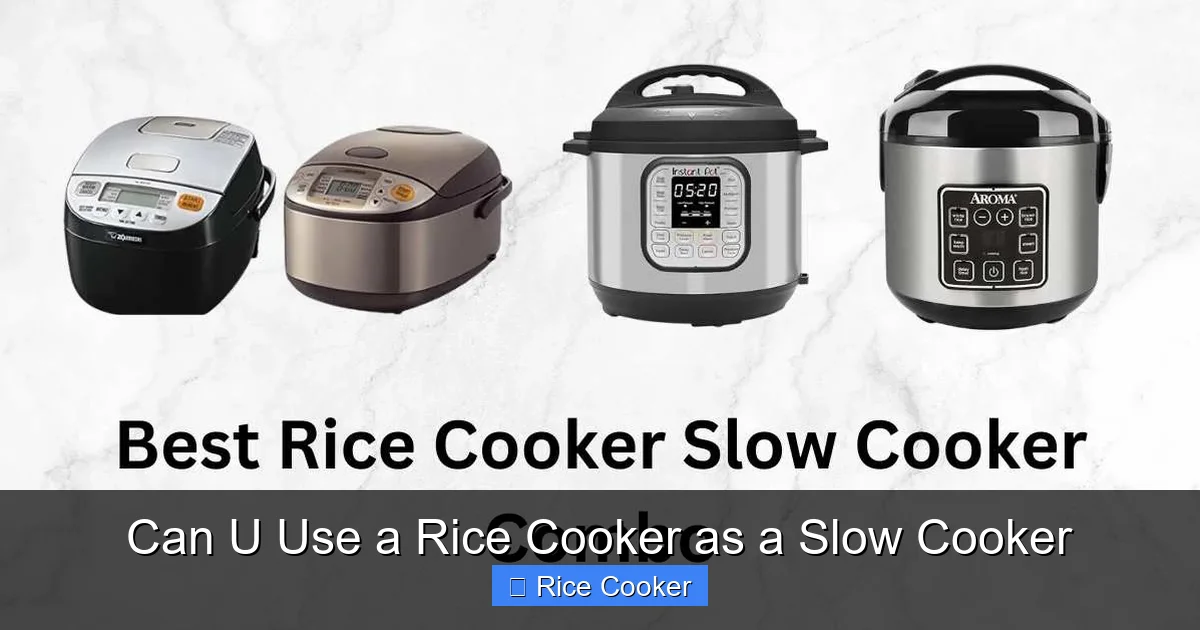
Can you use a rice cooker as a slow cooker? The short answer is yes—but with important caveats. While both appliances cook food over time, their designs differ significantly. A rice cooker can handle low-and-slow cooking for certain meals, but it lacks the precise temperature control and extended duration of a true slow cooker. In this article, we’ll explore exactly how, when, and why you might (or shouldn’t) substitute one for the other.
Key Takeaways
- Rice cookers can mimic slow cooking for short durations, but they don’t offer the same long-term, low-heat consistency.
- Not all rice cookers are created equal—models with keep-warm or low settings work better than basic ones.
- Safety first: Rice cookers aren’t designed for unattended overnight cooking; bacteria grow if food sits too long.
- Great for quick stews and grains—try lentil soup, chicken stew, or oatmeal in your rice cooker.
- Slow cookers have superior insulation, allowing longer cooking without drying out food.
- Repurposing saves money—why buy two appliances if one can do double duty?
- Know your appliance specs—check manuals for wattage, timer limits, and safety features before trying new recipes.
📑 Table of Contents
- Introduction: The Kitchen Appliance Conundrum
- Understanding the Differences Between Rice Cookers and Slow Cookers
- When Can You Actually Use a Rice Cooker Like a Slow Cooker?
- Limitations and Safety Concerns
- Practical Tips for Repurposing Your Rice Cooker
- Cooking Ideas: What You Can Make
- Slow Cooker vs. Rice Cooker: Which Should You Buy?
- Final Thoughts: Is It Worth It?
Introduction: The Kitchen Appliance Conundrum
Have you ever stood in your kitchen, staring at a pot of beans that need hours to soften, and thought, “There has to be an easier way”? Maybe you bought a rice cooker thinking it would only handle rice—but now you’re wondering: Can I use my rice cooker as a slow cooker?
This question pops up often, especially among home cooks trying to save space, money, or simply make the most of what they own. After all, both rice cookers and slow cookers are staples in modern kitchens, and their functions seem similar at first glance. But here’s the truth: while they share some overlap, they’re built for different jobs.
In this deep dive, we’ll break down exactly what makes each appliance tick, explore real-world scenarios where a rice cooker can stand in for a slow cooker, and help you decide whether this kitchen swap is right for you. Whether you’re meal-prepping for the week or just curious about appliance versatility, you’ll walk away with practical insights—and maybe even a new favorite recipe.
Understanding the Differences Between Rice Cookers and Slow Cookers
How Each Appliance Works
A rice cooker is essentially a small electric pressure cooker designed specifically for grains. Most operate using heat cycling—boiling water, then switching to a lower “warm” setting once boiling stops. This keeps rice from burning while steaming it perfectly. Some advanced models include fuzzy logic chips that adjust timing based on moisture content.
Visual guide about Can U Use a Rice Cooker as a Slow Cooker
Image source: ovenspot.com
On the flip side, a slow cooker uses gentle, consistent low heat over several hours. It’s insulated like a thermos, so once it reaches temperature, it maintains it almost perfectly. That means no hot spots, no scorching, and no need to stir constantly.
Temperature and Time Control
This difference matters a lot. A typical rice cooker runs at around 180–200°F during its warm cycle, which isn’t quite enough for safe long-term meat or bean cooking. Meanwhile, a slow cooker stays steady between 190–205°F—ideal for breaking down collagen in tough cuts of meat.
Also, most rice cookers automatically shut off after 12–24 hours max, but many don’t have timers you can set ahead of time like dedicated slow cookers do. So if you want to leave dinner cooking while you’re at work? Your rice cooker probably won’t cut it.
When Can You Actually Use a Rice Cooker Like a Slow Cooker?
Short-Term Low-and-Slow Cooking
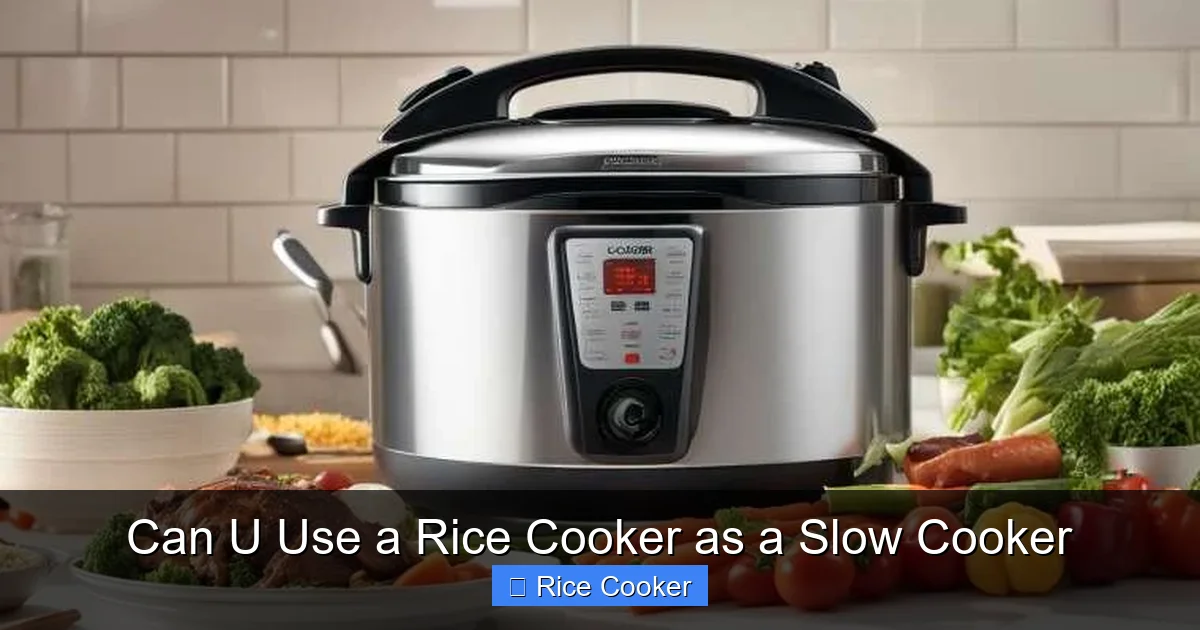
If you’re not planning to leave food unattended for 6+ hours, your rice cooker can handle light simmering tasks. Try making chili, vegetable soup, or even a simple pasta sauce. Just remember to stir occasionally and avoid letting liquids boil dry.
Visual guide about Can U Use a Rice Cooker as a Slow Cooker
Image source: ricearray.org
For example, toss diced tomatoes, onions, carrots, and kidney beans into your rice cooker with a splash of broth. Set it to high for 2–3 hours, stirring every 30 minutes. You’ll get flavorful, tender results—just like a slow-cooked version!
Grains Beyond Rice
One surprising benefit: many rice cookers can cook oats, quinoa, farro, barley, or polenta with excellent results. These dishes don’t require the extended heat of a slow cooker anyway—they’re usually ready in under an hour.
Try steel-cut oats in the morning by adding rolled oats, water, and a pinch of salt to your rice cooker. Turn it on before bed, and wake up to creamy, evenly cooked oatmeal every time. No stove needed!
Limitations and Safety Concerns
Overnight Cooking Isn’t Recommended
This is the biggest red flag. Food safety experts warn against leaving rice cookers running all night because the warm setting isn’t hot enough to prevent bacterial growth. Bacteria like Bacillus cereus can thrive in cooked grains left at room temperature for too long.
If you absolutely must prepare something ahead, transfer it to a sealed container and refrigerate within 2 hours. Or stick to appliances labeled “safe for overnight cooking.”
Moisture Loss and Texture Issues
Unlike slow cookers, rice cookers aren’t fully sealed. This means steam escapes, and foods can dry out faster—especially proteins like chicken thighs or pork shoulder. If you try browning meat first, make sure to deglaze the pan before adding liquid, or skip browning altogether and rely on longer cook times.
Practical Tips for Repurposing Your Rice Cooker
Choose the Right Model
Not all rice cookers are equal. Look for these features if you plan to experiment:
- Timer function – lets you delay start and stop times
- Keep-warm mode – should maintain food safely for several hours
- Stainless steel inner pot – easier to clean and more durable than nonstick
- Large capacity – at least 6 cups uncooked rice equivalent
Popular brands like Zojirushi, Tiger, and Panasonic offer reliable options with extra functions worth considering.
Adjust Recipes Wisely
Since rice cookers cook faster than slow cookers, reduce liquid slightly and increase cooking time by 10–15%. Also, chop ingredients uniformly so everything cooks evenly. Avoid thick sauces unless you’re willing to stir manually.
Here’s a sample recipe idea:
Quick Lentil Stew in a Rice Cooker
Ingredients: 1 cup dried green lentils, 1 onion (diced), 2 carrots (chopped), 3 garlic cloves, 1 tbsp tomato paste, 4 cups vegetable broth, 1 tsp cumin.
Instructions: Add all ingredients to the rice cooker. Close lid, select “Cook” mode. After 1 hour, open and stir gently. Return to cook for another 20–30 minutes until lentils are tender. Season with salt and pepper.
Cooking Ideas: What You Can Make
Breakfast Favorites
- Steel-cut oats – cook with milk or water and cinnamon
- Overnight chia pudding – mix chia seeds with almond milk and let sit overnight (use warm setting off!)
- Scrambled eggs – whisk eggs with cheese, pour into greased cooker, cover, and wait 10 minutes
Lunch and Dinner Options
- Vegetable curry – sauté spices first, add coconut milk and chopped veggies, cook 1–2 hours
- Chicken and rice casserole – layer cooked chicken, rice, cream of mushroom soup, bake-like setup
- Pasta e fagioli – white beans, ditalini pasta, pancetta, tomatoes—simmer until pasta softens
Desserts and Snacks
- Apple crisp – slice apples, sprinkle with brown sugar and oats, top with butter, cook 45 minutes
- Banana bread – blend bananas, flour, baking soda, egg, pour in, cook 1 hour
Slow Cooker vs. Rice Cooker: Which Should You Buy?
Consider Your Lifestyle
If you frequently come home tired and want a hearty meal waiting for you, a slow cooker is still king. But if you’re short on time, love quick grain meals, or live in a tiny apartment, a smart rice cooker might serve you better.
Space and Budget Matters
Rice cookers take up less counter space and cost less upfront. Many modern models even include steamer baskets, so you’re getting two tools in one. However, if you entertain often or cook large families, a separate slow cooker may be worth the investment.
Final Thoughts: Is It Worth It?
So, can you use a rice cooker as a slow cooker? Technically yes—for limited situations. But relying on it for everyday slow cooking comes with risks and compromises. Use it for short bursts, creative recipes, or when you’re out of your slow cooker. Just don’t expect identical results, and always prioritize food safety.
The beauty of kitchen creativity lies in flexibility. By understanding your appliances’ strengths, you’ll make smarter choices—and maybe discover a new go-to method for your favorite dishes.
Frequently Asked Questions
Can a rice cooker replace a slow cooker completely?
No, not reliably or safely for long-term cooking. Rice cookers lack the insulation and precise low-heat control of slow cookers, making them risky for overnight meals.
What foods can I cook in a rice cooker instead of a slow cooker?
Short-duration stews, soups, grains like oats and barley, and casseroles work well. Avoid meats that need 6+ hours of gentle cooking.
Is it safe to leave food in a rice cooker overnight?
Generally no. The warm setting isn’t hot enough to prevent bacterial growth. Always follow food safety guidelines and never leave perishables unattended.
Do I need special rice cookers to use them as slow cookers?
Models with timer functions and sturdy inner pots work best. Basic ones without keep-warm modes are less suitable for extended cooking.
Why does my food dry out in a rice cooker?
Rice cookers aren’t fully sealed like slow cookers, so moisture escapes. Stir frequently and reduce liquid slightly compared to slow-cooker recipes.
Can I brown meat in a rice cooker before slow cooking?
Some models have a sauté function, but most don’t. If yours doesn’t, consider browning in a skillet first and transferring to the cooker with liquid.