
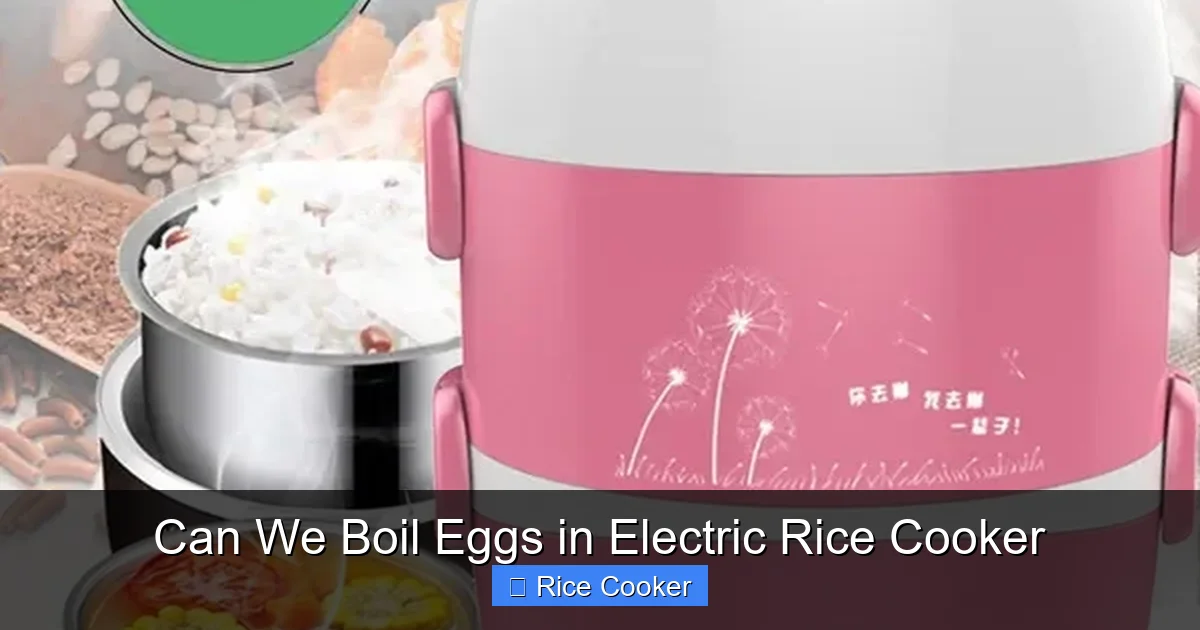
Boiling eggs in an electric rice cooker is not only possible—it’s one of the easiest and most convenient methods. With just water, a heat-resistant bowl, and your rice cooker, you can cook soft, medium, or hard-boiled eggs without any special tools. This method saves time, uses less energy than a stove, and works great for meal prep or quick breakfasts.
Key Takeaways
- Electric rice cookers are versatile: They can boil eggs just as well as they can cook rice, thanks to their consistent heat and insulated design.
- No extra equipment needed: Use a heat-safe bowl or egg holder designed for rice cookers to keep eggs stable during cooking.
- Cooking time varies by preference: Soft-boiled eggs take 5–6 minutes, medium 7–8 minutes, and hard-boiled about 9–11 minutes.
- Safety first: Always use oven mitts when handling hot bowls or lids from the rice cooker.
- Perfect for meal prep: Batch-cook eggs at the start of the week for salads, snacks, or breakfast bowls.
- Energy-efficient: Rice cookers use less electricity than stovetop boiling, making this method eco-friendly.
- Cleanup is easy: Most parts of the rice cooker are dishwasher-safe, and eggshells peel off cleanly after cooling.
📑 Table of Contents
- Can We Boil Eggs in Electric Rice Cooker?
- Why Choose a Rice Cooker to Boil Eggs?
- How to Boil Eggs in an Electric Rice Cooker: Step-by-Step Guide
- Tips for Perfect Boiled Eggs Every Time
- Common Mistakes and How to Fix Them
- Beyond Eggs: Other Uses for Your Rice Cooker
- Safety Precautions When Using a Rice Cooker
- Environmental Impact: Is It Eco-Friendly?
- Frequently Asked Questions About Boiling Eggs in Rice Cookers
- Conclusion: Embrace the Versatility of Your Rice Cooker
Can We Boil Eggs in Electric Rice Cooker?
Have you ever been craving a perfectly boiled egg but realized you don’t have time to stand over a pot on the stove? Or maybe you’re tired of cleaning up after using the microwave or stovetop? If so, you’re in luck—because yes, you absolutely can boil eggs in an electric rice cooker! In fact, many home cooks are discovering that this unassuming kitchen appliance is far more versatile than it seems.
An electric rice cooker isn’t just for rice anymore. From steaming vegetables to baking cakes, slow-cooking stews, and even boiling eggs, these appliances are becoming kitchen multitools. The secret lies in their ability to maintain a steady, low temperature—perfect for gentle, even cooking without scorching or uneven heat. And since rice cookers automatically switch to “warm” mode once cooking is done, they’re ideal for eggs, which need consistent heat but not high flame.
In this complete guide, we’ll walk you through everything you need to know about boiling eggs in your electric rice cooker. You’ll learn the step-by-step process, tips for perfect results every time, troubleshooting common issues, and even creative ways to use your rice cooker beyond rice. Whether you’re a busy parent, a college student living in a dorm, or someone who loves meal prepping, this method will save you time, energy, and frustration.
Why Choose a Rice Cooker to Boil Eggs?
You might be wondering: why go through the trouble of using a rice cooker when you already have a stove? Well, there are several compelling reasons to give it a try. First and foremost, rice cookers are incredibly energy-efficient. Unlike a stovetop, which wastes heat and takes longer to bring water to a boil, rice cookers heat quickly and retain warmth inside the pot. This means less electricity (or gas) used overall.
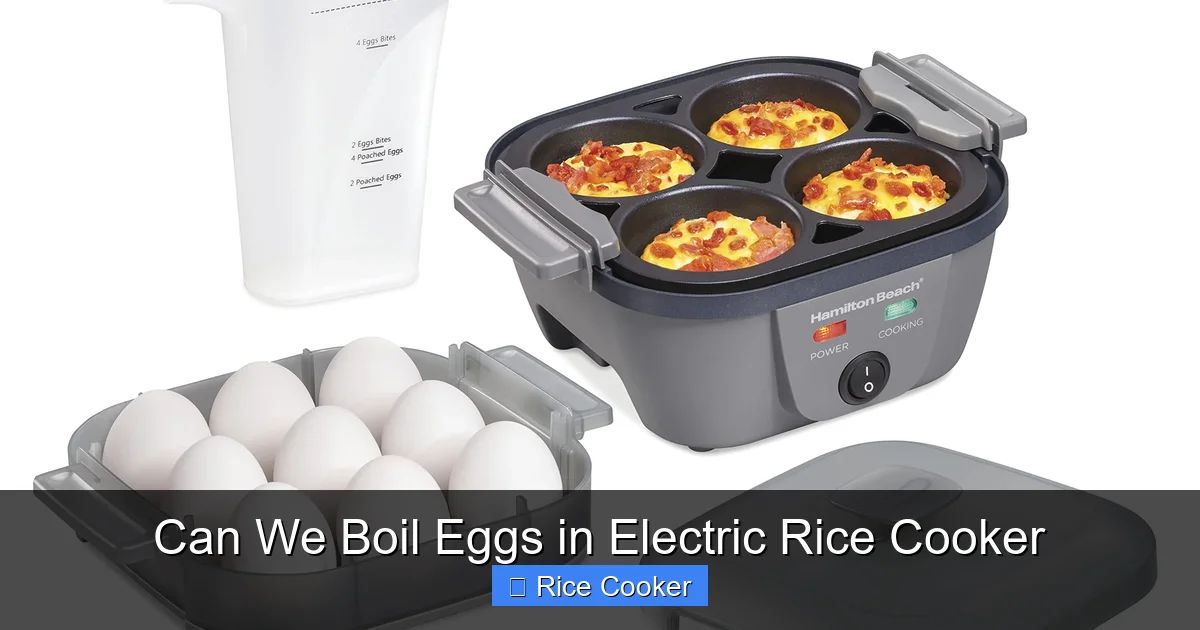
Visual guide about Can We Boil Eggs in Electric Rice Cooker
Image source: m.media-amazon.com
Another advantage is convenience. Once you add water and place the eggs in the cooker, you can forget about them until they’re done. There’s no need to watch the pot or stir occasionally to prevent sticking. Plus, because the rice cooker lid seals tightly, moisture stays inside—keeping your eggs tender and juicy instead of rubbery or dry.
Let’s not overlook safety either. For people with young children or pets at home, having a sealed appliance like a rice cooker reduces the risk of burns compared to leaving a hot pot unattended on the stove. And if you live in a small apartment or dorm room where open flames aren’t allowed, a rice cooker is often the only safe option for heating food.
The Science Behind It: How Rice Cookers Work
To understand why boiling eggs in a rice cooker works so well, let’s talk briefly about how these devices function. Most modern rice cookers operate using a thermostat-controlled system. When you press the power button, the inner pot begins heating up. Once the temperature reaches around 100°C (212°F), steam builds up inside, signaling the end of the boiling phase.
At that point, the rice cooker detects the change and automatically switches to “warm” mode—maintaining just enough heat to keep things hot without further cooking. This cycle repeats throughout the cooking process, ensuring even heat distribution. For eggs, this means gentle, uninterrupted boiling without hot spots or sudden temperature spikes that could crack shells or make whites tough.
This same principle applies whether you’re making jasmine rice, oatmeal, or eggs. The key is controlling the amount of water and timing so that the eggs cook evenly without overcooking. That’s why following precise instructions matters—even though the rice cooker does most of the work automatically.
How to Boil Eggs in an Electric Rice Cooker: Step-by-Step Guide
Ready to give it a try? Here’s a foolproof method for boiling eggs using your electric rice cooker. Don’t worry—it’s simpler than it sounds!
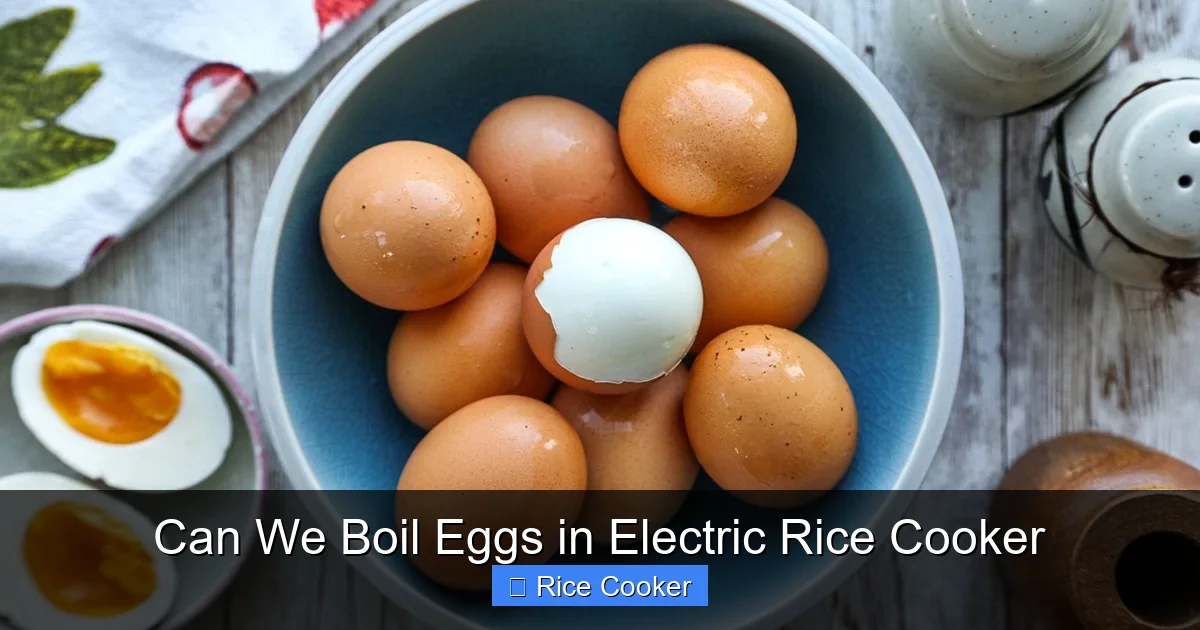
Visual guide about Can We Boil Eggs in Electric Rice Cooker
Image source: recipes.net
What You’ll Need
- Electric rice cooker with standard-sized inner pot
- Fresh eggs (ideally within two weeks of purchase)
- Water (about 1–2 inches deep in the pot)
- Heat-resistant glass or stainless steel bowl (or dedicated egg holder)
- Tongs or slotted spoon
- Ice bath (optional, for easier peeling)
Step 1: Prepare Your Eggs
Start by gently placing your eggs into the heat-resistant bowl or egg holder. Make sure they sit flat and don’t roll around too much—this helps prevent cracking during heating. If you’re using a regular bowl, choose one large enough to hold all your eggs without crowding them.
Step 2: Add Water to the Rice Cooker Pot
Fill the rice cooker’s inner pot with about 1 to 2 inches of cold water. The exact amount depends on how many eggs you’re cooking and the size of your pot. Too little water risks burning; too much prolongs cooking time unnecessarily.
Step 3: Place Bowl Inside the Pot
Carefully set your prepared eggs into the water-filled pot. Ensure the bowl floats freely but doesn’t touch the bottom directly unless it’s designed for direct contact (some models allow this). If your bowl sinks slightly, you can balance it on small risers like bottle caps or trivets to keep eggs above any sediment at the bottom.
Step 4: Close the Lid and Turn On
Plug in your rice cooker and press the “Cook” or “Boil” button (if available). If your model only has a single “Rice” setting, that’s fine too—the principle remains the same. The water will begin heating immediately, and within minutes, you should see bubbles forming beneath the bowl.
Step 5: Monitor Cooking Time Based on Preference
Here’s a quick reference table for cooking times based on desired doneness:
| Egg Type | Cooking Time | Description |
| Soft-Boiled | 5–6 minutes | Runny yolk, tender white |
| Medium-Boiled | 7–8 minutes | Partially set yolk |
| Hard-Boiled | 9–11 minutes | Fully solid yolk and white |
Use a timer to avoid overcooking—especially important for soft-boiled eggs, which lose their delicate texture quickly.
Step 6: Cool Down and Peel
Once finished, carefully remove the bowl using oven mitts. Transfer eggs immediately to an ice bath (bowl filled with cold water and ice cubes) for 5–10 minutes. This stops the cooking process and makes peeling much easier. Gently tap each egg on a hard surface, roll it to crack the shell, then peel under running water if needed.
Tips for Perfect Boiled Eggs Every Time
Even with the right technique, small details can make a big difference in outcome. Here are some pro tips to help you master egg-boiling in your rice cooker.
Use Older Eggs for Easier Peeling
Contrary to popular belief, older eggs actually peel better! As eggs age, the pH level inside increases slightly, weakening the membrane between the shell and the egg white. So instead of rushing to use brand-new carton eggs, try refrigerating them for a few days before boiling. Just make sure they’re still fresh—check by floating test: fresh eggs sink, old ones float.
Don’t Crack Shells Before Heating
While it may seem helpful to poke tiny holes in shells to prevent explosions, doing so can allow bacteria to enter the egg. Instead, handle eggs gently and ensure the bowl supports them securely. A minor crack usually won’t ruin the egg if cleaned promptly.
Adjust Water Level for Multiple Eggs
If you’re cooking six or more eggs, consider increasing water depth slightly—but never cover the entire bowl. Overcrowding traps steam and creates uneven cooking. Also, avoid stacking bowls unless absolutely necessary.
Try Different Temperatures (If Available)
Some advanced rice cookers have multiple settings like “Slow Cook,” “Steam,” or “Keep Warm.” While traditional boiling works fine, using the “Steam” function can yield fluffier whites and less chalky yolks. Experiment to find what suits your taste best.
Clean Immediately After Use
Residue from egg whites can stick to the inner pot if left overnight. Rinse the pot while still warm and wash with mild soap. Avoid abrasive scrubbers that might damage non-stick coatings.
Common Mistakes and How to Fix Them
Like any new kitchen skill, boiling eggs in a rice cooker comes with a learning curve. But don’t worry—most mistakes are fixable with a little adjustment.
Mistake #1: Overcooked or Rubbery Eggs
Cause: Longer cooking times or excessive heat can denature proteins excessively, leading to tough textures.
Fix: Stick to recommended timers, and always cool eggs in an ice bath immediately after cooking to halt residual heat transfer.
Mistake #2: Cracked Shells
Cause: Sudden temperature changes or rough handling.
Fix: Bring eggs to room temperature before boiling (leave them out for 15–20 minutes). Also, support the bowl properly so eggs don’t bang against sides.
Mistake #3: Uneven Cooking
Cause: Crowded arrangement or insufficient water.
Fix: Space eggs evenly in the bowl and ensure water covers at least half the height of the eggs. Stirring water gently during heating helps distribute heat.
Mistake #4: Sticking to the Bottom
Cause: Direct contact with hot surfaces or lack of water circulation.
Fix: Use a floating bowl or place a small ring (like a plastic cup lid) underneath to elevate eggs slightly.
Beyond Eggs: Other Uses for Your Rice Cooker
If you’ve started boiling eggs in your rice cooker, you might be surprised by its full potential. These appliances are true kitchen workhorses when used creatively.
Steaming Vegetables
Place chopped broccoli, carrots, or green beans in a perforated basket over boiling water and steam for 5–8 minutes. Retains nutrients and color better than boiling.
Baking Cakes and Muffins
Yes, really! Many recipes call for rice cooker cake pans. Just follow batter consistency and adjust baking time accordingly—usually 25–35 minutes on high heat.
Making Oatmeal or Porridge
Add rolled oats, milk (or water), and toppings directly into the inner pot. Set to “Porridge” or “Cook” mode. Stir occasionally for creamy results.
Slow-Cooking Meals
Brown meat, add broth, vegetables, and seasonings. Switch to “Keep Warm” after initial browning to simmer gently for hours—ideal for soups or stews.
Reheating Leftovers
Place containers of pasta, rice, or curry in the inner pot with a splash of water. Cover and cook on “Warm” or “Cook” for 10–15 minutes until heated through.
Safety Precautions When Using a Rice Cooker
While rice cookers are generally safe, following basic precautions ensures trouble-free operation and prevents accidents.
- Never immerse the base unit in water. Only clean the removable inner pot and lid.
- Ensure proper ventilation. Keep at least 2 inches of space around the back and sides for airflow.
- Do not overload the pot. Excess food or liquid can block steam vents and cause malfunctions.
- Unplug when not in use. Especially important if children are present.
- Check cords regularly. Frayed wires pose a fire hazard.
Environmental Impact: Is It Eco-Friendly?
Using a rice cooker to boil eggs is not only convenient—it’s also kinder to the planet. Compared to gas stoves or electric kettles, rice cookers consume significantly less energy. According to energy efficiency studies, boiling one egg on a stovetop uses roughly twice as much electricity as doing it in a rice cooker. Plus, because they cook faster and retain heat efficiently, fewer resources are wasted overall.
Additionally, fewer dishes mean less water usage and detergent runoff. And since you’re batch-cooking eggs, you reduce packaging waste from individually wrapped eggs at the store.
Frequently Asked Questions About Boiling Eggs in Rice Cookers
Can I boil eggs in a rice cooker without a special bowl?
Yes, but you’ll need something heat-resistant like a glass or stainless steel container. Avoid plastic—it melts at high temperatures. A mason jar or ceramic bowl works well if placed carefully in the water.
Will the eggs taste like rice?
Absolutely not! Eggs absorb very little flavor from the surrounding environment, especially if cooked quickly. As long as you don’t add saltwater flavoring (which is unnecessary), your eggs will taste exactly like plain boiled eggs.
How do I know when the rice cooker is boiling?
You’ll hear bubbling sounds and see steam escaping from the lid’s vent. Alternatively, insert a thermometer into the water—once it reads 212°F (100°C), boiling has begun.
Can I reuse the same water?
It’s not recommended. Reusing water increases bacterial growth and can affect taste. Always use fresh, cold water for each batch.
Are hard-boiled eggs safe to eat after 7 days?
Store peeled or unpeeled eggs in the refrigerator for up to one week. Beyond that, the risk of salmonella rises, so err on the side of caution.
What if my rice cooker doesn’t have a “boil” setting?
That’s okay! The default “cook” or “rice” setting still provides sufficient heat. Just monitor closely and adjust timing as needed.
Conclusion: Embrace the Versatility of Your Rice Cooker
So, can we boil eggs in an electric rice cooker? The answer is a resounding yes—and now you know exactly how to do it like a pro. This humble kitchen gadget proves time and again that simplicity equals brilliance. No more standing over a pot, no more worrying about overcooking, no more messy cleanup.
Whether you’re whipping up quick breakfasts, preparing meals for the week, or simply looking for a smarter way to use everyday appliances, boiling eggs in a rice cooker ticks all the boxes. It’s fast, reliable, energy-saving, and surprisingly effective. And once you master this trick, you’ll likely discover dozens of other ways to unlock your rice cooker’s hidden talents.
Give it a try tonight—grab those eggs, plug in your rice cooker, and enjoy perfectly boiled results without lifting a finger (except to peel, of course!). Your future self will thank you for making cooking easier, healthier, and more sustainable.
Frequently Asked Questions
Can I boil eggs in a rice cooker without a special bowl?
Yes, but you’ll need a heat-resistant container like glass or stainless steel. Avoid plastic, which can melt. A mason jar or ceramic bowl works well if placed carefully in the water.
Will the eggs taste like rice?
No, eggs won’t absorb any noticeable flavor from the rice cooker. They’ll taste like perfectly boiled eggs, especially if you skip adding extra seasonings to the water.
How do I know when the rice cooker is boiling?
Listen for bubbling sounds and watch for steam coming out of the lid’s vent. You can also use a kitchen thermometer—when the water hits 212°F (100°C), boiling has started.
Can I reuse the same water for boiling eggs?
Not recommended. Reused water can harbor bacteria and affect egg quality. Always use fresh, cold water for each batch.
How long do hard-boiled eggs last in the fridge?
Peeled or unpeeled, boiled eggs stay safe to eat for up to one week when stored in the refrigerator. After that, the risk of spoilage increases.
What if my rice cooker only has one “cook” setting?
That’s fine! Most rice cookers automatically regulate heat. Just follow the recommended cooking times and monitor the process until eggs reach your preferred doneness.