
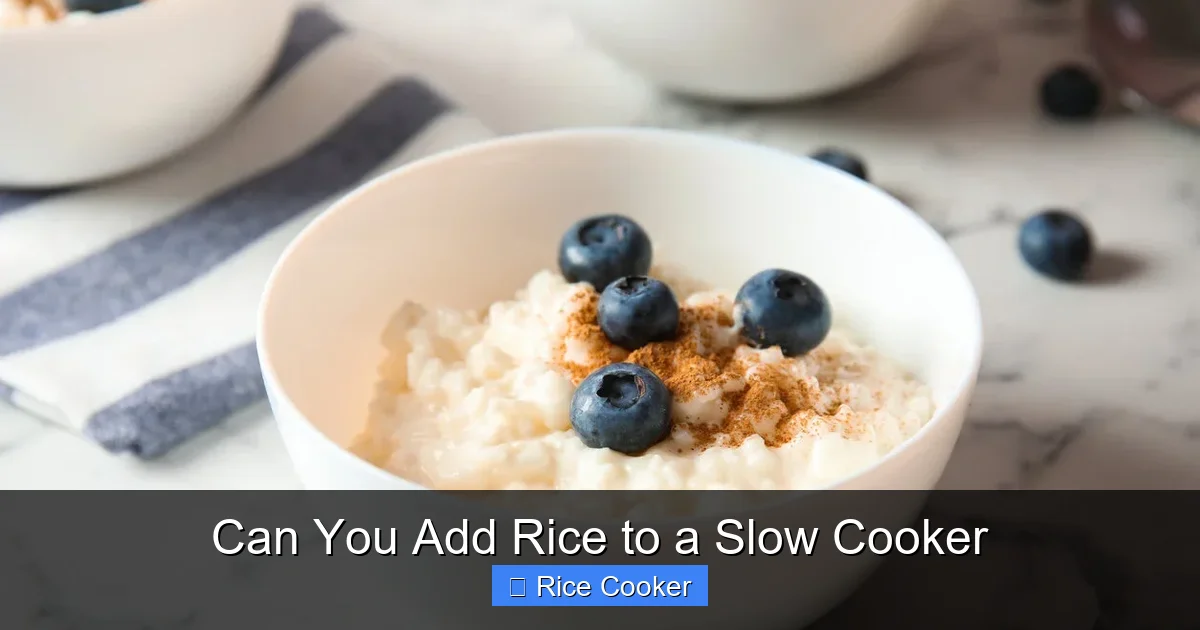
Yes, you can absolutely add rice to a slow cooker, but doing it the right way makes all the difference. With the proper ratio of liquid, preparation steps, and timing, your slow cooker can create fluffy, flavorful rice dishes like never before. Whether you’re making a one-pot meal or simply want to cut down on cleanup, slow-cooking rice is a convenient and tasty option when done correctly.
Key Takeaways
- Yes, rice can be cooked in a slow cooker: It’s not only possible—it’s practical and yields tender, flavorful results when prepared properly.
- Correct water-to-rice ratio is essential: Use about 1.5 to 2 cups of water per cup of uncooked rice to prevent undercooking or sticking.
- Pre-rinsing rice improves texture: Rinsing removes excess starch, reducing clumping and helping achieve a fluffier finish.
- Slow cooker settings matter: High heat works faster (3–4 hours), while low heat (4–6 hours) produces more even cooking but requires longer time.
- Add rice at the beginning for best results: Adding ingredients together ensures even flavor absorption and consistent doneness.
- Don’t overfill the slow cooker: Leave at least 2 inches of space above the ingredients to allow steam circulation.
- Experiment with rice varieties: White rice cooks faster than brown rice; jasmine, basmati, and long-grain types perform well in slow cookers.
📑 Table of Contents
- Can You Add Rice to a Slow Cooker? The Ultimate Guide to Perfectly Cooked Grains
- The Basics: Can You Actually Cook Rice in a Slow Cooker?
- Choosing the Right Type of Rice for Your Slow Cooker
- Perfecting the Water-to-Rice Ratio
- Step-by-Step: How to Cook Rice in a Slow Cooker
- Creative Ways to Use Rice in Your Slow Cooker
- Troubleshooting Common Problems
- Tips for Success Every Time
Can You Add Rice to a Slow Cooker? The Ultimate Guide to Perfectly Cooked Grains
Have you ever looked at your slow cooker and thought, “I wish I could make rice in here?” Maybe you’re tired of using the stovetop or rice cooker for every grain-based meal. Or perhaps you’re planning a big family dinner and want a one-pot wonder that simmers all day while you’re out. If so, you’re in luck—because yes, you can add rice to a slow cooker, and it doesn’t have to be a disaster.
Many people assume that rice needs direct heat, constant stirring, or a specialized appliance. But modern slow cookers are designed to gently cook food over time, making them surprisingly capable of handling grains. With the right technique, your slow cooker can produce fluffy white rice, hearty brown rice, or even creative fusion dishes like coconut rice with turmeric or cheesy cilantro-lime rice. In this comprehensive guide, we’ll walk you through everything you need to know—from basic ratios to advanced tips—so you can confidently cook rice in your crockpot every time.
Whether you’re a beginner cook or a seasoned home chef looking to expand your repertoire, this article will answer your burning questions and give you the confidence to try new recipes. Let’s dive in!
The Basics: Can You Actually Cook Rice in a Slow Cooker?
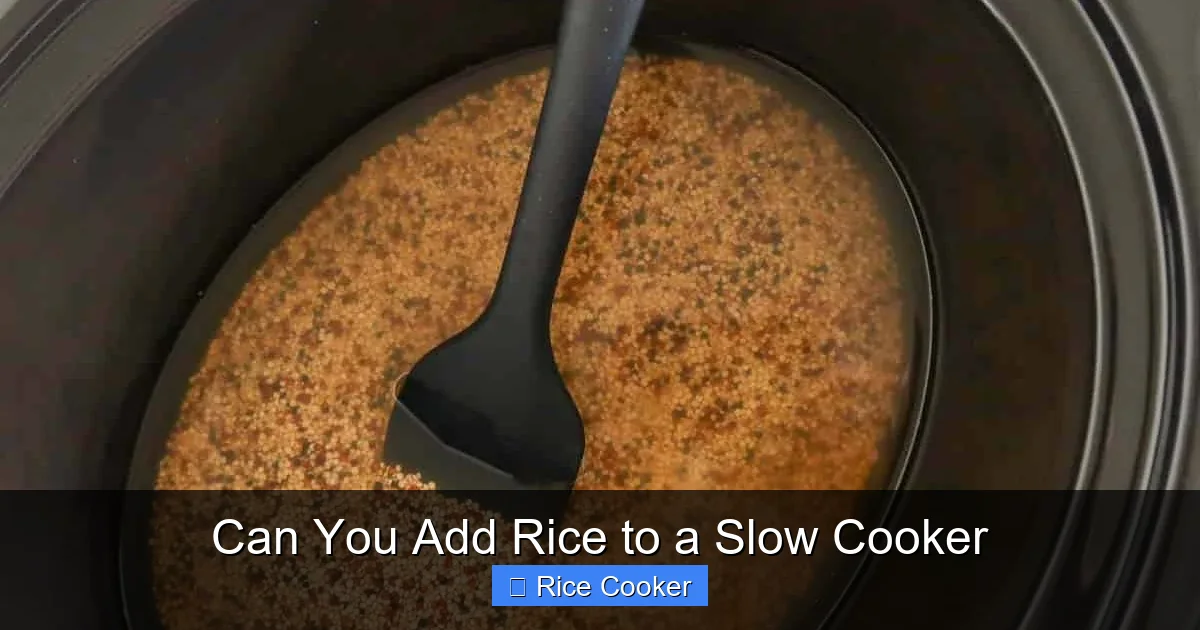
Visual guide about Can You Add Rice to a Slow Cooker
Image source: storables.com
Before jumping into recipes, let’s settle the most important question: Is it safe and effective to cook rice in a slow cooker? The short answer is yes—but with caveats. Unlike boiling rice on the stove, where water evaporates quickly, a slow cooker traps moisture, creating a humid environment ideal for steaming grains.
Rice absorbs liquid as it cooks, transforming from hard kernels into soft, edible bites. Because slow cookers use low, indirect heat for several hours, the rice cooks evenly without scorching. However, the key lies in managing the liquid-to-rice ratio and timing. Too little water, and your rice stays crunchy. Too much, and it becomes mushy. Finding that balance is what separates good slow-cooked rice from great slow-cooked rice.
Another common concern is the risk of burning or sticking, especially if the slow cooker runs dry. That’s why it’s crucial to monitor the initial setup and avoid opening the lid too often during cooking. Once the rice reaches its desired texture, you’re golden—no babysitting required.
Choosing the Right Type of Rice for Your Slow Cooker
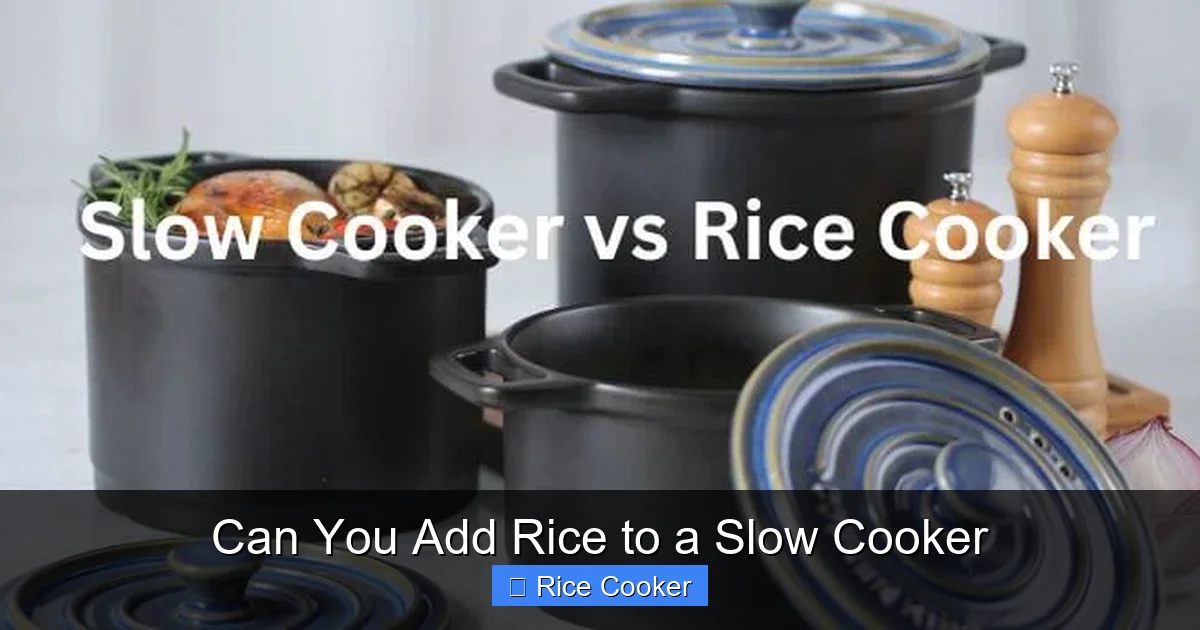
Visual guide about Can You Add Rice to a Slow Cooker
Image source: lecristalchinois.com
Not all rice is created equal when it comes to slow cooking. Different varieties absorb liquid at different rates and respond differently to prolonged heat. Understanding these differences helps you pick the best grain for your dish.
White Rice (Long-Grain)
White rice—especially long-grain varieties like Jasmine or Basmati—is the most forgiving and commonly used type in slow cookers. It has a lower starch content than short-grain rice, which means it doesn’t clump as easily and tends to stay separate and fluffy. These characteristics make it perfect for dishes like pilafs, stir-fry bases, or standalone side dishes.
Brown Rice
Brown rice takes longer to cook due to its bran layer, which acts as a natural barrier. While it’s nuttier and more nutrient-dense, it also requires more liquid and time. For best results, soak brown rice for 30 minutes before adding it to the slow cooker. This pre-soaking softens the outer layer and reduces cooking time by up to an hour.
Instant Rice
You might be surprised to learn that instant rice (like Minute Rice) can actually work in a slow cooker—though it’s not recommended. These pre-cooked grains are designed to rehydrate quickly, but they often become overly soft or gluey in a slow cooker’s moist environment. Stick to regular long- or short-grain rice for better texture.
Specialty Varieties
Some exotic rices, like black rice or red rice, can be tricky due to their unique textures and higher fiber content. They may require adjustments in liquid and cooking time. Start with small batches and adjust accordingly.
In general, white long-grain rice is your safest bet for beginners. As you gain experience, you can experiment with other types based on your recipe needs.
Perfecting the Water-to-Rice Ratio
One of the biggest challenges when cooking rice in a slow cooker is getting the liquid just right. Unlike boiling, where excess water evaporates, slow cooking keeps everything submerged—so accuracy is critical.
The standard rule of thumb is:
- For white rice: 1.5 cups water per 1 cup rice
- For brown rice: 2.5 cups water per 1 cup rice
These ratios account for evaporation and ensure the rice finishes tender without being soggy. Always measure your rice and liquid carefully—kitchen scales or measuring cups are your friends here.
Why Rinsing Matters
Before adding rice to your slow cooker, rinse it under cold water until the water runs clear. This step removes surface starch, which causes clumping and stickiness. Rinsing also helps achieve a lighter, fluffier texture, especially important in a sealed environment like a slow cooker.
To rinse quickly:
- Place rice in a fine-mesh strainer.
- Rinse under running water for 30–60 seconds.
- Gently shake off excess water—don’t squeeze.
Adjustments for Different Dishes
If you’re making a rice-based soup or stew, you can increase the liquid slightly. For example, in a chicken and rice casserole, you might use 2 cups of broth per cup of rice instead of plain water. Broth adds flavor and nutrients, enhancing the overall taste without compromising texture.
Always err on the side of slightly less liquid than you think you’ll need. It’s easier to add more later than to fix overcooked, soupy rice.
Step-by-Step: How to Cook Rice in a Slow Cooker
Ready to try it yourself? Follow this simple process for foolproof results every time.
Ingredients You’ll Need
- 1 cup uncooked rice (long-grain recommended)
- 1.5–2 cups water or broth (depending on rice type)
- Salt (optional, to taste)
- Optional additions: butter, garlic powder, herbs, vegetables
Preparation Steps
- Prepare the slow cooker: Lightly grease the inner pot with cooking spray or oil to prevent sticking.
- Rinse the rice: As discussed earlier, this step is non-negotiable for best results.
- Add ingredients in order: Place rinsed rice first, then liquid, followed by any seasonings or mix-ins.
- Cover and set the timer: Secure the lid tightly. Set your slow cooker to HIGH for 3–4 hours (white rice) or LOW for 4–6 hours.
- Avoid lifting the lid: Each time you open it, heat escapes, disrupting the cooking process. Plan ahead!
- Check doneness near the end: After the recommended time, test a few grains. They should be tender but not mushy. If still firm, cook 30–60 minutes longer.
Fluffing and Serving
Once done, remove the lid and fluff the rice gently with a fork. This aerates the grains and releases trapped steam. Serve immediately or keep warm on the LOW setting for up to 2 hours.
Creative Ways to Use Rice in Your Slow Cooker
Cooking plain rice is great—but why stop there? A slow cooker opens up endless possibilities for flavorful, one-pot meals. Here are some popular ideas to inspire you:
Coconut Curry Rice
Combine 1 cup jasmine rice, 1.5 cups coconut milk, 1 cup diced tomatoes, 1 tsp curry powder, and ½ cup frozen peas. Cook on HIGH for 3 hours. The result? Creamy, aromatic rice bursting with Southeast Asian flavors.
Cheesy Cilantro-Lime Rice
Mix 1 cup white rice, 1.75 cups chicken broth, ½ cup shredded cheddar cheese, juice of 1 lime, and chopped cilantro. Cook on LOW for 4 hours. Top with avocado slices for extra richness.
Chicken and Rice Casserole
Layer 1 cup rice, 1 lb chicken breasts, 1 diced onion, 1 cup mixed vegetables, and 2 cups chicken broth. Season with salt, pepper, and thyme. Cook on HIGH for 3–4 hours until chicken is tender and rice is fully absorbed.
Baked Ziti with Rice
Substitute pasta with rice in traditional baked ziti. Use 1 cup rice instead of pasta, along with tomato sauce, ground meat, and mozzarella. Cook on LOW for 5 hours for a comforting twist.
Each of these recipes demonstrates how versatile slow-cooked rice can be. Once you master the basics, the sky’s the limit.
Troubleshooting Common Problems
Even with the best intentions, things can go wrong. Don’t panic—most issues have simple fixes.
Problem: Rice is Still Hard or Undercooked
This usually means insufficient liquid or too-short cooking time. Next time, double-check your ratio and extend cooking time by 30 minutes. Also, ensure your slow cooker lid fits snugly to retain heat and moisture.
Problem: Rice Sticks Together
Excess starch is the culprit. Always rinse your rice thoroughly before cooking. Avoid stirring during cooking, as this breaks apart grains and leads to clumping.
Problem: Rice Burns on the Bottom
This happens if the slow cooker runs dry or if the insert isn’t properly greased. Never let the liquid level drop below the rice. A light coat of oil prevents scorching.
Problem: Too Much Liquid Remains
If your rice looks soupy after cooking, scoop out excess liquid and return the rice to the slow cooker. Cover and let it sit uncovered on the WARM setting for 15–20 minutes to evaporate moisture.
With practice, these problems become rare—and solvable.
Tips for Success Every Time
Want to become a slow-cooker rice pro? Try these expert tips:
- Use a glass lid if possible: Glass allows you to check doneness without releasing steam.
- Invest in a rice paddle: A wide, flexible utensil makes fluffing easy and efficient.
- Let rice rest after cooking: Allow 5–10 minutes off-heat to finish hydrating naturally.
- Clean your slow cooker promptly: Rice residue hardens over time; clean the insert immediately after use.
- Keep a rice journal: Note your ratios, times, and results to refine future batches.
Remember, cooking is as much art as science. Feel free to tweak recipes to suit your taste—slow cookers are wonderfully forgiving.
Frequently Asked Questions
Is it safe to cook rice in a slow cooker?
Yes, it’s safe when done correctly. Ensure proper liquid ratios and full cooking time to avoid undercooked grains, which can pose a food safety risk.
How long does it take to cook rice in a slow cooker?
On HIGH, white rice takes 3–4 hours; on LOW, it takes 4–6 hours. Brown rice requires longer, typically 4–6 hours on HIGH or 6–8 hours on LOW.
Do I need to soak rice before putting it in a slow cooker?
Soaking is optional but helpful, especially for brown rice. It softens the grain and speeds up cooking time by reducing required liquid.
Can I cook rice directly in the stainless steel insert?
Yes, but lightly grease the insert first to prevent sticking. Non-stick coatings help, but even stainless steel works with proper prep.
What happens if I open the lid too often while cooking?
Heat and moisture escape each time you lift the lid, potentially extending cooking time and affecting texture. Minimize lid openings for best results.
Can I add rice to an already cooking stew or soup?
It’s risky. Adding dry rice mid-cook can lead to uneven texture. Instead, prepare rice separately or use a pre-made rice blend designed for slow cookers.