

Adding rice vinegar to cooked rice is a simple way to elevate taste, texture, and shelf life. Whether you’re making sushi, fried rice, or just want tangier grains, a small amount makes a big difference. This guide covers the best practices, ideal ratios, and creative uses to transform your everyday rice.
Key Takeaways
- Rice vinegar adds tang and brightness: It cuts through richness and balances savory dishes, especially in Asian cuisine.
- It helps season and preserve rice: A light coating of seasoned rice vinegar keeps rice moist and extends freshness.
- Use the right ratio: Start with 1 tablespoon per cup of rice and adjust to taste.
- Timing matters: Add vinegar after cooking, while rice is still warm, for even distribution.
- Enhances sushi rice: Traditional sushi rice relies on rice vinegar, sugar, and salt for its signature flavor.
- Improves texture: The acidity helps separate grains and prevents them from becoming gummy.
- Safety first: Always use clean utensils and containers to avoid contamination when storing seasoned rice.
📑 Table of Contents
- Can You Add Rice Vinegar to Cooked Rice?
- The Science Behind Rice Vinegar and Cooked Rice
- How Much Rice Vinegar Should You Use?
- When Should You Add Rice Vinegar to Cooked Rice?
- Benefits of Adding Rice Vinegar to Cooked Rice
- Creative Ways to Use Rice Vinegar-Soaked Rice
- Common Mistakes to Avoid
- Storage Tips for Seasoned Rice
- Alternatives to Rice Vinegar
- Frequently Asked Questions
- Final Thoughts
Can You Add Rice Vinegar to Cooked Rice?
If you’ve ever eaten sushi or enjoyed a bowl of Japanese-style rice, chances are you’ve tasted rice that’s been seasoned with rice vinegar. But can you really add rice vinegar to cooked rice? The short answer is yes, absolutely—and doing so can transform your plain, fluffy rice into something vibrant, flavorful, and restaurant-quality. Whether you’re making sushi, fried rice, or just want to jazz up your leftover rice, rice vinegar is a pantry staple that delivers both taste and texture benefits.
Adding rice vinegar to cooked rice isn’t just about flavor—it also plays a functional role. The mild acidity helps prevent the rice from clumping, keeps each grain distinct, and can even extend how long your rice stays fresh. Plus, it pairs beautifully with soy sauce, sesame oil, and other seasonings. In this comprehensive guide, we’ll walk you through everything you need to know: why rice vinegar works so well, how much to use, when to add it, and creative ways to use it beyond sushi.
The Science Behind Rice Vinegar and Cooked Rice
Before diving into techniques, let’s talk about why rice vinegar interacts so nicely with cooked rice. Unlike regular white vinegar or lemon juice, rice vinegar has a delicate, subtle sweetness and low acidity, making it ideal for delicate dishes like sushi or stir-fries. Its flavor profile complements rather than overpowers, allowing other ingredients to shine.
Visual guide about Can You Add Rice Vinegar to Cooked Rice
Image source: canyoupreserve.com
When rice is cooked, the starch molecules absorb water and expand. As it cools, these starches begin to recrystallize, which can make rice sticky or gummy if not handled properly. Adding a touch of rice vinegar early (or during the final stages) introduces acidity, which slightly alters the starch structure. This change helps keep the grains separate and gives rice a lighter, fluffier mouthfeel. It’s one reason professional chefs often “season” their rice with a vinegar mixture right after cooking.
Why Rice Vinegar Is Different from Other Vinegars
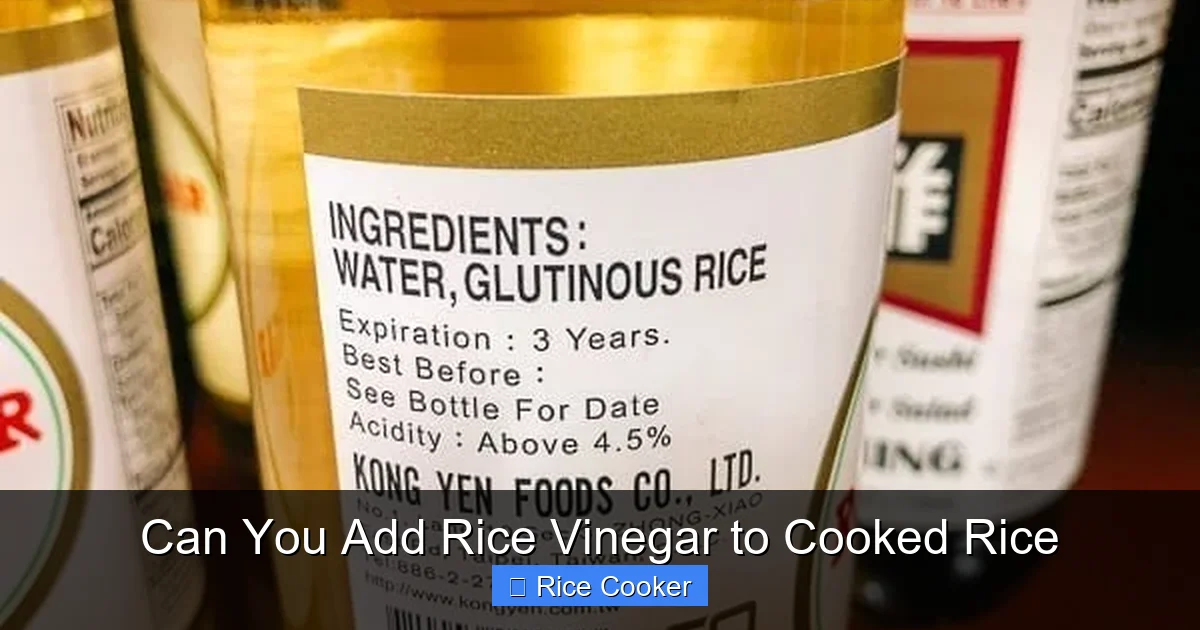
Not all vinegars are created equal. White wine vinegar, apple cider vinegar, or balsamic vinegar have stronger flavors and higher acidity, which can overwhelm delicate dishes. Rice vinegar, made from fermented rice, is mild, slightly sweet, and almost neutral in color—making it perfect for dishes where appearance matters, like sushi.
For example, if you used balsamic vinegar on sushi rice, it might leave dark streaks and dominate the taste. But rice vinegar blends seamlessly, enhancing the rice without altering its color or creating an off-putting tang.
How Much Rice Vinegar Should You Use?
The key to using rice vinegar effectively lies in moderation. Too much can make rice taste sour or overly acidic; too little won’t deliver noticeable benefits. For most home cooks, a good starting point is:
Visual guide about Can You Add Rice Vinegar to Cooked Rice
Image source: thewoksoflife.com
- 1 tablespoon of rice vinegar per 1 cup (about 200g) of cooked rice
- Adjust based on personal taste—some prefer a tangier rice, others less so.
If you’re making sushi rice, traditional recipes call for a mixture of rice vinegar, sugar, and salt. A common ratio is:
- 1/4 cup rice vinegar
- 2 tablespoons sugar
- 1 teaspoon salt
- for every 2 cups uncooked rice
This creates a balanced seasoning that’s slightly sweet, salty, and tangy—perfect for rolling sushi or topping bowls.
For everyday use—like adding flavor to fried rice or reheated leftovers—stick to plain rice vinegar. You can always add more later, but you can’t take it away once it’s absorbed!
When Should You Add Rice Vinegar to Cooked Rice?
Timing is crucial when seasoning rice with vinegar. The best time to add rice vinegar is while the rice is still warm. At this stage, the grains are soft and receptive, allowing the vinegar to distribute evenly without causing excess moisture buildup.
Step-by-Step: How to Season Rice with Vinegar
- Cook your rice using your preferred method—rice cooker, stovetop, or instant pot.
- Once done, transfer to a wide bowl (a wooden or non-reactive bowl works best).
- Add rice vinegar (and optional sugar/salt) in measured amounts.
- Gently fold or mix using a rice paddle or spatula. Avoid pressing down—this can mash the rice.
- Let it sit for 5–10 minutes to allow flavors to meld and any excess liquid to evaporate.
- Toss again before serving to refresh the texture.
This process is especially important for sushi rice, where even distribution ensures every bite tastes consistent.
Benefits of Adding Rice Vinegar to Cooked Rice
Beyond flavor, there are several practical advantages to using rice vinegar in your rice:
1. Prevents Sticky Clumping
Rice vinegar’s mild acidity disrupts the natural stickiness of starch. This means your rice stays separate, fluffier, and easier to serve or roll.
2. Enhances Shelf Life
A light coating of vinegar can act as a natural preservative. When stored in an airtight container, seasoned rice stays fresh longer and resists mold growth—ideal for meal prep or school lunches.
3. Balances Rich Flavors
In dishes like fried rice or bibimbap, a splash of rice vinegar brightens up heavy ingredients like soy sauce, sesame oil, or egg. It cuts through fat and adds a refreshing contrast.
4. Supports Digestibility
The slight acidity may aid digestion by stimulating stomach enzymes. This is particularly helpful for people who find plain rice hard to digest.
5. Versatile Ingredient Base
Seasoned rice becomes a blank canvas. Top with vegetables, protein, or sauces, and it absorbs flavors beautifully—making it ideal for bowls, salads, or stuffed peppers.
Creative Ways to Use Rice Vinegar-Soaked Rice
Don’t limit yourself to sushi! Here are fun and delicious ways to use rice vinegar-seasoned rice:
Sushi and Sashimi Bowls
Make a quick poke bowl by topping seasoned rice with diced salmon, avocado, cucumber, and a drizzle of spicy mayo or unagi sauce.
Fried Rice Perfection
Cook leftover seasoned rice (cold is best!) with beaten eggs, peas, carrots, green onions, and soy sauce. The vinegar helps the rice fry without clumping.
Rice Pudding with a Twist
Instead of vanilla or cinnamon, stir in a teaspoon of rice vinegar and a pinch of salt to balance the sweetness. The acidity prevents the pudding from being overly sugary.
Rice Salad
Toss cold seasoned rice with edamame, cherry tomatoes, corn, and a vinaigrette. Serve chilled or at room temperature—great for picnics or lunchboxes.
Stuffed Vegetables
Use seasoned rice to stuff bell peppers, zucchini, or tomatoes. The tangy rice complements roasted veggies and adds moisture.
Common Mistakes to Avoid
Even experienced cooks can go wrong when adding rice vinegar. Here are pitfalls to watch out for:
- Using too much vinegar: More doesn’t mean better. Start small and taste as you go.
- Adding vinegar while rice is boiling: This can lead to uneven absorption and mushy texture.
- Using the wrong type of vinegar: Strong vinegars like malt or red wine vinegar will ruin delicate dishes.
- Not cooling properly: Let rice cool slightly after cooking to avoid steaming in excess moisture.
- Skipping salt or sugar in sushi rice: A balanced seasoning requires all three components.
Storage Tips for Seasoned Rice
Proper storage ensures your seasoned rice stays fresh and safe to eat:
- Cool completely before refrigerating.
- Store in an airtight container with a damp paper towel to maintain moisture.
- Use within 2–3 days for best quality and safety.
- Reheat gently—steam in the microwave or pan with a splash of water to revive texture.
Never leave seasoned rice at room temperature for more than two hours, especially in warm climates, to reduce the risk of bacterial growth.
Alternatives to Rice Vinegar
If you don’t have rice vinegar on hand, consider these substitutes (though they won’t be identical):
- Mirin: Sweet and mild, but high in sugar—use half the amount and omit added sugar.
- Lemon or lime juice: Add a teaspoon per cup of rice, but expect a sharper, citrusy flavor.
- White wine vinegar: Use sparingly—it’s stronger and more acidic.
For sushi rice specifically, mirin and rice vinegar are often combined for depth of flavor.
Frequently Asked Questions
Does rice vinegar change the color of rice?
No, rice vinegar is clear and won’t discolor white rice. It’s ideal for dishes where appearance matters, like sushi or rice salads.
Can I add rice vinegar to cold rice?
Yes, but warm rice absorbs the vinegar better. If using cold rice, toss it briefly over low heat with a bit of water to reactivate the grains.
Is rice vinegar safe to eat?
Absolutely. Rice vinegar is a staple in many cuisines and is safe when used in food preparation. Always ensure bottles are sealed and stored properly.
Can I use rice vinegar for fried rice?
Yes! It helps prevent clumping and adds a subtle tang. Add it after the rice is cooked and slightly cooled, then mix well.
How do I make sushi rice without rice vinegar?
You can substitute with a mix of lemon juice and sugar, but the flavor won’t be the same. Mirin or a tiny bit of white wine vinegar are closer alternatives.
Can I freeze seasoned rice?
Yes, but texture may suffer upon thawing. Best for short-term storage (up to 1 month). Reheat gently with steam to restore fluffiness.
Final Thoughts
Adding rice vinegar to cooked rice is a simple yet powerful technique that elevates both flavor and function. Whether you’re aiming for perfect sushi, better-textured fried rice, or just a brighter side dish, rice vinegar delivers results with minimal effort. By understanding the right ratios, timing, and storage methods, you can turn ordinary rice into a culinary star.
So next time you cook rice, consider giving it a splash of rice vinegar—your taste buds (and dinner guests) will thank you. And remember: the beauty of rice vinegar is in its subtlety. A little goes a long way, and when used wisely, it transforms the humble grain into something extraordinary.
Frequently Asked Questions
Does rice vinegar change the color of rice?
No, rice vinegar is clear and won’t discolor white rice. It’s ideal for dishes where appearance matters, like sushi or rice salads.
Can I add rice vinegar to cold rice?
Yes, but warm rice absorbs the vinegar better. If using cold rice, toss it briefly over low heat with a bit of water to reactivate the grains.
Is rice vinegar safe to eat?
Absolutely. Rice vinegar is a staple in many cuisines and is safe when used in food preparation. Always ensure bottles are sealed and stored properly.
Can I use rice vinegar for fried rice?
Yes! It helps prevent clumping and adds a subtle tang. Add it after the rice is cooked and slightly cooled, then mix well.
How do I make sushi rice without rice vinegar?
You can substitute with a mix of lemon juice and sugar, but the flavor won’t be the same. Mirin or a tiny bit of white wine vinegar are closer alternatives.
Can I freeze seasoned rice?
Yes, but texture may suffer upon thawing. Best for short-term storage (up to 1 month). Reheat gently with steam to restore fluffiness.