
Can you cook and freeze rice? Absolutely—and it’s a game-changer for meal prep, busy schedules, and reducing food waste. Freezing cooked rice properly preserves its texture and flavor, making it ideal for future meals like fried rice, stir-fries, or grain bowls. With the right techniques—cooling quickly, portioning, and storing in airtight containers—you can enjoy convenient, ready-to-eat rice straight from the freezer.
Key Takeaways
- Yes, you can safely freeze cooked rice: When done correctly, frozen rice retains quality and is perfect for quick meals.
- Cooling is essential: Rapid cooling prevents bacterial growth; spread rice out on a tray before freezing.
- Portion wisely: Freeze rice in small servings (about 1–1.5 cups) for easier reheating and less waste.
- Use proper containers: Choose freezer-safe, airtight containers or heavy-duty plastic bags to prevent freezer burn.
- Reheat thoroughly: Always reheat frozen rice until steaming hot throughout to ensure food safety.
- Best types of rice freeze well: Long-grain white rice and jasmine rice work best; avoid very starchy or sticky varieties.
- Meal-prep friendly: Freezing rice saves time during the week and helps maintain nutritional value.
Quick Answers to Common Questions
Can you freeze rice from the rice cooker?
Absolutely! Just let the rice cool completely before transferring it to freezer-safe containers. The rice cooker does all the hard work—now you get the convenience of storage.
How long does frozen rice last?
Frozen rice stays safe to eat for up to 6 months, but for the best texture and flavor, use it within 3 months.
Do you need to add water when reheating frozen rice?
Yes, adding a splash of water helps prevent the rice from drying out. Cover it while reheating to retain moisture.
Can you freeze brown rice?
Yes, but it’s more sensitive. Brown rice can become slightly gritty or develop off-flavors after a few months. Freeze within 3 months for best results.
Is it safe to reheat frozen rice multiple times?
It’s okay to reheat once, but avoid repeatedly reheating and refreezing rice. Each cycle affects texture and increases food safety risks.
📑 Table of Contents
- Can You Cook and Freeze Rice? The Ultimate Guide for Home Cooks
- The Science Behind Freezing Rice: Why It Works
- Step-by-Step: How to Cook and Freeze Rice Safely
- What Types of Rice Work Best for Freezing?
- How to Reheat Frozen Rice Perfectly
- Common Mistakes to Avoid When Freezing Rice
- Creative Ways to Use Frozen Rice
- Food Safety Tips for Freezing Rice
- Final Thoughts: Freezing Rice Is a Total Game-Changer
Can You Cook and Freeze Rice? The Ultimate Guide for Home Cooks
If you’re anything like me, life moves fast. Between work, school, errands, and trying to squeeze in a little self-care, finding time to cook from scratch every day feels impossible. That’s why I started experimenting with meal prep—especially when it came to staples like rice. And one of the biggest game-changers? Learning how to cook and freeze rice properly. It sounds simple, but trust me, not all methods are created equal. In this guide, we’ll walk through everything you need to know about cooking rice and freezing it safely, so you can enjoy delicious, fluffy rice anytime—without the stress.
Rice is one of the most versatile, affordable, and filling foods out there. Whether you’re making sushi, stir-fry, a hearty bowl of curry, or just a side dish, rice is always a solid choice. But what happens when you cook too much? Or worse—what if you forget to eat it before it goes bad? That’s where freezing comes in. With the right technique, you can preserve rice for days, weeks, or even months, and still enjoy it with great texture and taste. Let’s dive into how to do it right.
The Science Behind Freezing Rice: Why It Works
Before we get into the “how,” let’s talk about the “why.” Rice is made up mostly of carbohydrates, which include starches. When rice is cooked, those starches absorb water and swell, giving rice its fluffy, tender texture. After cooking, as the rice cools, the starches begin to recrystallize—a process that actually makes the rice slightly firmer and more resistant to overcooking later on. This is why reheated rice often holds its shape better than freshly cooked rice.
Visual guide about Can You Cook and Freeze Rice
Image source: freezeit.net
Now, freezing slows down all chemical and biological reactions, including those that cause spoilage. Bacteria like Bacillus cereus can grow in cooked rice at room temperature, especially if left out for hours. That’s why the danger zone (40°F to 140°F) is so risky. But if you cool and freeze rice quickly, you stop bacterial growth cold—literally. Frozen rice can last up to 6 months in the freezer without losing quality, though I recommend using it within 3 months for the best results.
Why Freezing Is Better Than Refrigerating
You might be wondering: if I’m going to store rice for later, should I just put it in the fridge instead of the freezer? Great question. While refrigerating rice is fine for short-term storage (up to 4 days), freezing is far superior for longer periods. Here’s why:
- Texture preservation: Freezing slows starch breakdown, helping rice stay fluffier longer.
- Limited bacterial risk: Once frozen, bacteria can’t grow, unlike in the fridge where they may multiply slowly.
- Convenience: Frozen portions make reheating faster and more consistent.
So yes—freezing is your best friend when it comes to rice storage. Just remember: timing and technique matter.
Step-by-Step: How to Cook and Freeze Rice Safely
Ready to try it yourself? Follow these steps to cook and freeze rice like a pro. Whether you’re using a stovetop pot or your trusty rice cooker, the process is nearly the same.
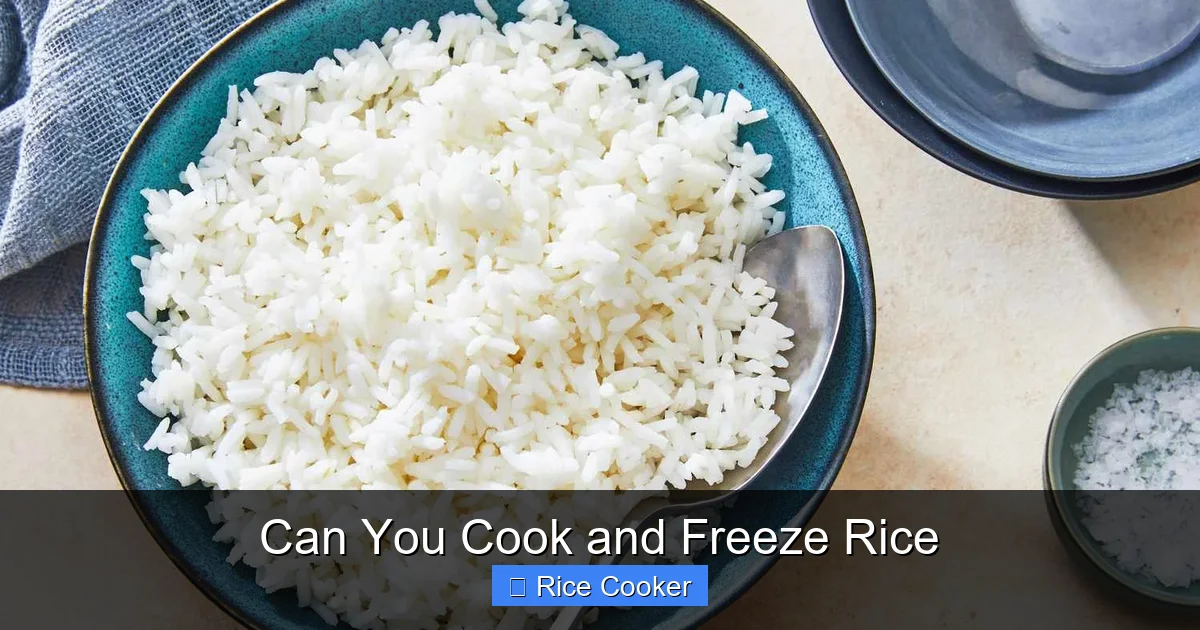
Visual guide about Can You Cook and Freeze Rice
Image source: southernliving.com
1. Cook Your Rice Properly
Start with high-quality rice and the right ratio of water. For most long-grain white rice, the standard is 1 cup rice to 1.5 to 2 cups water. If you’re using a rice cooker, just add the rice and water, press start, and let it do its magic. Make sure your rice comes out fluffy and fully cooked—no crunchy bits!
Pro tip: Don’t salt your rice before cooking unless you plan to use it immediately. Salt can draw out moisture during freezing, leading to dryness later.
2. Cool the Rice Quickly
This is the most important step. Never leave cooked rice sitting at room temperature for more than two hours—ideally, aim for under an hour. Bacteria love warm, moist environments. To cool rice fast:
- Spread it out in a shallow container or on a baking sheet.
- Stir it occasionally to release heat and prevent clumping.
- Place the container in a bowl of ice water if needed (though this isn’t always necessary).
Once the rice is cool to the touch (about 70°F or lower), it’s safe to freeze.
3. Portion and Pack for Freezing
Divide the cooled rice into single or double servings. A good rule of thumb is 1 to 1.5 cups per portion. Use freezer-safe containers or heavy-duty plastic bags. Leave a little headspace (about ½ inch) because liquids expand when frozen.
Bonus tip: Label each container with the date so you know how long it’s been stored.
4. Flash Freeze (Optional but Recommended)
To prevent rice from forming one giant block in the freezer (which is hard to break apart), spread the portions on a parchment-lined baking sheet and freeze them uncovered for 1–2 hours. Once frozen solid, transfer the cubes or portions to a zip-top bag. This also makes it easier to grab exactly what you need later.
What Types of Rice Work Best for Freezing?
Not all rice is created equal when it comes to freezing. Some hold up better than others. Here’s a quick breakdown:
Long-Grain White Rice
This is the winner. Jasmine, Basmati, and regular long-grain white rice all freeze beautifully. They have low starch content, so they don’t turn mushy after thawing. Plus, they reheat evenly and work great in dishes like fried rice, burritos, or grain bowls.
Brown Rice
Yes, brown rice can be frozen, but it’s a bit trickier. Because it has more fiber and oil, it can become slightly gritty or develop off-flavors over time. Still, if you freeze it properly, it lasts about 3 months. Just avoid freezing it too long.
Sticky or Short-Grain Rice (Like Sushi or Glutinous)
These tend to lose their signature chewiness when frozen and thawed. They’re best used fresh or refrigerated briefly. If you must freeze them, do so within 24 hours and expect some texture change.
Porridge or Creamy Rice
Avoid freezing creamy rice (like risotto). The texture changes drastically when thawed—it becomes soupy and unappetizing. Save this kind for immediate consumption.
How to Reheat Frozen Rice Perfectly
One of the best parts about freezing rice is how easy it is to reheat. You don’t need to defrost it overnight. Here are a few foolproof methods:
Microwave Method (Fastest)
- Place a portion of frozen rice in a microwave-safe dish.
- Add a splash of water (1 tablespoon per cup) to prevent drying out.
- Cover with a damp paper towel or lid to trap steam.
- Microwave on high for 2 minutes, then stir and check. Add 30-second intervals until steaming hot.
Stovetop Method (Best for Texture)
- Transfer frozen rice to a saucepan with a splash of water or broth.
- Cook over medium heat, stirring frequently, until heated through (about 3–5 minutes).
- Add a pat of butter or a drizzle of olive oil for extra richness.
Air Fryer or Toaster Oven (For Fried Rice)
If you’re making fried rice, toss the thawed rice with oil and vegetables in an air fryer basket. Cook at 375°F (190°C) for 8–10 minutes, shaking halfway through. This gives you crispy edges and a restaurant-style finish.
Common Mistakes to Avoid When Freezing Rice
I’ve made my share of rookie errors when freezing rice. Here’s what to watch out for:
- Leaving rice out too long: Always cool it quickly. Don’t let it sit beyond 2 hours at room temp.
- Using improper containers: Avoid glass containers that aren’t freezer-safe. Stick to BPA-free plastic or stainless steel.
- Overcrowding the freezer: Give space between packages for even freezing.
- Skipping the label: Trust me—you’ll forget what you froze and when.
- Thawing at room temperature: Never defrost rice on the counter. Either microwave or use cold water bath.
Creative Ways to Use Frozen Rice
Once you’ve mastered freezing rice, the possibilities are endless. Here are some fun ideas:
- Fried Rice: Thaw rice, sauté with eggs, veggies, soy sauce, and your favorite protein.
- Rice Pudding: Warm frozen rice with milk, cinnamon, sugar, and raisins for a cozy dessert.
- Sushi Bowls: Combine rice with avocado, cucumber, edamame, and teriyaki sauce.
- Stuffed Peppers or Cauliflower: Mix rice with ground meat, cheese, and spices for a healthy twist.
- Breakfast Bowls: Top rice with scrambled eggs, spinach, and feta for a savory morning meal.
Freezing rice isn’t just about saving leftovers—it’s about building a pantry of ready-made ingredients for creative cooking.
Food Safety Tips for Freezing Rice
While freezing greatly reduces the risk of foodborne illness, it’s still important to follow basic safety rules:
- Never refreeze rice: Only freeze once. Repeated freezing-thawing cycles degrade quality.
- Keep freezer at 0°F (-18°C): A consistently cold freezer is key to preserving rice.
- Inspect before eating: If rice smells off, has a weird texture, or shows signs of mold, throw it out.
- Use within recommended time: While rice can technically last 6 months in the freezer, quality drops after 3.
Final Thoughts: Freezing Rice Is a Total Game-Changer
After years of tossing leftover rice or letting it go bad, I finally cracked the code: cook and freeze rice properly, and you’ll never look back. It’s simple, cost-effective, and incredibly convenient. Whether you’re prepping for the week, hosting a dinner party, or just want a quick lunch, having frozen rice on hand makes life so much easier.
And the best part? You don’t need fancy equipment. A good rice cooker, some airtight containers, and a little planning are all you need. So next time you make a big batch of rice, don’t hesitate—freeze it! Your future self will thank you.
Frequently Asked Questions
Can you freeze rice immediately after cooking?
No, you should cool it first. Leave rice at room temperature for no more than 2 hours before freezing. Quick cooling (like spreading it thin) helps prevent bacterial growth.
Does freezing rice change its taste?
Minimal change occurs if frozen properly. Most people find frozen rice tastes nearly identical to fresh, especially when reheated with a bit of moisture.
How do I prevent freezer burn on rice?
Use airtight containers or heavy-duty freezer bags, remove as much air as possible, and label with the date. Flash-freezing individual portions also helps.
Can I freeze rice with sauce or seasoning?
Yes, but only if the sauce is stable (not dairy-based or mayonnaise-based). Creamy sauces separate when frozen. For best results, keep rice and sauce separate.
Should I rinse rice before freezing?
Yes! Rinsing removes excess starch, which helps keep rice fluffy. Rinse until the water runs clear before cooking.
Can I freeze rice for sushi?
Not ideal. Sushi rice is sticky and meant to be eaten fresh. Freezing alters its texture and doesn’t work well for rolls or nigiri.