
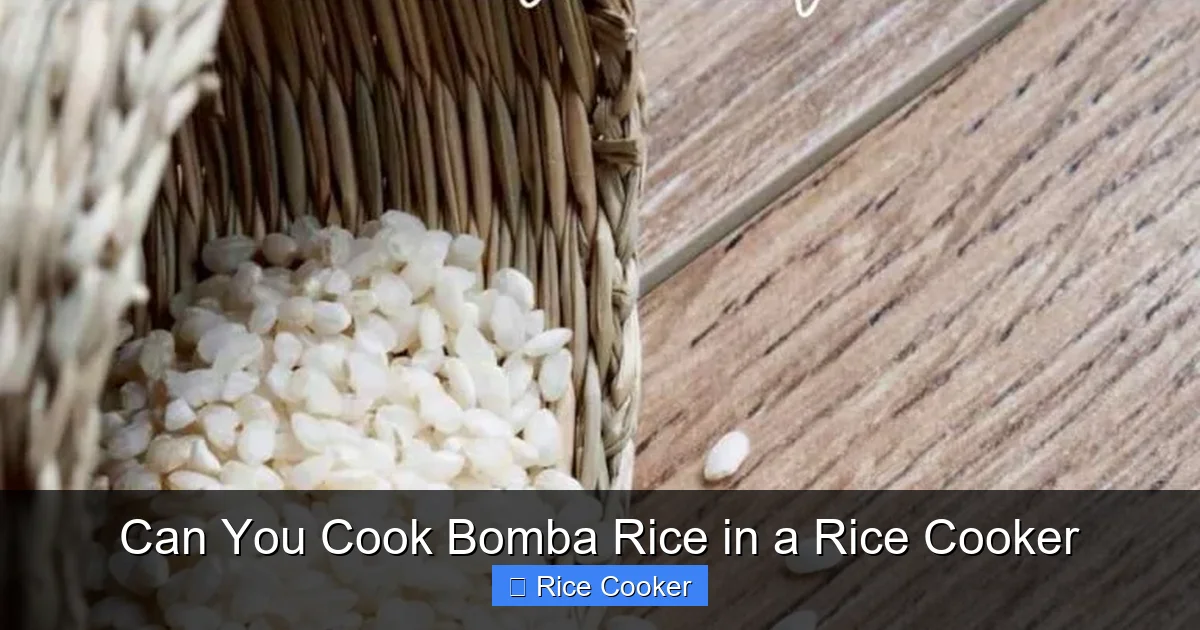
You absolutely can cook bomba rice in a rice cooker, and it’s easier than you think. With the right water-to-rice ratio and a few simple steps, your rice cooker can deliver tender, flavorful bomba rice just like a professional chef would. Whether you’re making paella or risotto, this method ensures perfect texture and absorption every time.
Key Takeaways
- Bomba rice works well in rice cookers: Its unique grain structure and ability to absorb liquid make it ideal for rice cooker cooking.
- Use the correct water-to-rice ratio: For bomba rice, use 1.5 cups of water per 1 cup of rice for most rice cookers.
- Rinse before cooking: Rinsing removes excess starch and prevents the rice from becoming sticky.
- Let it rest after cooking: Resting allows steam to evenly distribute moisture, improving texture.
- Adjust for altitude and cooker type: High altitudes may require slightly more water; check your cooker’s manual for settings.
- Great for dishes beyond paella: Use cooked bomba rice for risottos, stuffed peppers, or even as a side dish.
- Clean your rice cooker properly: Follow manufacturer instructions to maintain performance and longevity.
📑 Table of Contents
- Can You Cook Bomba Rice in a Rice Cooker?
- What Is Bomba Rice?
- Why Use a Rice Cooker for Bomba Rice?
- Step-by-Step Guide: How to Cook Bomba Rice in a Rice Cooker
- Water Ratios and Adjustments for Different Scenarios
- Creative Ways to Use Cooked Bomba Rice
- Maintenance Tips for Your Rice Cooker
- Conclusion: Mastering Bomba Rice in Your Rice Cooker
Can You Cook Bomba Rice in a Rice Cooker?
Imagine opening your rice cooker after a long day at work, expecting a simple side dish, only to find yourself with something extraordinary—fluffy, aromatic bomba rice that’s perfect for sopping up sauces or serving alongside grilled fish. That moment of culinary delight is not only possible but surprisingly easy when you know the right techniques. Bomba rice, with its signature golden hue and ability to absorb flavors without losing its shape, is traditionally used in Spanish paella. But can you achieve that same quality using your everyday rice cooker?
The short answer? Absolutely. While bomba rice shines on a wide, flat paella pan over an open flame, it also adapts beautifully to the controlled environment of a rice cooker. The secret lies in understanding its unique grain behavior and adjusting your cooking method accordingly. In this comprehensive guide, we’ll walk you through everything you need to know—from rinsing techniques to water ratios, resting times, and even creative ways to use your cooked bomba rice. By the end, you’ll feel confident cooking this versatile grain in your rice cooker and impressing family and friends with restaurant-quality results.
What Is Bomba Rice?
Bomba rice (Oryza sativa var. Hidalgo) originates from Spain, particularly the Valencia region, where it has been cultivated for centuries. It belongs to the short-grain variety but differs from other types like arborio or carnaroli used in risottos. What makes bomba rice special is its high starch content and porous structure, which allows it to absorb up to three times its volume in liquid without turning mushy. This quality makes it ideal for absorbing rich broths, saffron-infused liquids, or tomato-based sauces—exactly what you want in a classic Valencian paella.
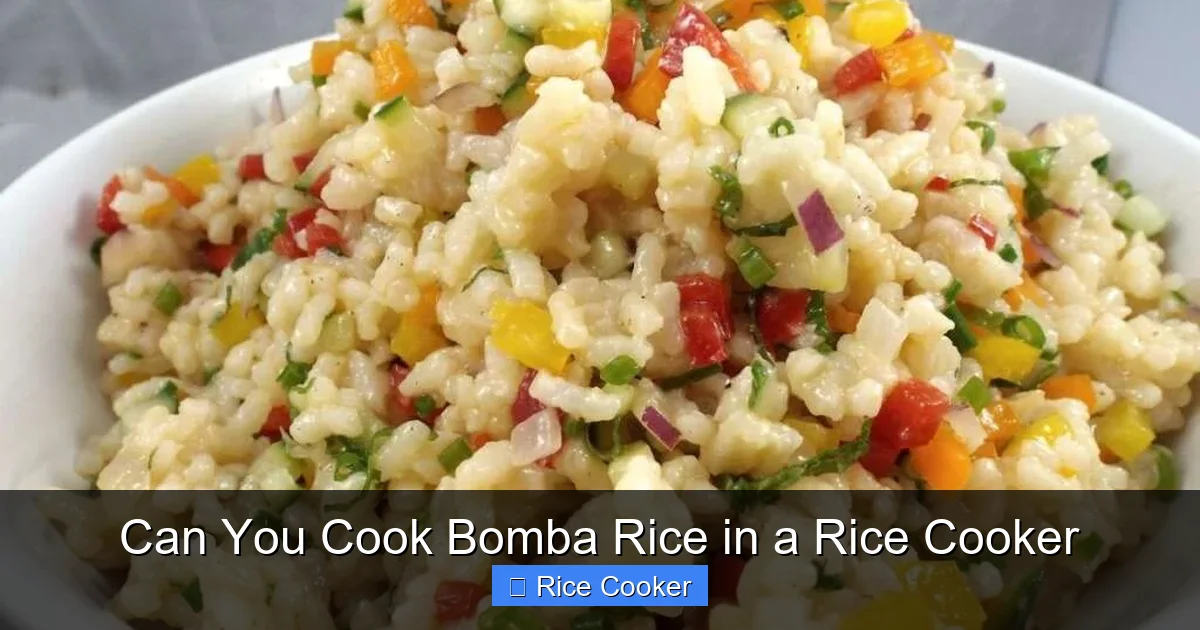
Visual guide about Can You Cook Bomba Rice in a Rice Cooker
Image source: ricearray.org
The Science Behind Bomba Rice’s Texture
When bomba rice grains are exposed to heat and moisture, their outer layers soften while the inner core remains firm. Unlike jasmine or basmati rice, which tend to elongate during cooking, bomba grains retain their round shape and slight chewiness. This structural integrity comes from amylose—a type of starch—that resists breaking down under prolonged heat. As a result, each bite remains distinct yet cohesive, whether served alone or mixed with vegetables, seafood, or meat.
Where Can You Buy Bomba Rice?
If you live outside Spain, sourcing authentic bomba rice might seem challenging, but many specialty food stores, online retailers, and international markets carry it. Look for brands labeled “bomba” or “Spanish short grain.” If unavailable, substitute with arborio or carnaroli (Italian risotto rice), though the final texture will be creamier rather than al dente. Just keep in mind that the substitution won’t fully replicate the traditional paella experience.
Why Use a Rice Cooker for Bomba Rice?
Many home cooks assume that certain grains require specific equipment to reach peak perfection. While a large paella pan offers excellent heat distribution for smoky charring, it’s not necessary for achieving great results. Modern rice cookers come equipped with sensors that detect when the water has been fully absorbed, automatically switching to warm mode to prevent burning. This precision makes them ideal for bomba rice, especially if you’re new to working with this grain.
Visual guide about Can You Cook Bomba Rice in a Rice Cooker
Image source: ricearray.org
Benefits of Cooking Bomba Rice in a Rice Cooker
- Consistent Results: No guesswork about doneness—your rice cooker handles timing automatically.
- Less Hands-On Time: Once you add ingredients, you can relax until dinner is ready.
- Energy Efficient: Uses less power than stovetop methods and reduces cleanup.
- Perfect for Small Batches: Ideal if you don’t need large quantities for paella.
- Versatile Usage: Great base for risottos, grain bowls, or even desserts.
Limitations to Consider
While convenient, rice cookers aren’t designed for multi-ingredient recipes like full-fledged paella. Adding saffron, beans, or proteins mid-cook isn’t practical due to limited space and lack of stirring capability. However, you can still create delicious one-pot meals by pre-cooking meats or soaking beans separately and combining everything at the end.
Step-by-Step Guide: How to Cook Bomba Rice in a Rice Cooker
Cooking bomba rice in a rice cooker follows a straightforward process, but attention to detail ensures success. Follow these steps closely, and you’ll enjoy perfectly cooked rice every time.
Gather Your Ingredients and Tools
Before starting, ensure you have:
- 1 cup uncooked bomba rice
- 1.5 cups water (adjust based on cooker model)
- A fine-mesh strainer
- A measuring cup
- Your rice cooker with inner pot
Step 1: Rinse the Rice Thoroughly
Place the bomba rice in a colander and rinse under cold running water until the water runs clear. This removes surface starch that could make the rice gummy. Gently rub the grains between your fingers to help release excess starch. Drain completely—any remaining water will affect the final texture.
Step 2: Measure Water Accurately
For most rice cookers, use a 3:2 ratio—three parts water to two parts rice. Since we’re using 1 cup of rice, measure out 1.5 cups of water. If your cooker has markings inside the pot, align the rice level with the appropriate line. Some models recommend adding a pinch of salt or a drop of oil to enhance flavor and prevent clumping.
Step 3: Add Rice and Water to the Cooker
Transfer rinsed rice and water into the rice cooker’s inner pot. Give it a gentle stir with a fork to distribute evenly. Close the lid securely and select the standard “white rice” setting unless your machine offers a custom option. Avoid opening the lid during cooking—this disrupts temperature and delays completion.
Step 4: Let It Rest After Cooking
Once the cycle finishes, let the rice sit undisturbed for 5–10 minutes. This resting period allows residual steam to penetrate the grains fully, resulting in fluffier texture. Then, gently fluff with a fork before serving. Resist the urge to stir vigorously—it breaks apart the delicate structure.
Troubleshooting Common Issues
- Rice too dry: Add 1–2 tablespoons of hot water, cover, and steam for 3 minutes.
- Rice too wet: Spread on a baking sheet, return to warm setting for 5 minutes to evaporate moisture.
- Sticky clusters: Ensure proper rinsing and avoid overfilling the pot.
Water Ratios and Adjustments for Different Scenarios
While 1.5:1 is a solid starting point, actual needs vary depending on factors like altitude, humidity, and cooker brand. Below are guidelines to fine-tune your recipe.
Standard Ratio (Sea Level)
1 cup bomba rice : 1.5 cups water
High Altitude Adjustment
At elevations above 3,000 feet, increase water by 1–2 tablespoons per cup of rice. Higher altitudes reduce boiling points, so extra liquid compensates for slower evaporation.
Low Humidity Environments
In arid climates, rice tends to absorb more water. Reduce liquid by 1 tablespoon per cup if your rice turns out soft.
Using Broth Instead of Water
For enhanced flavor, replace half the water with vegetable or chicken broth. Add herbs like bay leaf or thyme during cooking for depth.
Double-Cooking Method for Extra Creaminess
After initial cook cycle, add ¼ cup warm broth or milk, stir gently, and close lid. Switch to “warm” mode for 5 minutes. This mimics traditional risotto technique.
Creative Ways to Use Cooked Bomba Rice
Once you master the basics, bomba rice becomes a versatile pantry staple. Here are some inspired ideas beyond plain servings.
Paella-Inspired Grain Bowl
Combine cooked bomba rice with sautéed bell peppers, onions, garlic, and diced tomatoes. Stir in a pinch of smoked paprika and fresh parsley. Top with grilled shrimp or chickpeas for a satisfying vegetarian option.
Saffron Risotto Lite
Deglaze a pan with white wine, then fold in cooked bomba rice with saffron threads, Parmesan cheese, and butter. Finish with chives and lemon zest for elegance.
Stuffed Bell Peppers
Mix cooled bomba rice with lentils, feta, and spinach. Fill halved peppers, bake at 375°F (190°C) for 25 minutes until tender.
Breakfast Porridge
Warm cooked bomba rice with almond milk, cinnamon, maple syrup, and chopped nuts. A hearty alternative to oatmeal.
Maintenance Tips for Your Rice Cooker
To keep your rice cooker performing optimally—and extend its lifespan—follow these care instructions.
- Clean Immediately After Use: Wash the inner pot with warm soapy water. Avoid abrasive scrubbers that scratch non-stick coatings.
- Check the Lid Seal: Replace cracked or worn seals to prevent steam leaks.
- Descale Monthly: Vinegar-water solution removes mineral buildup affecting heating efficiency.
- Store Properly: Keep dry and unplugged when not in use. Cover lid to protect from dust.
Conclusion: Mastering Bomba Rice in Your Rice Cooker
Cooking bomba rice in a rice cooker opens up a world of possibilities without demanding specialized equipment or advanced skills. With patience, the right ratios, and consistent practice, you’ll soon be enjoying restaurant-quality grains at home. Remember to rinse thoroughly, measure carefully, and allow proper rest time—these small steps make all the difference.
Whether you’re preparing a quick weeknight meal or dreaming up elaborate dishes, bomba rice’s adaptability shines in countless forms. Embrace experimentation, trust your senses, and soon you’ll wonder why you ever doubted using your rice cooker for this treasured grain.
Frequently Asked Questions
Can I substitute other rice types for bomba in my rice cooker?
Yes, but results will differ. Arborio or carnaroli yield creamier textures, while jasmine becomes softer and more fragrant. Adjust water accordingly—short-grain varieties generally need less liquid than long-grain.
How do I store leftover bomba rice?
Refrigerate in an airtight container for up to 4 days. Reheat gently with a splash of water or broth to restore moisture. Avoid microwaving directly from cold storage—add liquid first.
Does bomba rice need soaking before cooking?
Not required, but soaking for 20–30 minutes can reduce cooking time slightly and improve uniformity. Drain well before proceeding.
Can I cook colored or flavored bomba rice?
Absolutely. Add herbs, spices, or natural colorants (like beet juice or turmeric) to water during cooking. Remove solids before serving if desired.
Is it safe to leave rice in the warm setting for hours?
Most modern rice cookers have safety features, but prolonged exposure increases bacterial growth risk. Consume within 2 hours or refrigerate promptly.
What’s the best way to fluff cooked bomba rice?
Use a gentle sawing motion with a fork, moving from center outward. Don’t press down—this crushes the grains and creates a pasty texture.