
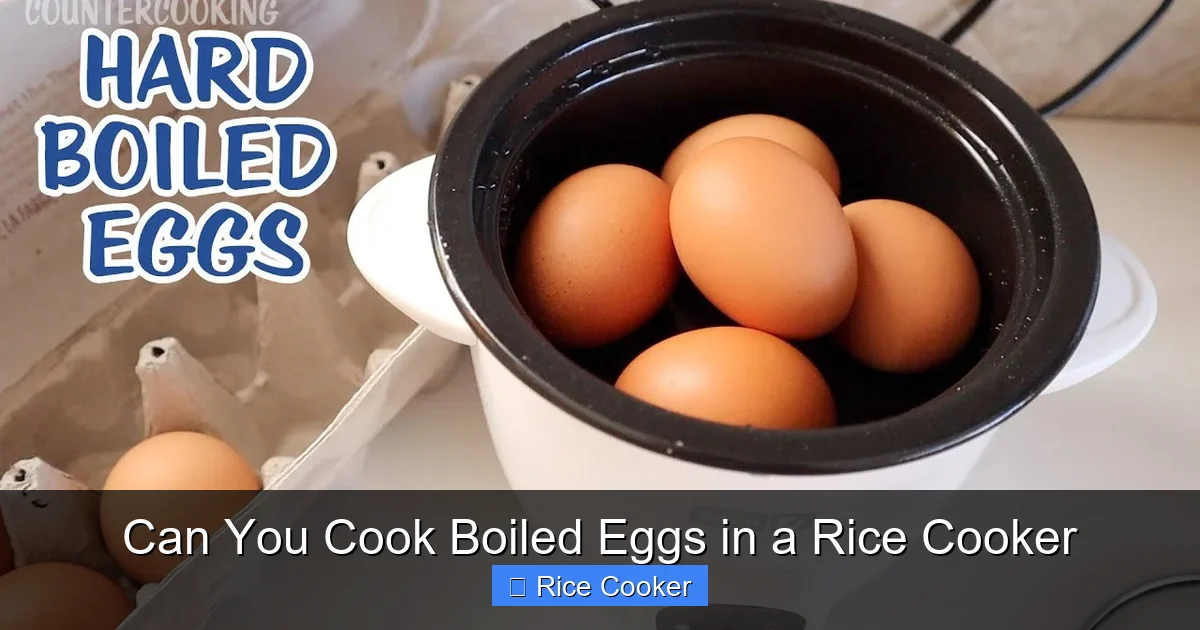
Can you cook boiled eggs in a rice cooker? Absolutely! This clever kitchen trick lets you prepare soft, medium, or hard-boiled eggs quickly and with minimal cleanup. Whether you’re meal prepping breakfasts or need a protein boost, your rice cooker is more versatile than you think.
Key Takeaways
- Yes, it’s possible: A rice cooker can cook boiled eggs using either the water displacement method or the steaming basket.
- No extra cooking time: Eggs typically take 8–10 minutes to reach your desired doneness, depending on size and preference.
- Energy efficient: Using your rice cooker instead of boiling water on the stove saves electricity and reduces clutter.
- Great for meal prep: Batch-cooking eggs in the rice cooker helps build healthy, portable snacks or breakfasts.
- Easy cleanup: One pot, one bowl—less washing means more time enjoying your food.
- Customizable results: Control texture by adjusting cook time: soft (6–7 min), medium (8–9 min), or hard (10–12 min).
- Safety first: Always use a heat-safe container and avoid cracking eggs directly into the cooker.
[FEATURED_IMAGE_PLACEHOLDER]
Key Takeaways
- Understanding can you cook boiled eggs in a rice cooker: Provides essential knowledge
📑 Table of Contents
- Can You Cook Boiled Eggs in a Rice Cooker? The Ultimate Kitchen Hack
- The Science Behind Cooking Eggs in a Rice Cooker
- Two Proven Methods to Cook Boiled Eggs in a Rice Cooker
- Choosing the Right Rice Cooker for Egg Cooking
- Tips for Perfect Boiled Eggs Every Time
- Meal Prep Magic: Why Boil Eggs in a Rice Cooker?
- Common Mistakes and How to Avoid Them
- Creative Ways to Serve Your Rice Cooker Boiled Eggs
- Are Rice Cooker Eggs Healthier Than Stovetop Boiled Eggs?
- Frequently Asked Questions About Cooking Eggs in a Rice Cooker
- Final Thoughts: Why You Should Try This Today
Can You Cook Boiled Eggs in a Rice Cooker? The Ultimate Kitchen Hack
Have you ever stood over a pot of boiling water, stirring constantly, just to peel a few eggs for Sunday brunch? Or maybe you’ve rushed through breakfast prep only to realize you forgot to start the kettle? If that sounds familiar, you’re not alone. Cooking eggs can be surprisingly time-consuming—especially when you’re trying to juggle work, kids, and a full plate of responsibilities.
But what if I told you there’s a simple, foolproof way to cook perfect boiled eggs without standing over the stove? Enter the humble rice cooker. Yes, that trusty kitchen appliance you use to make fluffy white rice? It turns out it’s also a surprisingly effective egg-cooking machine. Whether you’re a busy parent, a college student, or someone who loves meal prepping, learning how to cook boiled eggs in a rice cooker could change your daily routine for the better.
In this article, we’ll walk you through everything you need to know about making boiled eggs in your rice cooker—from the science behind it to step-by-step instructions, troubleshooting tips, and even creative ways to serve them. By the end, you’ll be amazed at how versatile this kitchen tool really is.
The Science Behind Cooking Eggs in a Rice Cooker
Before we dive into the “how,” let’s talk about the “why.” How exactly does a rice cooker cook eggs? It all comes down to heat transfer and controlled temperature.
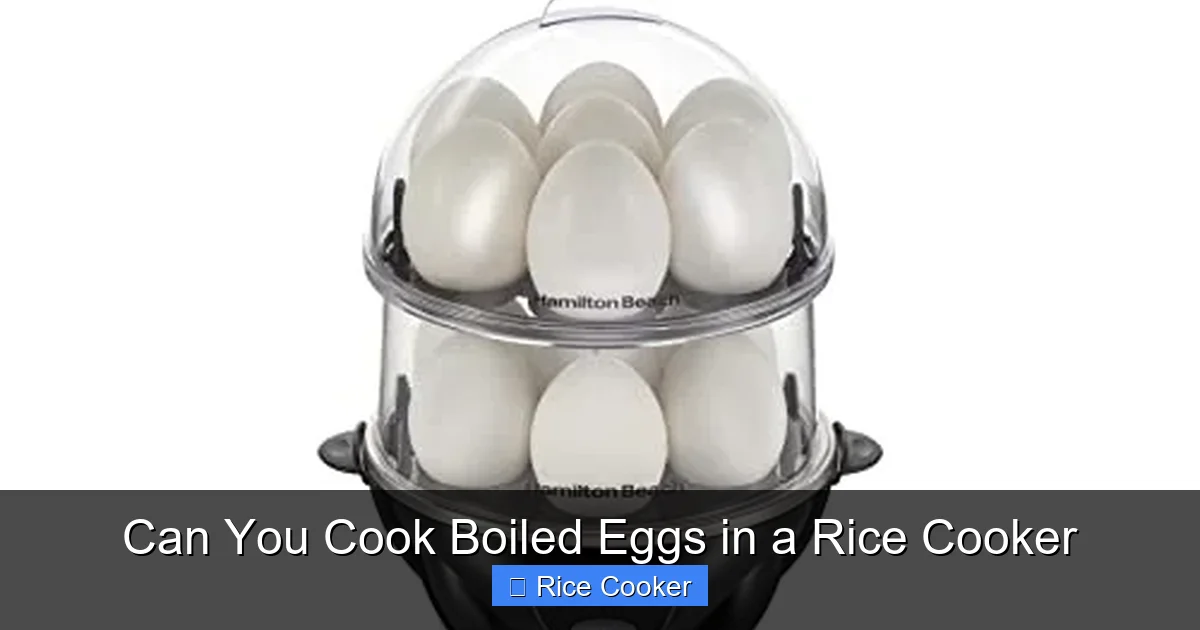
Visual guide about Can You Cook Boiled Eggs in a Rice Cooker
Image source: m.media-amazon.com
How Heat Transfer Works in a Rice Cooker
A rice cooker maintains a consistent internal temperature—usually around 212°F (100°C) when boiling water. This steady heat source is ideal for cooking eggs evenly. When eggs are submerged in boiling water, the proteins in the egg whites begin to denature and coagulate, turning from clear to opaque. The yolk follows suit, thickening as it heats up.
Because rice cookers are sealed environments, they trap steam and maintain moisture, which helps prevent eggs from drying out. Plus, the gentle, even heat reduces the risk of cracking—something that often happens when eggs hit the sides of a boiling pot.
Why Rice Cookers Are Ideal for Boiling Eggs
Unlike stovetop boiling, where heat can fluctuate and cause hot spots, rice cookers provide uniform heating. This consistency is key to achieving the perfect texture. Whether you want soft, creamy yolks or firm, sliceable eggs, the rice cooker delivers reliable results every time.
Another advantage? No babysitting required. Once you add the eggs and close the lid, the cooker does the rest. You can go do laundry, answer emails, or even take a nap—well, maybe not a nap, but you get the idea. It’s hands-off cooking at its finest.
Two Proven Methods to Cook Boiled Eggs in a Rice Cooker
There are two main ways to cook boiled eggs in a rice cooker: the water displacement method and the steaming basket method. Both are simple, effective, and yield delicious results. Let’s break them down.
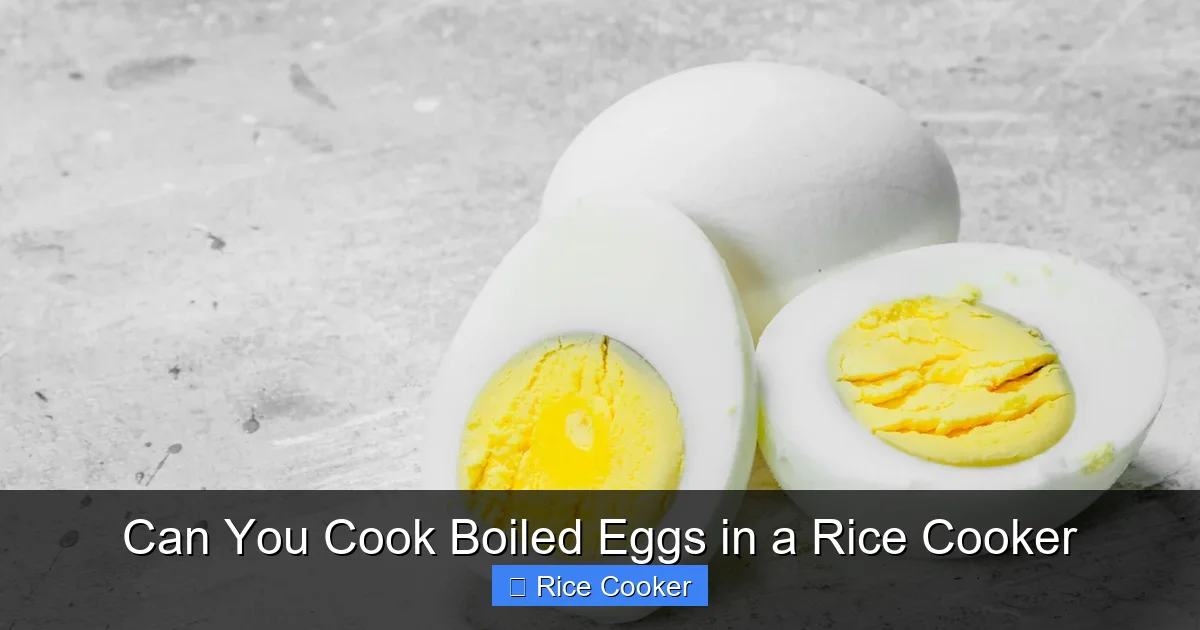
Visual guide about Can You Cook Boiled Eggs in a Rice Cooker
Image source: ricecookerjunkie.com
Method 1: Water Displacement (Submersion)
This is the most straightforward approach. Instead of placing eggs directly into the cooking basin, you’ll use a heat-safe container to hold them.
What You’ll Need:
- Fresh eggs (6–8 per batch)
- Heat-safe bowl or cup (glass or stainless steel)
- Rice cooker with a removable inner pot
- Water
- Tongs or slotted spoon
Step-by-Step Instructions:
- Fill the rice cooker’s inner pot with enough water to cover the eggs by about an inch when placed inside your bowl.
- Carefully crack eggs into the heat-safe container—don’t drop them directly into the pot, as they may crack from impact.
- Gently lower the container with eggs into the water-filled pot.
- Close the lid and turn the rice cooker to the “Cook” or “Boil” setting (if available). Most standard models will automatically switch to “Keep Warm” after the cycle ends—that’s fine; the residual heat continues cooking.
- Cook for 8–10 minutes for medium-hard eggs. Adjust time based on preference: 6–7 minutes for soft, 8–9 for medium, 10–12 for hard.
- Once done, carefully remove the container using tongs. Let eggs sit in hot water for 2–3 minutes to finish cooking through.
- Transfer eggs to an ice bath (bowl of cold water with ice) for 5 minutes to stop cooking and ease peeling.
Method 2: Steaming Basket (Using the Rice Cooker’s Lid or Accessory)
If your rice cooker came with a steaming basket or you have a compatible accessory, this method is even easier.
What You’ll Need:
- Steaming basket (included or purchased separately)
- Fresh eggs
- Water
- Timer
Step-by-Step Instructions:
- Fill the inner pot with about 1–2 inches of water.
- Place the steaming basket on top of the water (make sure it’s not touching the bottom).
- Arrange eggs gently in the basket—don’t stack too tightly.
- Close the lid and set the rice cooker to “Cook.”
- Let it run until the water boils and steam builds (usually 5–7 minutes).
- Once the rice cooker switches to “Keep Warm,” count an additional 5–7 minutes for total cook time. For example, if it takes 6 minutes to boil, add 6 more minutes—totaling ~12 minutes for hard-boiled eggs.
- Remove eggs immediately and place in an ice bath.
- Non-stick inner pot: Makes cleaning easier and prevents eggs from sticking.
- Removable pot: Allows you to easily transfer eggs without lifting the heavy base.
- Timer function: Lets you set exact cook times, reducing guesswork.
- Steam vent or adjustable lid: Helps release excess pressure and improve safety.
- Large capacity: A 6-cup rice cooker can usually handle 6–8 eggs comfortably.
- Batch cook: Make a dozen eggs at once and freeze half the shells. When needed, thaw and peel.
- Label and date: Keep track of when you cooked them to ensure freshness.
- Pair with other foods: Add eggs to overnight oats, grain bowls, or veggie-packed wraps.
- Experiment with flavors: Try adding garlic, paprika, or soy sauce to the water for infused eggs.
- Avocado Toast Toppers: Slice an avocado, sprinkle with salt and pepper, then top with a halved hard-boiled egg.
- Breakfast Burritos: Scramble eggs with black beans, salsa, and cheese, then wrap in a tortilla with a boiled egg inside.
- Veggie-Packed Salads: Toss mixed greens with cherry tomatoes, cucumber, feta, and sliced eggs for a protein-rich lunch.
- Deviled Eggs: Mash yolks with mayo, mustard, and paprika. Pipe back into whites for party snacks.
- Japanese-Inspired Bowls: Serve with miso soup, steamed rice, and a soft-boiled egg cracked over the top—a popular ramen-style dish.
Choosing the Right Rice Cooker for Egg Cooking
Not all rice cookers are created equal—and while most modern models can handle eggs, some features make the process smoother.
Best Features to Look For
If you already own a basic rice cooker, don’t worry—it likely works just fine. Just avoid models with tiny openings or flimsy lids that might not withstand steam buildup.
Popular Rice Cooker Brands That Work Well
Brands like Zojirushi, Tiger, Panasonic, and Instant Pot (with their rice cooker functions) are known for durability and precision. Even budget-friendly models from OXO or Cuisinart can handle eggs without issues.
Tips for Perfect Boiled Eggs Every Time
Even with the right tools, a few small tweaks can make your eggs extra creamy, easy to peel, and delicious.
Use Fresh Eggs
Surprisingly, fresh eggs don’t always peel cleanly. In fact, older eggs (about 1–2 weeks old) tend to peel more easily because the pH balance inside changes, loosening the membrane. However, very fresh eggs can stick to the shell. Aim for eggs used within 7 days of purchase for best results.
Start With Room Temperature Eggs
Cold eggs dropped into hot water can crack due to sudden thermal shock. To avoid this, let eggs sit at room temperature for 15–20 minutes before cooking. If you forget, crack them gently under running water to warm slightly.
Add Baking Soda or Vinegar for Easier Peeling
Adding a teaspoon of baking soda to the water raises the pH, helping separate the membrane from the egg white. Alternatively, a splash of vinegar (though less effective) can help seal tiny cracks. Note: This may slightly alter taste, so use sparingly.
Cool Immediately After Cooking
Plunging hot eggs into ice water stops the cooking process instantly. This also firms up the white and makes peeling smoother. Skip this step, and you risk rubbery, uneven textures.
Peel Under Running Water
While in the ice bath, use a spoon to gently tap and roll eggs until the shell breaks. Then peel under cool running water—the friction helps remove bits of shell effortlessly.
Store Properly for Later Use
Once cooled and peeled, store boiled eggs in an airtight container in the fridge for up to one week. They’re perfect for salads, sandwiches, or snacking straight out of the fridge.
Meal Prep Magic: Why Boil Eggs in a Rice Cooker?
If you’re into meal prep, you’ll love this hack. Hard-boiled eggs are a staple in many healthy diets—packed with protein, vitamins, and long-lasting energy. But peeling dozens of eggs by hand is tedious. Cooking them in a rice cooker solves that problem beautifully.
Here’s how to maximize efficiency:
Plus, since the rice cooker handles everything, you can multitask. While your eggs cook, toss together a salad or marinate chicken. Efficiency meets convenience!
Common Mistakes and How to Avoid Them
Even experienced cooks run into hiccups. Here are the most common pitfalls when boiling eggs in a rice cooker—and how to dodge them.
Mistake #1: Cracking Eggs Directly Into the Pot
Solution: Always use a bowl or cup. Dropping eggs into a hot, narrow pot increases the chance of shattering.
Mistake #2: Not Enough Water
Solution: Ensure water covers the container holding the eggs by at least an inch. Too little water = uneven cooking.
Mistake #3: Overcooking or Undercooking
Solution: Stick to a timer. Soft eggs = 6–7 min, medium = 8–9 min, hard = 10–12 min. Use a kitchen timer—no guessing!
Mistake #4: Skipping the Ice Bath
Solution: Never skip cooling. It prevents overcooking and simplifies peeling.
Mistake #5: Using Old or Stale Eggs
Solution: Check expiration dates. Bad eggs won’t peel well and may smell off. When in doubt, discard.
Creative Ways to Serve Your Rice Cooker Boiled Eggs
Boiled eggs aren’t just for deviled eggs or egg salad. Get creative!
You can even infuse flavor by boiling eggs in seasoned broth or adding bay leaves and peppercorns to the water.
Are Rice Cooker Eggs Healthier Than Stovetop Boiled Eggs?
Absolutely—and not just because they’re easier to make. Since rice cookers use less water and shorter cook times, they preserve more nutrients compared to prolonged boiling. Vitamins like B12 and riboflavin stay intact, and there’s no added fat or oil.
Additionally, because the eggs cook in their own shell without direct contact with metal or plastic (assuming safe containers), there’s no risk of contamination from non-stick coatings leaching chemicals—especially important if you’re using older pots.
Just remember: always use BPA-free, food-grade containers. Glass or stainless steel are safest choices.
Frequently Asked Questions About Cooking Eggs in a Rice Cooker
Can I cook raw eggs in a rice cooker?
No, you shouldn’t attempt to cook raw eggs (like scrambling or frying) in a rice cooker. The design isn’t meant for that, and it could lead to messy spills or safety hazards. Stick to boiling whole eggs only.
How many eggs can I cook at once?
It depends on your rice cooker size. Most 6-cup models fit 6–8 eggs comfortably. Don’t overcrowd—leave space for even heat distribution.
Can I reuse the water for cooking rice?
No. Eggshells contain minerals that can affect rice flavor and texture. Always use fresh, clean water for each method.
Do I need to preheat the rice cooker?
No. Unlike ovens, rice cookers don’t require preheating. Just add water and eggs, and start cooking immediately.
Can I cook other foods in the same rice cooker?
Yes! After boiling eggs, rinse the pot thoroughly before making rice, soup, or steamed vegetables. Just avoid cross-contamination if handling raw meat later.
Is it safe to leave the rice cooker unattended?
Yes—that’s the beauty of it! Once the cycle completes, the “Keep Warm” function maintains temperature without overcooking. Just don’t leave it on indefinitely beyond the manufacturer’s guidelines.
Final Thoughts: Why You Should Try This Today
Cooking boiled eggs in a rice cooker isn’t just a clever trick—it’s a game-changer for anyone looking to simplify their kitchen routine. It saves time, reduces cleanup, uses less energy, and delivers consistently great results. Whether you’re feeding a family, prepping lunches for the week, or just craving a quick snack, this method puts control back in your hands.
And the best part? You probably already own everything you need. So next time you’re reaching for the kettle, pause. Open your rice cooker instead. Crack those eggs in a bowl, drop them in, press start, and watch the magic happen.
Your future self—and your taste buds—will thank you.
Frequently Asked Questions
Can I cook raw eggs in a rice cooker?
No, you shouldn’t attempt to cook raw eggs (like scrambling or frying) in a rice cooker. The design isn’t meant for that, and it could lead to messy spills or safety hazards. Stick to boiling whole eggs only.
How many eggs can I cook at once?
It depends on your rice cooker size. Most 6-cup models fit 6–8 eggs comfortably. Don’t overcrowd—leave space for even heat distribution.
Can I reuse the water for cooking rice?
No. Eggshells contain minerals that can affect rice flavor and texture. Always use fresh, clean water for each method.
Do I need to preheat the rice cooker?
No. Unlike ovens, rice cookers don’t require preheating. Just add water and eggs, and start cooking immediately.
Can I cook other foods in the same rice cooker?
Yes! After boiling eggs, rinse the pot thoroughly before making rice, soup, or steamed vegetables. Just avoid cross-contamination if handling raw meat later.
Is it safe to leave the rice cooker unattended?
Yes—that’s the beauty of it! Once the cycle completes, the “Keep Warm” function maintains temperature without overcooking. Just don’t leave it on indefinitely beyond the manufacturer’s guidelines.