
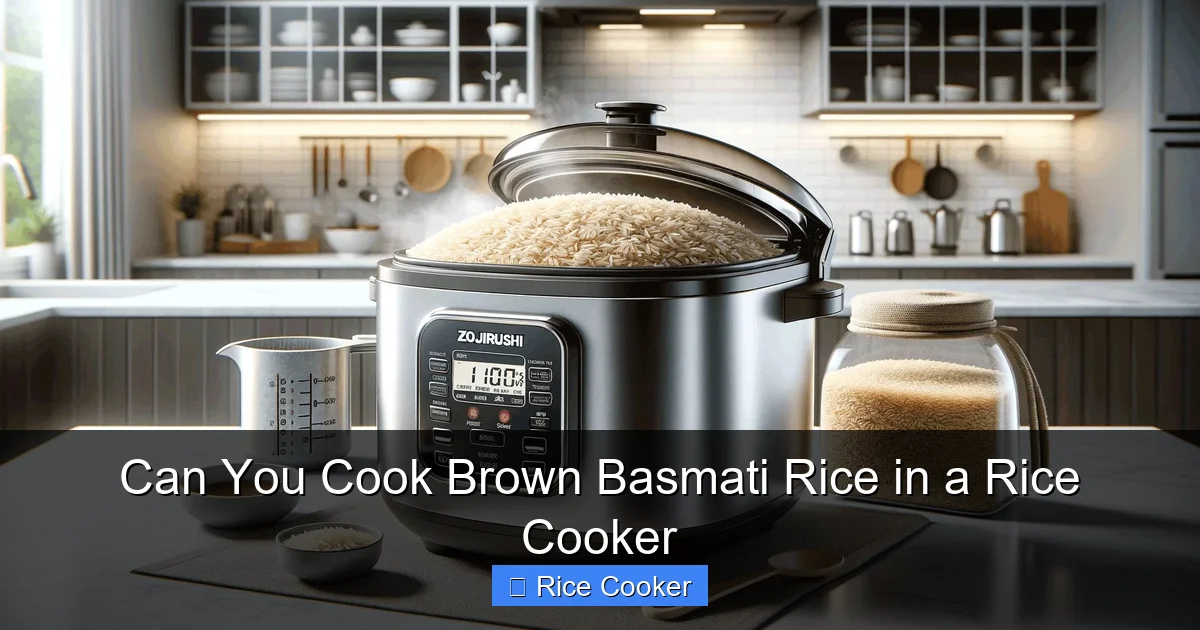
Can you cook brown basmati rice in a rice cooker? Absolutely—and it’s easier than you think. While not all rice cookers are optimized for whole grains, using the right water ratio, soaking time, and settings makes all the difference. This guide walks you through everything from preparation to serving, so your brown basmati comes out tender, nutty, and delicious every time.
Key Takeaways
- Yes, you can cook brown basmati rice in a rice cooker. Most modern rice cookers handle brown rice well, especially if they have a “brown rice” or “multigrain” setting.
- Soaking is key. Soaking brown basmati rice for 30–60 minutes helps it cook evenly and prevents undercooked centers.
- Water ratio matters. Use 1.5 to 1.75 cups of water per cup of uncooked rice—more than white rice because brown rice absorbs more liquid.
- Rinse before cooking. Rinsing removes excess starch and dust, resulting in less stickiness and better texture.
- Patience pays off. Brown basmati takes longer to cook (typically 40–50 minutes), so don’t rush the process.
- Let it rest after cooking. A 5–10 minute rest allows steam to distribute evenly and makes fluffing easier.
- Clean your rice cooker regularly. Brown rice leaves more residue, so wipe the inner pot and lid after each use.
📑 Table of Contents
- Introduction: The Fluffy Promise of Brown Basmati Rice
- Understanding Brown Basmati Rice: What Makes It Special
- Is Your Rice Cooker Ready for Brown Rice?
- Step-by-Step Guide: How to Cook Brown Basmati Rice in a Rice Cooker
- Water Ratios and Cooking Times: Getting It Just Right
- Tips for Perfect Every Time: Pro Techniques
- Pairing Brown Basmati Rice: Flavor Combinations
- Conclusion: Master the Art of Brown Basmati in Your Rice Cooker
Introduction: The Fluffy Promise of Brown Basmati Rice
Have you ever wondered if your trusty rice cooker can handle something more nutritious than plain white rice? The answer is yes—especially when it comes to brown basmati rice. This aromatic, slightly chewy grain is a staple in Indian, Pakistani, and Middle Eastern cuisines, known for its nutty flavor and long, slender shape. Unlike white rice, brown basmati retains its bran and germ, making it richer in fiber, vitamins, and minerals. But here’s the catch: brown rice generally needs more water and longer cooking times than white rice. That’s where the rice cooker steps in—not just as a tool, but as a game-changer.
Many people assume rice cookers only work well with polished grains, but modern appliances are surprisingly versatile. With the right technique, you can transform a simple appliance into a reliable kitchen companion for preparing perfectly cooked, fluffy brown basmati rice every single time. Whether you’re meal-prepping, feeding a family, or simply craving a healthier side dish, learning how to cook brown basmati rice in a rice cooker is a skill worth mastering. In this guide, we’ll walk you through every step, tip, and trick to ensure success—no guesswork involved.
Understanding Brown Basmati Rice: What Makes It Special
Before diving into the cooking process, let’s talk about what sets brown basmati rice apart from its white counterpart. Brown basmati rice is a whole grain, meaning it still contains the nutrient-rich bran layer and germ. This gives it a richer, earthier flavor and a chewier texture compared to white rice. It also cooks slower and absorbs more water, which affects how it behaves in a rice cooker.
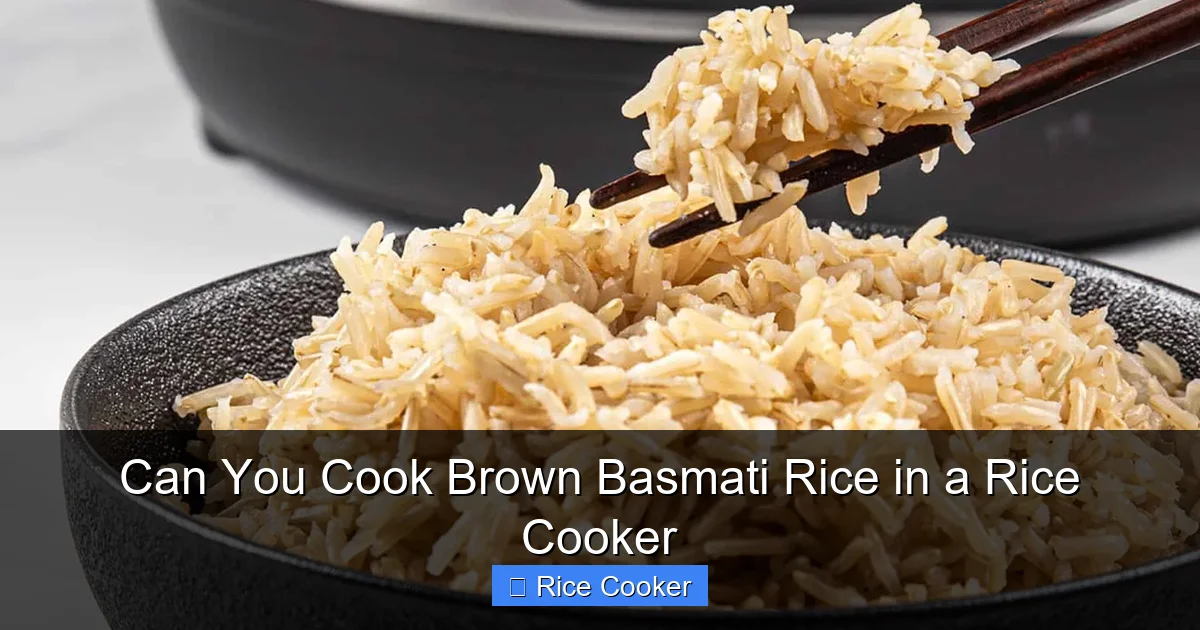
Visual guide about Can You Cook Brown Basmati Rice in a Rice Cooker
Image source: storables.com
The Nutritional Edge
Brown basmati rice is packed with fiber, magnesium, selenium, and B vitamins. Because it’s unpolished, it digests more slowly, helping maintain steady blood sugar levels. For those looking to add more whole grains to their diet, brown basmati is an excellent choice. However, its higher fat content (from the germ) means it can spoil faster than white rice if stored improperly. Always keep it in an airtight container in a cool, dry place.
Texture and Aroma
One of the most beloved qualities of basmati rice—whether brown or white—is its aroma. When cooked, it releases a subtle, floral scent that fills the kitchen. Brown basmati, while still fragrant, has a deeper, nuttier profile due to the presence of the bran layer. Its long grains separate easily when cooked, making it ideal for pilafs, curries, and salads.
Why Cooking Time Differs
Brown rice has a hard outer hull that acts like a barrier, slowing down the absorption of water and heat. This is why it takes longer to cook than white rice. In a rice cooker, this means you need to account for extra time and sometimes adjust the water level to prevent mushiness or dryness. Understanding these differences will help you troubleshoot any issues that arise during cooking.
Is Your Rice Cooker Ready for Brown Rice?
Not all rice cookers are created equal when it comes to handling brown rice. Older models or basic rice cookers may struggle with the longer cooking time and inconsistent heat distribution. But don’t worry—many modern rice cookers come equipped with settings specifically designed for whole grains.
Visual guide about Can You Cook Brown Basmati Rice in a Rice Cooker
Image source: howtocookguides.com
Look for These Features
- Multigrain or Brown Rice Setting: Some rice cookers have dedicated programs that adjust temperature and timing for brown rice, ensuring even cooking without burning.
- Adjustable Heat Control: Models with variable heat settings allow you to simmer the rice gently after it absorbs most of the water, mimicking traditional stovetop methods.
- Larger Capacity Pots: A wider inner pot helps distribute heat more evenly, reducing the risk of hot spots that can burn the bottom of the rice.
- Non-Stick Coating: A high-quality non-stick surface makes cleanup easier and prevents rice from sticking, especially important with the oil-rich brown rice.
If your rice cooker doesn’t have a specific brown rice mode, that’s okay. You can still cook brown basmati successfully by using the standard white rice setting and being patient. Just remember to monitor the first few batches until you find the perfect balance for your appliance.
Testing Your Rice Cooker
To see if your rice cooker handles brown rice well, try a small test batch. Cook ½ cup of brown basmati with 1 cup of water (a common starting ratio). After cooking, check for uniformity—no hard, chalky centers and no mushy edges. If it turns out uneven, adjust the water ratio slightly next time or consider investing in a model with better multigrain capabilities.
Step-by-Step Guide: How to Cook Brown Basmati Rice in a Rice Cooker
Cooking brown basmati rice in a rice cooker doesn’t have to be complicated. Follow these simple steps, and you’ll have restaurant-quality results at home.
Ingredients & Tools You’ll Need
- 1 cup uncooked brown basmati rice
- 1.5 to 1.75 cups water (adjust based on your rice cooker and desired consistency)
- Fine-mesh strainer (for rinsing)
- Measuring cup
- Wooden spoon or spatula (for fluffing)
Step 1: Rinse the Rice Thoroughly
Start by placing the rice in a fine-mesh strainer and running it under cold water. Swirl the rice gently with your fingers and rinse until the water runs clear. This removes excess starch and any debris from milling. Rinsed rice not only cooks more evenly but also reduces clumping.
Step 2: Soak for Better Texture
Place the rinsed rice in a bowl and cover it with room-temperature water. Let it soak for 30 to 60 minutes. Soaking softens the grain and helps it absorb water more uniformly during cooking, leading to a consistent texture throughout.
Step 3: Drain and Add to Rice Cooker
After soaking, drain the rice completely. Transfer it to the inner pot of your rice cooker. Add water according to your preferred ratio—start with 1.5 cups of water per cup of rice. If your rice cooker has markings indicating water lines, use those as a guide.
Step 4: Start the Cooking Cycle
Close the lid and select the “White Rice” or “Regular” setting if your cooker doesn’t have a brown rice option. If available, use the “Brown Rice” or “Multigrain” setting for optimal results. Press start and resist the urge to open the lid during cooking—steam builds pressure, and opening too soon can disrupt the process.
Step 5: Let It Rest
Once the cycle ends, let the rice sit, covered, for 5 to 10 minutes. This resting period allows residual steam to finish cooking the rice evenly and makes it easier to fluff without mashing the grains.
Step 6: Fluff and Serve
Use a fork or rice paddle to gently fluff the rice. Avoid stirring vigorously—this can break the delicate grains. Serve immediately while warm, or keep it covered in a warm place for up to an hour.
Water Ratios and Cooking Times: Getting It Just Right
One of the biggest challenges when cooking brown basmati rice is getting the water-to-rice ratio correct. Too little water leads to dry, undercooked rice; too much results in mushy, soupy grains. The ideal ratio depends on several factors, including your rice cooker model, altitude, and personal preference.
Recommended Water Ratios
- Standard Ratio: 1.5 cups water per 1 cup rice
- For Extra Fluffy Rice: 1.75 cups water per 1 cup rice
- In High Altitudes: Increase water slightly (up to 2 cups per cup of rice) to compensate for lower boiling temperatures.
Cooking Time Breakdown
| Rice Type | Cooking Time (in rice cooker) | Notes |
|---|---|---|
| White Basmati | 15–18 minutes | Faster due to polished grain |
| Brown Basmati | 40–50 minutes | Slower; requires more patience |
| Jasmine Brown Rice | 45–55 minutes | Similar to basmati but slightly stickier |
Keep in mind that these times are averages. Always check your rice after the cycle ends. If there’s still a slight bite, let it cook for another 5 minutes under a closed lid.
Troubleshooting Common Issues
- Gummy Texture: Caused by too much water or insufficient rinsing. Next time, reduce water by ¼ cup and rinse longer.
- Dry or Hard Grains: Likely due to too little water or short soaking time. Increase water and always soak for at least 30 minutes.
- Burnt Bottom: Occurs if the rice cooker overheats. Ensure the inner pot isn’t warped and clean the heating element area regularly.
Tips for Perfect Every Time: Pro Techniques
Even with the right recipe, small details make a big difference. Here are some pro tips to elevate your brown basmati rice game.
Use Room-Temperature Water
Cooking with cold water can shock the grains and lead to uneven absorption. Warm water helps maintain consistent internal temperatures, promoting uniform cooking.
Add a Pinch of Salt or Ghee
A dash of salt enhances flavor, while a teaspoon of ghee or butter adds richness and helps separate the grains. It also improves the rice’s mouthfeel and aroma.
Don’t Skip the Resting Period
Skipping the rest might seem efficient, but it compromises texture. The final few minutes of steaming hydrate the outer layers without softening the core, achieving that ideal balance.
Store Leftovers Properly
Refrigerate leftover rice in an airtight container within two hours. Reheat with a splash of water to restore moisture, or use it in fried rice, burrito bowls, or rice pudding.
Experiment with Broths
Instead of water, try cooking brown basmati in vegetable, chicken, or coconut milk broth for added flavor. Just adjust the liquid measurement accordingly.
Keep Your Rice Cooker Clean
Brown rice leaves behind more oil and residue than white rice. Wipe the inner pot and lid with a damp cloth after each use to prevent buildup and odors.
Pairing Brown Basmati Rice: Flavor Combinations
Brown basmati rice is incredibly versatile. Its nutty flavor pairs beautifully with both savory and slightly sweet dishes. Here are some popular combinations to inspire your next meal.
With Spices and Herbs
Cook the rice with a bay leaf, cinnamon stick, and a pinch of cardamom for a fragrant pilaf. Add fresh cilantro or parsley at the end for brightness.
In Curries and Stews
Serve brown basmati alongside creamy korma, spicy vindaloo, or lentil-based dal. The rice’s ability to hold its shape makes it ideal for soaking up sauces.
As a Side Dish
Roast vegetables like carrots, cauliflower, or sweet potatoes and serve them over a bed of warm brown basmati for a hearty vegetarian meal.
In Salads
Cool cooked rice with diced cucumber, tomatoes, mint, and a lemon-olive oil dressing for a refreshing summer salad.
With Protein
Grilled chicken, lamb kebabs, or paneer all shine when paired with fluffy brown basmati rice. The rice balances rich proteins with its earthy notes.
Conclusion: Master the Art of Brown Basmati in Your Rice Cooker
Cooking brown basmati rice in a rice cooker is not only possible—it’s simple, efficient, and yields delicious results when done correctly. By understanding the unique needs of whole grains, adjusting water ratios, and using proper techniques like soaking and resting, you can enjoy perfectly cooked, nutritious rice without the hassle of constant monitoring. Whether you’re new to whole grains or a seasoned cook, this method brings consistency and flavor to every batch.
Remember, practice makes perfect. Your first few attempts might vary slightly, but soon you’ll develop a feel for your rice cooker and rice type. Keep experimenting with ratios, spices, and accompaniments to find your favorite version. And don’t forget to clean your appliance—maintenance ensures longevity and better performance.
In a world full of quick fixes and shortcuts, taking the time to cook brown basmati rice properly is a small act of self-care for your health and taste buds. So go ahead—fire up that rice cooker, measure your grains, and enjoy the rich, satisfying results. Your future self will thank you.
Frequently Asked Questions
Can all rice cookers cook brown basmati rice?
Most modern rice cookers can cook brown basmati rice, especially those with a “brown rice” or “multigrain” setting. Older or basic models may require manual adjustment of time and water. Always test your machine with a small batch first.
Do I need to soak brown basmati rice before cooking?
Yes, soaking for 30–60 minutes helps the grains cook evenly and prevents undercooked centers. It also improves texture and reduces cooking time slightly.
How much water do I use for 1 cup of brown basmati rice?
Use 1.5 to 1.75 cups of water per cup of rice. Start with 1.5 cups and adjust based on your desired consistency and rice cooker performance.
Why is my brown basmati rice sticky?
Sticky rice is usually caused by excess starch or too much water. Rinse the rice thoroughly and reduce the water ratio slightly next time.
Can I cook brown basmati rice in a pressure cooker?
Yes, you can cook brown basmati in a pressure cooker using the “rice” setting. The typical ratio is 1 cup rice to 1.5 cups water, with a cooking time of about 20–25 minutes under pressure.
How long does cooked brown basmati rice last in the fridge?
Cooked brown basmati rice can be safely stored in the refrigerator for up to 5 days. Always store it in an airtight container and reheat thoroughly before eating.