
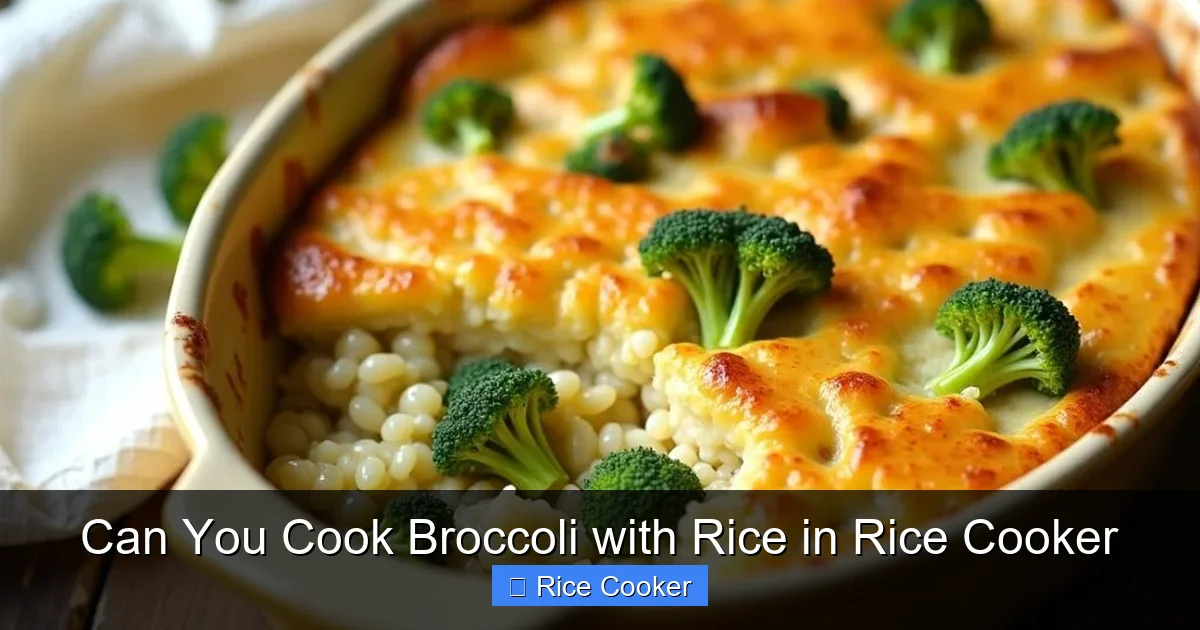
Absolutely! Cooking broccoli with rice in a rice cooker is not only possible but also simple, efficient, and nutritious. You don’t need to boil water separately or use multiple pots—just add both ingredients at the same time and let your rice cooker do the work. This method preserves more vitamins and fiber than traditional boiling, making it a healthier choice. Plus, it’s perfect for meal prep, family dinners, or adding more veggies to your diet without extra effort.
Key Takeaways
- Yes, it’s possible: Broccoli and rice can be cooked together in a rice cooker using the standard white rice setting.
- Nutrient retention: Steaming broccoli with rice helps preserve water-soluble vitamins like vitamin C and folate better than boiling.
- Saves time and effort: One-pot cooking reduces cleanup and shortens total meal prep time by up to 30 minutes.
- Customizable flavors: Add garlic, soy sauce, sesame oil, or cheese for tasty variations without changing your cooking method.
- Proper ratios matter: Use about 1 cup of broccoli florets per 1 cup of uncooked rice for even cooking and balanced texture.
- Rinse broccoli first: Always wash fresh broccoli under cold water to remove dirt and pesticides before cooking.
- Check doneness: Lift the lid occasionally during the last 5–10 minutes to ensure broccoli isn’t overcooked or mushy.
Can You Cook Broccoli with Rice in Rice Cooker?
Have you ever stood over a hot stove, stirring a pot of rice while nervously watching broccoli on another burner, worried it might turn into green mush? Or maybe you’ve stared into your rice cooker, wondering if there’s a smarter way to cook a complete, healthy meal in one go. Well, I’ve got great news: yes, you absolutely can cook broccoli with rice in a rice cooker, and it’s easier—and tastier—than you might think.
Cooking broccoli alongside rice in a rice cooker isn’t just a clever hack; it’s a game-changer for anyone looking to eat more vegetables, save time, and reduce kitchen chaos. Whether you’re a college student, a working parent, or someone who simply loves simple meals, this technique fits perfectly into your routine. Not only does it cut down on dishwashing, but it also helps retain more nutrients because broccoli steams gently rather than boils away its goodness. And let’s be honest—who doesn’t love one-pot meals?
In this article, we’ll walk through exactly how to do it, why it works so well, what types of rice and broccoli are best, how to adjust seasonings, troubleshoot common issues, and even explore creative recipe ideas. By the end, you’ll feel confident turning your rice cooker into a full-fledged kitchen powerhouse capable of whipping up nourishing, delicious meals in under 40 minutes.
Why Cook Broccoli with Rice in a Rice Cooker?
Before diving into the “how,” let’s talk about the “why.” There are several compelling reasons to combine broccoli and rice in your rice cooker:
First, it’s incredibly time-efficient. Traditional methods require monitoring two separate pans—one for rice, one for steaming or boiling broccoli. That means standing at the stove, juggling timers, and cleaning multiple dishes afterward. With a rice cooker, everything happens in one appliance. You add dry rice, water (or broth), chopped broccoli, and sometimes a little oil or seasoning, press a button, and walk away.
Second, steaming preserves nutrients better than boiling. When you cook broccoli by itself on the stovetop, especially in large amounts of water, valuable vitamins like C and B-complex leach out. But when it steams gently in a sealed environment—like inside a rice cooker—it keeps most of its color, crunch, and nutritional value intact. Studies show that microwaving or steaming vegetables leads to less nutrient loss compared to boiling or frying.
Third, combining them allows flavors to meld beautifully. As the rice absorbs liquid and cooks, steam from the broccoli infuses into the grains, giving them subtle earthy notes. It’s a subtle upgrade from plain white rice, and you won’t even need heavy sauces to make it satisfying.
Finally, it’s beginner-friendly. No fancy skills required. Just measure, chop, add, press, and enjoy. Even kids love helping dump prepped veggies into the cooker!
Choosing the Right Ingredients
Not all broccoli and rice combinations are created equal. To get the best results, pay attention to quality and preparation.
Start with fresh, firm broccoli. Look for bright green florets without yellow spots or sliminess. Avoid broccoli that looks wilted or has brown tips—those are signs of age. Organic varieties are ideal if possible, since conventional broccoli may contain pesticide residues. Rinse thoroughly under cool running water, preferably swish it in a bowl of water for 30 seconds to dislodge any hidden bugs or dirt.
For rice, stick with long-grain white rice like Jasmine or Basmati, or even brown rice for added fiber. Short-grain rices tend to become gummy when mixed with moisture-rich vegetables like broccoli. If using brown rice, increase water slightly—about ½ cup extra per cup of rice—because it takes longer to cook and absorbs more liquid.
You’ll also want a good-quality rice cooker with a non-stick inner pot. Ceramic-coated pots prevent sticking and make cleanup a breeze. A model with a keep-warm function is helpful so your meal stays warm until everyone’s ready to eat.
Step-by-Step Instructions
Ready to try it yourself? Follow these simple steps for foolproof success every time.
1. Measure Your Rice
Begin by measuring out 1 cup of uncooked rice using a dry measuring cup. If you’re using a digital scale, 180 grams is roughly equivalent. Set this aside.
2. Prep the Broccoli
Cut 1 large head (about 2–3 cups) of broccoli into bite-sized florets. Remove any tough stems if desired, though smaller pieces can be included—just cut them thinner so they cook evenly. Rinse under cold water and drain well. Pat dry with a clean towel or paper towels to remove excess moisture; too much water can dilute flavor and extend cooking time.
3. Combine Ingredients
Add your measured rice to the inner pot of the rice cooker. Then place the broccoli florets on top of the rice—don’t mix them yet unless your cooker has a stir function (most basic models don’t). Pour in 1¼ cups of water or low-sodium vegetable broth for white rice. For brown rice, use 1½ cups.
4. Season Lightly (Optional)
A pinch of salt enhances natural flavors without overpowering the dish. Some people add ½ teaspoon of olive oil or sesame oil for richness. Garlic powder or onion flakes sprinkled over the rice also add depth—just remember, you can’t adjust seasoning after cooking, so taste-test your ingredients beforehand.
5. Start Cooking
Close the lid securely and select the “White Rice” setting. Avoid “Quick Cook” or “Congee” modes—they either undercook rice or overcook broccoli. Let the cycle run uninterrupted until it switches to “Keep Warm.”
6. Let It Rest
Once done, wait 5–10 minutes before opening the lid. This allows residual heat to finish cooking any stubborn bits and prevents condensation from dripping back onto the food, which could make the rice soggy.
7. Fluff and Serve
Use a fork to gently lift the rice upward from the bottom, letting air circulate. This separates the grains and incorporates the steamed broccoli throughout. Taste and adjust seasoning if needed (add salt, lemon juice, or chili flakes right before serving).
Tips for Perfect Results
Even with perfect ingredients, small details matter. Here are pro tips to elevate your rice + broccoli combo:
Don’t Overload the Pot
Rice cookers have limited space. If you pack too much broccoli into a small pot, steam won’t circulate properly, leading to uneven cooking. Stick to 1:1 ratio by volume (e.g., 1 cup rice : 1 cup broccoli). Too much broccoli can also make the rice taste vegetal and unpleasantly dense.
Pre-Cook Broccoli (Optional)
If you prefer softer broccoli, blanch it briefly in boiling water for 1 minute, then drain and add it to the cooker with the rice. This ensures tenderness without sacrificing rice texture.
Use Frozen Broccoli Sparingly
Frozen broccoli works in a pinch, but it releases more water and can make the rice watery. Limit frozen florets to no more than ½ cup per 1 cup rice, and thaw slightly before adding.
Layer Strategically
Place denser items like carrots or potatoes at the bottom near the heating element, and delicate greens like broccoli on top to prevent crushing.
Experiment with Herbs
Add fresh herbs like cilantro, parsley, or dill toward the end of cooking, right after the rice cooker finishes. Their volatile oils survive short exposure to heat.
Common Mistakes & How to Fix Them
Even experienced cooks run into hiccups. Here’s how to avoid—or fix—the most frequent problems.
Mushy Broccoli
Cause: Overcooking, too much water, or poor drainage.
Fix: Reduce water by ¼ cup next time. Also, try adding broccoli halfway through cooking (after rice starts absorbing liquid) so it retains more crunch.
Soggy Rice
Cause: Excess moisture from broccoli, inadequate draining, or insufficient resting time.
Fix: Drain broccoli well before adding. After cooking, let the pot sit covered for 10 minutes—this lets steam escape instead of soaking back into the rice.
Undercooked Rice
Cause: Insufficient water, overcrowding, or old rice.
Fix: Check expiration date on rice bag. Stale rice absorbs less liquid. Also, ensure your water measurement is accurate—use a marked measuring cup.
Broccoli Floating Up
Cause: Lightweight florets rise to the surface during cooking.
Fix: Press down gently with a spoon once the rice cooker starts steaming. Alternatively, anchor them with a few rice grains on top before closing the lid.
Flavorless Meal
Cause: Lack of seasoning or using bland ingredients.
Fix: Toast rice lightly in a bit of oil before adding water. Or finish with a squeeze of lime, drizzle of tahini, or sprinkle of nutritional yeast.
Creative Variations & Recipe Ideas
The beauty of this method is its flexibility. Once you master the basics, you can jazz it up countless ways.
Garlic Butter Rice with Broccoli
Sauté minced garlic in butter before adding rice and broccoli. Cook as usual, then stir in a knob of butter and a squeeze of lemon before serving.
Asian-Inspired Bowl
After cooking, fold in soy sauce, toasted sesame seeds, and sliced scallions. Top with a soft-boiled egg or shredded chicken.
Mexican Fusion
Add black beans, corn, and diced tomatoes along with the broccoli. Finish with cotija cheese and a dash of cumin.
Cheesy Cauliflower Rice Swap
Replace half the broccoli with cauliflower florets for a milder flavor. Stir in grated Parmesan and a pinch of nutmeg at the end.
Protein Boost
Cook quinoa instead of white rice, or add cooked chickpeas, shredded chicken, or tofu cubes during the last 5 minutes of cooking.
Health Benefits of This Dish
Beyond convenience, pairing broccoli with rice delivers real health perks:
High Fiber Content
Brown rice provides about 3.5g fiber per cup cooked, while broccoli adds another 2.5g. Together, they support digestion and help regulate blood sugar.
Rich in Vitamins & Minerals
Broccoli is packed with vitamin K, vitamin C, folate, potassium, and antioxidants like sulforaphane—compounds linked to reduced inflammation and cancer prevention. White rice supplies B vitamins and some iron.
Low in Calories, High in Nutrients
A typical 1-cup serving (¾ cup rice + ¾ cup broccoli) contains around 200 calories but delivers over 20% of your daily vitamin C needs—more than an orange!
Supports Heart Health
The combination of soluble fiber (from rice bran) and potassium (from broccoli) helps lower blood pressure and cholesterol levels.
Safe for Most Diets
Naturally gluten-free, dairy-free, and vegan-friendly. Just watch added oils or cheeses if following a restricted diet.
Safety Considerations
While generally safe, always follow food safety guidelines:
Wash Hands & Surfaces
Always wash hands, cutting boards, and utensils after handling raw broccoli to avoid cross-contamination.
Store Leftovers Properly
Refrigerate within 2 hours of cooking. Eat leftovers within 3 days for best quality and safety.
Reheat Safely
Microwave or steam reheated portions until hot throughout (internal temperature of 165°F/74°C). Don’t leave room-temperature leftovers out for more than 2 hours.
Avoid Raw Rice
Never serve uncooked rice—even if it looks dry—because it may contain spores of Bacillus cereus, a bacteria that causes food poisoning.
Clean Your Rice Cooker Regularly
Residue builds up over time and can affect taste. Descale monthly with vinegar and rinse thoroughly.
Troubleshooting Guide
Still having trouble? Try these quick fixes:
Problem: Rice sticks together
Solution: Use less water next time. Also, fluff immediately after cooking to break apart clumps.
Problem: Broccoli loses color
Solution: Add a splash of lemon juice or vinegar to the water—it stabilizes chlorophyll and keeps greens vibrant.
Problem: Rice cooker smokes
Solution: This usually means too little water or burnt residue. Clean the heating plate and ensure proper water levels.
Problem: Uneven cooking
Solution: Stir once gently halfway through cooking if your model allows it. Otherwise, ensure uniform floret size.
Problem: Off smells
Solution: Soak inner pot in warm soapy water overnight. Scrub with a non-abrasive brush.
Maintenance Tips for Long-Term Success
To keep your rice cooker performing well:
Empty Residue Daily
After each use, wipe the inner pot and exterior with a damp cloth. Never immerse the base in water.
Descale Monthly
Fill with equal parts white vinegar and water, run a full cycle, then rinse three times.
Check Seals & Lids
Over time, rubber seals can harden or crack. Replace if you notice steam escaping during cooking.
Dry Before Storing
Always ensure the pot and lid are completely dry before storing to prevent mold.
Use Only Recommended Utensils
Wooden or silicone spoons won’t scratch the non-stick coating. Metal tools damage surfaces.
Final Thoughts
Cooking broccoli with rice in a rice cooker isn’t just a shortcut—it’s a smart, sustainable way to eat better without spending hours in the kitchen. It turns an ordinary appliance into a multi-functional tool, allowing you to prepare balanced, flavorful meals with minimal fuss. Whether you’re feeding a picky eater, managing a hectic schedule, or just craving something warm and comforting, this technique delivers.
And the best part? You don’t have to stick to plain versions forever. With a little creativity, you can transform this humble dish into everything from global-inspired bowls to hearty family dinners. The possibilities are endless.
So go ahead—grab your broccoli, measure your rice, and fire up that rice cooker. In under 40 minutes, you’ll have a complete, nutritious meal that tastes like you spent all day cooking. Trust me, your future self will thank you.
Key Takeaways
- Understanding can you cook broccoli with rice in rice cooker: Provides essential knowledge
Frequently Asked Questions
Can I cook frozen broccoli with rice in a rice cooker?
Yes, but use sparingly—no more than ½ cup per 1 cup of rice—since frozen broccoli releases excess water and can make the rice soggy. Thaw it slightly before adding.
Do I need to pre-boil the broccoli before adding it to the rice cooker?
No, pre-boiling is unnecessary. Adding raw broccoli directly works fine and helps it steam gently along with the rice, preserving nutrients and texture.
What type of rice works best with broccoli?
Long-grain white rice like Jasmine or Basmati is ideal. Brown rice also works but requires more water and longer cooking time. Avoid sticky short-grain rices.
How much broccoli should I add per cup of rice?
Aim for about 1 cup of broccoli florets per 1 cup of uncooked rice. Too much can overcrowd the pot and lead to uneven cooking.
Can I add other vegetables along with broccoli?
Absolutely! Carrots, peas, or bell peppers work well. Cut larger veggies into similar sizes as broccoli for even cooking.
Is it safe to leave rice and broccoli in the rice cooker overnight?
No. Leftovers should be refrigerated within 2 hours of cooking and consumed within 3 days. Leaving food at room temperature promotes bacterial growth.