
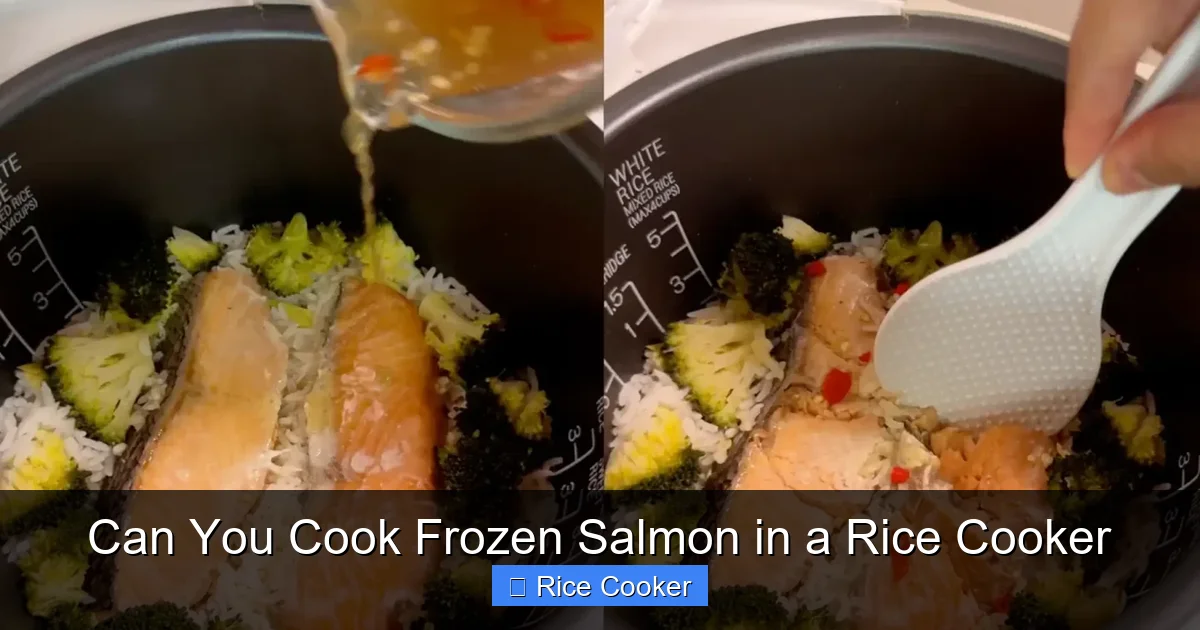
Can you cook frozen salmon in a rice cooker? Absolutely! With the right technique, your rice cooker can turn out tender, flaky salmon straight from the freezer. No need to thaw—just season, add water, and let the machine do the work. This method saves time while delivering delicious results every time.
Key Takeaways
- Yes, it’s safe: Cooking frozen salmon in a rice cooker is not only possible but also safe when done correctly.
- Minimal prep: You don’t need to defrost—just season and place directly into the cooker.
- Even cooking: The rice cooker’s steam-heat cycle helps cook the fish evenly without drying it out.
- Flavor boost: Adding lemon, herbs, or soy sauce enhances taste while keeping moisture locked in.
- Quick & convenient: Ideal for busy weeknights when you want a healthy meal fast.
- Cleanup is easy: Most rice cookers have non-stick inner pots that make washing simple.
- Perfect pairing: Serve with rice, vegetables, or a fresh salad for a complete meal.
📑 Table of Contents
- Can You Cook Frozen Salmon in a Rice Cooker?
- Why Use a Rice Cooker for Cooking Fish?
- Is It Safe to Cook Frozen Salmon in a Rice Cooker?
- What Kind of Salmon Should You Use?
- Step-by-Step Guide: How to Cook Frozen Salmon in a Rice Cooker
- Tips for Perfectly Cooked Frozen Salmon
- Serving Suggestions and Side Dishes
- Troubleshooting Common Issues
- Environmental and Health Benefits
- Final Thoughts: Is This Method Worth Trying?
Can You Cook Frozen Salmon in a Rice Cooker?
If you’ve ever stood in front of your rice cooker wondering, “Can I just throw some frozen salmon in here and call it dinner?”—you’re not alone. With so many kitchen appliances now serving dual purposes, it’s natural to ask: Is it really okay to cook frozen salmon in a rice cooker?
The short answer? Yes, absolutely. In fact, using a rice cooker to cook frozen salmon might be one of the most convenient and surprisingly effective ways to prepare this delicate protein. Unlike stovetop frying or oven baking, which can lead to uneven cooking or dry-outs, a rice cooker uses moist heat in a sealed environment—perfect for tenderizing frozen fish without sacrificing flavor or texture.
In this comprehensive guide, we’ll walk through everything you need to know about cooking frozen salmon in a rice cooker—from safety concerns to step-by-step instructions, flavor ideas, and even how to pair your dish with sides. Whether you’re a busy parent, a college student, or someone who loves quick healthy meals, this method could become your new go-to trick.
Why Use a Rice Cooker for Cooking Fish?
Rice cookers aren’t just for white or brown rice anymore. Modern rice cookers—especially electric ones with advanced settings like “steam” or “slow cook”—are versatile kitchen tools that can handle proteins, vegetables, and even desserts. But why choose a rice cooker over other cooking methods for salmon?
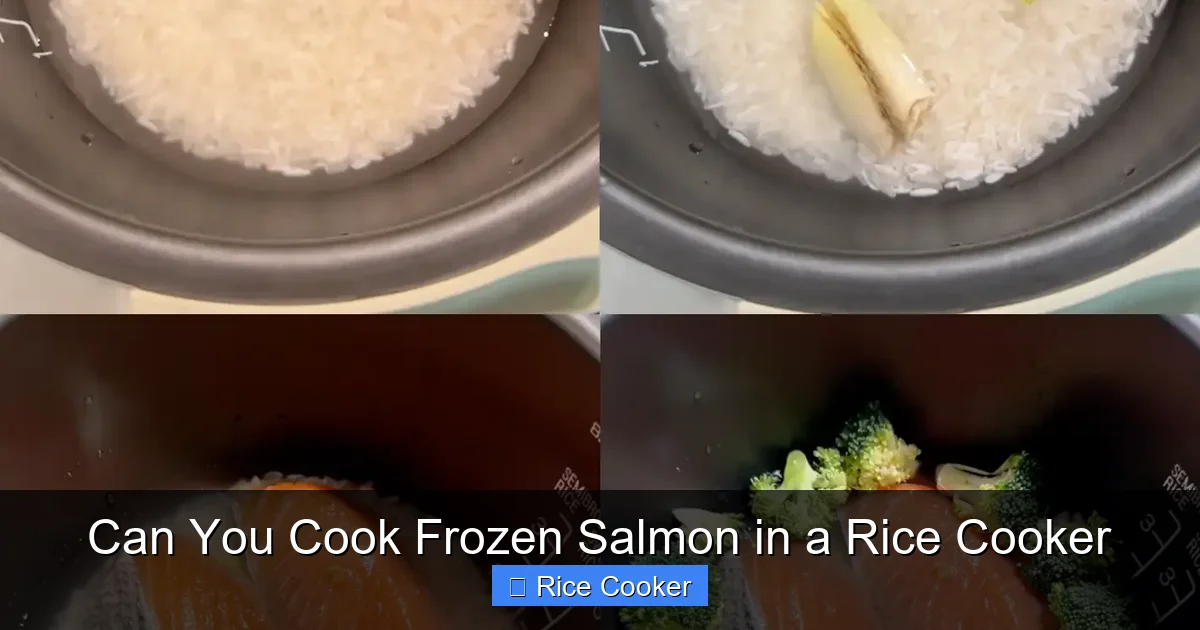
Visual guide about Can You Cook Frozen Salmon in a Rice Cooker
Image source: nomadette.com
The Science Behind Moist Heat Cooking
When you cook salmon using moist heat (like steaming or simmering), the proteins gently coagulate while retaining moisture. This prevents the fish from becoming rubbery or tough—a common issue when grilling or pan-searing. A rice cooker creates a closed-loop system where steam builds up inside, ensuring even distribution of heat and consistent cooking temperatures.
Even if your salmon starts off frozen, the gradual rise in temperature allows the interior to thaw and cook simultaneously. This reduces the risk of raw spots and ensures safe internal temperatures throughout the fillet.
Convenience Meets Consistency
One of the biggest perks of using a rice cooker is consistency. Set it and forget it—no constant monitoring required. Once you’ve added water and placed the salmon inside, the appliance handles timing automatically. Plus, cleanup is minimal since most models come with removable, non-stick bowls.
And let’s be honest: who doesn’t love coming home to a hot meal already waiting on the counter?
Is It Safe to Cook Frozen Salmon in a Rice Cooker?
This is probably the first question on everyone’s mind: Is cooking frozen salmon in a rice cooker safe?

Visual guide about Can You Cook Frozen Salmon in a Rice Cooker
Image source: temeculablogs.com
Yes—as long as you follow basic food safety guidelines. The key is ensuring that the salmon reaches a minimum internal temperature of 145°F (63°C) throughout. Most modern rice cookers maintain steady heat levels sufficient to achieve this, especially when enough liquid is present to create steam.
However, cooking times will be longer than for thawed salmon. Because the center of the frozen fillet must fully thaw and cook through, you’ll need extra patience—usually adding 5–10 minutes per inch of thickness beyond standard cooking time.
Always use a meat thermometer to verify doneness. If you don’t have one, look for these visual cues: opaque flesh, flakes easily with a fork, and no pink near the bone (if applicable).
What Kind of Salmon Should You Use?
Not all salmon are created equal—and neither are their freezing conditions. For best results, opt for:
- Sustainably sourced wild-caught or farm-raised salmon labeled “fresh-frozen” or “quick-frozen at sea.”
- Vacuum-sealed fillets, which preserve quality and reduce freezer burn.
- Skin-on fillets (optional but helpful), as the skin protects the flesh during steaming and adds flavor.
Avoid salmon that smells overly fishy or has ice crystals larger than pea-sized—these signs indicate poor handling or prolonged storage. Fresh-frozen salmon should smell clean, like the ocean, and feel firm when pressed.
Step-by-Step Guide: How to Cook Frozen Salmon in a Rice Cooker
Ready to give it a try? Here’s a foolproof method that works with any standard rice cooker:
What You’ll Need
- Frozen salmon fillet(s)
- 1–2 cups water or broth (for steam)
- Lemon slices, garlic cloves, or fresh herbs (optional)
- Olive oil, soy sauce, or butter (for flavor)
- A small plate or trivet (to elevate salmon)
- Meat thermometer (recommended)
Step 1: Prep the Rice Cooker
Start by placing 1 cup of water or low-sodium broth into the inner pot. Add aromatics like lemon slices, garlic, or dill if desired. This infuses the steam with flavor and keeps the salmon moist.
Step 2: Season the Salmon
Remove the frozen salmon from packaging. Pat dry with paper towels (this helps seasonings stick). Drizzle lightly with olive oil and sprinkle with salt, pepper, and your favorite spices—paprika, cumin, or za’atar work great.
Step 3: Position the Salmon
Place the salmon on a small plate or trivet so it sits above the liquid. Do not submerge it directly—steaming requires airflow. If your rice cooker doesn’t have a built-in rack, a heat-safe plate works well.
Step 4: Cook
Close the lid and select the “Steam” or “White Rice” setting. If your model doesn’t have a steam function, use the regular “Cook” cycle—but check frequently after 15 minutes.
Step 5: Check Doneness
After about 18–22 minutes (depending on thickness), open the lid. The salmon should be opaque and flake easily. Insert a thermometer—it should read 145°F. If still translucent, close the lid and cook in 2-minute increments until done.
Step 6: Rest and Serve
Let the salmon rest for 2–3 minutes before removing. Flake with a fork and serve immediately with rice, quinoa, or steamed veggies.
Tips for Perfectly Cooked Frozen Salmon
Want to take your rice cooker salmon to the next level? Try these pro tips:
- Don’t overcrowd: Cook one fillet at a time unless your cooker is large enough to accommodate multiple without touching.
- Use broth instead of water: Chicken or vegetable broth adds depth and keeps the fish from tasting bland.
- Add acidity last: Squeeze fresh lemon juice over the cooked salmon—not before—to avoid curdling.
- Try marinades: Mix soy sauce, honey, garlic, and ginger into a paste. Brush on before cooking for Asian-inspired flavor.
- Keep it juicy: Avoid opening the lid too often; each time you lift it, you lose precious steam.
Serving Suggestions and Side Dishes
Cooked salmon in a rice cooker pairs beautifully with a variety of sides—many of which you may already have in your pantry!
Rice and Grains
Of course, nothing complements salmon like fluffy jasmine rice or nutty farro. Since your rice cooker is already doing double duty, cook rice in the same pot—just add it at the beginning and switch to “keep warm” once the salmon is done.
Vegetables
Steamed broccoli, asparagus, or green beans can be tossed in during the last few minutes of cooking. Or sauté them separately with garlic and lemon zest for brightness.
Salads and Bowls
Build a grain bowl with quinoa, roasted sweet potatoes, avocado, and a tangy vinaigrette. Top with flaked salmon for a restaurant-worthy meal.
Dipping Sauces
Serve alongside tzatziki, wasabi mayo, or spicy sriracha-lime drizzle for an extra kick.
Troubleshooting Common Issues
Even with the best techniques, things don’t always go perfectly. Here’s how to fix common problems:
- Salmon sticks to the pot: Use parchment paper or a silicone mat underneath. Also, ensure the bottom isn’t scorched—add more liquid if needed.
- Fish tastes bland: Always season generously and use flavorful liquids (broth, wine, citrus).
- Overcooked and dry: Reduce cooking time slightly next time. Frozen salmon cooks faster than you think!
- Raw center: Cut into the thickest part before serving to check. If still cold, return to cook in 2-minute bursts.
Environmental and Health Benefits
Choosing to cook frozen salmon in a rice cooker isn’t just convenient—it’s also smart for your health and planet.
Frozen salmon retains nearly all its nutrients, including omega-3 fatty acids, vitamin D, and selenium. Freezing halts bacterial growth and preserves freshness better than refrigeration alone. Plus, buying frozen can reduce food waste and support sustainable fishing practices.
Using a rice cooker consumes less energy than an oven or stove-top method, making it eco-friendly too. And since you’re avoiding added fats (like frying oils), you’re getting lean protein with fewer calories.
Final Thoughts: Is This Method Worth Trying?
After reading this guide, you might be thinking: “This sounds almost too good to be true.” But trust us—cooking frozen salmon in a rice cooker is not only possible but genuinely impressive in terms of ease and outcome. It’s ideal for meal prep, last-minute dinners, or anyone looking to simplify their kitchen routine.
Just remember: preparation matters. Proper seasoning, adequate liquid, and careful timing are key. But once you master the basics, you’ll wonder why you didn’t discover this sooner.
So go ahead—grab that frozen salmon, fire up your rice cooker, and treat yourself to a delicious, healthy meal in under 30 minutes. Your future self (and taste buds) will thank you.
Frequently Asked Questions
How long does it take to cook frozen salmon in a rice cooker?
It typically takes 18–22 minutes on the steam or white rice setting, depending on fillet thickness. Always check with a thermometer to ensure the internal temperature reaches 145°F.
Do I need to thaw the salmon first?
No, you can cook it directly from frozen. Thawing isn’t necessary, though it may shorten total cooking time by a few minutes.
Can I cook multiple pieces of salmon at once?
Yes, but avoid stacking. Place them side by side on a plate or trivet with space between each piece for even steam circulation.
What if my rice cooker doesn’t have a steam setting?
Use the regular “Cook” mode and monitor closely after 15 minutes. Add a splash of water if the pot looks dry.
How do I prevent the salmon from falling apart?
Use skin-on fillets when possible, and avoid overcooking. Remove from heat as soon as it flakes easily with a fork.
Can I cook other types of fish in a rice cooker?
Absolutely! Cod, tilapia, mackerel, and trout all work well using the same method. Adjust seasonings based on flavor preferences.