

Can you cook pork in a rice cooker? Absolutely—this versatile kitchen tool isn’t just for grains. With the right cuts, seasonings, and timing, you can make tender, juicy pork dishes with minimal effort. Whether you’re preparing pulled pork, stir-fry, or even pork chops, your rice cooker can handle it all.
Key Takeaways
- Yes, you can cook pork in a rice cooker: It’s a convenient, hands-off method that works well for many cuts of meat.
- Choose the right cut: Tender, slow-cooked meats like pork shoulder, tenderloin, or chops work best.
- Seasoning is key: Use a mix of spices, herbs, and marinades to enhance flavor without constant monitoring.
- Use broth or liquid: Adding liquid ensures moisture and helps prevent dryness during cooking.
- Don’t skip resting: Let cooked pork rest before slicing or shredding to retain juices.
- Clean-up is easy: Most rice cookers have removable parts that are dishwasher safe.
- Experiment with recipes: From soups to stir-fries, the possibilities are endless.
📑 Table of Contents
- Can You Cook Pork in a Rice Cooker?
- Why Use a Rice Cooker for Cooking Pork?
- Which Cuts of Pork Work Best?
- Essential Tools and Ingredients
- Step-by-Step Guide: Cooking Pork in a Rice Cooker
- Delicious Rice Cooker Pork Recipes
- Tips for Perfect Results
- Common Mistakes to Avoid
- Cleaning and Maintenance
- Frequently Asked Questions
- Conclusion
Can You Cook Pork in a Rice Cooker?
You might be surprised to learn that your trusty rice cooker isn’t just for white rice or congee. This humble kitchen gadget has evolved into a multi-functional cooking machine capable of handling everything from stews to steamed vegetables—and yes, even pork. If you’re tired of standing over a hot stove or dealing with messy pans, cooking pork in a rice cooker could be your new secret weapon. It’s simple, foolproof, and delivers consistent results every time.
In this article, we’ll walk you through everything you need to know about cooking pork in a rice cooker. From choosing the right cut to seasoning and timing, we’ll cover practical tips, recipe ideas, and troubleshooting advice. Whether you’re a beginner cook or a seasoned home chef looking to simplify meal prep, you’ll find value in learning how to use your rice cooker for more than just grains.
Why Use a Rice Cooker for Cooking Pork?
Using a rice cooker to cook pork may sound unconventional at first, but it offers several real advantages. For starters, it’s incredibly hands-off. Once you set it up, you can go about your day while the rice cooker does the heavy lifting. No more babysitting a pot on the stove or worrying about burning your food. The controlled environment ensures even cooking, especially important when working with tougher cuts of pork.
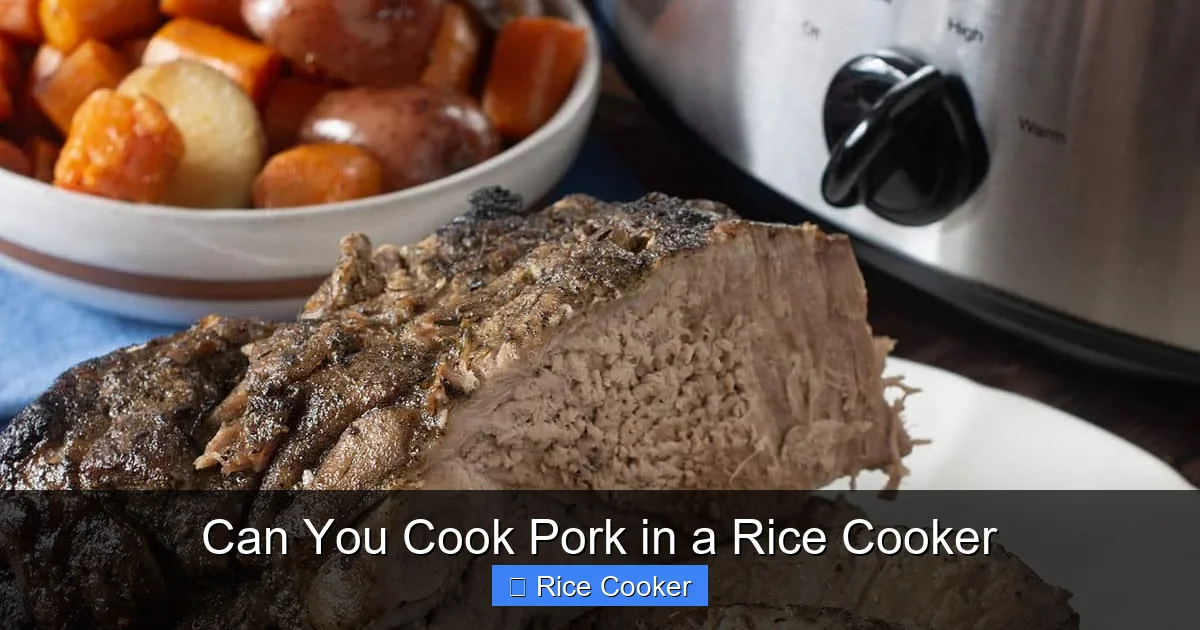
Visual guide about Can You Cook Pork in a Rice Cooker
Image source: cookthestory.com
Another benefit is energy efficiency. Rice cookers use less power than ovens or stovetops, making them a greener choice. Plus, they’re compact and easy to clean—perfect for small kitchens or college dorms where space is limited. And let’s not forget convenience: many modern rice cookers come with programmable timers, so you can prepare dinner hours in advance.
The Science Behind Cooking Pork in a Rice Cooker
So, how does it work? A rice cooker creates a sealed, moist environment by trapping steam inside. When you add liquid (like broth or water), it circulates around the ingredients, gently cooking them through conduction and convection. This method is ideal for breaking down collagen in tougher cuts of pork, turning them into tender, melt-in-your-mouth goodness.
Most rice cookers operate at temperatures between 185°F and 212°F (85°C to 100°C), which is perfect for slow-cooking pork without drying it out. Unlike frying or grilling, this gentle heat preserves moisture and flavor—especially when paired with aromatic liquids and spices.
Benefits Beyond Taste
Beyond taste, cooking pork in a rice cooker offers practical perks:
- Reduced cleanup: Fewer pots and pans mean less scrubbing.
- Consistency: Every batch comes out the same way.
- Flavor infusion: Pork absorbs surrounding flavors easily thanks to the steam-rich environment.
- Safety: The sealed lid prevents splatters and keeps hands safe from steam.
Which Cuts of Pork Work Best?
Not all pork cuts are created equal when it comes to rice cooker cooking. Some respond better to this method than others. Here’s a breakdown of the most effective choices:
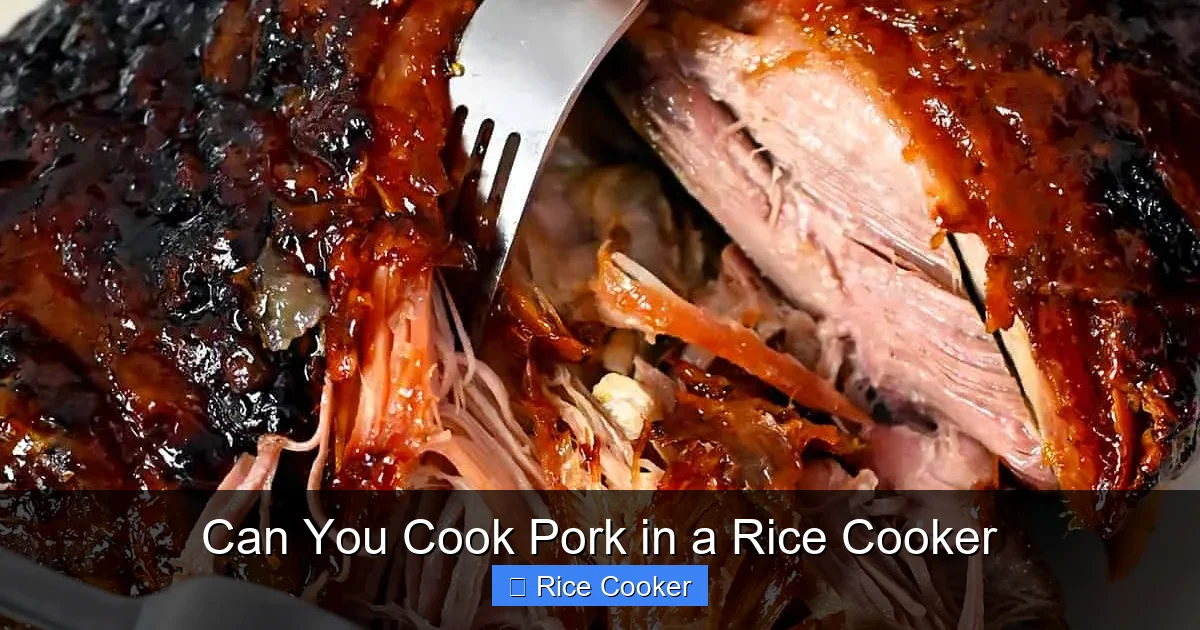
Visual guide about Can You Cook Pork in a Rice Cooker
Image source: nomnompaleo.com
Pork Shoulder (Boston Butt)
This is arguably the best cut for rice cooker cooking. High in collagen and fat, pork shoulder becomes fork-tender when slow-cooked and is perfect for shredded dishes like pulled pork tacos or barbecue sandwiches.
Pork Tenderloin
Bone-In Pork Chops
Bone-in chops retain moisture better than boneless ones and develop rich flavor. They take longer to cook but result in succulent, flavorful meat.
Pork Belly
Rich and fatty, pork belly transforms into crispy, unctuous perfection when braised in a rice cooker. Great for Asian-inspired dishes like Korean-style braised pork.
Avoid These Cuts
- Very lean cuts: Without enough fat, they can dry out.
- Thin slices: They may overcook quickly and become tough.
- Pre-seasoned or glazed meats: The sugars can burn in a rice cooker’s closed environment.
Essential Tools and Ingredients
Before you start, gather these supplies:
Your Rice Cooker
Any standard electric rice cooker with a non-stick inner pot will do. Look for models with a “Keep Warm” function—it helps maintain temperature without overcooking.
Measuring Cups and Spoons
Precise measurements matter, especially when balancing liquids and seasonings.
Sharp Knife and Cutting Board
For trimming excess fat or slicing cooked pork.
Marinade or Seasoning Blend
Common favorites include soy sauce, garlic, ginger, paprika, cumin, and brown sugar.
Liquid Base
Broth, water, or wine adds moisture and flavor. Chicken or vegetable broth works well; avoid using only plain water.
Optional: Steamer Basket
If you want to cook vegetables alongside your pork, a steamer basket makes it easy.
Step-by-Step Guide: Cooking Pork in a Rice Cooker
Ready to give it a try? Follow these simple steps for foolproof results.
Step 1: Prepare the Pork
Trim any excess fat if desired, but leave a thin layer for flavor and moisture. Pat the pork dry with paper towels—this helps seasonings adhere better.
Step 2: Season Generously
Dry rub or marinate your pork. A basic blend of salt, pepper, garlic powder, onion powder, and smoked paprika works wonders. For extra depth, add a splash of soy sauce, honey, or apple cider vinegar.
Step 3: Add Liquid
Pour 1–2 cups of liquid (broth recommended) into the inner pot. This creates the steam needed for even cooking.
Step 4: Place Pork Inside
Put the seasoned pork directly into the pot. Don’t overcrowd—leave space for steam to circulate.
Step 5: Cook
- Tenderloin: 30–45 minutes on “Cook” setting.
- Shoulder or belly: 60–90 minutes.
- Pork chops: 30–40 minutes.
After the cycle ends, let the pressure release naturally for 10 minutes before opening the lid. This resting period allows juices to redistribute.
Step 6: Check Temperature
Use a meat thermometer to confirm internal temperature reaches at least 145°F (63°C) for safety. Let meat rest 3–5 minutes after removing from cooker.
Step 7: Shred, Slice, or Serve Whole
Shred with forks for tacos or bowls, slice into medallions for stir-fries, or serve whole as a main course with sides.
Delicious Rice Cooker Pork Recipes
Now that you know the basics, here are three tried-and-true recipes to get you started.
1. Honey Garlic Pulled Pork
Ingredients:
- 2 lbs pork shoulder
- 1 cup chicken broth
- 3 tbsp honey
- 4 cloves garlic, minced
- 1 tbsp soy sauce
- 1 tsp smoked paprika
- 1/2 tsp black pepper
Instructions:
- Mix honey, garlic, soy sauce, paprika, and pepper in a bowl.
- Rub mixture onto pork shoulder.
- Add broth to rice cooker pot, then place pork on top.
- Cook on “Cook” setting for 75–90 minutes.
- Let rest 10 minutes, then shred with forks.
- Serve on buns with coleslaw or in tortillas.
2. Teriyaki Glazed Pork Chops
Ingredients:
- 4 bone-in pork chops (about 1 inch thick)
- 1 cup low-sodium soy sauce
- 1/2 cup brown sugar
- 1/4 cup rice vinegar
- 3 garlic cloves, crushed
- 1-inch piece fresh ginger, grated
Instructions:
- Whisk together soy sauce, brown sugar, vinegar, garlic, and ginger.
- Place chops in a resealable bag and pour marinade over them. Refrigerate 2 hours or overnight.
- Drain chops (reserve marinade), place in rice cooker pot.
- Pour reserved marinade into pot.
- Cook on “Cook” setting for 35–40 minutes.
- Baste chops halfway through with remaining marinade.
- Rest 5 minutes before serving with steamed broccoli or rice.
3. Slow-Cooked Korean-Style Pork Belly
Ingredients:
- 2 lbs pork belly, skin removed
- 1 cup kimchi juice (from store-bought kimchi)
- 3 tbsp gochujang (Korean chili paste)
- 2 tbsp sesame oil
- 3 green onions, chopped
- 1 tbsp fish sauce
Instructions:
- Slice pork belly into 1-inch cubes.
- Mix kimchi juice, gochujang, sesame oil, fish sauce, and half the green onions.
- Add pork and marinate 30 minutes.
- Transfer to rice cooker pot, pour in marinade.
- Cook on “Cook” for 60–70 minutes.
- Garnish with remaining green onions and serve over steamed rice.
Tips for Perfect Results
Want to avoid common pitfalls? Keep these tips in mind:
- Don’t skip the liquid: Steam needs moisture to build up. Plain water alone won’t suffice for long cooking times.
- Brown the pork first? Some chefs recommend searing pork before adding to the cooker to develop flavor. While not required, it adds richness.
- Check doneness early: Especially with thinner cuts, monitor closely near the end of cooking.
- Use a trivet or rack: Elevating pork slightly improves airflow and even cooking.
- Save cooking liquid: Strain and reserve broth to use as a base for sauces or gravies.
Common Mistakes to Avoid
Even experienced cooks can run into trouble. Here’s what to watch out for:
Mistake 1: Using Too Little Liquid
This leads to dry, undercooked pork. Always aim for at least 1 cup of liquid, more for larger cuts.
Mistake 2: Overcrowding the Pot
Steam can’t circulate properly if everything is crammed in. Cook in batches if necessary.
Mistake 3: Not Resting the Meat
Rushing to slice or shred meat causes juices to escape, resulting in dry texture.
Mistake 4: Ignoring the “Keep Warm” Setting
Leaving pork on “Keep Warm” too long dries it out. Only use this for short holds (under 30 minutes).
Mistake 5: Using Pre-Packaged Marinades
Many contain high fructose corn syrup or preservatives that can burn. Make your own for best results.
Cleaning and Maintenance
One of the biggest perks of cooking pork in a rice cooker is how easy it is to clean. Most inner pots are non-stick and dishwasher-safe. Just remove the heating plate and cord, wash everything with warm soapy water or pop it in the dishwasher.
Never submerge the outer casing in water. Wipe it down with a damp cloth after each use. Regular cleaning extends the life of your rice cooker and ensures food safety.
Frequently Asked Questions
Can I cook frozen pork in a rice cooker?
It’s possible, but not recommended. Frozen pork takes much longer to cook through and can result in uneven texture. Thaw it completely in the fridge before cooking for best results.
How do I keep pork from drying out?
Use a brine, marinade, or broth-based liquid. Also, avoid overcooking—use a thermometer to check internal temperature and remove from heat at 145°F.
Can I cook vegetables with pork?
Yes! Add carrots, potatoes, or cabbage to the rice cooker during the last 20–30 minutes of cooking. Use a steamer basket if you want them separate from the meat.
Do I need special seasonings for rice cooker pork?
No, but good seasonings make a big difference. Stick to bold flavors like garlic, onion, paprika, and soy sauce that stand up to slow cooking.
Can I reheat leftovers in the rice cooker?
Yes, but only briefly. Place leftover pork in the inner pot with a splash of broth, cover, and heat on “Warm” or “Cook” for 10–15 minutes—don’t exceed this time to avoid drying.
Is it safe to leave pork in the rice cooker overnight?
Only if it’s fully cooked and kept on “Keep Warm.” However, for food safety, it’s best to consume within 2 hours of cooking or refrigerate immediately.
Conclusion
So, can you cook pork in a rice cooker? The answer is a resounding yes—and it might just change the way you think about this kitchen essential. From tender pulled pork to flavorful chops and belly, your rice cooker can handle a surprising variety of dishes with minimal effort. The secret lies in choosing the right cut, using enough liquid, and letting time do the work.
Whether you’re feeding a family, meal prepping for the week, or simply looking for a stress-free dinner option, cooking pork in a rice cooker offers convenience, consistency, and delicious results. Experiment with different recipes, seasonings, and side dishes to keep things interesting. Before long, you’ll wonder how you ever lived without it.
Next time you reach for your rice cooker, remember: it’s not just for rice. Open the lid to a world of possibilities—starting with juicy, flavorful pork that practically cooks itself.
Frequently Asked Questions
What is can you cook pork in a rice cooker?
can you cook pork in a rice cooker is an important topic with many practical applications.