
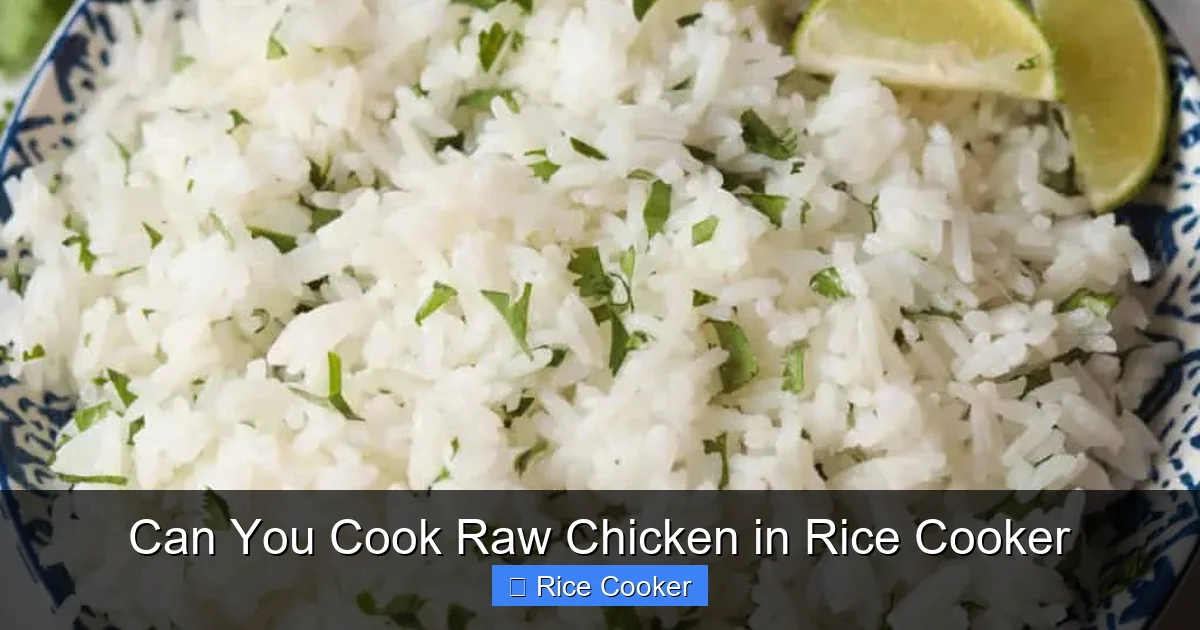
Cooking raw chicken in a rice cooker is not only possible—it’s practical and efficient. This method uses the appliance’s steam and heat settings to safely cook poultry without constant monitoring. With the right techniques, you can enjoy tender, flavorful chicken with minimal effort.
Have you ever stood over a hot stove, stirring a pot of chicken stew, only to realize you forgot to chop vegetables or marinate the meat? Or maybe you’re short on time and need dinner ready in under an hour. If so, you’re not alone. Many home cooks are constantly looking for smarter, more efficient ways to prepare meals—especially when it comes to protein-rich dishes like chicken.
Enter the humble rice cooker: a kitchen staple that’s often overlooked beyond just making fluffy white rice. Believe it or not, this unassuming appliance can do far more than cook grains. One surprising capability? It can safely and effectively cook raw chicken. That’s right—your trusty rice cooker can become your new go-to tool for preparing tender, juicy chicken breasts, thighs, or even whole pieces with minimal effort.
In this article, we’ll walk you through everything you need to know about cooking raw chicken in a rice cooker. From safety precautions to flavor-boosting techniques, we’ve got you covered. Whether you’re a busy parent, a college student, or someone simply tired of standing over the stove, this guide will show you how to make the most of your rice cooker—and turn it into a multitasking powerhouse in your kitchen.
Key Takeaways
- Safety First: Always ensure chicken reaches an internal temperature of 165°F (74°C) to avoid foodborne illness.
- Versatile Cooking: A rice cooker can steam, simmer, or even fry small pieces of chicken depending on the model.
- Time-Saving: Once set up, the rice cooker works hands-off, freeing you to prepare other ingredients.
- Moist Results: The sealed environment keeps chicken juicy by locking in natural juices and moisture.
- Easy Cleanup: Most parts are dishwasher-safe, making post-meal cleaning simple.
- Flavor Enhancement: You can infuse chicken with herbs, garlic, or broth during cooking for added taste.
- Beginner-Friendly: No advanced culinary skills required—ideal for home cooks new to meal prep.
📑 Table of Contents
- Why Use a Rice Cooker for Chicken?
- Safety Considerations When Cooking Chicken in a Rice Cooker
- How to Cook Raw Chicken in a Rice Cooker: Step-by-Step Guide
- Advanced Techniques: Flavorful and Creative Chicken Dishes
- Troubleshooting Common Issues
- Choosing the Right Rice Cooker for Chicken
- Final Thoughts: Embrace the Convenience
Why Use a Rice Cooker for Chicken?
Before we dive into recipes and methods, let’s talk about why anyone would choose a rice cooker over traditional stovetop cooking. After all, frying, boiling, or roasting chicken are tried-and-true methods. So what makes the rice cooker special?
First, convenience. A rice cooker is designed to automate the cooking process. Once you add ingredients and press a button, the machine does the rest. There’s no need to stir, watch the flame, or adjust heat levels. This “set it and forget it” approach is perfect for people who want nutritious meals without the stress.
Second, consistency. Rice cookers maintain a steady temperature throughout the cooking cycle, which helps prevent overcooking or drying out your chicken. The sealed lid traps steam, creating a moist environment ideal for tender results.
Third, versatility. Modern rice cookers come with multiple functions—steam, slow cook, sauté, and even fry settings. This means you can use the same appliance for rice, soups, stews, and now, chicken.
Finally, cleanup is easier. Unlike pots and pans that require scrubbing stuck-on bits, most rice cooker inner pots have non-stick coatings and are dishwasher-safe.
Of course, there are some limitations. Large cuts of chicken may take longer to cook through, and browning isn’t always possible unless your model has a sauté function. But for many home cooks, these trade-offs are well worth the benefits.
Safety Considerations When Cooking Chicken in a Rice Cooker
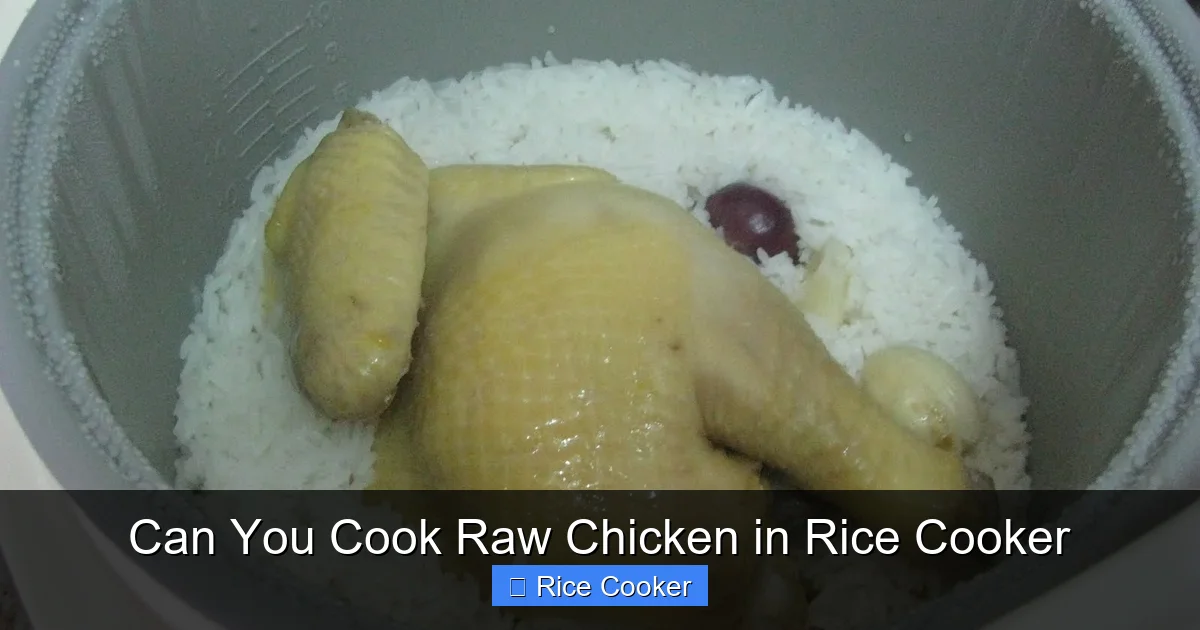
Visual guide about Can You Cook Raw Chicken in Rice Cooker
Image source: 4.bp.blogspot.com
Cooking raw chicken requires extra attention to food safety. Unlike vegetables or grains, poultry can harbor harmful bacteria like Salmonella and Campylobacter if not handled properly. So before you toss chicken into your rice cooker, keep these critical safety tips in mind:
Always Thaw Safely
Never put frozen chicken directly into the rice cooker. Doing so can create uneven cooking and increase the risk of bacterial growth. Instead, thaw chicken in the refrigerator overnight or use the cold-water method—submerging sealed packaging in cold water and changing the water every 30 minutes.
Use a Meat Thermometer
The golden rule of chicken safety is internal temperature. According to the USDA, chicken must reach at least 165°F (74°C) in the thickest part to be considered safe. Insert a digital meat thermometer into the center of the meat—never guess by texture or color.
Avoid Cross-Contamination
Keep raw chicken away from ready-to-eat foods. Wash your hands, cutting boards, and utensils thoroughly after handling raw poultry. If your rice cooker has removable parts, wash them separately from other dishes.
Don’t Overcrowd the Pot
Overloading the cooking chamber can block steam flow and lead to undercooked spots. Cook in batches if needed, especially with larger pieces like thighs or drumsticks.
Check Manufacturer Guidelines
While many rice cookers can handle chicken, not all are rated for high-heat or long-duration cooking. Consult your user manual to confirm compatibility. Some older models may only support steaming or slow cooking.
By following these steps, you’ll minimize risks and enjoy peace of mind while cooking chicken in your rice cooker.
How to Cook Raw Chicken in a Rice Cooker: Step-by-Step Guide
Visual guide about Can You Cook Raw Chicken in Rice Cooker
Image source: apeachyplate.com
Ready to try it? Here’s a simple, foolproof method for cooking boneless, skinless chicken breast in a standard rice cooker:
What You’ll Need
- 1–2 pounds of raw chicken breast (or thighs)
- 1 cup water or low-sodium broth
- Salt, pepper, and your favorite seasonings
- Optional: garlic cloves, onion slices, lemon slices, or herbs like thyme or rosemary
- Meat thermometer
Step 1: Prepare the Chicken
Pat the chicken dry with paper towels. Season generously with salt, pepper, and any other spices you like. If desired, place a few slices of garlic or a sprig of rosemary on top for extra flavor.
Step 2: Add Liquid to the Inner Pot
Pour 1 cup of water or broth into the bottom of the rice cooker pot. This creates steam and prevents sticking. For extra flavor, try using chicken stock instead of plain water.
Step 3: Arrange the Chicken
Place the seasoned chicken in the pot in a single layer. Don’t stack pieces—they need room to cook evenly. If using larger cuts, cut them into similar sizes.
Step 4: Cover and Cook
Close the lid and select the “Steam” or “White Rice” setting (whichever runs longest). Most rice cookers take 20–30 minutes to cook chicken thoroughly. For thicker cuts, you may need up to 40 minutes.
Step 5: Check Temperature
After the cycle ends, immediately check the internal temperature with a meat thermometer. If it hasn’t reached 165°F, let the chicken sit covered for 5 more minutes—residual heat will finish the job.
Step 6: Rest Before Serving
Let the chicken rest for 5 minutes off the heat. This allows juices to redistribute, keeping the meat moist when sliced or shredded.
And that’s it! You’ve just cooked perfectly tender chicken with zero active cooking time.
Advanced Techniques: Flavorful and Creative Chicken Dishes
Once you’ve mastered basic steamed chicken, you can level up your game with these creative approaches:
One-Pot Chicken and Rice
Combine uncooked rice, diced chicken, broth, and spices in the rice cooker. Cook on the “White Rice” setting until done. The result? A complete, balanced meal with minimal cleanup. Try adding peas, carrots, or mushrooms for extra veggies.
Chicken Curry
Brown chicken using the sauté function (if available), then add coconut milk, curry powder, onions, and tomatoes. Switch to “Slow Cook” and let it simmer for 30–45 minutes. Serve over rice for a restaurant-quality dish at home.
Honey Garlic Chicken
Marinate chicken in honey, soy sauce, minced garlic, and ginger for 30 minutes. Place in the rice cooker with ½ cup water. Steam until cooked through. The glaze caramelizes slightly for a sticky, sweet-savory finish.
Chicken Soup Base
Simmer chicken with onions, celery, carrots, and bay leaves in broth. Once cooked, remove the chicken, shred it, and return it to the pot with noodles or rice. You’ve got instant soup!
These methods showcase how versatile your rice cooker can be—turning a simple appliance into a full-fledged kitchen workhorse.
Troubleshooting Common Issues
Even with the best techniques, things don’t always go as planned. Here’s how to fix common problems:
Chicken Is Dry
This usually happens when overcooked or not enough liquid is used. To prevent it, always include broth or water, and avoid letting the chicken sit too long after cooking. Using bone-in pieces also helps retain moisture.
Chicken Doesn’t Cook Through
If the internal temperature stays below 165°F, the chicken may be too large or the liquid evaporated. Cut pieces smaller next time, and add more liquid if needed. You can also switch to the “Slow Cook” setting for gentler, longer cooking.
Sticky or Burnt Bottom
Rice cookers can scorch if the bottom isn’t protected by liquid. Always use at least ½ cup of liquid—even when steaming chicken. Stir occasionally if using the sauté function.
Smells Lingering in the Cooker
Raw chicken can leave odors behind. After cleaning, run the pot through a cycle with vinegar and water to neutralize smells.
With practice, these issues become easy to manage. And remember—every chef has had a “failed” dish or two. It’s all part of learning!
Choosing the Right Rice Cooker for Chicken
Not all rice cookers are created equal. If you plan to cook chicken regularly, consider investing in a model with these features:
Multi-Function Settings
Look for appliances with steam, slow cook, and sauté options. This expands your cooking possibilities beyond plain rice.
Non-Stick Inner Pot
Makes cleanup easier and ensures food doesn’t stick. Stainless steel pots are durable but harder to clean.
Lid with Steam Vent
Allows excess steam to escape, preventing pressure buildup and ensuring even cooking.
Large Capacity (At Least 6 Cups)
Gives you room to cook bigger batches or add vegetables alongside chicken.
Popular brands like Zojirushi, Instant Pot, and Cuckoo offer excellent models designed for versatility. Read reviews and compare specs before buying.
Final Thoughts: Embrace the Convenience
Cooking raw chicken in a rice cooker isn’t just a clever hack—it’s a smart way to simplify your life. It saves time, reduces cleanup, and delivers consistent, safe results. Plus, it opens the door to creative, one-pot meals that feel gourmet but require little effort.
Whether you’re feeding a family, meal prepping for the week, or just craving something warm and satisfying, your rice cooker has got you covered. So go ahead—grab that chicken, add some seasoning, and let technology do the rest.
Remember: safety comes first, but so does flavor and convenience. With a little practice, you’ll wonder how you ever lived without this kitchen secret.
Now that you know you can cook raw chicken in a rice cooker, why not give it a try tonight? Your future self (and your taste buds) will thank you.
Frequently Asked Questions
Can I cook frozen chicken in a rice cooker?
It’s not recommended. Frozen chicken can create uneven temperatures and increase the risk of bacterial growth. Always thaw chicken completely before cooking. If you’re in a hurry, use the cold-water thawing method or thaw in the refrigerator overnight.
How long does it take to cook chicken in a rice cooker?
Boneless chicken breast typically takes 20–30 minutes on the steam or white rice setting. Bone-in pieces or thighs may take 30–45 minutes. Always verify doneness with a meat thermometer—internal temperature should reach 165°F (74°C).
Do I need to add water when cooking chicken in a rice cooker?
Yes, always add at least ½ cup of liquid—water, broth, or stock. This creates steam and prevents burning. For extra flavor, use chicken or vegetable broth instead of plain water.
Can I brown chicken before steaming it in the rice cooker?
If your rice cooker has a sauté function, you can brown chicken briefly before switching to steam mode. Not all models have this feature, so check your manual. Browning adds flavor but isn’t necessary for safety or tenderness.
Is it safe to cook chicken in a rice cooker every day?
Yes, as long as you follow food safety guidelines—proper thawing, correct temperatures, and avoiding cross-contamination. Just ensure your appliance is cleaned thoroughly after each use.
Can I cook chicken and rice together in the same pot?
Absolutely! Combine uncooked rice, diced chicken, broth, and seasonings in the rice cooker. Cook on the “White Rice” setting until both are done. This creates a complete, balanced meal with minimal effort.