
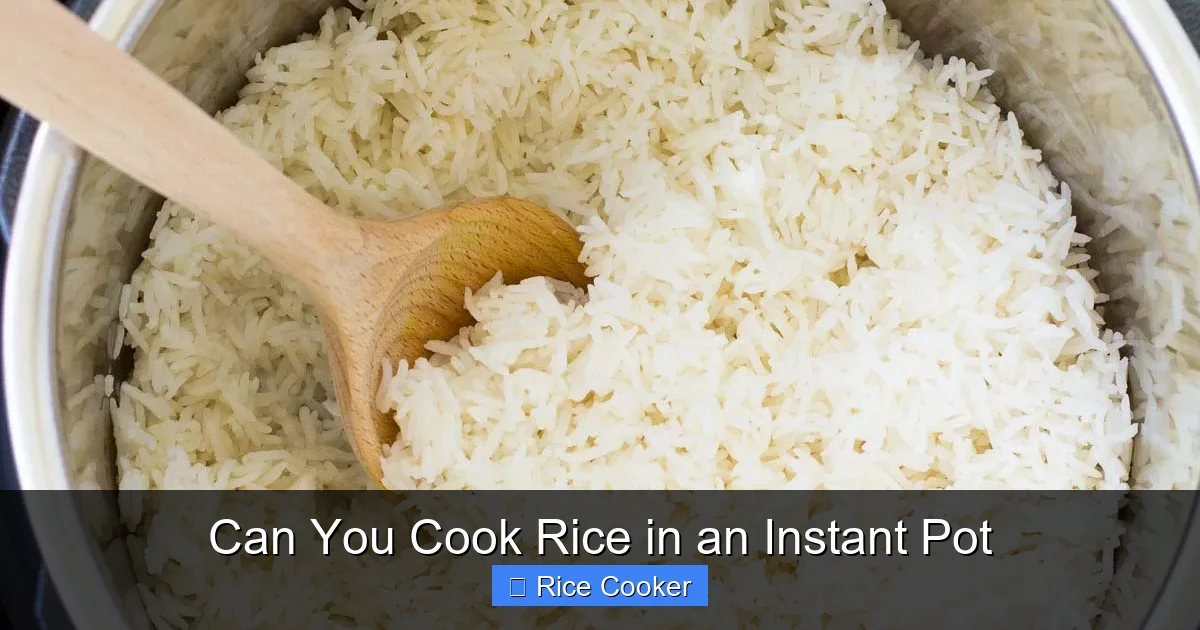
Can you cook rice in an Instant Pot? Absolutely! The Instant Pot turns out fluffy, evenly cooked rice faster than traditional methods. With just water and a few minutes of cooking time, you’ll have tender grains perfect for bowls, sides, or desserts. Whether you’re using white, brown, jasmine, or wild rice, this all-in-one appliance simplifies meal prep and delivers consistent results.
Key Takeaways
- Instant Pot rice is simple: Just add rice and water, select the “Rice” function, and let it do the work.
- Perfect ratios matter: Use 1:1 for white rice and 1:1.25 for brown rice to avoid mushy or dry results.
- Natural pressure release works best: Let the pot sit after cooking to allow steam to finish softening the grains.
- Clean-up is easy: The inner pot is dishwasher-safe, and most models come with a non-stick coating.
- Versatile beyond basics: Cook quinoa, barley, risotto, and even desserts like rice pudding in your Instant Pot.
- Saves time and energy: No need to stand over the stove—just set it and forget it.
- Consistent results: The Instant Pot’s precise temperature control ensures every batch turns out perfectly cooked.
Quick Answers to Common Questions
How much water do I use for 1 cup of rice in an Instant Pot?
For white rice, use 1 cup of water. For brown rice, use 1.25 cups. These ratios ensure perfectly cooked, non-mushy rice every time.
Do I need to rinse the rice before cooking in the Instant Pot?
Yes, especially for white and jasmine rice. Rinsing removes excess starch and prevents stickiness, leading to fluffier results.
Can I cook different types of rice in the same batch?
Not recommended. Different rice types have varying cooking times and water needs. Cook them separately for best results.
How long should I wait before opening the lid?
Wait 10–15 minutes for a natural pressure release after cooking. Then vent any remaining steam before opening.
Can I use the Instant Pot to cook rice for fried rice?
Absolutely. Cook the rice first, then let it cool completely. Use “Sauté” mode to cook fried rice with eggs, vegetables, and seasonings.
📑 Table of Contents
- Can You Cook Rice in an Instant Pot? The Ultimate Guide to Perfect Every Time
- Why Choose an Instant Pot for Cooking Rice?
- How to Cook Rice in an Instant Pot: Step-by-Step Guide
- Different Types of Rice and Their Best Settings
- Troubleshooting Common Rice Problems
- Tips for Perfect Instant Pot Rice Every Time
- Cleaning and Maintaining Your Instant Pot for Rice Cooking
- Conclusion: Why the Instant Pot Is Your New Favorite Rice Maker
Can You Cook Rice in an Instant Pot? The Ultimate Guide to Perfect Every Time
Imagine this: It’s a busy weekday evening. You’re juggling dinner prep, your kids are asking what’s for dinner, and you just realized you forgot to soak your rice. Instead of scrambling on the stovetop, you reach for your trusty Instant Pot. With a few quick steps, you’ve got fluffy, golden-brown basmati or tender wild rice ready to go—no babysitting required. Sound too good to be true? It’s not. Cooking rice in an Instant Pot is not only possible—it’s one of the most reliable ways to make perfect rice every single time.
The Instant Pot has revolutionized home cooking. What started as a pressure cooker has evolved into a multi-functional kitchen powerhouse capable of sautéing, steaming, slow-cooking, yogurt-making, and yes—cooking rice. But here’s the thing: many people still wonder, “Can you cook rice in an Instant Pot?” The short answer is yes, absolutely. The long answer? It’s easier than you think, and with a few pro tips, you’ll never go back to the stovetop again.
Why Choose an Instant Pot for Cooking Rice?
Time-Saving Convenience
One of the biggest reasons people turn to the Instant Pot for rice is speed. While traditional stovetop rice takes 15–20 minutes of active cooking (not to mention the constant stirring and checking), the Instant Pot does it in about 10–15 minutes total. That includes prepping the ingredients, cooking, and natural pressure release. For busy families or meal preppers, this efficiency is a game-changer.
Visual guide about Can You Cook Rice in an Instant Pot
Image source: cookesrecipes.com
Consistent Results
Have you ever had rice that’s either undercooked in the center or mushy at the bottom? The Instant Pot eliminates guesswork. Its sealed environment and precise pressure control ensure even heat distribution, so every grain cooks uniformly. Plus, the built-in “Keep Warm” function holds your rice at the perfect serving temperature without drying it out.
Energy Efficiency
Cooking rice on the stovetop requires constant heat, often with a hot pan and burner left on. The Instant Pot uses much less energy—once it reaches pressure, it maintains it with minimal power. This means lower utility bills and less wear on your stove.
Multifunctionality
Why use two appliances when one will do? The Instant Pot isn’t just for rice. You can also use it to cook beans, soups, stews, oatmeal, yogurt, and even desserts like rice pudding or cheesecake. This versatility makes it a smart investment for any kitchen.
How to Cook Rice in an Instant Pot: Step-by-Step Guide
Gather Your Ingredients
To cook rice in your Instant Pot, you’ll need:
Visual guide about Can You Cook Rice in an Instant Pot
Image source: veronikaskitchen.com
- 1 cup of rice (white, brown, jasmine, basmati, etc.)
- Water or broth (for added flavor)
- A fine-mesh strainer (optional, but recommended for rinsing)
- A measuring cup (straight-sided works best)
Measure the Rice and Water
Getting the water-to-rice ratio right is crucial. Here’s the general rule:
- White rice: 1 cup rice to 1 cup water
- Brown rice: 1 cup rice to 1.25 cups water
- Wild rice: 1 cup rice to 2 cups water
- Jasmine or basmati: 1 cup rice to 1.1 cups water (rinsing helps prevent stickiness)
Use a straight-sided measuring cup—not a liquid measuring cup—to ensure accuracy. Fluff the rice with a fork before measuring to break up any clumps.
Rinse the Rice (Optional but Recommended)
Rinsing removes excess starch, which can make rice sticky. Place the rice in a fine-mesh strainer and rinse under cold water until the water runs clear. Skip this step if you prefer softer, more absorbent rice.
Add Rice and Liquid to the Inner Pot
Place the rinsed (or unrinsed) rice into the Instant Pot’s inner stainless steel pot. Pour in the measured water or broth. Give it a quick stir to distribute the liquid evenly.
Close and Lock the Lid
Ensure the sealing ring is properly seated and the lid is locked. Turn the valve to the “Sealing” position—this allows steam to build up inside.
Select the “Rice” Function
Press the “Rice” button. Most Instant Pots have preset programs for different rice types (white, brown, jasmine, etc.). If yours doesn’t, you can manually set the time and pressure. For white rice: High Pressure for 3 minutes. For brown rice: High Pressure for 4 minutes.
Wait for Natural Release
This is the secret to perfect rice. After the cooking cycle ends, let the pressure release naturally for 10–15 minutes. Then, carefully turn the valve to “Venting” to release any remaining steam. Do not force the lid open!
Fluff and Serve
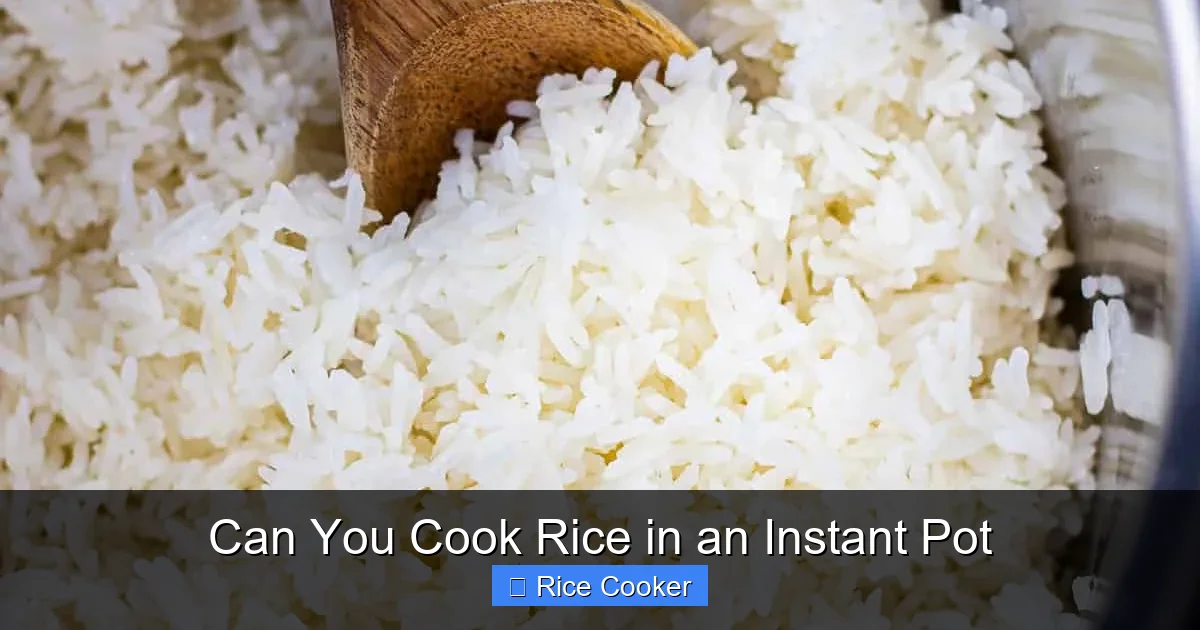
Once the float valve drops (indicating safe opening), open the lid away from your face. Use a fork to fluff the rice gently. Serve immediately or keep warm on the “Keep Warm” setting for up to 10 minutes.
Different Types of Rice and Their Best Settings
White Rice
White rice is the most common type and cooks quickly. Because it’s polished, it absorbs water faster and doesn’t require long soaking times. In the Instant Pot, use the “White Rice” setting or cook on High Pressure for 3 minutes with a 10-minute natural release. The result? Tender, separated grains every time.
Brown Rice
Brown rice has a chewier texture and higher fiber content, so it needs more water and longer cooking time. Use the “Brown Rice” setting or cook on High Pressure for 4 minutes with a 10-minute natural release. Brown rice tends to absorb more liquid, so adding a splash of broth instead of water enhances flavor.
Jasmine and Basmati Rice
These long-grain varieties are popular in Asian cuisine. Jasmine rice is slightly sticky, while basmati is more fragrant and fluffy. Rinse both types before cooking. Use the “White Rice” setting or cook on High Pressure for 3 minutes with a 10-minute natural release. The extra rinsing prevents clumping.
Wild Rice
Wild rice is technically a grass seed, not true rice. It’s nutty, chewy, and takes longer to cook. Use the “Multigrain” setting or cook on High Pressure for 25 minutes with a 15-minute natural release. Be patient—wild rice needs time to soften completely.
Instant Pot Rice Recipes Beyond the Basics
Once you master plain rice, try these fun variations:
- Garlic Herb Rice: Sauté minced garlic in the pot before adding rice and water. Add fresh herbs like thyme or parsley at the end.
- Coconut Rice: Replace half the water with coconut milk. Add a pinch of salt and a bay leaf for authentic Thai flavor.
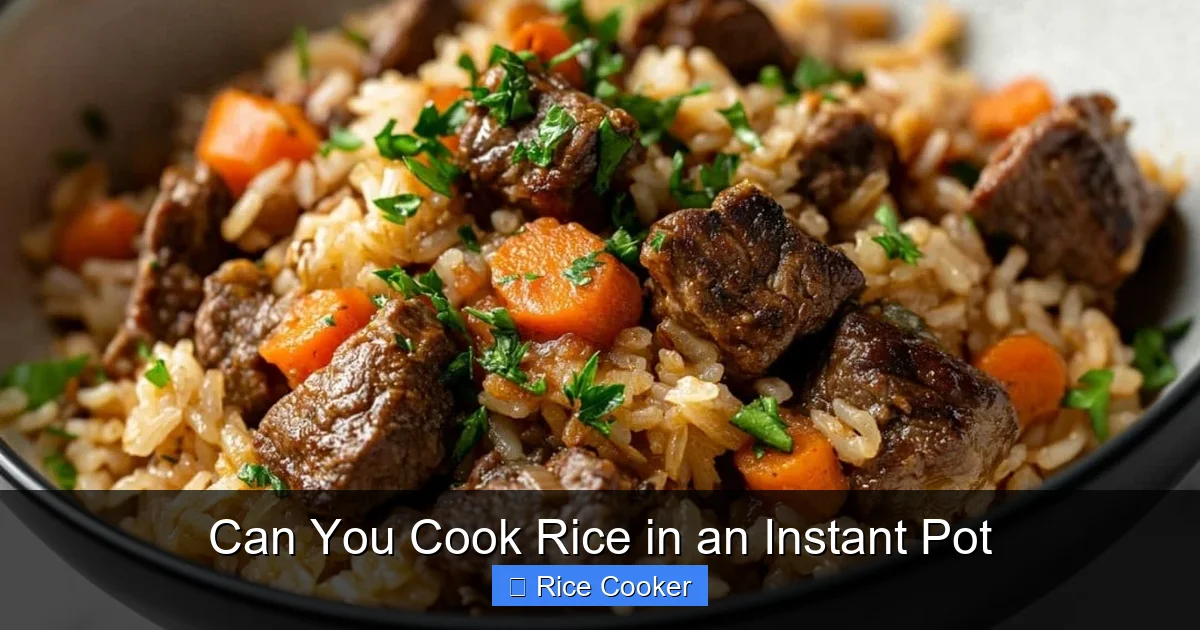
- Fried Rice: Cook rice in the Instant Pot first. Then, switch to “Sauté” mode, scramble eggs, add veggies, and stir in cooled rice with soy sauce.
Troubleshooting Common Rice Problems
Rice is Too Dry or Undercooked
This usually happens when there’s not enough water. Double-check your measurements, especially for brown or wild rice. Also, make sure the sealing ring is clean and the lid is properly locked. Steam escape can cause uneven cooking.
Rice is Mushy or Sticky
Overcrowding the pot or too much water can lead to mushy rice. Stick to the recommended water ratios and avoid pressing down on the rice during cooking. Rinsing before cooking also helps reduce stickiness.
Rice is Gritty or Uneven
This often indicates poor-quality rice or old rice that hasn’t been stored properly. Use fresh, high-quality rice and store it in an airtight container. Also, avoid shaking the pot during cooking—gentle fluffing at the end is enough.
Lid Won’t Open After Cooking
If the float valve won’t drop, don’t panic. It may take a minute or two. Try gently shaking the pot side to side. If it still won’t budge, manually release steam by turning the valve to “Venting.” Never force the lid open.
Burned or Burnt Rice
This happens when food sticks to the bottom. Always preheat the pot briefly on “Sauté” mode before adding rice and water. Use a bit of oil or butter to prevent sticking. Clean the pot thoroughly after each use.
Tips for Perfect Instant Pot Rice Every Time
- Use a timer: Even though the Instant Pot does the work, timing the natural release ensures ideal texture.
- Don’t skip rinsing: Especially for white and jasmine rice, rinsing removes excess starch and prevents gummy results.
- Let the rice rest: Allowing rice to sit for 5 minutes after opening the lid helps redistribute moisture.
- Experiment with liquids: Swap water for chicken broth, vegetable stock, or even fruit juice for extra flavor.
- Keep a rice log: Note your settings for different rice types so you can replicate success next time.
Cleaning and Maintaining Your Instant Pot for Rice Cooking
After cooking rice, cleaning your Instant Pot is simple. Remove the inner pot and wash it with warm, soapy water. The non-stick coating is durable, but avoid metal utensils that could scratch it. The lid and sealing ring are also dishwasher-safe (top rack only). Regular cleaning prevents odors and keeps your rice tasting fresh.
Store the sealing ring in a dry place to prevent mold. Occasionally, run a cycle of water with vinegar through the pot to remove mineral buildup from hard water. A clean machine means better-tasting rice.
Conclusion: Why the Instant Pot Is Your New Favorite Rice Maker
So, can you cook rice in an Instant Pot? Without a doubt. It’s faster, more consistent, and requires less effort than traditional methods. Whether you’re feeding a family, meal prepping for the week, or just craving perfectly fluffy basmati rice with minimal fuss, the Instant Pot delivers. With the right techniques and a little practice, you’ll be making restaurant-quality rice at home in no time.
From white to wild, plain to perfumed, the Instant Pot handles it all. And once you experience how easy it is to get perfect rice every time, you’ll wonder how you ever lived without it. So go ahead—grab your rice, measure your water, and let your Instant Pot do the rest. Your taste buds (and your busy schedule) will thank you.
Frequently Asked Questions
What type of rice works best in an Instant Pot?
Most rice varieties work well, including white, brown, jasmine, basmati, and wild rice. Each type requires slightly different water ratios and cooking times.
Can I cook rice in broth instead of water?
Yes! Using broth adds flavor. Just replace the water with equal parts broth, adjusting salt levels since broth can be salty.
How do I prevent rice from sticking to the bottom?
Preheat the pot on “Sauté” mode, add a small amount of oil or butter, and avoid pressing down on the rice during cooking.
Can I double the recipe in my Instant Pot?
You can increase the rice quantity, but avoid doubling the water. For 2 cups of rice, use 2 cups water (or 2.5 for brown rice). Stir gently to distribute.
Is the Instant Pot safer than stovetop rice cooking?
Yes. The Instant Pot has safety features like pressure release valves and locking lids, reducing the risk of burns or spills compared to open stovetop cooking.
Can I cook rice overnight in the Instant Pot?
No. The “Keep Warm” function is only effective for up to 10 minutes. For longer storage, cook rice normally and refrigerate or freeze for later use.