
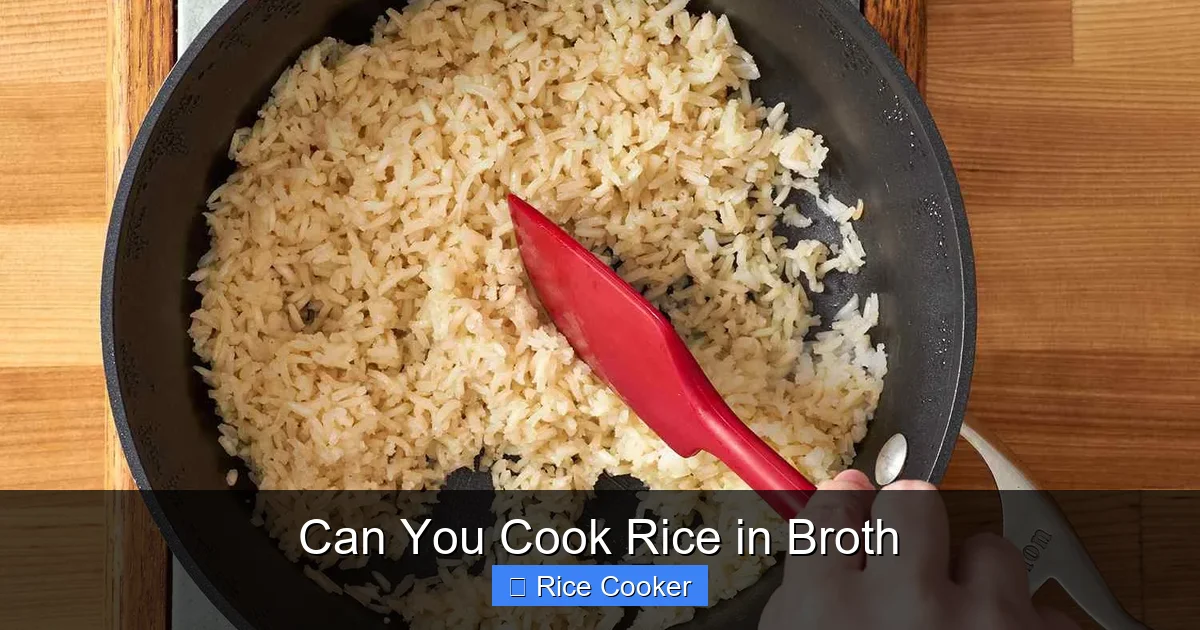
Can you cook rice in broth? Absolutely! Cooking rice in broth instead of plain water adds rich flavor, enhances aroma, and boosts nutritional value. Whether you’re using chicken, vegetable, or beef broth, this simple swap transforms a basic side dish into a flavorful main course.
Key Takeaways
- Flavor Boost: Broth infuses rice with deep, savory notes that elevate every bite.
- Nutritional Upgrade: Rice cooked in broth absorbs vitamins and minerals from ingredients like bones, herbs, and vegetables.
- Texture Variation: Different broths create distinct textures—creamy risotto-style with bone broth or light and fluffy with vegetable stock.
- Versatile Application: Works with white, brown, jasmine, basmati, and sushi rice—each responds uniquely to broth cooking.
- Easy Method: Use a rice cooker for foolproof results or a stovetop method for more control over consistency.
- Savings & Waste Reduction: Use leftover broth instead of discarding it or buying extra water.
- Customizable: Add aromatics like garlic, onions, or bay leaves directly into the broth for extra depth.
Key Takeaways
- Understanding can you cook rice in broth: Provides essential knowledge
Quick Answers to Common Questions
Can I use bouillon cubes instead of broth?
Yes, but dilute them in hot water according to package instructions. Keep in mind that bouillon is often saltier, so adjust seasoning accordingly.
Does cooking rice in broth make it healthier?
Absolutely. Broth adds vitamins, minerals, and amino acids that rice wouldn’t get from water alone, boosting the nutritional value of your meal.
Will rice cooked in broth taste too salty?
It depends on the broth. Use low-sodium broth and taste as you go. You can always rinse rice after cooking to reduce saltiness.
Can I freeze broth-cooked rice?
Yes, but only if cooled quickly and stored within two hours. Store in airtight containers and reheat with a splash of broth to restore moisture.
What’s the best broth for cooking rice?
It depends on the dish. Chicken broth works great with white rice, vegetable broth with brown or wild rice, and bone broth with risotto or congee.
📑 Table of Contents
- The Flavorful Upgrade: Can You Cook Rice in Broth?
- Why Cook Rice in Broth Instead of Water?
- Types of Rice That Work Best in Broth
- Step-by-Step Guide: How to Cook Rice in Broth
- Enhancing Flavor: Aromatics and Seasonings
- Health Benefits of Cooking Rice in Broth
- Common Mistakes to Avoid
- Creative Ways to Serve Broth-Cooked Rice
- Final Thoughts: Make Broth Your New Default
The Flavorful Upgrade: Can You Cook Rice in Broth?
Have you ever wondered if cooking rice in broth is just as good as using water? The answer is a resounding yes—and not only is it possible, but it’s often better. While most people reach for plain water when preparing rice, swapping it out with homemade or store-bought broth opens up a whole new world of taste, aroma, and nutrition. Whether you’re making a comforting bowl of jasmine rice for stir-fry or fluffy basmati for biryani, cooking rice in broth gives your dish a richer, more complex flavor profile that water simply can’t match.
Imagine serving a plate of perfectly cooked rice at your dinner table. If it’s just plain, tasteless grains, guests might not even notice. But if each grain is infused with hints of rosemary, thyme, or a slow-simmered chicken base, suddenly that rice becomes a star of the meal. That’s the magic of using broth. It’s not just about changing the liquid—it’s about transforming the entire experience.
Why Cook Rice in Broth Instead of Water?
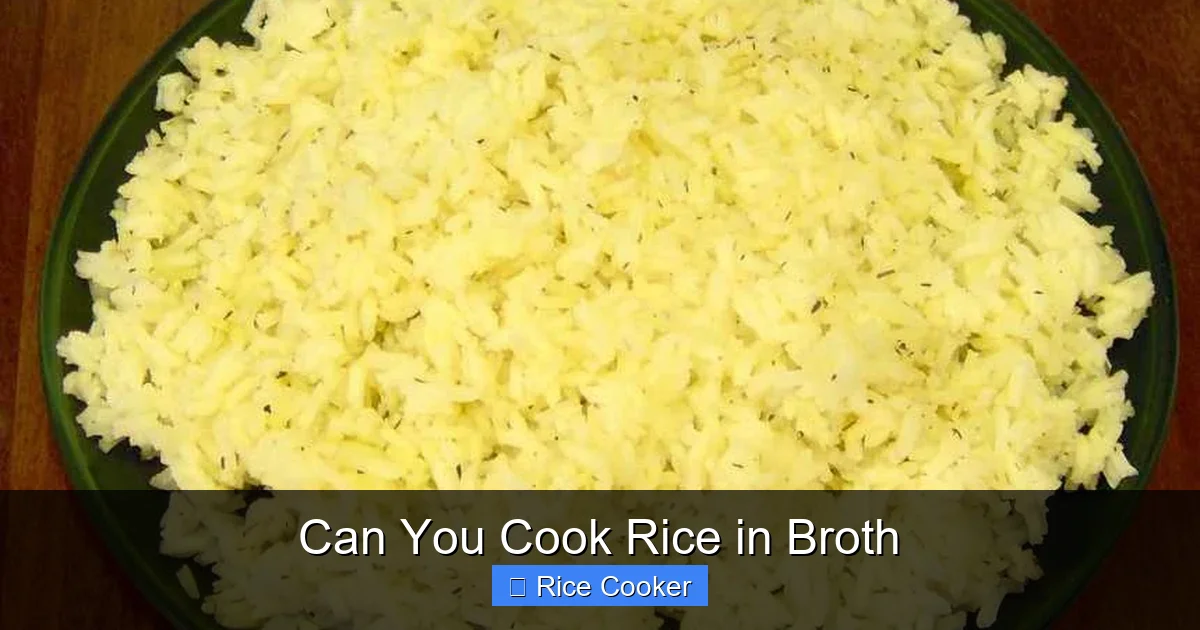
Visual guide about Can You Cook Rice in Broth
Image source: metrocookingdallas.com
You might be thinking, “But rice cooks fine in water. Why bother with broth?” Great question. The short answer: flavor and nutrition. Let’s break it down.
When you cook rice in plain water, it absorbs moisture and starch, creating a tender texture—but it takes on virtually no additional taste. Broth, on the other hand, is packed with flavor compounds from simmered bones, vegetables, herbs, and spices. As the rice cooks, it soaks in these delicious elements, resulting in a dish that tastes like more than just rice.
Beyond flavor, broth adds nutritional value. Homemade bone broth, for example, contains collagen, amino acids like glycine and proline, and minerals such as calcium and magnesium. Even store-bought vegetable or chicken broth contributes vitamins and electrolytes. When rice absorbs these nutrients during cooking, you’re essentially turning a simple side into a nourishing part of your meal.
Another benefit? Reduced waste. If you have leftover broth sitting in your fridge (from a soup, stew, or homemade stock), why not repurpose it? Instead of tossing it or letting it expire, use it to cook your rice. This small change saves money, reduces food waste, and keeps your kitchen sustainable.
How Broth Changes the Texture of Your Rice
Not all rice behaves the same when cooked in broth. The type of rice, the kind of broth, and the cooking method all influence the final result.
For instance, long-grain rice like jasmine or basmati tends to stay separate and fluffy when cooked in broth, especially if rinsed first. Short-grain varieties like sushi rice or arborio absorb more liquid and become stickier, which is ideal for dishes like risotto or sushi.
If you’re using a savory broth—like chicken or beef—your rice will likely turn out more cohesive and slightly moist. A light vegetable broth may keep things lighter but still deeply flavored. And don’t forget: adding aromatics like garlic, onion, or bay leaves directly into the broth can further enhance both texture and taste.
Pro tip: For fluffier rice, try draining excess liquid after cooking and fluffing with a fork. Over-absorbed broth can make rice gummy, especially with short-grain types.
Types of Rice That Work Best in Broth
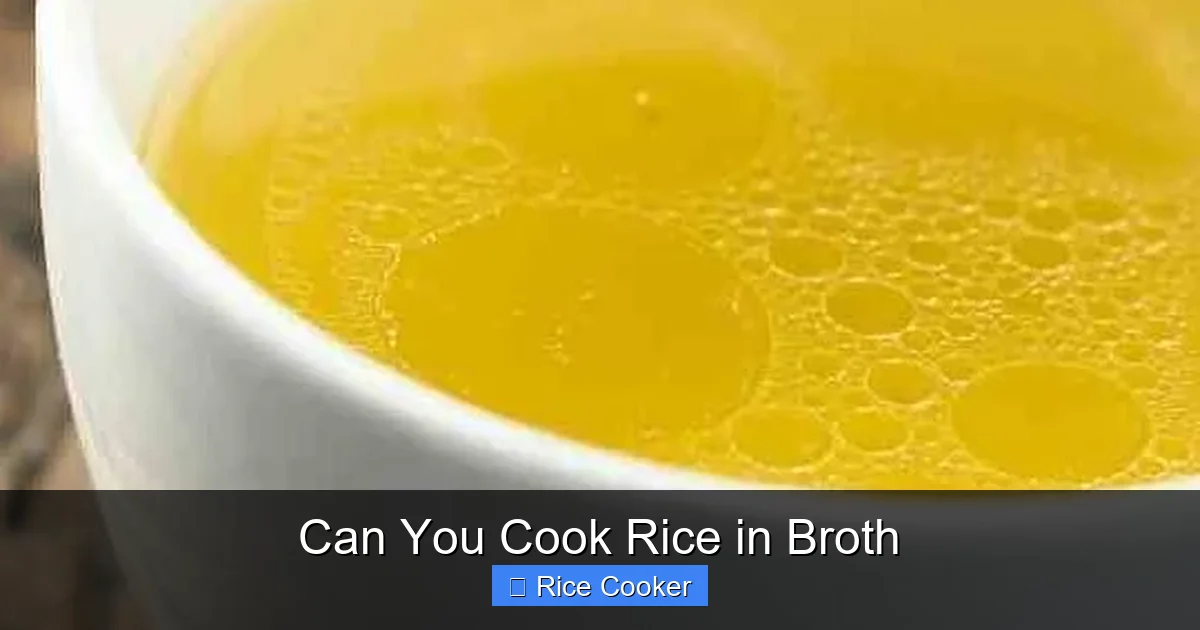
Visual guide about Can You Cook Rice in Broth
Image source: powerupcook.com
Not every rice variety is created equal when it comes to broth cooking. Some shine more than others depending on texture, grain length, and absorption rate.
White Rice
Popular choices include jasmine, basmati, and long-grain white rice. These are excellent for broth cooking because they absorb flavor well without becoming mushy—especially if rinsed beforehand. Jasmine rice, for example, becomes fragrant and slightly sticky, perfect for Thai or Vietnamese dishes.
Brown Rice
Though it takes longer to cook, brown rice holds up beautifully in broth. Its nutty flavor complements savory stocks, and the added fiber makes it more filling. Just increase the broth-to-rice ratio slightly (about 1.5 cups broth per cup of rice) since brown rice absorbs more liquid.
Sushi Rice
This short-grain Japanese rice is naturally sticky and high in starch. When cooked in seasoned broth (or even plain broth with a touch of soy sauce), it becomes ideal for sushi, rice bowls, or poke.
Risotto Rice (Arborio)
Arborio rice is designed for creamy textures. Cooking it in broth—especially bone or mushroom broth—results in a luxurious, velvety risotto that’s rich and indulgent.
Wild Rice
Less common but worth trying, wild rice has a chewy texture and earthy flavor that pairs wonderfully with herbal or gamey broths.
Each type offers a unique outcome, so choose based on your recipe and desired dish.
Step-by-Step Guide: How to Cook Rice in Broth
Ready to give it a try? Here’s a simple, foolproof method for cooking rice in broth—whether you’re using a rice cooker or stovetop.
Ingredients You’ll Need
– 1 cup rice (any variety)
– 1.5 to 2 cups broth (chicken, vegetable, beef, etc.)
– Optional: 1/4 teaspoon salt, 1 tablespoon butter or oil, garlic, onion, bay leaf
Method 1: Using a Rice Cooker
1. Rinse your rice under cold water until the water runs clear. This removes excess starch and prevents stickiness.
2. Add rice and broth to the inner pot of your rice cooker.
3. If desired, add aromatics like a crushed garlic clove, a slice of onion, or a bay leaf for extra flavor.
4. Close the lid and press the “Cook” button. Most rice cookers will automatically switch to “Keep Warm” when done.
5. Let the rice rest for 5–10 minutes after cooking before fluffing with a fork.
Method 2: Stovetop (Pot Method)
1. Rinse rice thoroughly.
2. In a medium saucepan, combine rice, broth, and any optional seasonings.
3. Bring to a boil over high heat.
4. Once boiling, reduce heat to low, cover, and simmer gently for 18–25 minutes (depending on rice type).
5. Remove from heat and let sit, covered, for 5–10 minutes.
6. Uncover, fluff gently, and serve.
Pro Tips for Perfect Broth-Cooked Rice
– Use room-temperature broth for even cooking.
– Don’t lift the lid while cooking—steam builds pressure and affects timing.
– Adjust broth quantity based on rice type: short-grain needs more, long-grain less.
– Stir once halfway through stovetop cooking to prevent sticking.
Enhancing Flavor: Aromatics and Seasonings
One of the best parts about cooking rice in broth is the opportunity to layer in flavors. Think of the broth as your base, but you can go deeper.
Add chopped onions, garlic, ginger, or leeks directly into the cooking liquid. These aromatics soften during cooking and release their essence into every grain. A splash of soy sauce, fish sauce, or Worcestershire sauce can also deepen umami notes—great for Asian-inspired dishes.
For a vegetarian option, toss in dried mushrooms, thyme, or rosemary. Herbs like parsley, cilantro, or dill can be added at the end for brightness.
Even a pinch of smoked paprika or turmeric can transform a simple chicken broth into something bold and colorful.
Remember: less is more. Too many strong seasonings can overwhelm the rice. Start subtle and taste as you go.
Health Benefits of Cooking Rice in Broth
Beyond taste, cooking rice in broth offers real health advantages. Broth—especially homemade—is rich in collagen, gelatin, and amino acids that support gut health, joint function, and skin elasticity. While rice itself isn’t nutrient-dense, absorbing these compounds during cooking increases your intake.
Vegetable broth adds antioxidants from simmered veggies like carrots, celery, and tomatoes. Chicken broth provides zinc and selenium, which support immunity.
For those on low-sodium diets, use reduced-sodium or homemade broth to control salt levels. Or, rinse rice after cooking to remove excess sodium.
And let’s not forget hydration. Broth is mostly water, so you’re helping your body stay hydrated while eating rice—perfect for recovery meals or hot weather.
Common Mistakes to Avoid
Even with the best intentions, things can go wrong. Here are some frequent pitfalls and how to fix them.
Mistake 1: Not Rinsing the Rice
Result: Sticky, clumpy rice.
Fix: Always rinse long-grain and sushi rice under cold water until clear.
Mistake 2: Using Too Much Broth
Result: Soggy, mushy rice.
Fix: Stick to recommended ratios (usually 1.5–2 cups liquid per 1 cup rice). Drain excess if needed.
Mistake 3: Skipping the Resting Period
Result: Steam escapes, rice becomes dry.
Fix: Let rice sit covered for 5–10 minutes after cooking.
Mistake 4: Boiling After Cooking
Result: Burnt bottom or uneven texture.
Fix: Once done, turn off heat and keep covered.
Mistake 5: Ignoring Rice Variety Differences
Result: Undercooked or overcooked rice.
Fix: Follow timing guidelines for each rice type—brown rice takes longer than white.
Creative Ways to Serve Broth-Cooked Rice
The possibilities are endless once your rice is ready. Here are some delicious ideas:
– Fried Rice: Stir-fry broth-cooked rice with eggs, peas, carrots, and soy sauce.
– Rice Bowls: Top with grilled chicken, avocado, pickled veggies, and a drizzle of tahini.
– Stuffed Peppers: Mix rice with ground meat, tomato sauce, and spices, then bake in bell peppers.
– Sushi Rolls: Use seasoned sushi rice cooked in dashi broth for authentic flavor.
– Shepherd’s Pie: Layer broth-cooked rice with mashed potatoes and meat filling.
– Congee: Simmer broth-cooked rice with ginger and scallions for a soothing breakfast porridge.
Final Thoughts: Make Broth Your New Default
So, can you cook rice in broth? Absolutely. And now that you know how, there’s no going back. Whether you’re using a rice cooker or a pot, the difference in flavor is noticeable—and the health benefits are undeniable. Plus, it’s an easy way to elevate everyday meals without extra effort.
Next time you open a carton of broth, think twice. It’s not just for soup anymore. Swap it in for water the next time you cook rice, and taste the difference. You might find yourself making broth-cooked rice the new standard in your kitchen.
Frequently Asked Questions
Can you use any type of broth for cooking rice?
Yes, but the flavor will vary. Chicken, vegetable, beef, and mushroom broths all work well. Choose based on the dish you’re preparing.
Do I need to adjust cooking times when using broth?
Generally, no. Broth has similar properties to water, so cooking times remain the same. However, always check rice near the end to avoid overcooking.
Is it okay to reuse leftover broth for multiple batches of rice?
Yes, as long as it’s stored properly in the fridge for up to 3 days or frozen. Reheated broth can be used again for cooking rice.
Can I add spices directly to the broth while cooking rice?
Absolutely. Garlic, onion, bay leaves, and herbs can be added directly to the broth for maximum flavor infusion.
Does cooking rice in broth affect its glycemic index?
No significant change occurs. The glycemic impact mainly depends on the rice type, not the cooking liquid.
What if my rice turns out too wet or soupy?
Drain the excess liquid through a fine-mesh strainer after cooking. Alternatively, spread the rice on a baking sheet and let it cool slightly to evaporate moisture.