
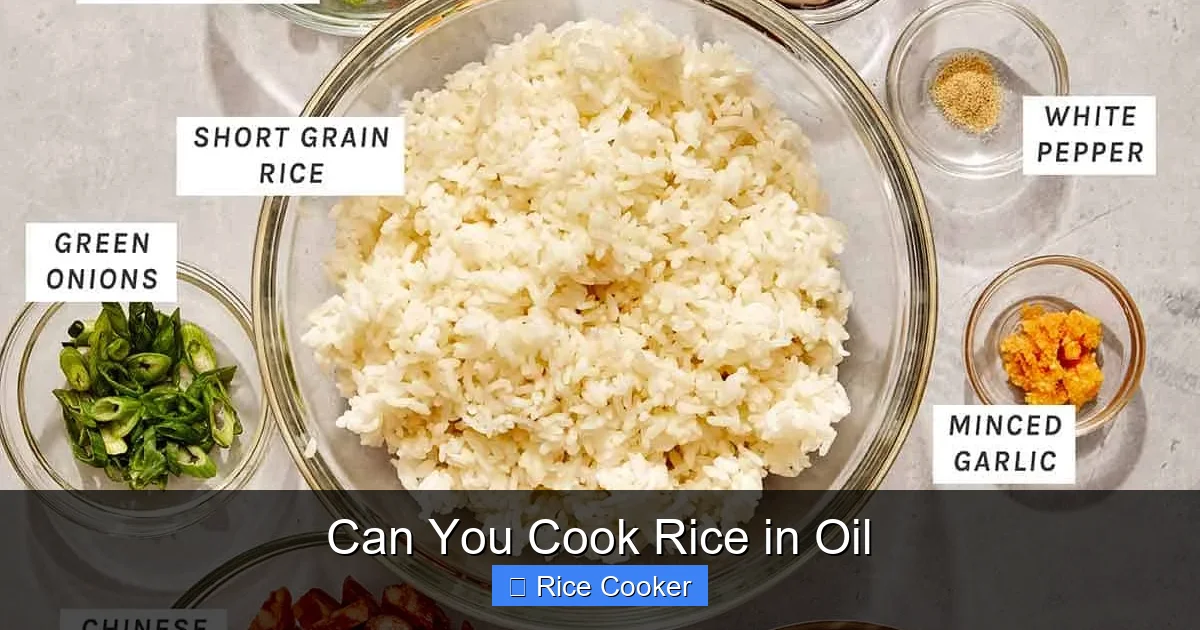
Yes, you can cook rice in oil, and doing so can improve its taste, texture, and even nutritional profile. Unlike traditional water-based methods, oil adds richness and helps prevent sticking, especially in certain rice types like jasmine or basmati. Whether you’re using a pot on the stove or a rice cooker, adding a bit of oil makes a noticeable difference.
Key Takeaways
- Oil enhances flavor and texture: Cooking rice in oil gives it a richer mouthfeel and helps bind moisture, resulting in fluffier grains.
- Prevents sticking and scorching: A thin layer of oil in the pot reduces adhesion to the bottom and sides, especially useful for long-grain varieties.
- Not all oils are created equal: Use neutral oils like vegetable, canola, or sunflower for high smoke points; avoid strong-flavored oils like olive oil unless desired.
- Oil doesn’t replace water: Rice still needs water (or broth) to absorb; oil is an addition, not a substitute.
- Rice cookers handle oil well: Many modern rice cookers have non-stick coatings that work beautifully with oil, simplifying cleanup.
- Health considerations matter: While oil adds calories, it also supports nutrient absorption and heart health when used in moderation.
- Experiment with ratios: Start with 1 teaspoon of oil per cup of rice and adjust based on your rice type and personal preference.
📑 Table of Contents
- Can You Cook Rice in Oil? The Surprising Truth (and Why You Might Want To)
- Why People Ask: Is Oil Necessary for Cooking Rice?
- How Oil Changes the Texture and Flavor of Rice
- Which Types of Rice Benefit Most from Oil?
- Best Oils for Cooking Rice
- Step-by-Step Guide: How to Cook Rice in Oil
- Common Mistakes and How to Avoid Them
- Nutritional Impact: Does Cooking Rice in Oil Make It Less Healthy?
- Creative Ways to Use Oil When Cooking Rice
- Does Oil Help Prevent Rice from Burning?
- Final Thoughts: Should You Always Cook Rice in Oil?
Can You Cook Rice in Oil? The Surprising Truth (and Why You Might Want To)
If you’ve ever stared into your pantry, rice simmering in a pot, wondering, “Wait… could I just add a little oil?”—you’re not alone. It’s one of those kitchen questions that pops up during lazy Sunday meals or when you’re trying to elevate a simple side dish. And honestly, it’s a great question. After all, rice is such a versatile base. So why stick to plain water when you’ve got something like oil lying around?
The short answer: yes, absolutely. Cooking rice in oil isn’t just possible—it’s a time-honored technique used across many global cuisines. From Thai fried rice to Middle Eastern pilafs, oil plays a starring role in creating texture, flavor, and even helping certain rice varieties release their full potential. But before you start dousing everything in olive oil, let’s unpack what actually happens when you cook rice in oil, how it affects different types of rice, and which methods work best for home cooks.
Why People Ask: Is Oil Necessary for Cooking Rice?
Many people assume water is the only liquid you can use to cook rice because that’s how most recipes teach you. Boil water, add rice, cover, wait. Simple, right? But that method works best for short-grain rice like sushi rice or risotto varieties—those that absorb water and expand without breaking apart.
Visual guide about Can You Cook Rice in Oil
Image source: juliescafebakery.com
However, long-grain rice like basmati or jasmine behaves differently. These grains are more delicate and prone to becoming sticky or gummy if cooked improperly. That’s where oil comes in. Adding oil early in the process creates a protective barrier between each grain, reducing clumping and helping them cook evenly. Plus, oil contributes fat-soluble flavors from spices, herbs, or aromatics—something water alone can’t do.
How Oil Changes the Texture and Flavor of Rice
The Science Behind Oil and Rice
When you heat oil in a pan before adding rice, the oil coats the surface of each grain. As the rice absorbs water and swells during cooking, this oil film prevents starch molecules from bonding too tightly together. This means less stickiness and more separation—exactly what we want in fluffy, individual grains.
Visual guide about Can You Cook Rice in Oil
Image source: cdn.davidwolfe.com
Additionally, oil has a higher boiling point than water and conducts heat more efficiently. This helps distribute warmth evenly across the pot, reducing hot spots that might burn the bottom layer while leaving the top undercooked.
Flavor Infusion Through Fat
Water is great at extracting water-soluble compounds, but it struggles with fat-soluble ones. That’s why saffron-infused rice tastes richer and more aromatic when cooked in oil or butter—the oil pulls out the crocin (the compound responsible for both color and flavor) much more effectively than water alone.
Think about it: when you make biryani or paella, the rice is often first sautéed in oil with onions, garlic, and spices. Not only does this build a flavorful foundation, but it also ensures every bite carries the essence of the meal.
Which Types of Rice Benefit Most from Oil?
Long-Grain Varieties (Basmati, Jasmine, American)
These are the stars of the oil-cooking show. Long-grain rice tends to be drier and more aromatic naturally, but they also dry out quickly during prolonged boiling. Adding oil helps retain moisture and keeps them tender without becoming mushy.
For example, jasmine rice becomes wonderfully fragrant and slightly chewy when cooked with a touch of oil—perfect for stir-fries or as a side with curry dishes.
Medium-Grain Rice (Arborio, Calrose)
While these are traditionally used for creamy risottos (which rely on slow-stirring and constant stirring), you can still benefit from a light oil coating when making quick-cooking versions. A small amount of oil prevents sticking without turning the rice into a gluey mess.
Short-Grain and Sticky Rice (Sushi Rice, Glutinous Rice)
These usually don’t need oil—they already hold together well due to high amylopectin content. In fact, too much oil might make them overly soft or greasy. However, if you’re making sushi rice and want a slight sheen or smoother finish, a tiny dab won’t hurt.
Best Oils for Cooking Rice
Not all oils are created equal when it comes to cooking rice. Here’s a quick guide to choosing wisely:
- Vegetable or Canola Oil: Neutral flavor, high smoke point (~400°F/204°C), affordable, and widely available. Ideal for everyday rice cooking.
- Sesame Oil: Excellent for Asian-style dishes—use sparingly for a nutty aroma. Best added after the rice is mostly cooked to preserve its distinct flavor.
- Coconut Oil: Adds subtle sweetness and tropical notes. Works great with coconut-based curries or Southeast Asian recipes.
- Olive Oil: Only use refined olive oil (not extra virgin) if you want a mild presence. Avoid EVOO unless you’re aiming for bold Mediterranean flavors, since its low smoke point can turn bitter.
- Ghee or Butter: Perfect for Indian or French-inspired rice dishes. Adds richness and helps brown onions and spices beautifully before adding rice.
Remember: a little goes a long way. One teaspoon of oil per cup of uncooked rice is usually sufficient. Too much can leave a greasy residue or alter the final texture.
Step-by-Step Guide: How to Cook Rice in Oil
Method 1: Stovetop with Pot
- Rinse the rice: Place rice in a fine-mesh strainer and rinse under cold water until the water runs clear. This removes excess starch and prevents gumminess.
- Heat the oil: In a medium saucepan, heat 1 teaspoon of oil over medium heat.
- Add rice: Stir in rinsed rice and toast gently for 1–2 minutes until fragrant. This step enhances flavor and helps prevent burning.
- Add liquid: Pour in water (or broth) using a 1:2 ratio (1 cup rice to 2 cups liquid). For extra flavor, you can use chicken or vegetable stock instead of water.
- Bring to boil, then simmer: Cover with a tight-fitting lid, reduce heat to low, and simmer for 18–20 minutes (white rice) or 35–40 minutes (brown rice).
- Let it rest: Turn off heat and let sit covered for 5–10 minutes before fluffing with a fork.
Method 2: Using a Rice Cooker
Modern rice cookers make this even easier. Most have non-stick inner pots, so oil won’t pool or burn if used correctly.
- Add oil and rice: Put 1 teaspoon of oil in the inner pot along with rinsed rice.
- Fill with water: Add water to the marked line (usually double the volume of rice).
- Select mode: Choose “White Rice” or “Normal” setting. Some advanced models have a “Fluffy” or “Oil” option—take advantage of these!
- Press start: Once done, let the unit keep warm for another 5–10 minutes before serving.
Tip: If your rice cooker lacks a non-stick coating, wipe the bottom lightly with oil before adding rice to prevent sticking.
Common Mistakes and How to Avoid Them
Even experienced cooks slip up sometimes. Here are frequent errors and fixes:
- Mistake: Using too much oil → Results in greasy, flat-tasting rice.
Fix: Stick to 1 tsp per cup of rice. Taste test as you go. - Mistake: Skipping the rinsing step → Leads to gummy rice.
Fix: Always rinse unless the package says “no need to rinse.” - Mistake: Not covering properly → Causes uneven cooking and dry spots.
Fix: Use a tight-fitting lid. If you don’t have one, try wrapping the pan with foil. - Mistake: Opening the lid during cooking → Steam escapes, extending cook time.
Fix: Resist temptation! Let it cook undisturbed. - Mistake: Using cold oil → Slows down heat transfer.
Fix: Heat oil gently before adding rice.
Nutritional Impact: Does Cooking Rice in Oil Make It Less Healthy?
This is a valid concern. Adding oil definitely increases calorie count—about 120 calories per tablespoon. But here’s the twist: oil also boosts nutrient absorption.
Many vitamins (like A, D, E, and K) are fat-soluble. Cooking rice with a little oil can help your body absorb these nutrients better—especially if your rice is part of a larger meal containing vegetables rich in these vitamins.
Moreover, healthy fats support brain function, hormone production, and satiety. So instead of seeing oil as a villain, consider it a tool for balanced eating.
If you’re watching your weight or cholesterol, simply measure the oil carefully. There’s no need to eliminate it entirely—just use it mindfully.
Creative Ways to Use Oil When Cooking Rice
Don’t limit yourself to plain white rice! Here are fun ideas:
- Saffron Rice: Toast rice in ghee, add warm milk and saffron threads. Rich, luxurious, and perfect for holidays.
- Spiced Pilaf: Sauté rice with cumin, coriander, and dried apricots in olive oil. Serve with roasted veggies.
- Garlic Herb Rice: Infuse oil with minced garlic and parsley before adding rice. Great over grilled chicken.
- Coconut Lime Rice: Cook rice in coconut milk with lime zest and a splash of fish sauce. Ideal with Thai or Vietnamese dishes.
- Smoky Paprika Rice: Use smoked paprika and sunflower oil for a Spanish-inspired side.
Does Oil Help Prevent Rice from Burning?
Absolutely! Oil forms a thin shield between the rice and the hot surface of the pot. Without it, especially on electric stoves or gas burners with uneven heat distribution, the bottom layer can scorch before the top is fully cooked.
This is particularly true for recipes that require longer simmering times, like brown rice or pilafs. A light oil layer ensures gentler, more even heating.
Final Thoughts: Should You Always Cook Rice in Oil?
No—but you should consider it more often than you think. If you’re tired of mushy, sticky rice or want to deepen the flavor of your sides, adding a touch of oil is a simple upgrade with big rewards.
It’s especially useful for:
- People who eat a lot of long-grain rice (like basmati or jasmine)
- Those who enjoy globally inspired dishes
- Anyone using older pots or rice cookers that tend to stick
But if you’re making sushi rice or risotto, you might prefer sticking to traditional methods. Variety keeps cooking exciting!
In short: yes, you can cook rice in oil—and you probably will want to try it soon.
Frequently Asked Questions
Is it safe to cook rice in oil?
Yes, it’s completely safe and actually beneficial. Cooking rice in oil improves texture, prevents sticking, and enhances flavor absorption. Just choose an oil with a high smoke point and use it in moderation.
Will cooking rice in oil make it unhealthy?
Adding oil increases calorie content slightly, but it also aids in absorbing fat-soluble vitamins and adds satisfying richness. Used in balance, it supports overall nutrition rather than harming it.
Can I use any type of oil for cooking rice?
For most purposes, use neutral oils like vegetable, canola, or sunflower. Reserve strongly flavored oils like olive or sesame for specific cuisines—and always opt for refined versions to avoid burning.
Do I need to rinse the rice before cooking it in oil?
Yes, rinsing removes excess starch and prevents gummy results. Place rice in a sieve and rinse under cold water until the water runs clear.
How much oil should I use per cup of rice?
Start with 1 teaspoon of oil per cup of uncooked rice. Adjust based on personal preference and rice variety—too much can make it greasy.
Can I cook rice in oil in a rice cooker?
Absolutely! Just add oil and rinsed rice to the inner pot, fill with water, and select the appropriate setting. Non-stick coatings handle oil well, making cleanup easy.