
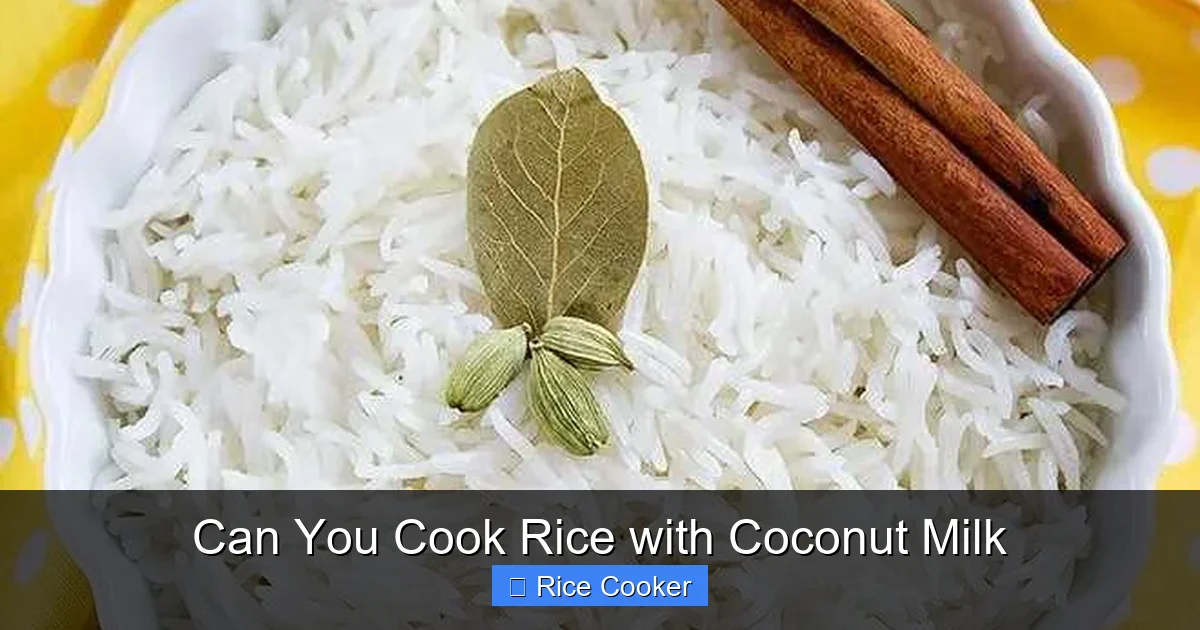
You absolutely can cook rice with coconut milk, and it’s easier than you think—especially with a rice cooker. This method creates rich, aromatic, and slightly sweet rice perfect for dishes like Thai curry or even coconut rice pudding. Coconut milk adds moisture, flavor, and a velvety texture that transforms plain white or jasmine rice into something special.
Whether you’re looking to elevate your side dish or add depth to a main course, cooking rice in coconut milk is a simple technique that opens up a world of delicious possibilities. With the right ratio and timing, your rice cooker does all the hard work so you don’t have to stand over the stove. Plus, it’s naturally gluten-free and pairs beautifully with both savory and sweet recipes. Let’s dive into everything you need to know.
Key Takeaways
- Cooking rice with coconut milk enhances flavor and texture—resulting in creamy, aromatic grains that absorb spices and sweetness beautifully.
- A rice cooker makes the process foolproof, handling precise water-to-rice ratios and consistent heat without constant monitoring.
- Use full-fat coconut milk for richer results; light versions may lead to dry or less flavorful rice.
- Rinse rice before cooking to remove excess starch and prevent clumping, even when using coconut milk.
- Adjust seasoning after cooking—since coconut milk can mask subtle flavors, taste and add salt or sugar as needed.
- This method works best with short- to medium-grain rice like jasmine or sushi rice, which hold shape well in creamy sauces.
- Coconut rice pairs wonderfully with curries, stir-fries, grilled meats, or even as a dessert base.
📑 Table of Contents
- Can You Cook Rice with Coconut Milk?
- The Science Behind Cooking Rice in Coconut Milk
- Step-by-Step Guide: How to Cook Rice with Coconut Milk in a Rice Cooker
- Flavor Variations and Global Inspiration
- Common Mistakes and How to Avoid Them
- Pairing Coconut Rice with Other Foods
- Storing and Reheating Tips
- Health Benefits and Nutritional Notes
- Final Thoughts: Why You Should Try It Today
Can You Cook Rice with Coconut Milk?
Have you ever wondered if it’s possible—or even desirable—to cook rice directly in coconut milk? The answer is a resounding yes. In fact, cooking rice with coconut milk has become a beloved technique across many global cuisines, especially in Southeast Asian cooking. From fragrant Thai jasmine rice served alongside green curry to creamy Filipino arroz con coco, this method delivers a luxurious mouthfeel and a subtle nutty sweetness that plain water simply can’t match.
The beauty of using coconut milk lies in its ability to infuse every grain with flavor while keeping the rice tender and moist. Unlike traditional rice cooking, where water evaporates during the process, coconut milk remains largely intact, creating a sauce-like consistency that clings to each bite. And the best part? Modern rice cookers are perfectly suited for this task—no fancy equipment required. Whether you’re a beginner or a seasoned home cook, mastering this technique will open doors to new flavor combinations and effortless meal prep.
The Science Behind Cooking Rice in Coconut Milk
Why It Works: Starch and Fat Interaction
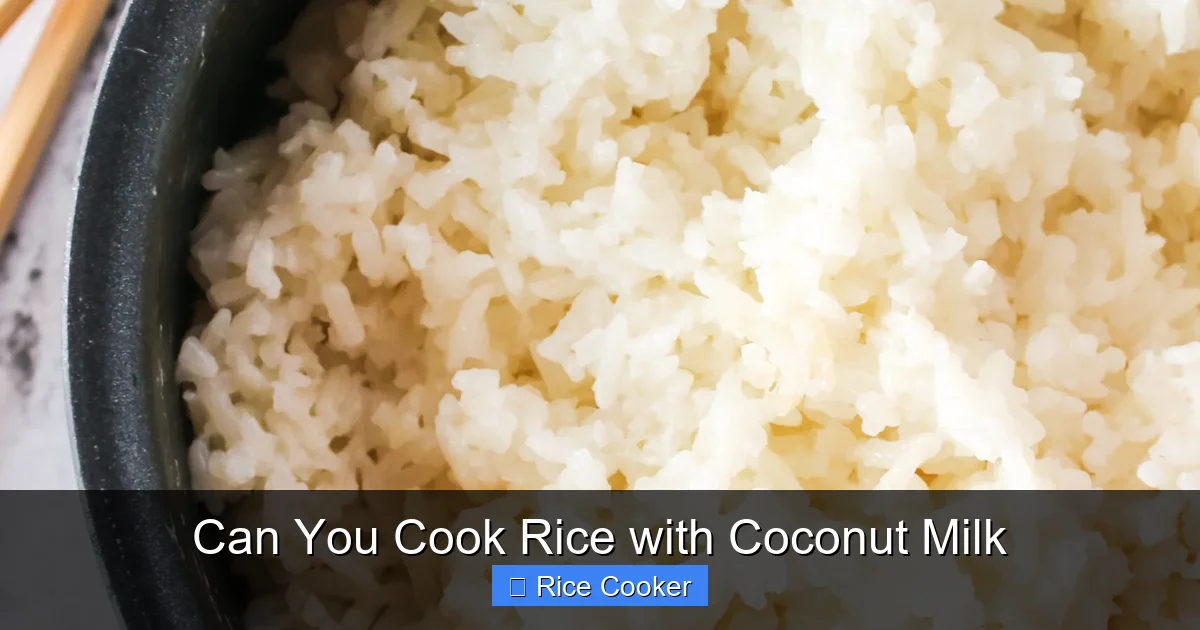
To understand why cooking rice in coconut milk works so well, we need to look at the chemistry behind it. Rice contains starch, which breaks down when heated and absorbs liquid. When you cook rice in water, the starch swells and gelatinizes, creating the fluffy, separate grains we associate with good rice. But coconut milk introduces fat—specifically, the cream-rich layer at the top and the slightly thinner portion below it.
Visual guide about Can You Cook Rice with Coconut Milk
Image source: numstheword.com
This fat not only adds richness but also slows down evaporation, meaning the rice stays moist longer and cooks more evenly. The proteins and emulsifiers in coconut milk help bind everything together, reducing the risk of burnt spots or dry patches. Additionally, the natural sugars in coconut milk caramelize slightly during cooking, contributing to a golden hue and deeper flavor profile.
Choosing the Right Type of Coconut Milk
Not all coconut milks are created equal when it comes to cooking rice. Full-fat coconut milk (the thick, creamy kind sold in cans) is ideal because it provides the richest texture and most robust flavor. Look for cans labeled “full-fat” or “canned coconut milk” without added water or stabilizers.
Lighter versions—sometimes called “light coconut milk”—are thinner and contain less fat. While they can be used, they often result in drier rice or require extra liquid to compensate. If you’re using light coconut milk, consider adding a splash of water or broth to maintain moisture. For the best results, always shake the can thoroughly before opening, as separation is normal and expected.
Step-by-Step Guide: How to Cook Rice with Coconut Milk in a Rice Cooker
Gathering Your Ingredients and Tools
Before you start, gather these essentials:
- 1 cup uncooked rice (jasmine, sushi, or glutinous work best)
- 1 cup full-fat canned coconut milk
- 1/2 cup water (adjust based on rice type)
- Salt (optional, to taste)
- Fresh lime juice or kaffir lime leaves (optional, for authenticity)
- Your trusty rice cooker
Pro tip: Measure your rice by volume, not weight, for accuracy. A standard measuring cup holds about 180–190 grams of uncooked long-grain rice.
Preparing the Rice
Rinsing is crucial—even though coconut milk coats the grains, removing excess surface starch ensures fluffiness. Place your rice in a fine-mesh strainer and rinse under cold running water until the water runs clear. This step prevents gummy or clumpy results, especially important when using sticky varieties like sushi rice.
Drain well and let any excess water drip off. Then transfer the rinsed rice to your rice cooker pot. At this point, you can add a pinch of salt or a strip of kaffir lime leaf if desired—these enhance aroma without overwhelming the coconut note.
Mixing Liquid Ratios Correctly
Now comes the magic: combining liquids. The general rule is 1 cup rice to 1 cup coconut milk plus 1/2 cup water. However, some rice types absorb differently. Jasmine rice, for example, benefits from slightly more water (up to 3/4 cup), while sushi rice might need just 1/4 cup extra due to its higher starch content.
Here’s a quick reference table for common rice types:
- Jasmine rice: 1 cup rice + 1 cup coconut milk + 3/4 cup water
- Sushi rice: 1 cup rice + 1 cup coconut milk + 1/4 cup water
- Bomba or Calrose rice: 1 cup rice + 1 cup coconut milk + 1/2 cup water
Remember: coconut milk is dense. Pour it slowly and mix gently with the rice to distribute evenly. Too much stirring can release too many starches, leading to mushiness.
Cooking Process and Timing
Close the rice cooker lid and select the “White Rice” or “Normal” setting. Most rice cookers automatically switch to “Keep Warm” once done—do not lift the lid during cooking, as steam escapes and affects texture.
Total cooking time typically ranges from 20–30 minutes, depending on your appliance. After cooking, let the rice rest for 5–10 minutes with the lid on. This allows residual heat to finish steaming and firms up the texture. Fluff gently with a fork before serving.
Flavor Variations and Global Inspiration
Thai-Style Coconut Rice
In Thailand, coconut rice is almost always paired with spicy curries. To mimic this, cook your rice with a few torn kaffir lime leaves and a teaspoon of fish sauce along with the coconut milk. Remove the leaves before serving. Serve warm alongside green or red curry, grilled chicken, or tofu.
Filipino Arroz con Coco
This sweet-savory dish uses coconut milk cooked with rice and sugar, sometimes with evaporated milk added later. Try making a version by cooking 1 cup jasmine rice with 1 cup coconut milk, 1/4 cup sugar, and a dash of vanilla extract. Simmer briefly before transferring to the rice cooker for even cooking.
Spiced Golden Rice
Add warmth to your coconut rice with a pinch of turmeric, cardamom pods, or cinnamon stick during cooking. These spices complement the richness of coconut beautifully and give the rice a vibrant yellow color. Perfect for holiday tables or festive meals.
Dessert Coconut Rice
Transform your rice into a comforting dessert by cooking it with coconut milk, condensed milk, and a hint of pandan extract or vanilla. Top with toasted coconut flakes and sliced bananas. Serve chilled or at room temperature—ideal for summer gatherings.
Common Mistakes and How to Avoid Them
Overcooking Leads to Mushiness
If your rice turns out gluey, you likely added too much liquid or didn’t rinse properly. Always measure carefully and avoid opening the lid mid-cycle. If using a stovetop method, stir occasionally to prevent sticking.
Underseasoned Results
Coconut milk can mute other flavors, so don’t rely solely on salt. Taste before serving and adjust with lime juice, soy sauce, or a sprinkle of sugar. A squeeze of fresh lime juice brightens the dish and balances the richness.
Using the Wrong Rice Type
Short- to medium-grain rices like jasmine or sushi hold their shape best in creamy dishes. Long-grain basmati may become too soft and lose definition. Experiment with different types to find your favorite texture.
Skipping the Resting Period
Resist the urge to serve immediately after cooking. Letting the rice sit allows moisture to redistribute evenly. Think of it like letting bread cool—it makes all the difference in final quality.
Pairing Coconut Rice with Other Foods
Coconut rice is incredibly versatile. Here are some winning combinations:
- Curries: Green, red, or massaman curry are classic matches.
- Grilled Meats: Chicken satay, lemongrass pork, or butterfish.
- Vegetarian Dishes: Stir-fried vegetables with peanut sauce or black bean stew.
- Seafood: Shrimp scampi, mussels in garlic-coconut broth, or grilled fish tacos.
- Desserts: Paired with mango slices, coconut custard, or tropical fruit salads.
For a balanced meal, serve coconut rice alongside protein, colorful veggies, and a tangy dipping sauce like tamarind chutney or sriracha mayo.
Storing and Reheating Tips
Cooked coconut rice keeps well in the refrigerator for up to 4 days. Store in an airtight container and rewarm gently on the stovetop with a splash of water or coconut milk to restore moisture. Avoid microwaving straight from cold—add 1 tablespoon of liquid per cup before heating.
Frozen coconut rice lasts up to 2 months. Thaw overnight in the fridge, then reheat as above. Note that freezing can alter texture slightly, so use within a few weeks for best results.
Health Benefits and Nutritional Notes
Coconut milk adds healthy fats, particularly medium-chain triglycerides (MCTs), which are easier to digest and may boost metabolism. It also provides small amounts of iron, magnesium, and phosphorus. When choosing brands, opt for unsweetened and unflavored versions to avoid hidden sugars.
As always, moderation is key. One cup of cooked coconut rice contains roughly 200–250 calories, mostly from carbohydrates and fat. Pair it with lean proteins and fiber-rich sides to create a well-rounded meal.
Final Thoughts: Why You Should Try It Today
Cooking rice with coconut milk isn’t just a culinary trick—it’s a gateway to richer flavors, more satisfying textures, and effortless cooking. With your rice cooker doing the heavy lifting, there’s no reason not to give it a try. Start simple: one cup of rice, one cup of coconut milk, a pinch of salt, and let the machine work its magic.
Once you master the basics, experiment with herbs, spices, and sweeteners to personalize every bowl. Whether you’re feeding a crowd or whipping up a cozy dinner for two, coconut rice proves that sometimes the simplest ingredients create the most memorable meals.
So go ahead—grab that can of coconut milk, measure out your rice, and press “start.” Your taste buds will thank you.
Frequently Asked Questions
Can I use any type of rice for coconut milk cooking?
While all rice can technically be cooked in coconut milk, short- to medium-grain varieties like jasmine or sushi rice work best. They have higher starch content and hold their shape well in creamy dishes. Long-grain basmati may turn too soft or lose definition.
How do I prevent my coconut rice from becoming too greasy?
Use full-fat coconut milk sparingly and drain excess cream if needed after cooking. Also, avoid over-stirring, which can emulsify too much fat. For less richness, substitute half the coconut milk with water or vegetable broth.
Is it safe to store leftover coconut rice at room temperature?
No—leftovers should be refrigerated within 2 hours of cooking. Coconut milk is perishable, and room-temperature storage increases bacterial growth risk. Always reheat thoroughly before consuming.
Can I make coconut rice without a rice cooker?
Yes! Simmer rice, coconut milk, and water in a covered pot over low heat for 20–25 minutes, then turn off the heat and let it rest for 10 minutes. Stir gently before serving. Just watch closely to prevent scorching.
Does coconut milk change the nutritional profile of rice?
Absolutely. Coconut milk adds healthy saturated fats, medium-chain triglycerides, and a small amount of protein and minerals. It also increases calorie density, so portions should be adjusted accordingly.
What’s the difference between cooking rice in coconut milk vs. water?
Cooking in coconut milk yields richer, sweeter, and creamier rice with a nutty aroma. Water produces lighter, fluffier grains without added flavor. Coconut milk also reduces drying during cooking due to its lower evaporation rate.