
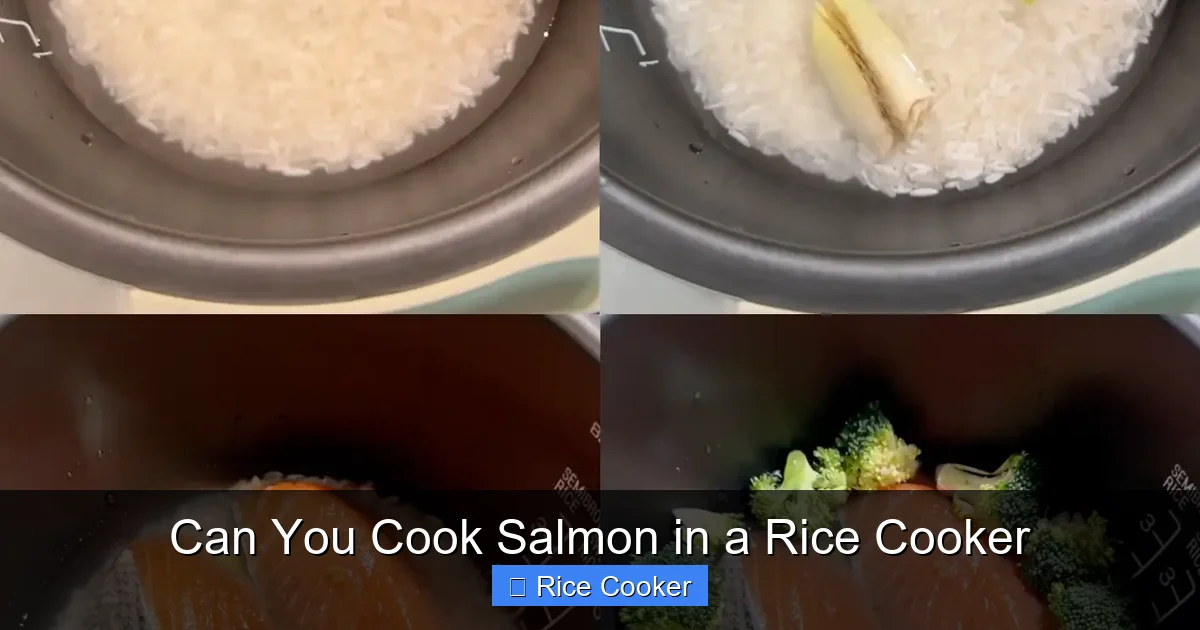
Absolutely! Cooking salmon in a rice cooker is simple, foolproof, and delivers perfectly tender, juicy results every time. No special skills needed—just season your salmon, add water or broth, and let the rice cooker do the rest. It’s ideal for beginners, meal prep lovers, or anyone craving hassle-free dinner ideas.
Can You Cook Salmon in a Rice Cooker? The short answer is a resounding yes—and it might just become your new go-to method for preparing this delicious, nutritious fish. If you own a rice cooker (and who doesn’t these days?), you already have a kitchen tool capable of doing so much more than just making fluffy grains. From reheating leftovers to steaming dumplings, the humble rice cooker has evolved into a multi-functional appliance that can simplify your cooking routine—especially when it comes to delicate proteins like salmon.
In this article, we’ll walk through everything you need to know about cooking salmon in a rice cooker: why it works, how to do it step-by-step, what mistakes to avoid, and creative ways to elevate your dish. Whether you’re new to rice cooker cooking or looking to expand your repertoire, this guide will show you how easy—and delicious—it can be.
Key Takeaways
- Rice cookers are versatile: Beyond steaming rice, they can cook whole proteins like salmon using steam and heat circulation.
- Moisture is key: Always include liquid (water, broth, or wine) to create steam that keeps salmon from drying out.
- Seasoning matters: Use simple marinades or dry rubs before cooking to infuse flavor into the fish.
- Don’t overcook: Salmon cooks quickly—usually in 10–15 minutes—so check for doneness by flaking with a fork.
- Cleanup is easy: Most rice cookers have non-stick inner pots and removable parts for simple washing.
- Perfect pairings: Serve with steamed veggies, rice, or a fresh salad for a complete, healthy meal.
📑 Table of Contents
- The Surprising Versatility of Your Rice Cooker
- Why Choose the Rice Cooker Method?
- How to Cook Salmon in a Rice Cooker – Step by Step
- Flavor Variations and Creative Twists
- Common Mistakes to Avoid
- Serving Suggestions and Side Dishes
- Cleaning Tips After Cooking
- Frequently Asked Questions About Cooking Salmon in a Rice Cooker
- Conclusion: Embrace the Simplicity
The Surprising Versatility of Your Rice Cooker
Most people think of rice cookers as one-trick ponies: turn it on, press “Cook,” and wait for perfectly cooked white or brown rice. But modern rice cookers—especially those with advanced settings like fuzzy logic, steam functions, or even slow-cook modes—are actually quite sophisticated appliances. They maintain consistent internal temperatures, regulate moisture levels, and often use induction heating for even heat distribution. These features make them surprisingly well-suited for cooking other foods, including fish.
Salmon, in particular, benefits from the gentle, indirect heat and steam-based cooking method that rice cookers provide. Unlike frying or baking, which can dry out fatty fish if not monitored closely, steaming preserves moisture while allowing flavors to develop beautifully. And because the rice cooker lid seals tightly, the environment stays humid—ideal for keeping salmon succulent without added fats or oils.
Plus, cooking salmon this way requires almost zero hands-on time. Once you set it up, you can focus on chopping vegetables, setting the table, or even catching up on emails while your dinner steams away. It’s the definition of efficient, stress-free cooking.
Why Choose the Rice Cooker Method?
There are several compelling reasons to try cooking salmon in a rice cooker:
It’s beginner-friendly: No need to master temperature control, flip delicate fillets, or watch a timer like you would on the stove.
It reduces cleanup: Just one pot (or bowl) to wash instead of multiple pans, skillets, and oven trays.
It enhances flavor: Marinades penetrate deeper when cooked slowly under steam, and aromatic liquids infuse the fish subtly.
It’s healthier: Steaming doesn’t require oil, making it a great option for low-fat diets.
It’s perfect for batch cooking: Make extra portions ahead of time and store them for grab-and-go meals.
Whether you’re meal prepping for the week or whipping up a last-minute dinner, this method checks all the boxes for convenience, taste, and nutrition.
How to Cook Salmon in a Rice Cooker – Step by Step
Ready to give it a try? Follow these straightforward steps for foolproof results every time.
Gather Your Ingredients and Tools
You’ll need:
– Fresh salmon fillets (skin-on or skin-off—your preference)
– Liquid (water, chicken broth, white wine, or lemon juice)
– Seasonings (salt, pepper, garlic powder, herbs like dill or parsley)
– Optional: olive oil, soy sauce, honey, or citrus zest for added flavor
For tools:
– A heat-safe bowl or dish that fits inside your rice cooker pot
– A lid (if your rice cooker doesn’t come with one, use aluminum foil or parchment paper)
Prepare the Salmon
Start by patting your salmon dry with paper towels. This helps seasonings adhere better and prevents excess moisture from diluting flavors. Place the fillets in a shallow dish or directly in your rice cooker-safe container. Drizzle lightly with olive oil if desired, then generously season both sides with salt, black pepper, and any other spices you love. For extra zing, squeeze fresh lemon juice over the top or mix in a tablespoon of soy sauce and honey for a sweet-savory glaze.
Let the salmon sit at room temperature for about 10 minutes while you prepare the liquid base. This allows the flavors to meld slightly before cooking.
Set Up the Rice Cooker
Add ½ to ¾ cup of liquid to the bottom of your rice cooker pot. The amount depends on how much steam you want—more liquid means more humidity, which is great for preventing dryness. If you’re using broth instead of plain water, the salmon will gain extra umami depth.
Place your seasoned salmon fillets on a plate or in a heat-safe dish that sits flat on the bottom of the pot. Make sure they’re not submerged—they should only be exposed to steam, not direct contact with boiling water. If your rice cooker has a steaming rack, use it; otherwise, balance the dish carefully so it doesn’t tip over during cooking.
Close the lid securely. Most rice cookers will automatically detect the presence of liquid and begin cycling between heating and warming phases. Since there’s no rice involved, you don’t need to select a specific mode—just press “Cook” and let it run its cycle.
Cooking Time and Doneness Check
Cooking time typically ranges from 10 to 15 minutes, depending on the thickness of your fillets and whether they’re skin-on or skinless. Skin-on salmon tends to stay moister and holds shape better, but skinless cuts cook faster.
To test for doneness, gently press the thickest part of the fillet with a fork. It should flake easily but still look slightly translucent in the center. Overcooked salmon becomes rubbery and loses its delicate texture, so keep an eye on it—you can always turn off the machine a minute early and let residual heat finish the job.
Once done, remove the salmon carefully using a spatula. Let it rest for 2–3 minutes before serving. This pause allows the juices to redistribute, ensuring maximum tenderness.
Flavor Variations and Creative Twists
The beauty of cooking salmon in a rice cooker lies in its adaptability. You can easily customize the experience based on your taste preferences or dietary needs.
Asian-Inspired Glaze
Mix soy sauce, mirin, grated ginger, and a touch of honey. Pour half the mixture under the salmon and save the rest to brush on after cooking. Garnish with sesame seeds and sliced green onions for restaurant-worthy presentation.
Mediterranean Style
Top the fillets with cherry tomatoes, Kalamata olives, capers, and a sprinkle of dried oregano. Add a splash of red wine vinegar to the liquid base. The result? Bright, tangy flavors that pair beautifully with crusty bread or quinoa.
Spicy Sriracha Lime
Combine sriracha, lime juice, garlic, and a pinch of sugar. Marinate the salmon for 15 minutes beforehand, then cook as usual. Finish with extra lime wedges and cilantro for a bold kick.
Herb Butter Infusion
Melt butter with chopped chives, tarragon, and thyme. Dot small pieces of butter over each fillet before sealing the lid. The steam will melt the butter into the fish, creating a rich, aromatic coating.
These variations aren’t just about taste—they also help prevent salmon from becoming monotonous across multiple meals. Experimentation turns cooking into fun!
Common Mistakes to Avoid
Even though this method is forgiving, a few missteps can lead to less-than-perfect results. Here’s what to watch out for:
Skipping the liquid: Without steam, salmon dries out quickly. Always include some form of liquid.
Overcrowding the pot: Steam needs space to circulate. Cook one or two fillets at a time unless your rice cooker is large.
Using cold salmon straight from the fridge: Bring it to room temperature first to ensure even cooking.
Leaving the lid open: Moisture escapes, reducing effectiveness. Keep the lid sealed throughout cooking.
Checking too frequently: Resist the urge to lift the lid—each opening lets heat escape and disrupts the cooking process.
Avoiding these pitfalls will help you achieve consistently excellent outcomes.
Serving Suggestions and Side Dishes
Cooked salmon in a rice cooker deserves thoughtful presentation. Serve it atop a bed of jasmine rice, cauliflower rice, or couscous for a complete meal. Steam broccoli, carrots, or bok choy alongside the salmon using the same pot—most rice cookers allow you to layer dishes.
For salads, tear the salmon into chunks and toss with arugula, avocado, radishes, and a lemon vinaigrette. Or stuff leftover salmon into whole-grain wraps with hummus and shredded cabbage.
If you’re hosting, consider plating individual portions on warm bowls with edible flowers or microgreens for elegance. The clean, minimalist aesthetic of steamed salmon pairs beautifully with rustic or modern table settings alike.
Cleaning Tips After Cooking
After enjoying your meal, cleaning up is a breeze. If you used a separate dish, simply rinse it under hot water. For any residue stuck to the rice cooker pot, fill it halfway with warm water and a drop of dish soap. Let it soak for 10–15 minutes, then wipe clean with a sponge. Avoid abrasive scrubbers that could damage the non-stick coating.
Many modern rice cookers feature removable inner pots that go straight into the dishwasher. Check your manual to confirm compatibility before placing parts in the machine.
Frequently Asked Questions About Cooking Salmon in a Rice Cooker
Can I cook frozen salmon in a rice cooker?
Technically yes, but it’s not recommended. Frozen salmon takes longer to cook through and may release excess moisture, leading to uneven results. Thaw it completely in the refrigerator before proceeding.

Visual guide about Can You Cook Salmon in a Rice Cooker
Image source: pastureandpearl.com
Do I need a special type of rice cooker?
Any standard electric rice cooker works fine. Advanced models with fuzzy logic or multiple programs offer more precision, but basic ones get the job done just as well.
What if my rice cooker doesn’t have a steaming function?
You don’t need one! The “Cook” setting creates enough steam from the liquid at the bottom to cook salmon effectively.
How do I prevent sticking?
A light coating of oil on the dish or using parchment paper underneath helps. Also, avoid moving the salmon during cooking.
Can I reuse the cooking liquid?
Not safely. The liquid absorbs flavors and potential bacteria from the raw fish, so discard it after use.
Is this method safe for pregnant women?
Yes, as long as the salmon reaches an internal temperature of 145°F (63°C) and is fully cooked through. Using broth instead of water adds safety by reducing exposure to contaminants.
What’s the best cut of salmon to use?
Pacific salmon (like coho or sockeye) is ideal—firm texture and rich flavor. Avoid farmed Atlantic salmon if possible, though it still works well.
Conclusion: Embrace the Simplicity
Cooking salmon in a rice cooker isn’t just a clever hack—it’s a smart, sustainable approach to home cooking. It minimizes waste, saves energy, reduces cleanup, and delivers restaurant-quality results with minimal effort. Whether you’re feeding a family, meal prepping for busy weekdays, or simply craving something healthy and satisfying, this method proves that great food doesn’t require complicated techniques or expensive equipment.
Next time you reach for your rice cooker, remember: it’s not just for grains. With a little creativity and confidence, you can turn ordinary ingredients into extraordinary meals. So go ahead—season that salmon, add a splash of broth, hit “Cook,” and enjoy the delicious payoff. Your taste buds (and schedule) will thank you.
Frequently Asked Questions
Can I cook frozen salmon in a rice cooker?
Technically yes, but it’s not recommended. Frozen salmon takes longer to cook through and may release excess moisture, leading to uneven results. Thaw it completely in the refrigerator before proceeding.
Do I need a special type of rice cooker?
Any standard electric rice cooker works fine. Advanced models with fuzzy logic or multiple programs offer more precision, but basic ones get the job done just as well.
What if my rice cooker doesn’t have a steaming function?
You don’t need one! The “Cook” setting creates enough steam from the liquid at the bottom to cook salmon effectively.
How do I prevent sticking?
A light coating of oil on the dish or using parchment paper underneath helps. Also, avoid moving the salmon during cooking.
Can I reuse the cooking liquid?
Not safely. The liquid absorbs flavors and potential bacteria from the raw fish, so discard it after use.
Is this method safe for pregnant women?
Yes, as long as the salmon reaches an internal temperature of 145°F (63°C) and is fully cooked through. Using broth instead of water adds safety by reducing exposure to contaminants.