
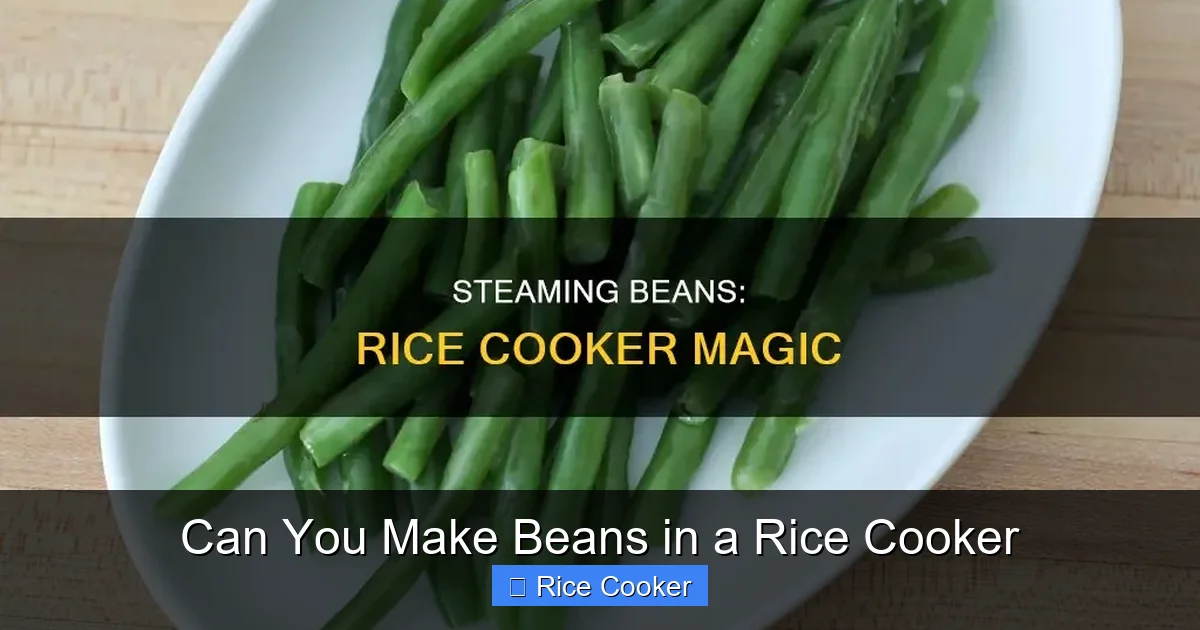
Can you make beans in a rice cooker? Absolutely! This kitchen hack saves time, energy, and effort while delivering tender, flavorful beans. Whether you’re cooking black beans, pinto beans, or lentils, your rice cooker can do the job just as well as a stovetop or slow cooker. It’s perfect for busy weeknights or meal prep, giving you nutritious, ready-to-use legumes without the guesswork.
Key Takeaways
- Yes, beans cook perfectly in a rice cooker. The appliance’s automated heating and timing ensure even cooking without constant monitoring.
- Soaking is optional but recommended. While some legumes can be cooked from dry, soaking overnight reduces cooking time and improves digestibility.
- Different beans need different settings. Black beans, chickpeas, and lentils all have unique textures and cook times—adjust accordingly.
- You can add flavor during cooking. Toss in garlic, cumin, bay leaves, or tomatoes to infuse beans with taste while they simmer.
- No need to drain excess liquid. Rice cookers keep beans submerged, so don’t worry about over-draining—they’ll stay moist and creamy.
- Meal prep friendly: Cook a big batch of beans at once, then store them in the fridge or freezer for quick meals all week.
- Saves time and energy: Skip the stovetop and let your rice cooker handle the heavy lifting while you focus on other tasks.
Quick Answers to Common Questions
Can you cook dried beans in a rice cooker?
Yes, dried beans cook beautifully in a rice cooker. Just add water, set the timer, and let the machine do the work. Soaking beforehand is optional but helps speed up the process.
Do I need to soak beans before cooking them in a rice cooker?
Not necessarily. Unsoaked beans will take longer to cook, but they’re perfectly fine if you forget to soak them. Soaking just reduces cook time and makes beans easier to digest.
What’s the best bean-to-water ratio for a rice cooker?
A good rule is 3 cups of water for every 1 cup of dry beans. Adjust based on how thick you like your final dish—more water = thinner texture.
Can I cook multiple types of beans together?
It’s possible, but not ideal. Different beans cook at different speeds. For best results, cook each type separately or choose beans with similar cook times.
How long does it take to cook beans in a rice cooker?
Generally, 60–90 minutes depending on the bean. Black beans take about 60 minutes; kidney beans may need up to 90. Always test for doneness near the end.
📑 Table of Contents
- Can You Make Beans in a Rice Cooker? Yes – And It’s Easier Than You Think
- The Science Behind Cooking Beans in a Rice Cooker
- Which Types of Beans Work Best in a Rice Cooker?
- Step-by-Step Guide: How to Make Beans in a Rice Cooker
- Flavor Hacks: Seasoning Beans Like a Pro
- Troubleshooting Common Bean-Cooking Problems
- Beyond Basic Beans: Creative Recipes to Try
- Energy-Saving Benefits of Using a Rice Cooker
- Final Thoughts: Why Every Kitchen Needs This Hack
Can You Make Beans in a Rice Cooker? Yes – And It’s Easier Than You Think
Imagine this: it’s a busy Tuesday evening, and you’re craving a hearty bowl of black bean soup or a side of refried beans for dinner. But you’re too tired to stand over a pot on the stove, stirring and checking for doneness. Or maybe you’re meal prepping for the week and want to save time while still eating healthy. Enter the humble rice cooker—a kitchen workhorse that’s quietly revolutionizing how we cook legumes.
For years, making beans meant hours of simmering, constant attention, and sometimes even burnt bottoms. But with a rice cooker, you can skip the fuss and still end up with perfectly tender, flavorful beans every single time. Whether you’re using dried beans or canned (though dried works best), your rice cooker can handle it. In fact, many home cooks swear by this method for its simplicity and consistency.
In this guide, we’ll walk you through everything you need to know about making beans in a rice cooker—from choosing the right beans to seasoning them like a pro. We’ll also share tips for beginners, troubleshooting advice, and even recipes to get you started. By the end, you’ll wonder why you ever used the stove for beans at all.
The Science Behind Cooking Beans in a Rice Cooker
Before we dive into the “how,” let’s talk about the “why.” Why does a rice cooker work so well for beans? The answer lies in its design and function. Most modern rice cookers use a combination of conduction heating and precise temperature control. Once the inner pot reaches a certain heat, the appliance automatically switches to a warming mode—keeping things cozy without boiling over or drying out.
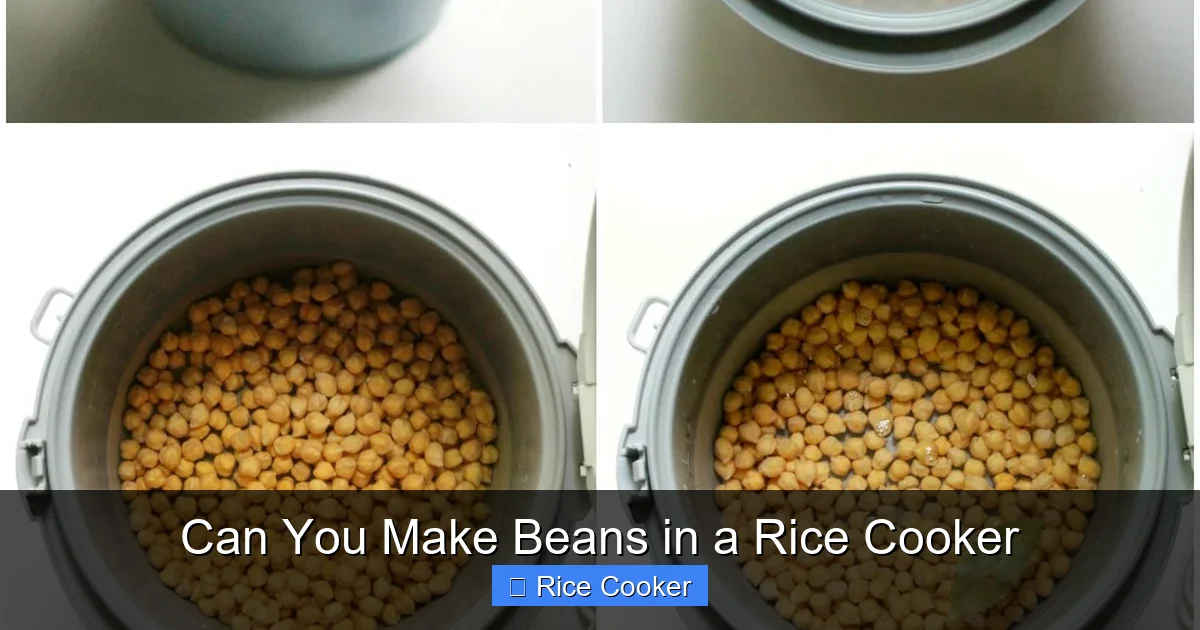
Visual guide about Can You Make Beans in a Rice Cooker
Image source: strengthandsunshine.com
How Heat Distribution Works
Rice cookers distribute heat evenly across the bottom and sides of the pot. This steady warmth allows beans to absorb water slowly and cook uniformly. Unlike stovetops, where heat sources are localized and can cause hot spots, rice cookers maintain a consistent environment. That means fewer chances of undercooked beans or mushy ones.
The Role of Steam and Moisture
Beans need moisture to soften their cell walls and release starches that give them their creamy texture. A rice cooker keeps beans submerged in water throughout the cooking process, ensuring they never dry out. Plus, the sealed lid traps steam, which helps speed up the cooking time slightly compared to open-pot methods.
Automation = Less Stress
One of the biggest advantages of using a rice cooker is automation. Set it and forget it—no more watching the clock or adjusting the flame. Just add your ingredients, press a button, and come back when the beep signals it’s done. This makes it ideal for people who want nutritious meals without the hassle.
Which Types of Beans Work Best in a Rice Cooker?
Not all beans are created equal—and neither are their cooking requirements. Some beans respond better to the rice cooker method than others. Here’s a breakdown of the most common types and how they perform:

Visual guide about Can You Make Beans in a Rice Cooker
Image source: i.pinimg.com
Black Beans
Black beans are among the easiest to cook in a rice cooker. They become soft, creamy, and perfect for soups, salads, or tacos. With or without soaking, they typically take 60–75 minutes to reach ideal tenderness.
Pinto Beans
Pinto beans have a slightly firmer texture and take a bit longer—usually 70–90 minutes. They’re great for burritos, chili, or refried beans. Soaking them first cuts down cooking time significantly.
Chickpeas (Garbanzo Beans)
Chickpeas can be tricky because of their dense structure. Soaking overnight is strongly recommended. Cook time ranges from 60 to 80 minutes. The result? Fluffy, protein-packed beans perfect for hummus or Mediterranean dishes.
Lentils
Lentils cook much faster than other beans—usually 25–40 minutes—and break down easily. They’re ideal for dals, soups, or veggie burgers. Since they fall apart quickly, avoid overcooking them.
Kidney Beans
Kidney beans require careful handling due to potential toxins if not cooked properly. Always soak them thoroughly and cook for at least 75 minutes to ensure safety. The rice cooker’s long cycle helps destroy harmful compounds naturally.
Navy Beans
These small white beans are excellent for baked beans or split pea soup. They cook quickly—about 45–60 minutes—and hold their shape well. Soaking isn’t always necessary, but it helps reduce gas-causing sugars.
Step-by-Step Guide: How to Make Beans in a Rice Cooker
Ready to try it yourself? Follow these simple steps to make foolproof beans every time:
1. Choose Your Beans
Start with dried beans if possible. Canned beans are convenient but may already be overcooked and lack texture. Rinse dried beans to remove debris before soaking (if applicable).
2. Soak (Optional but Recommended)
Soaking softens beans, shortens cook time, and reduces digestive discomfort. To soak: cover beans with 2–3 inches of cold water and let sit overnight. For quick soak, boil for 2 minutes, remove from heat, and let sit for 1 hour.
3. Add Ingredients to the Rice Cooker Pot
Place soaked (or unsoaked) beans in the inner pot. Add fresh water—use a ratio of 3 cups water per 1 cup dry beans. Include salt after 15 minutes of cooking (early salt hardens skins). Optional additions: onion, garlic, bay leaf, or tomato paste for flavor.
4. Select the Right Setting
Most rice cookers have a “Porridge” or “Rice” setting. Use this for beans. If your model has a “Slow Cook” option, you can use that too—just adjust timing accordingly.
5. Let It Cook
Close the lid and start the cycle. Do not lift the lid during cooking—it lets heat escape. Total time varies by bean type and size, but plan for 60–90 minutes.
6. Test for Doneness
When the cooker switches to warm, check a few beans. They should be tender but still hold their shape. If still firm, cook in 10-minute increments until done.
7. Drain and Store
Drain excess liquid if desired (though many prefer to keep it for soups or sauces). Cool completely before refrigerating or freezing. Beans last up to 5 days in the fridge or 3 months in the freezer.
Flavor Hacks: Seasoning Beans Like a Pro
Plain beans are fine—but seasoned ones? Divine. Here’s how to elevate your bean game:
Add Aromatics Early
Toss in an onion quarter, two cloves of garlic, or a sprig of rosemary before cooking. These aromatics infuse the beans as they simmer, creating deep, savory notes.
Use Spices Wisely
Cumin, smoked paprika, oregano, and chili flakes add warmth without overwhelming. Add them halfway through cooking to preserve potency.
Try Acid for Brightness
A splash of apple cider vinegar or lime juice at the end balances richness and wakes up dull flavors. Don’t add acid too early—it can toughen beans.
Make It Creamy Without Dairy
Add a spoonful of coconut milk or mashed potatoes during the last 10 minutes for a velvety texture. Perfect for vegan refried beans!
Bake Beans for Sweet & Savory Vibes
For classic baked beans, mix molasses, mustard, and brown sugar into the cooking liquid. Cook on high for 30 minutes after beans are done for caramelized sweetness.
Troubleshooting Common Bean-Cooking Problems
Even with the best tools, things don’t always go smoothly. Here’s how to fix common issues:
Beans Are Too Firm
This usually means they weren’t cooked long enough or weren’t soaked properly. Add more water, close the lid, and cook in 10-minute intervals until tender.
Beans Are Mushy
Overcooking causes breakdown. Check beans midway and remove from heat as soon as they’re al dente. Save extra liquid for soups.
Beans Taste Bland
Don’t add salt at the very beginning—it can prevent softening. Season toward the end instead. Also, deglaze the pot with broth or wine to lift stuck-on bits.
Water Evaporates Too Quickly
Some rice cookers lose moisture fast. Top off with hot water if needed, but avoid opening the lid frequently.
Gassy After Eating
Soaking removes oligosaccharides—the culprits behind flatulence. Try sprouting beans briefly or adding ginger or fennel seeds during cooking to aid digestion.
Beyond Basic Beans: Creative Recipes to Try
Once you master the basics, the possibilities expand. Here are three delicious ideas:
Spicy Southwest Beans
Cook black beans with diced onions, bell peppers, cumin, and a pinch of cayenne. Finish with a squeeze of lime and chopped cilantro. Serve over rice or in tacos.
Hearty Lentil Soup
Sauté carrots, celery, and garlic in olive oil. Add red lentils, vegetable broth, and thyme. Simmer until lentils break down. Blend half for creaminess.
Sweet Baked Beans
Mix navy beans with molasses, Dijon mustard, onion powder, and maple syrup. Cook until thickened. Great on burgers or as a side dish.
Energy-Saving Benefits of Using a Rice Cooker
Beyond convenience, cooking beans in a rice cooker is kinder to your wallet and the planet. Electric rice cookers use less energy than stovetops, especially induction models. Plus, batch-cooking beans reduces the need for processed canned versions, cutting plastic waste and sodium intake.
Final Thoughts: Why Every Kitchen Needs This Hack
Making beans in a rice cooker isn’t just a shortcut—it’s a smarter way to eat. It’s beginner-friendly, consistent, and adaptable to any diet. Whether you’re feeding a family, meal prepping for busy weeks, or exploring plant-based eating, this method delivers reliable results with minimal effort.
So next time you’re wondering, “Can you make beans in a rice cooker?”—answer with confidence: yes, absolutely. Your future self will thank you for trying it.
Frequently Asked Questions
===
Is it safe to cook beans in a rice cooker?
Yes, it’s completely safe. As long as beans are cooked to a rolling boil for at least 10 minutes (or cooked via the rice cooker’s full cycle), any harmful substances are neutralized.
Can I cook canned beans in a rice cooker?
Not recommended. Canned beans are already cooked and may become mushy or overdone. Use them as a shortcut in recipes, but don’t rely on them as your main ingredient.
Should I add salt at the beginning or end when cooking beans?
Add salt after the first 15 minutes of cooking. Adding it at the start can toughen the beans by hardening their skins, making them tougher to soften.
Can I freeze cooked beans made in a rice cooker?
Absolutely. Let them cool completely, then transfer to airtight containers or freezer bags. Label with dates—they’ll keep for up to 3 months.
Why do some beans float to the top during cooking?
This is normal. Beans absorb water unevenly, and lighter skins rise. Stir occasionally to redistribute them and ensure even cooking.
Can I use the same pot for rice and beans?
Yes, but clean it thoroughly between uses to avoid mixing flavors. Some people even cook rice and beans together—just add beans after the rice is nearly done.