
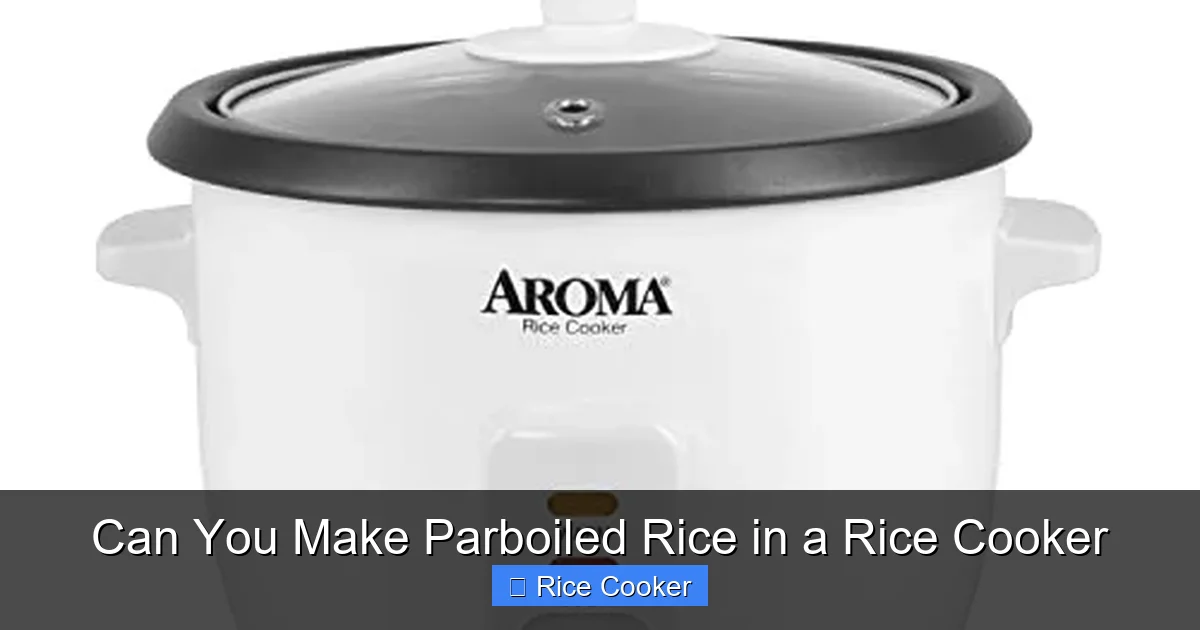
You absolutely can make parboiled rice in a rice cooker, and it’s easier than you think. With the right water-to-rice ratio and a few helpful tips, your rice cooker will deliver fluffy, flavorful grains every time. Parboiled rice is more nutritious and less sticky than regular white rice, making it a smart choice for meals.
Key Takeaways
- Yes, it’s possible: A standard rice cooker works perfectly for cooking parboiled rice—just use the correct water amount.
- Nutrition boost: Parboiled rice retains more vitamins, minerals, and fiber than white rice due to its pre-cooking process.
- Texture matters: It cooks faster and stays firmer than long-grain white rice, ideal for salads or pilafs.
- No special settings needed: Use the same method as brown rice or white rice on most models.
- Soaking helps: Soaking parboiled rice briefly can improve texture and reduce cooking time.
- Clean-up tip: Rinse rice before cooking to remove excess starch and prevent mushiness.
- Storage friendly: Cooked parboiled rice keeps well in the fridge for up to 5 days and reheats nicely.
[FEATURED_IMAGE_PLACEHOLDER]
# Can You Make Parboiled Rice in a Rice Cooker?
If you’re looking to switch up your grain game, parboiled rice might be just what you need. It’s not as common as white or brown rice, but it offers a unique texture, better nutrition, and surprising versatility in the kitchen. And here’s the good news: yes, you can absolutely make parboiled rice in a rice cooker. In fact, using a rice cooker is one of the easiest and most reliable ways to get consistently great results.
Unlike other types of rice that require careful monitoring, parboiled rice practically cooks itself—especially when you use a modern rice cooker with temperature control. Whether you’re meal prepping for the week, making a side dish for dinner, or experimenting with healthier swaps, parboiled rice is a fantastic option. In this article, we’ll walk you through everything you need to know: how to cook it perfectly, why it’s worth trying, and how to get the best flavor and texture from your rice cooker.
What Is Parboiled Rice?
Parboiled rice—also known as converted rice—undergoes a special processing method before milling. This process involves soaking rough (unmilled) rice grains in water, then partially steaming them under pressure, followed by drying. The result? A grain that’s firmer, less sticky, and packed with nutrients.
The key benefit of parboiling is that while the outer husk is removed like regular white rice, the nutrient-rich bran and germ stay intact during processing. That means even after polishing, parboiled rice retains more B vitamins, iron, and fiber than typical white rice. It’s also less likely to clump or turn mushy when cooked.
The Science Behind Parboiling
During the parboiling process, heat and pressure help push nutrients from the bran layer into the starchy endosperm. This changes the internal structure of the grain, making it denser and more resistant to breaking down during cooking. As a result, parboiled rice holds its shape better and absorbs less water—leading to a lighter, fluffier texture.
This also explains why parboiled rice doesn’t become as sticky as long-grain white rice. Its starches are partially gelatinized but remain distinct, which makes it ideal for dishes like rice salads, stir-fries, or stuffing recipes.
Can You Really Cook It in a Rice Cooker?
Absolutely! Most household rice cookers—whether basic, programmable, or high-end models—are fully capable of cooking parboiled rice. Unlike brown rice, which needs longer cooking times and sometimes extra water, parboiled rice fits neatly into standard white rice settings.
Here’s why a rice cooker is ideal:
– Automatic timing: No guesswork; the cooker detects when the rice is done.
– Even heating: Consistent temperatures ensure uniform cooking.
– No stirring required: Once you add water, let the machine do the work.
– Keep-warm function: Perfect for serving later without overcooking.
Most manufacturers don’t label their cookers specifically for parboiled rice, but that’s okay. The trick is knowing the right water ratio and giving the rice a quick rinse beforehand.
How Does It Compare to Other Rices?
| Rice Type | Water Ratio | Cooking Time | Texture After Cooking |
|—————–|————-|————–|—————————-|
| White Rice | 1:2 | 18–20 min | Soft, slightly sticky |
| Brown Rice | 1:2.5 | 40–50 min | Chewy, nutty |
| Parboiled Rice | 1:1.75 | 15–18 min | Fluffy, firm, separate |
As shown above, parboiled rice uses slightly less water than white rice and cooks faster than brown rice. This makes it a middle ground between convenience and nutrition.
Step-by-Step Guide: Making Parboiled Rice in a Rice Cooker
Ready to try it yourself? Follow these simple steps for foolproof results every time.
Ingredients & Tools You’ll Need
– 1 cup uncooked parboiled rice
– 1.75 cups water (adjust based on brand instructions)
– Fine-mesh strainer (for rinsing)
– Measuring cup
– Rice cooker
Optional: Salt, butter, or oil for added flavor
Step 1: Rinse the Rice
Rinsing removes surface starch that can cause clumping. Place the rice in a fine-mesh strainer and run it under cold water until the water runs clear. This usually takes about 30 seconds to a minute.
Pro tip: Don’t skip this step—even though parboiled rice is processed differently, rinsing still improves texture.
Step 2: Measure Water Accurately
Use a 1:1.75 ratio—one part rice to 1.75 parts water. For example:
– 1 cup rice = 1.75 cups water
– 2 cups rice = 3.5 cups water
Some brands may recommend slightly different ratios (check packaging), so adjust accordingly. Too much water leads to mushy rice; too little leaves it undercooked.
Step 3: Add Rice and Water to the Cooker
Pour rinsed rice into the inner pot of your rice cooker. Add measured water. If desired, stir in a pinch of salt or a teaspoon of oil for flavor.
Step 4: Start Cooking
Close the lid and press the “Cook” button. Most rice cookers have a “White Rice” setting, which works great for parboiled rice. Wait patiently—it typically takes 15–18 minutes.
Step 5: Let It Rest
Once the cycle ends, let the rice sit covered for 5–10 minutes. This allows steam to redistribute moisture evenly, resulting in fluffier grains.
Step 6: Fluff and Serve
Use a fork to gently fluff the rice. Avoid pounding or mashing—this keeps the grains intact.
And that’s it! You now have perfectly cooked, nutritious parboiled rice ready to enjoy.
Tips for Perfect Parboiled Rice Every Time
Even with the right recipe, small details matter when cooking parboiled rice. Here are some pro tips to elevate your results.
Soak the Rice Briefly (Optional)
While not required, soaking parboiled rice for 15–30 minutes before cooking can reduce cooking time slightly and improve tenderness. Just drain thoroughly afterward before adding water.
Don’t Overfill the Cooker
Stick to no more than two-thirds full to allow proper circulation of steam and heat. Overfilling can lead to uneven cooking.
Use Room-Temperature Ingredients
Cold rice or cold water can throw off cooking times. Let both come to room temperature before starting.
Check Your Water Level
If your rice cooker has markings inside, align the water level precisely. Visual estimation often leads to errors.
Avoid Opening the Lid During Cooking
Steam escapes when you lift the lid, disrupting the cooking process. Resist the urge unless absolutely necessary.
Store Leftovers Properly
Refrigerate cooked parboiled rice in an airtight container. It lasts up to 5 days and reheats beautifully in the microwave with a splash of water.
Why Choose Parboiled Rice Over Other Types?
You might wonder: “Why bother with parboiled when I already have brown or white rice?” Great question—and here’s why parboiled deserves a spot in your pantry.
Nutritional Edge
Because nutrients move into the core during parboiling, parboiled rice has significantly higher levels of thiamin (B1), niacin (B3), and folate compared to white rice. Studies show it may also have lower glycemic index values, helping stabilize blood sugar levels.
Better Texture for Specific Dishes
Its firm, separate grains make parboiled rice perfect for:
– Cold rice salads
– Stuffed bell peppers or tomatoes
– Rice pilafs with vegetables
– Fried rice where you want defined pieces
Unlike sticky sushi rice, parboiled holds its form without falling apart.
Faster Than Brown Rice
Brown rice takes nearly 50 minutes to cook. Parboiled rice finishes in under 20 minutes—a huge time-saver without sacrificing much nutritional value.
Less Prone to Overcooking
Thanks to its denser structure, parboiled rice resists mushiness even if left on “warm” too long. Ideal for busy families!
Cooking Stability
Once cooled, parboiled rice reheats evenly without becoming gummy—something many people struggle with when reheating leftover white rice.
Troubleshooting Common Issues
Even experienced cooks run into hiccups. Here’s how to fix common problems.
Problem: Rice Is Too Dry or Undercooked
Cause: Insufficient water or incorrect ratio
Solution: Next time, increase water by ¼ cup. Also, ensure your cooker isn’t set to “Quick Cook” mode, which reduces liquid absorption.
Problem: Rice Sticks Together
Cause: Not rinsing enough or too much starch released
Solution: Rinse thoroughly under running water. Also, avoid stirring after cooking—let it rest instead.
Problem: Rice Is Gummy or Mushy
Cause: Excess water or over-steaming
Solution: Reduce water slightly next batch. Also, check if your rice cooker’s thermostat is working properly—old models may overheat.
Problem: Burnt Bottom Layer
Cause: Uneven heat distribution or dirty inner pot
Solution: Clean the bottom of the inner pot regularly. Use non-abrasive cleaners only.
Problem: Rice Doesn’t Rise When Fluffed
Cause: Old or low-quality rice
Solution: Try a fresh bag. Some brands age poorly and lose texture over time.
Pairing Ideas: What Goes Well With Parboiled Rice?
One of the best things about parboiled rice is its adaptability. Here are tasty ways to serve it:
Simple Sides
– Garlic butter parboiled rice
– Lemon herb rice with parsley
– Coconut milk-infused rice (great with curries)
Meal Prep Bowls
Combine with grilled chicken, roasted veggies, avocado slices, and a tahini dressing for a balanced lunch.
Rice Salads
Mix with cherry tomatoes, cucumber, red onion, olives, feta cheese, and olive oil—perfect for summer meals.
International Flavors
– Spanish arroz con pollo (chicken and rice casserole)
– Middle Eastern tabbouleh-style mix (with bulgur or quinoa)
– Indian jeera rice (cumin-spiced parboiled rice)
Frequently Asked Questions
Is parboiled rice the same as converted rice?
Yes! “Converted rice” is another name for parboiled rice. Both refer to rice that’s been soaked, steamed, and dried before milling—giving it improved nutrition and texture.
Can I substitute parboiled rice for white rice in any recipe?
Mostly yes—but expect a firmer texture and slightly nuttier flavor. It works well in stir-fries, soups, and casseroles, though sushi or risotto recipes will need adjustments.
Does parboiled rice need to be refrigerated after cooking?
Not immediately—but once cooled, store it in the fridge within two hours. It keeps well for up to 5 days and reheats nicely.
Can I cook parboiled rice in a pressure cooker instead?
Absolutely! Use the same water ratio and set your pressure cooker to “Manual” or “Pilaf” mode for about 3 minutes (natural release). Results should be similar.
Is parboiled rice gluten-free?
Yes, plain parboiled rice is naturally gluten-free. Always check labels if processed in facilities that handle wheat, barley, or rye.
How do I make fried rice with parboiled rice?
Use day-old cooked parboiled rice. Heat oil in a wok, scramble eggs first, then add diced veggies and rice. Stir-fry with soy sauce, garlic, and ginger for a delicious twist.
Final Thoughts: Give It a Try!
Making parboiled rice in a rice cooker is simple, healthy, and incredibly satisfying. With just a few minutes of prep and zero constant supervision, you’ll have fluffy, nutrient-rich grains ready to eat. Whether you’re aiming to boost your family’s nutrition, reduce cooking time, or simply try something new, parboiled rice delivers on all fronts.
Next time you reach for white rice, consider switching to parboiled. Your body—and your taste buds—will thank you. And remember: your rice cooker isn’t just for white rice anymore. Expand its potential, experiment with flavors, and enjoy every bite of perfectly cooked parboiled rice.
Happy cooking!
This is a comprehensive guide about can you make parboiled rice in a rice cooker.
Key Takeaways
- Understanding can you make parboiled rice in a rice cooker: Provides essential knowledge
Frequently Asked Questions
What is can you make parboiled rice in a rice cooker?
can you make parboiled rice in a rice cooker is an important topic with many practical applications.