

You can absolutely microwave cook rice, and it’s faster than boiling on the stove! With simple steps like using the right water ratio and covering your dish properly, you’ll get fluffy, evenly cooked grains in minutes—no rice cooker needed. Whether you’re in a rush or just prefer quick meals, microwaving rice is a convenient and effective method.
Have you ever found yourself staring at a pot of boiling water, wondering if there’s an easier way to make rice? Or maybe you’re in a hurry and just need a quick side dish that doesn’t require babysitting the stove? Well, here’s some good news: yes, you can microwave cook rice, and it might just become your new go-to method. Microwaving rice is not only fast—it’s also simple, energy-efficient, and perfect for busy days. In this article, we’ll walk you through everything you need to know about microwaving rice, from the basics to pro tips that ensure perfectly fluffy results every time.
Whether you’re cooking for one, prepping meals for the week, or just want to try something different, mastering this skill will save you time and reduce kitchen mess. Let’s dive into how to make rice in the microwave like a pro!
Key Takeaways
- Microwaving rice is possible and efficient: It works well with short-grain and medium-grain varieties like jasmine or white rice.
- Proper water-to-rice ratio is essential: Use about 1.5 cups of water per cup of uncooked rice for best results.
- Cooking time varies by type: White rice typically takes 8–10 minutes; brown rice may need 12–15 minutes due to higher fiber content.
- Covering prevents drying: A lid or microwave-safe plastic wrap helps trap steam and ensures even cooking.
- Letting rice rest is crucial: Standing covered for 5 minutes after cooking allows moisture to distribute evenly.
- Safety first: Use microwave-safe containers and avoid metal; stir halfway through for uniform texture.
- Meal prep friendly: You can cook small batches and store leftovers for quick reheating later.
📑 Table of Contents
- Is It Safe to Cook Rice in the Microwave?
- Types of Rice That Work Best in the Microwave
- Essential Tools and Containers
- Step-by-Step Guide to Microwaving Rice
- Troubleshooting Common Microwave Rice Problems
- Tips for Perfect Microwaved Rice Every Time
- Microwaving Rice vs. Other Methods: Pros and Cons
- Creative Ways to Use Microwaved Rice
- Final Thoughts: Should You Microwave Rice?
Is It Safe to Cook Rice in the Microwave?
Before we get into the how-to, let’s talk about safety. Yes, it is absolutely safe to microwave rice—as long as you follow basic kitchen guidelines. The microwave is designed to heat food quickly and evenly, and rice responds well to this method when prepared correctly.
However, like any cooking technique, there are a few things to keep in mind. First, always use a container that’s labeled microwave-safe. Avoid metal containers or aluminum foil, which can cause sparks and damage your appliance. Second, be cautious when removing the lid—steam can build up inside, so open it away from your face to avoid burns.
Another important note: while microwaving rice is safe, leftover rice should be stored properly to prevent bacterial growth. Always refrigerate within two hours of cooking and reheat thoroughly before eating. But when handled correctly, microwaved rice is just as safe and delicious as stovetop or rice cooker versions.
Types of Rice That Work Best in the Microwave
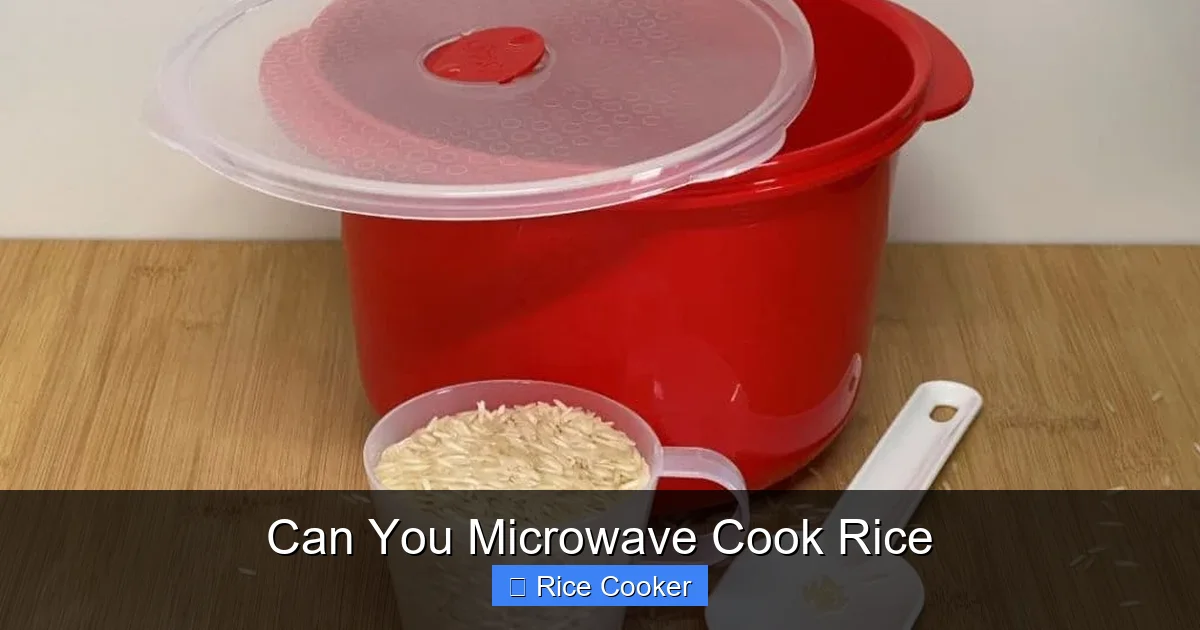
Visual guide about Can You Microwave Cook Rice
Image source: ovenspot.com
Not all rice is created equal, and some types respond better to microwaving than others. Here’s a breakdown of the most common varieties and how they perform:
White Rice
White rice, such as long-grain, medium-grain, or jasmine, is the easiest to cook in the microwave. Its starch structure allows it to absorb water quickly and cook evenly. Jasmine rice, in particular, becomes fragrant and tender when microwaved properly. Because white rice has been polished to remove the bran layer, it cooks faster and more predictably than whole grains.
Brown Rice
Brown rice takes longer to cook due to its higher fiber and nutrient content. The outer husk slows down water absorption, so you’ll need more time and slightly more water. While it’s possible to microwave brown rice, it requires a bit more attention—like stirring halfway through—to ensure even cooking.
Basmati and Long-Grain Varieties
Long-grain rice like basmati expands during cooking and develops a light, fluffy texture. These work great in the microwave if you use the right amount of water and allow for resting time. They’re ideal for dishes like biryani or pilaf.
Risotto and Short-Grain Rice
Short-grain rice, including risotto types, tends to be stickier and more starchy. While you *can* microwave risotto, it usually benefits from constant stirring on the stove for creaminess. However, for plain short-grain rice (like sushi rice), the microwave method works well.
In general, stick to white or lightly milled rice for the best microwave results. Experiment with small batches first to find what works best for your taste and setup.
Essential Tools and Containers
To microwave rice successfully, you don’t need fancy equipment—just a few key items:
– **Microwave-safe bowl or container**: Choose one with a lid or cover. Glass or ceramic works best.
– **Measuring cups and spoons**: Precision matters when mixing water and rice.
– **Wooden spoon or spatula**: For stirring, if needed.
– **Microwave-safe plate or cover**: Plastic wrap with a vent or parchment paper can help seal in steam.
Avoid plastic containers unless they’re specifically labeled for high-heat microwaving. Some plastics release harmful chemicals when heated. Glass is the safest and most reliable option.
Also, consider using a container with a tight-fitting lid. This traps steam, which is crucial for tender, moist rice. If you don’t have one, loosely cover with damp paper towels or microwave-safe plastic wrap, poking a few holes for ventilation.
Step-by-Step Guide to Microwaving Rice
Now, let’s get practical. Follow these easy steps to cook perfect rice in the microwave:
1. Measure Your Ingredients
For every 1 cup of uncooked rice, use 1.5 cups of water. So if you’re cooking 2 cups of rice, use 3 cups of water. Adjust slightly based on your rice type—brown rice may need a bit more.
2. Combine Rice and Water
Place the rice and water in a microwave-safe bowl. Stir once to mix, then smooth the top with your fingers.
3. Cover the Bowl
Loosely cover with a microwave-safe lid, plastic wrap, or even a folded damp paper towel. Leave a small vent if using plastic wrap to let steam escape.
4. Cook on High
Microwave on high power. Timing depends on the rice:
– White rice: 8–10 minutes
– Brown rice: 12–15 minutes
– Jasmine or basmati: 9–11 minutes
Set a timer and avoid opening the door frequently, as this lets heat escape.
5. Stir (Optional)
For extra evenness, stir the rice halfway through cooking. This helps prevent clumping and ensures all grains absorb moisture uniformly.
6. Let It Rest
Once done, turn off the microwave and let the rice sit, covered, for 5 minutes. This allows steam to finish cooking the grains and makes fluffing easier.
7. Fluff and Serve
Use a fork to gently fluff the rice. Add a pat of butter or splash of milk if desired for extra creaminess.
And that’s it! In under 15 minutes, you’ve got hot, fresh rice ready to serve.
Troubleshooting Common Microwave Rice Problems
Even with the best technique, mistakes happen. Here’s how to fix common issues:
Rice Is Too Wet or Mushy
This usually means too much water or overcooking. Next time, reduce water by ¼ cup and check for doneness earlier. Taste-test a grain—if it’s still hard, cook a minute longer; if soft, it’s done.
Rice Is Dry or Starchy
Too little water or insufficient resting time causes dryness. Increase water slightly and always let the rice sit covered after cooking. Adding a teaspoon of oil or butter during cooking can also prevent sticking.
Gritty or Undercooked Grains
Old or low-quality rice can affect texture. Fresh rice cooks more evenly. Also, rinsing rice before cooking removes excess starch and prevents gumminess.
Rice Sticks to the Container
Use a non-stick bowl or add a teaspoon of oil or butter to the water. Stirring halfway helps too.
Uneven Cooking
Stirring halfway ensures even heat distribution. Smaller batches cook more consistently than large ones.
With practice, these issues become easy to avoid. Keep notes on what works for your setup!
Tips for Perfect Microwaved Rice Every Time
Want to take your microwave rice game to the next level? Try these expert tips:
– **Rinse the rice** before cooking to remove surface starch and improve texture.
– **Add flavor** by cooking rice in broth instead of water. Chicken or vegetable broth adds richness.
– **Season after cooking**—salt, pepper, or herbs go best when added post-cooking to avoid uneven seasoning.
– **Use a microwave timer** so you don’t forget to check the rice.
– **Cook in batches** if making large quantities. Smaller portions cook more evenly.
– **Store leftovers properly**—cool completely, then refrigerate in an airtight container for up to 5 days.
– **Reheat with a splash of water**—microwaved rice can dry out. Add a teaspoon of water per cup and cover while reheating.
These small tweaks make a big difference in taste and consistency.
Microwaving Rice vs. Other Methods: Pros and Cons
How does microwaving rice stack up against traditional methods?
Microwave
Pros: Fast, hands-off, energy-efficient, minimal cleanup.
Cons: Less control over texture, risk of uneven cooking if not monitored.
Stovetop (Boiling)
Pros: More control, consistent results, ideal for risotto.
Cons: Requires supervision, takes longer, uses more energy.
Rice Cooker
Pros: Automated, foolproof, great for meal prep.
Cons: Requires special equipment, not always available.
Instant Pot or Pressure Cooker
Pros: Extremely fast, tender rice, great for brown rice.
Cons: Learning curve, noise, cost.
For speed and convenience, the microwave wins. For precision and flavor development, stovetop or rice cooker may be better. But for everyday needs, microwaving is a solid choice.
Creative Ways to Use Microwaved Rice
Don’t just stop at plain white rice! Microwaved rice can be the base for countless dishes:
– **Fried Rice**: Sauté cooked rice with soy sauce, vegetables, and egg.
– **Rice Pudding**: Mix rice with milk, sugar, cinnamon, and raisins. Cook until thickened.
– **Sushi Bowls**: Layer rice with avocado, cucumber, and tamago.
– **Risotto-style Dishes**: Finish with warm broth and Parmesan cheese.
– **Pilaf**: Toast rice briefly, then cook with onions and spices.
The microwave method gives you a quick, clean base for creative cooking.
Final Thoughts: Should You Microwave Rice?
So, can you microwave cook rice? Absolutely. It’s a fast, reliable, and surprisingly effective method that fits into any busy lifestyle. While it may not replace your rice cooker for meal prep, it’s perfect for quick dinners, last-minute sides, or when you don’t want to use the stove.
With the right tools, technique, and a little practice, you’ll be making restaurant-quality rice in minutes. Plus, it saves water and energy compared to boiling on the stove.
Give it a try today. Start with a small batch, follow the steps, and soon you’ll wonder why you didn’t do it sooner. Happy cooking!
Frequently Asked Questions
Can you cook rice in the microwave without a rice cooker?
Yes, you can absolutely microwave cook rice without a rice cooker. Using a microwave-safe bowl, proper water ratios, and following the right steps, you can achieve fluffy, evenly cooked rice quickly and easily.
How much water do I need to microwave rice?
Use 1.5 cups of water for every 1 cup of uncooked rice. Adjust slightly for rice type—brown rice may need a bit more water due to its higher fiber content.
Do I need to rinse rice before microwaving?
Yes, rinsing rice before cooking removes excess starch and prevents it from becoming sticky or gummy. Rinse under cold water until the water runs clear.
How long does it take to cook rice in the microwave?
White rice typically takes 8–10 minutes on high power. Brown rice needs 12–15 minutes. Always let the rice rest for 5 minutes after cooking for best results.
Can you cook brown rice in the microwave?
Yes, but it requires more time and careful monitoring. Brown rice absorbs water slower, so use slightly more water and stir halfway through for even cooking.
How do you reheat microwaved rice?
Place rice in a microwave-safe container, add a teaspoon of water per cup, cover, and reheat on medium power for 1–2 minutes, stirring halfway through.