

Can you microwave rice to cook it? Absolutely—microwaving is a fast, convenient way to prepare rice when you’re short on time. With the right technique and a microwave-safe container, you can achieve tender, fluffy grains in minutes. Whether you’re cooking white rice, brown rice, or leftover grains, mastering the microwave method saves time without sacrificing quality.
Have you ever been craving rice but realized your rice cooker was out of order? Or maybe you just need a quick meal and don’t want to wait 30 minutes for the stove to heat up? If so, you’ve probably wondered: can you microwave rice to cook it? The short answer? Yes, absolutely. Microwaving rice is not only possible—it’s one of the fastest and most convenient ways to prepare it, especially when you’re in a pinch. Whether you’re making a small batch of plain white rice, fluffy brown rice, or even seasoned dishes like biryani or fried rice, the microwave can handle it all with the right technique.
In this comprehensive guide, we’ll walk you through everything you need to know about microwaving rice—from basic cooking methods to troubleshooting common issues. You’ll learn why microwaving works, how long to cook different types of rice, and expert tips to make your rice perfectly fluffy every single time. So grab your favorite grain and let’s get started!
Key Takeaways
- Rice can be safely cooked in a microwave. Using a microwave-safe dish and proper water ratio ensures even cooking and prevents burning.
- White rice cooks faster than brown rice. Brown rice requires longer times and more water due to its higher fiber content and outer bran layer.
- Always use a lid or vented cover. Covering traps steam, which helps cook rice evenly and prevents evaporation.
- Let rice rest after microwaving. Standing for 5–10 minutes allows moisture to distribute evenly, improving texture.
- Stirring halfway helps prevent hot spots. For best results, pause and stir the rice during cooking to ensure uniform doneness.
- Reheating leftover rice is easy. Add a splash of water and heat in short intervals to avoid drying out.
- Microwave power levels matter. Use high power for faster cooking, but reduce to medium if the rice starts to boil over.
Quick Answers to Common Questions
How long does it take to cook rice in the microwave?
It depends on the type of rice. White rice takes about 10–12 minutes on high power, while brown rice needs 18–25 minutes. Always check for doneness and adjust as needed.
Do I need to soak rice before microwaving?
Soaking is optional and mainly helps with very hard grains like wild rice. Most white and brown rices don’t require it—just rinse and proceed.
Can I cook rice directly in a plastic container?
Only if it’s labeled microwave-safe. Regular plastic can melt or release harmful chemicals. Use glass, ceramic, or BPA-free containers instead.
Why is my rice sticky?
Sticky rice usually results from too much water, insufficient rinsing, or overcooking. Try reducing water by 1–2 tablespoons and rinsing the rice before cooking.
Is microwaved rice safe to eat?
Yes, as long as you use clean water, proper ratios, and safe containers. Always ensure the rice is fully cooked and reheat leftovers promptly.
📑 Table of Contents
- Why Choose the Microwave for Cooking Rice?
- Types of Rice and Their Microwave Needs
- Step-by-Step Guide: How to Cook Rice in the Microwave
- Tips for Perfect Microwave Rice Every Time
- Cooking Rice for Specific Dishes
- Common Mistakes and How to Fix Them
- Reheating Leftover Rice Safely
- Energy Efficiency and Microwaving Rice
- Alternatives to Microwaving Rice
- Conclusion: Yes, You Can Microwave Rice to Cook It—and It Works Great!
Why Choose the Microwave for Cooking Rice?
Cooking rice on the stovetop has long been the traditional method, and for good reason—it gives you control over heat and allows for gentle simmering. But life doesn’t always follow tradition. Sometimes, you’re in a dorm room without a stove, camping, or simply don’t have time to stand over a pot. That’s where the microwave shines. It’s compact, energy-efficient, and surprisingly effective at transforming raw rice into a delicious side dish.
Microwaves work by exciting water molecules, generating heat that cooks the starch and gelatinizes the rice grains. When done correctly, this process produces tender, separated grains that are just as tasty as those cooked on the stove. Plus, microwaving uses less water than other methods, which means fewer calories and less cleanup. And let’s be honest—who doesn’t love a one-pot (or rather, one-container) solution?
Types of Rice and Their Microwave Needs
Visual guide about Can You Microwave Rice to Cook It
Image source: ovenspot.com
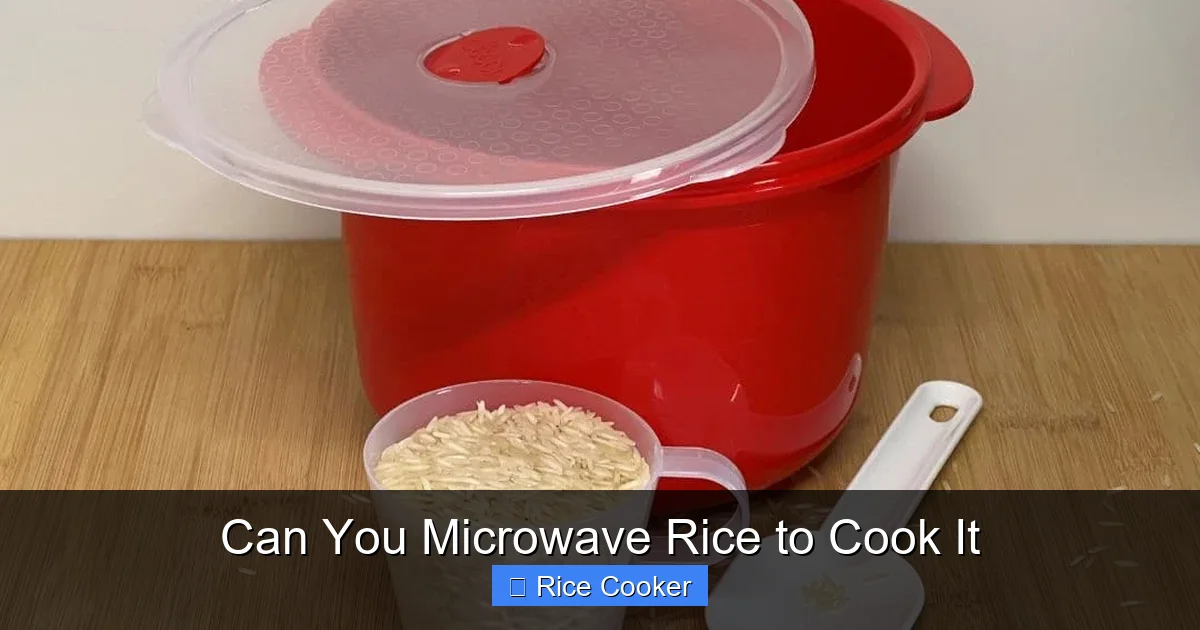
Not all rice is created equal—and neither are their microwave requirements. The type of rice you choose affects cooking time, water ratio, and overall outcome. Here’s a breakdown of the most common varieties and how they behave in the microwave:
White Rice (Long-Grain)
White long-grain rice, such as jasmine or basmati, is the most popular choice for microwave cooking. It has a lower starch content than brown rice, which means it stays fluffy and separate when cooked properly. Because of its thin bran layer, it absorbs water quickly and cooks faster than other types.
For white rice, a typical ratio is 1 cup of uncooked rice to 1.5 cups of water. This ensures the grains stay moist without becoming mushy. White rice usually takes about 10–12 minutes on high power, depending on your microwave’s wattage.
Brown Rice
Brown rice is nutritious but tougher to cook because of its outer bran layer, which slows down water absorption. To cook brown rice in the microwave, you’ll need more water—about 1 cup of rice to 2.5 cups of water. The cooking time also increases significantly, typically requiring 18–25 minutes on high power.
Because of the extra time and water, some people find it easier to use a rice cooker for brown rice. However, with patience and attention, the microwave can deliver excellent results.
Instant Rice
Instant rice, often sold in pouches or cups, is pre-cooked and dried. To “cook” it in the microwave, you simply add boiling water or follow package instructions. Since it’s already partially cooked, it rehydrates in just 3–5 minutes. This makes it ideal for emergency meals or backpacking.
Specialty Rices (Black, Red, Wild)
Rices like black or red varieties have unique flavors and textures. They generally require similar cooking times to brown rice but may benefit from slightly longer soaking before microwaving. Wild rice, for example, can take up to 30 minutes in the microwave due to its hard outer shell.
Step-by-Step Guide: How to Cook Rice in the Microwave
Visual guide about Can You Microwave Rice to Cook It
Image source: ovenspot.com
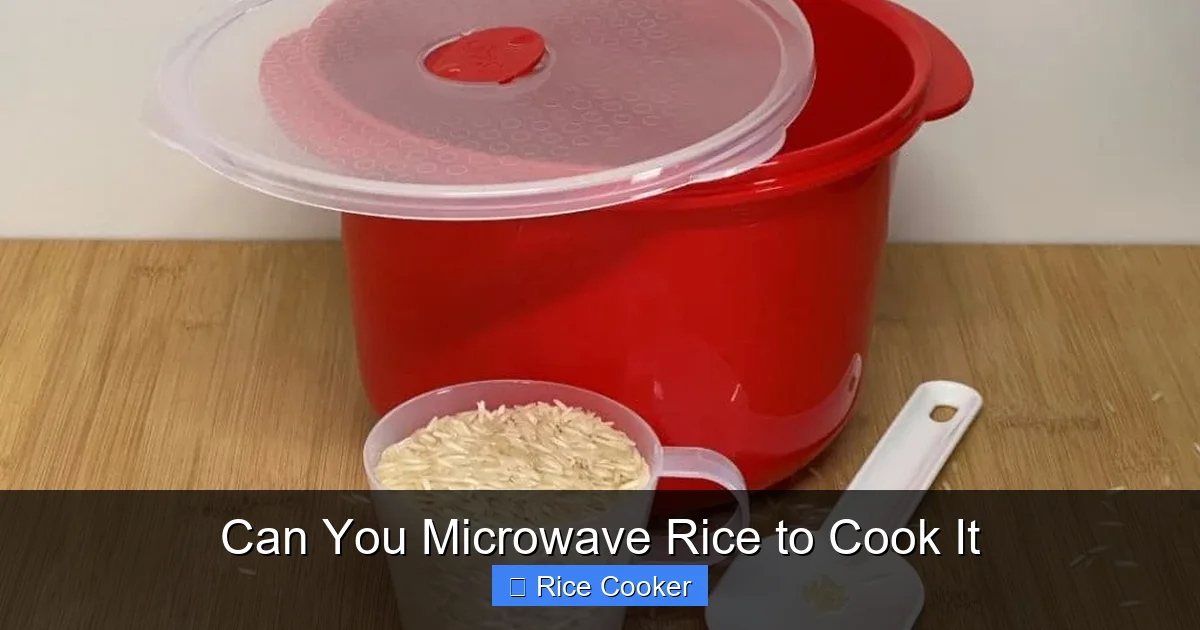
Ready to try it yourself? Follow these simple steps to cook perfect rice in under 20 minutes:
What You’ll Need
- Microwave-safe bowl (with a lid or plastic wrap)
- 1 cup uncooked rice
- Appropriate amount of water (varies by rice type)
- Fork or spoon for stirring
- Towel or oven mitt (for handling hot container)
Step 1: Rinse the Rice (Optional but Recommended)
Rinsing removes excess starch and prevents clumping. Place the rice in a fine-mesh strainer and rinse under cold running water until the water runs clear.
Step 2: Combine Rice and Water
Add the rinsed rice to a microwave-safe bowl. Pour in the correct amount of water based on the type of rice you’re using. Stir gently to combine.
Step 3: Cover the Bowl
Cover the bowl with a microwave-safe lid or tightly stretch plastic wrap, leaving a small vent for steam to escape. This traps moisture and helps cook the rice evenly.
Step 4: Microwave on High
Start with high power. For white rice, microwave for 10 minutes. For brown rice, start with 15 minutes. After half the total time, open the microwave and stir the rice gently to redistribute moisture and prevent hot spots.
Step 5: Let It Rest
Once done, remove the bowl carefully (use oven mitts!). Let it sit covered for 5–10 minutes. This resting period allows the rice to absorb any remaining water and firms up the texture.
Step 6: Fluff and Serve
Use a fork to fluff the rice gently. Add salt, butter, or herbs if desired. Serve immediately.
Tips for Perfect Microwave Rice Every Time
Even with the right recipe, things can go wrong—rice can be undercooked, mushy, or burnt. Here are some pro tips to help you master microwave rice:
Use the Right Container
Choose a bowl large enough to allow the rice to expand. Avoid metal containers—they can cause sparks. Glass or microwave-safe ceramic works best.
Don’t Overfill
Too much rice leads to uneven cooking. A 1-cup batch is ideal for most standard microwaves. Larger quantities may require longer times or multiple batches.
Adjust for Microwave Wattage
Most home microwaves are between 700–1200 watts. If yours is on the lower end, increase cooking time by 1–2 minutes. If it’s high-powered, reduce time slightly.
Stir Gently
Stirring halfway helps break up clumps and ensures even heat distribution. Be careful not to mash the grains.
Check for Doneness
After microwaving, test a few grains. They should be tender but still have a slight bite. If not, return to the microwave in 1-minute increments.
Add Flavor
Infuse your rice with flavor by cooking it in broth instead of water. Chicken, vegetable, or even coconut milk adds richness.
Cooking Rice for Specific Dishes
Microwaving isn’t just for plain rice—you can use it to prepare entire meals:
Mediterranean Rice Bowls
Cook white rice with a splash of olive oil and lemon juice. Top with grilled chicken, olives, tomatoes, and feta cheese. Ready in 15 minutes!
Mexican Cilantro Lime Rice
Microwave rice with lime zest, fresh cilantro, and a bit of garlic powder. Pair with tacos or enchiladas.
Fried Rice (No-Fry Method)
Cook rice as usual, then microwave with soy sauce, scrambled eggs, peas, and diced vegetables. Stir well and serve hot.
One-Pot Meals
Combine rice, protein, and veggies in a microwave-safe casserole dish. Season and cover. Cook for 20–25 minutes for a complete dinner.
Common Mistakes and How to Fix Them
Even experienced cooks make mistakes. Here’s how to fix them:
Mushy Rice
Cause: Too much water or overcooking.
Fix: Next time, reduce water by 1–2 tablespoons and shorten cooking time. Drain excess liquid if needed.
Undercooked Grains
Cause: Insufficient water or low power.
Fix: Add more water (1/4 cup at a time) and continue microwaving in 1-minute bursts.
Burnt Bottom Layer
Cause: Uneven heating or uncovered cooking.
Fix: Always use a lid. Stir halfway through and consider rotating the bowl.
Rice Sticking to the Bowl
Cause: Not enough water or poor surface contact.
Fix: Use a non-stick microwave-safe bowl and ensure full submersion of rice.
Reheating Leftover Rice Safely
Leftover rice can be reheated in the microwave—but safety first! Never reheat rice more than once. Here’s how:
1. Place rice in a microwave-safe dish.
2. Add 1–2 teaspoons of water per cup to prevent drying.
3. Cover with a damp paper towel or lid.
4. Microwave on high for 1–2 minutes per cup, stirring in between.
5. Check temperature and heat in short bursts if needed.
Always ensure the internal temperature reaches at least 165°F (74°C) to kill potential bacteria.
Energy Efficiency and Microwaving Rice
Compared to stovetop cooking, microwaving rice uses significantly less energy. A 1000-watt microwave uses about 1000 watts per hour, while a gas stove can consume 10,000 BTUs (roughly equivalent to 3000 watts). That means microwaving saves energy and reduces your carbon footprint—especially for small batches.
Additionally, microwaving requires less water and shorter cooking times, which further conserves resources. If you’re looking to eat smarter and greener, the microwave is a great tool.
Alternatives to Microwaving Rice
While microwaving is convenient, other methods have their perks:
Stovetop
Best for large batches or when you want precise control. Simmer rice slowly for creamy results.
Electric Rice Cooker
The gold standard for consistent, foolproof rice. Ideal for meal prep and long-grain varieties.
Pressure Cooker
Cooks rice in under 10 minutes. Great for busy weeknights but requires special equipment.
Each method has pros and cons, but microwaving wins in speed and simplicity.
Conclusion: Yes, You Can Microwave Rice to Cook It—and It Works Great!
So, can you microwave rice to cook it? The answer is a resounding yes. With the right technique, timing, and tools, you can produce fluffy, flavorful rice in under 20 minutes. Whether you’re cooking white rice, brown rice, or experimenting with specialty grains, the microwave offers a quick, energy-efficient alternative to traditional methods.
From dorm rooms to camping trips, from meal prep to last-minute dinners, microwaving rice opens up a world of possibilities. Just remember to use the right water ratio, cover your bowl, stir halfway, and let it rest. With practice, you’ll never look back.
Next time you’re craving rice and don’t have a rice cooker, reach for your microwave. Your taste buds (and your schedule) will thank you.
Frequently Asked Questions
Can you cook rice in a microwave without a rice cooker?
Absolutely. A microwave-safe bowl, water, and a lid are all you need. Just follow the right water-to-rice ratio and cooking time for your grain type.
How much water do I use for 1 cup of rice in the microwave?
For white rice, use 1.5 cups of water. For brown rice, use 2.5 cups. These ratios ensure tender, not mushy, results.
Should I cover the rice while microwaving?
Yes. Covering traps steam, which helps cook the rice evenly and prevents evaporation. Use a lid or vented plastic wrap.
Can I add seasonings to rice while microwaving?
Yes. Add salt, herbs, or spices before cooking. For richer flavor, cook rice in broth instead of plain water.
How do I stop rice from boiling over in the microwave?
Use a larger container and avoid filling it beyond halfway. Also, reduce power to medium if it starts bubbling vigorously.
Is microwave rice healthier than boiled rice?
Nutritionally, there’s no difference. Microwaving preserves nutrients better due to shorter cooking time, but both methods are equally healthy.