
Can you put beans in a rice cooker? Absolutely—and it’s one of the easiest ways to prepare hearty, nutritious meals with minimal effort. Whether you’re making chili, burritos, or a simple bean stew, your rice cooker can handle legumes just fine. With the right technique, beans come out tender and flavorful without overcooking. This guide walks you through everything you need to know to cook beans successfully in your rice cooker.
Key Takeaways
- Yes, beans work great in rice cookers: Most rice cookers can cook dried beans when used properly, saving time and effort compared to stovetop methods.
- Pre-soaking is optional but helpful: While not required, soaking beans overnight reduces cooking time and helps prevent digestive discomfort.
- Use the correct water ratio: A general rule is 3 parts water to 1 part dry beans, but adjust based on bean type and desired texture.
- Cook time varies by bean: Beans like black beans may take 60–75 minutes, while lentils or smaller beans cook faster—under 45 minutes.
- Add flavor during cooking: Toss in garlic, onion, cumin, or bay leaves to infuse beans with rich taste as they cook.
- Pressure cooker mode isn’t always needed: Most standard rice cookers use slow simmering, which works well for most bean varieties.
- Always let beans rest after cooking: Allowing them to sit for 10–15 minutes helps absorb excess moisture and improves texture.
Have you ever looked at a pot of dried beans on the stove, simmering slowly for hours, and thought, “There has to be an easier way”? Enter the humble rice cooker—a kitchen appliance many people associate only with fluffy white rice. But here’s a secret: you can absolutely put beans in a rice cooker, and doing so can transform your meal prep routine.
Whether you’re a busy parent, a college student, or someone who simply loves convenience, using your rice cooker for beans opens up a world of possibilities. From creamy refried beans to protein-packed black bean tacos, this method delivers consistent results with minimal supervision. Plus, it frees up your stovetop for other dishes—making it ideal for large family dinners or batch cooking.
In this comprehensive guide, we’ll walk you through everything you need to know about cooking beans in a rice cooker. You’ll learn the science behind why it works, how to avoid common pitfalls, and creative recipe ideas that go beyond plain beans. By the end, you’ll wonder why you didn’t try this sooner.
Key Takeaways
- Understanding can you put beans in a rice cooker: Provides essential knowledge
📑 Table of Contents
- Why Use a Rice Cooker for Beans?
- Types of Beans That Work Well in a Rice Cooker
- Step-by-Step Guide: How to Cook Beans in a Rice Cooker
- Common Mistakes to Avoid
- Flavor-Boosting Tips and Tricks
- Creative Recipes Using Rice Cooker Beans
- How Long Does It Take to Cook Beans in a Rice Cooker?
- Can You Cook Different Types of Beans Together?
- Storing and Reheating Leftover Beans
- Final Thoughts: Is Cooking Beans in a Rice Cooker Worth It?
Why Use a Rice Cooker for Beans?
Before diving into recipes or techniques, let’s talk about why this method is so appealing. Rice cookers are designed to maintain a steady temperature—typically between 185°F and 212°F (85°C to 100°C)—which is perfect for slow-cooking beans. Unlike boiling, which can cause beans to break apart, the gentle heat of a rice cooker helps them cook evenly and retain their shape.
Another major advantage is automation. Once you set it up, the rice cooker does the rest. No constant stirring, no worrying about burning or undercooking. Just add ingredients, press a button, and come back hours later to perfectly cooked beans ready to eat or store.
For those following plant-based diets, beans are a nutritional powerhouse—packed with fiber, protein, iron, and complex carbohydrates. Cooking them efficiently means you can enjoy these benefits more often without spending all day in the kitchen. And because rice cookers often have delay timers and keep-warm functions, you can schedule bean cooking to fit your schedule.
Types of Beans That Work Well in a Rice Cooker
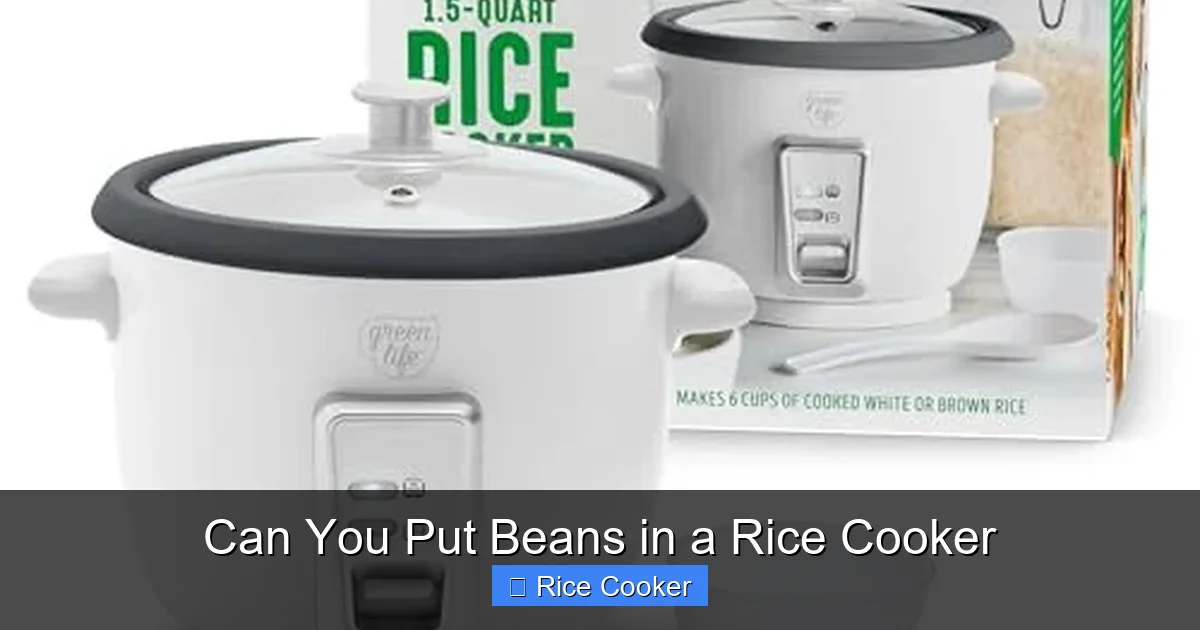
Visual guide about Can You Put Beans in a Rice Cooker
Image source: m.media-amazon.com
Not all beans are created equal when it comes to rice cooker cooking. Some respond better to the method than others. Here’s a breakdown of the most popular beans and what to expect:
Dry Beans (Like Black Beans, Kidney Beans, Pinto Beans)
These are the stars of the show. When cooked properly in a rice cooker, dry beans become tender, creamy, and full of flavor. They’re ideal for soups, stews, dips, and Mexican dishes. Because they start hard and dry, they need longer cooking times—usually between 60 and 90 minutes—but the payoff is worth it.
Lentils
Lentils cook much faster than dried beans—often in 30 to 45 minutes. Their small size and soft texture make them perfect for rice cookers. Red lentils tend to break down more, creating a thicker consistency, while green or brown lentils hold their shape better.
Chickpeas (Garbanzo Beans)
These versatile legumes take about 75 to 90 minutes in a rice cooker. They’re excellent for hummus, salads, or Mediterranean-style dishes. Soaking them beforehand can reduce cooking time and improve digestibility.
Small-Size Legumes (Like Split Peas or Soybeans)
Split peas cook relatively quickly—around 45 minutes—and are great for soups. Soybeans require longer soaking (at least 12 hours) and extended cooking (up to 2 hours) due to their dense structure.
Avoid using canned beans in the rice cooker unless you’re reducing liquid or adding them to a dish mid-cooking. Canned beans are already cooked and may become mushy if reheated too long.
Step-by-Step Guide: How to Cook Beans in a Rice Cooker
Ready to give it a try? Follow these simple steps for foolproof results every time.
Step 1: Choose Your Beans and Measure
Start with dry beans unless otherwise noted. For best results, measure out the amount you plan to use and note that dry beans expand significantly during cooking. A good rule of thumb is to double the volume.
Step 2: Optional – Soak the Beans
Soaking isn’t mandatory, but it helps reduce cooking time and makes beans easier to digest. To soak:
– Cover beans with 3 inches of cold water.
– Let them sit overnight (8–12 hours), or use the quick-soak method: bring to a boil for 2 minutes, then remove from heat and soak for 1 hour.
Drain and rinse before cooking.
Step 3: Add Water and Ingredients
Use a 3:1 ratio of water to beans (e.g., 3 cups water for 1 cup beans). Too little water risks burning; too much dilutes flavor. Add aromatics like onion slices, garlic cloves, bay leaves, or spices such as cumin or oregano for extra depth.
Step 4: Set the Mode
Most rice cookers have a “Cook” or “Manual” setting. Avoid the “Keep Warm” function until the beans are fully cooked. If your model has a “Slow Cook” or “Bean” setting, use that—it mimics traditional pot cooking.
Step 5: Start Cooking
Press start and let the magic happen. Resist the urge to open the lid frequently—each opening lowers internal temperature and extends cooking time.
Step 6: Test for Doneness
After the cycle ends, check a few beans. They should be tender but not mushy. If still firm, close the lid and cook for another 15–30 minutes on manual or high heat.
Step 7: Rest and Store
Once done, turn off the cooker and let beans sit for 10–15 minutes. This allows flavors to meld and excess water to redistribute. Store leftovers in an airtight container in the fridge for up to 5 days or freeze for longer storage.
Common Mistakes to Avoid
Even experienced cooks can run into trouble when first trying rice cooker beans. Here are the most frequent errors—and how to fix them.
Mistake #1: Not Using Enough Water
Underwatering leads to burnt beans stuck at the bottom. Always follow the 3:1 water-to-bean ratio as a starting point. Adjust slightly based on your cooker’s size and model.
Mistake #2: Skipping the Soak (When Needed)
While not always necessary, skipping the soak increases cooking time and may result in unevenly cooked beans. Especially with larger beans like kidney or pinto, soaking makes a noticeable difference.
Mistake #3: Opening the Lid Too Often
Each time you open the lid, heat escapes. For beans that need long cooking times, this can add 20–30 minutes to the process. Only open when absolutely necessary.
Mistake #4: Adding Salt Too Early
Salt draws out moisture and can toughen beans. Wait until near the end of cooking to season, or add it halfway through.
Mistake #5: Using Canned Beans as a Substitute
Canned beans are pre-cooked and won’t benefit from further cooking in the rice cooker. Save them for recipes where texture matters less, like bean dips.
Flavor-Boosting Tips and Tricks
Plain beans are nutritious but can lack complexity. Here’s how to elevate their taste using simple additions.
Add Aromatics
Sauté onions, garlic, and celery in oil before adding beans and water. This builds a flavorful base. Alternatively, drop whole cloves, cinnamon sticks, or star anise into the cooker for subtle warmth.
Use Broth Instead of Water
Replace some of the water with vegetable, chicken, or beef broth. This adds umami and richness without extra effort.
Spice It Up
Mexican-style beans get a kick from cumin, chili powder, and a pinch of cayenne. Indian-inspired versions shine with turmeric, coriander, and ginger. Mediterranean beans pair beautifully with thyme, rosemary, and lemon zest.
Finish with Acid
A splash of lime juice or red wine vinegar after cooking brightens the flavor and balances richness.
Blend for Creaminess
For refried beans or bean purees, cook beans until very soft, then blend with a little cooking liquid, olive oil, and salt until smooth.
Creative Recipes Using Rice Cooker Beans
Now that you know the basics, let’s explore some tasty ideas.
Black Bean Chili
Combine 1 cup black beans, 2 cups vegetable broth, 1 chopped onion, 2 minced garlic cloves, 1 tsp cumin, ½ tsp smoked paprika, and a diced jalapeño. Cook for 75 minutes. Serve over rice with avocado and cilantro.
Hearty Lentil Stew
Sauté carrots, celery, and potatoes in the rice cooker insert. Add 1 cup green lentils, 3 cups broth, 1 bay leaf, and thyme. Cook for 45 minutes. Finish with a swirl of coconut milk.
Spicy Pinto Beans
Toss 1 cup pinto beans with 3 cups water, 1 sliced onion, 2 crushed garlic cloves, 1 chipotle pepper in adobo, and 1 tbsp oregano. Cook for 90 minutes. Mash slightly for a dip or serve whole in burritos.
Sweet Potato & Black Bean Bowl
Layer cubed sweet potato and black beans in the cooker. Add broth, cumin, and a pinch of cinnamon. Cook for 60 minutes. Top with salsa, Greek yogurt, and cilantro.
Chickpea Curry
Simmer 1 cup chickpeas with coconut milk, curry paste, diced tomatoes, and spinach for 70 minutes. Serve with naan or quinoa.
How Long Does It Take to Cook Beans in a Rice Cooker?
Cooking time depends on several factors:
– **Bean Type**: Smaller beans like lentils cook faster (30–45 mins); larger ones like kidney beans take 60–90 mins.
– **Soaking Status**: Soaked beans reduce time by 20–30 minutes.
– **Cooker Model**: Some rice cookers have higher wattage and cook faster than older models.
– **Desired Texture**: Want them softer? Add 10–15 extra minutes.
As a general guideline:
– Lentils: 30–45 minutes
– Black beans: 60–75 minutes
– Chickpeas: 75–90 minutes
– Kidney beans: 90+ minutes (especially if uns soaked)
Always test for doneness before serving.
Can You Cook Different Types of Beans Together?
Yes, but with caution. Mixing beans with vastly different cooking times can lead to uneven results. For example, adding lentils to long-cooking kidney beans will make the lentils mushy. However, you can combine beans of similar sizes—like black beans and pinto beans—since they usually cook within the same window.
If you’re making a mixed bean salad or chili, consider cooking them separately and combining afterward.
Storing and Reheating Leftover Beans
Leftover rice cooker beans last up to 5 days in the refrigerator. Store them in an airtight container with some of their cooking liquid to maintain moisture. To reheat, warm gently on the stovetop or microwave, adding a splash of water if needed.
Freezing is another excellent option. Cool beans completely, place in freezer-safe containers, and freeze for up to 6 months. Thaw overnight in the fridge before reheating.
Final Thoughts: Is Cooking Beans in a Rice Cooker Worth It?
Absolutely. The rice cooker is more than just a tool for making rice—it’s a versatile multitasker that simplifies healthy eating. Cooking beans in it is hands-off, energy-efficient, and produces consistently great results. Whether you’re meal prepping for the week or whipping up a quick dinner, this method saves time without sacrificing flavor or nutrition.
Plus, once you master the basics, the possibilities are endless. From international dishes to homemade dips and side sauces, your rice cooker becomes a gateway to culinary creativity.
So next time you open your pantry and see a bag of dried beans staring back at you, remember: yes, you can put beans in a rice cooker. And doing so might just change the way you cook forever.
Frequently Asked Questions
Can I cook canned beans in a rice cooker?
It’s not recommended to cook canned beans from scratch in a rice cooker since they’re already cooked. However, you can add them to dishes mid-cycle to warm through or incorporate into sauces.
Do I need to soak beans before cooking them in a rice cooker?
Soaking isn’t required but helps reduce cooking time and improves digestibility. Overnight soaking is ideal, though a quick 1-hour soak works too.
What’s the best water-to-bean ratio for cooking in a rice cooker?
A general rule is 3 parts water to 1 part dry beans. Adjust slightly based on your desired consistency—more water yields softer beans.
Can I cook multiple types of beans in the same pot?
Yes, but only if they have similar cooking times. Mixing fast-cooking beans like lentils with slow-cooking ones like kidney beans may result in uneven textures.
Will my rice cooker burn the beans if I leave them too long?
Modern rice cookers have safety features that prevent burning, but insufficient water is the main culprit. Always monitor the initial water level and add more if needed.
Can I cook beans directly in the inner pot without draining?
Yes, you can cook beans in the same pot you’ll serve them in. Just ensure there’s enough space for expansion and that the pot is clean and non-reactive.