
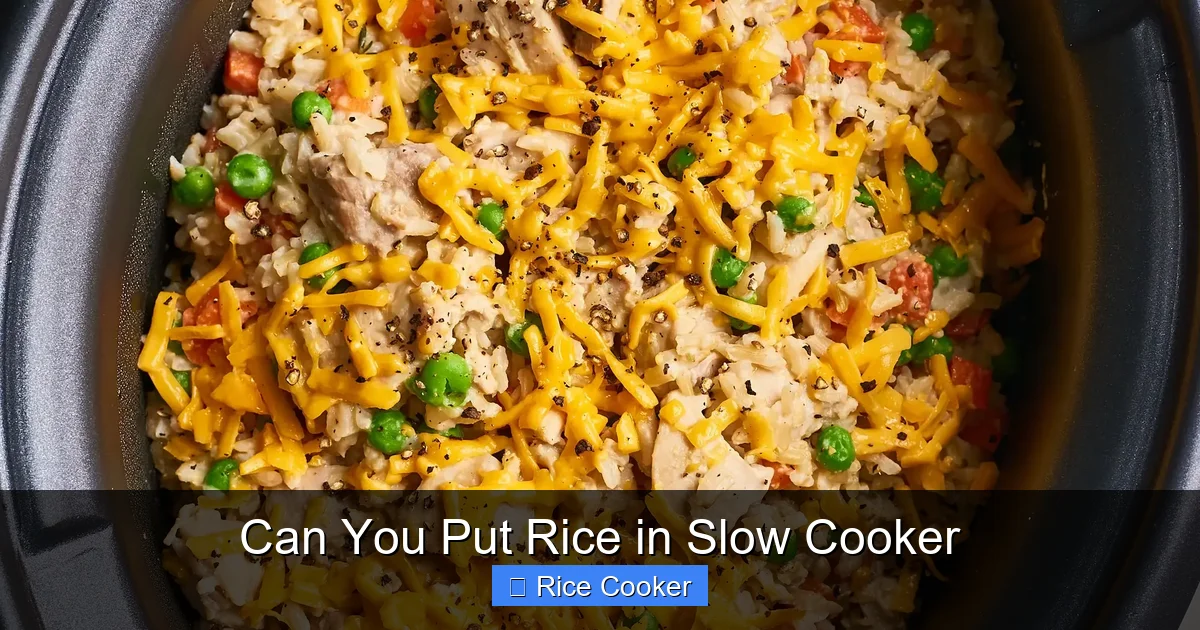
Can you put rice in a slow cooker? Absolutely! With the right liquid-to-rice ratio and cooking time, your slow cooker can produce tender, flavorful rice without any hassle. Unlike traditional stovetop or rice cooker methods, the slow cooker uses gentle, even heat to transform dry grains into soft, ready-to-eat meals—perfect for busy weeknights or hands-off dinners. Whether you’re making jasmine, basmati, or brown rice, this method saves time and energy while keeping your kitchen cool.
Key Takeaways
- Yes, you can cook rice in a slow cooker—it’s a convenient and hands-free way to prepare rice with minimal effort.
- Use a 2:1 liquid-to-rice ratio (e.g., 1 cup rice to 2 cups water or broth) for best results, adjusting slightly based on rice type.
- Cook on low for 2–3 hours or high for 1–2 hours, then let it sit for 10–15 minutes before fluffing.
- Add ingredients early in the cooking process like vegetables, proteins, or spices to infuse flavor into the rice.
- Avaliable rice varieties like jasmine, basmati, white rice, and even some types of brown rice work well, though brown rice may need longer soaking.
- Always use a tight-fitting lid and avoid lifting it during cooking to maintain consistent temperature and moisture.
- Clean-up is easy—just rinse the inner pot and wipe the exterior with a damp cloth.
Key Takeaways
- Understanding can you put rice in slow cooker: Provides essential knowledge
Quick Answers to Common Questions
Can you put raw rice in a slow cooker?
Yes, absolutely. Raw rice is what you’ll use—no need to toast or pre-cook it. Just rinse, add liquid, and cook.
How long does rice take to cook in a slow cooker?
On LOW: 2–3 hours. On HIGH: 1–2 hours. Always check for doneness before finishing.
Do you need to rinse rice before slow cooking?
Yes, especially for white long-grain rice. Rinsing removes excess starch and prevents clumping.
Can I add salt to the rice while slow cooking?
Yes, add it with the liquid. Stirring after cooking isn’t necessary and can ruin the texture.
What happens if I don’t cover the slow cooker?
The rice may dry out or cook unevenly. A tight-fitting lid is essential for proper steaming and moisture retention.
📑 Table of Contents
- Can You Put Rice in Slow Cooker? The Ultimate Guide to Hands-Off, Fluffy Results
- How Does Slow Cooking Rice Work?
- Best Types of Rice for Slow Cooking
- Step-by-Step Guide: How to Cook Rice in a Slow Cooker
- Cooking Rice in a Slow Cooker: Common Mistakes & Fixes
- Creative Ways to Use Slow-Cooked Rice
- Slow Cooker vs. Rice Cooker: Which Is Better?
- Frequently Asked Questions About Cooking Rice in a Slow Cooker
- Final Thoughts: Should You Cook Rice in a Slow Cooker?
Can You Put Rice in Slow Cooker? The Ultimate Guide to Hands-Off, Fluffy Results
If you’ve ever stood over a hot stove, stirring constantly as rice threatens to boil over, you know how frustrating it can be. What if we told you that you could make perfectly cooked rice—fluffy, tender, and full of flavor—without standing at the counter at all? Yes, you heard that right: you can definitely put rice in a slow cooker. In fact, many home cooks are discovering that this kitchen workhorse isn’t just for stews and roasts—it’s also a surprisingly effective tool for preparing one of the world’s most beloved grains.
Unlike rice cookers, which rely on precise temperature control and steam release mechanisms, slow cookers use moist, indirect heat over several hours. This method doesn’t require constant attention, and when used correctly, it delivers consistently good results. Whether you’re meal prepping for the week, cooking for a crowd, or simply tired of babysitting a pot on the stove, the slow cooker offers a reliable, low-maintenance alternative. And yes—rice works beautifully in it.
How Does Slow Cooking Rice Work?
Slow cookers operate by maintaining a low, steady temperature (typically between 170°F and 200°F) for extended periods. When rice is added with enough liquid and covered tightly, the grains absorb the moisture slowly and evenly. As the water evaporates gradually, the starch molecules break down just enough to create tender, separate grains—not mushy or undercooked ones.
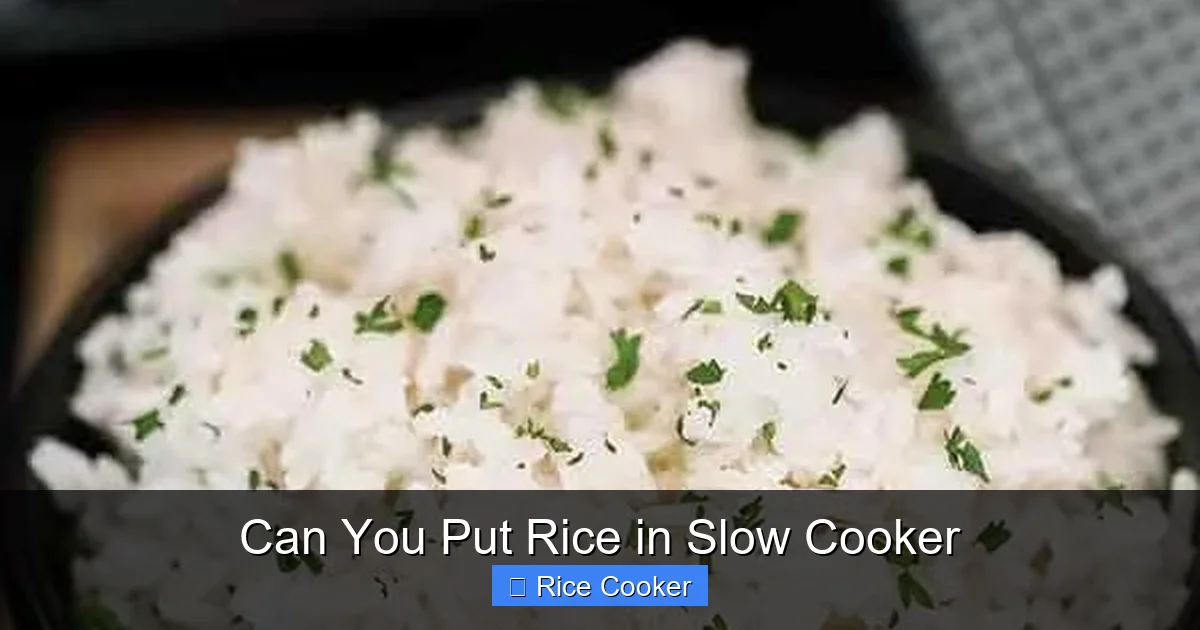
Visual guide about Can You Put Rice in Slow Cooker
Image source: metrocookingdallas.com
The Science Behind It
Rice contains amylose and amylopectin, two types of starch that influence texture. White rice, especially long-grain varieties, has more amylose, which gives it that classic fluffy, non-sticky quality when cooked properly. The slow cooker mimics the gentle simmer of a stovetop but without the risk of scorching or uneven heating. Because the heat is indirect and consistent, there’s less chance of burning the bottom or creating a sticky mass.
One key advantage of slow cooking rice is that it allows flavors to meld naturally. If you add onions, garlic, herbs, or broth instead of plain water, the rice soaks up those tastes over time, resulting in a more aromatic and delicious final product.
Best Types of Rice for Slow Cooking
Not all rice is created equal when it comes to slow cooking. Some types perform better than others due to their grain structure and starch content. Here’s what works best:
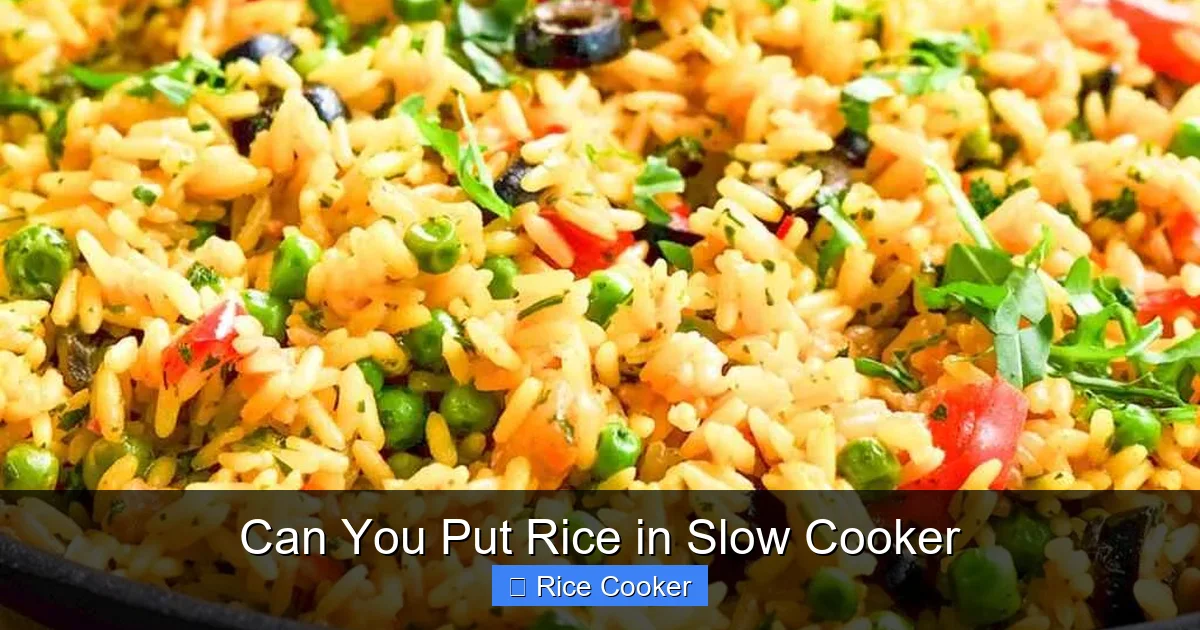
Visual guide about Can You Put Rice in Slow Cooker
Image source: lovefoodfeed.com
White Long-Grain Rice
This is the gold standard for slow-cooked rice. Varieties like Jasmine and Basmati are ideal because they remain separate and fluffy after cooking. They have a lower starch content compared to short-grain rice, so they don’t turn mushy when cooked slowly.
Brown Rice
Brown rice takes longer to cook and requires more liquid, but it can still be made successfully in a slow cooker—especially if you soak it first. Because the bran layer makes it denser, brown rice often needs 2–3 times more liquid than white rice and may take 3–4 hours on low. Pre-soaking for 30 minutes can help reduce cooking time and improve texture.
Instant Rice or Parboiled Rice
These pre-treated rices are already partially cooked and can be made faster in a slow cooker. They’re convenient for quick meals but may lack the full flavor absorption of regular rice.
Avoid Short-Grain or Sticky Rice
Rices like sushi rice or glutinous rice stick together easily, even with careful cooking. Their high amylopectin content means they clump rather than stay separate, making them poor candidates for slow cooking unless you’re aiming for a porridge-like consistency.
Step-by-Step Guide: How to Cook Rice in a Slow Cooker
Ready to try it yourself? Follow these simple steps for foolproof results every time.
What You’ll Need
- 1 cup uncooked rice (white long-grain recommended)
- 2 cups liquid (water, broth, or a mix)
- Slow cooker
- Measuring cups
- Lid (must fit tightly)
Instructions
- Measure the rice and rinse it under cold water until the water runs clear. Rinsing removes excess starch, which helps prevent clumping.
- Add the rice and liquid to the slow cooker. Use a 2:1 ratio—1 part rice to 2 parts liquid. For example, 1 cup rice + 2 cups broth.
- Optional: Add flavorings like a bay leaf, garlic clove, or diced onion for extra taste.
- Cover and cook on LOW for 2–3 hours or HIGH for 1–2 hours. Do not lift the lid during cooking—this releases steam and extends cooking time.
- Let it rest for 10–15 minutes after cooking. This allows residual heat to finish the process gently and makes fluffing easier.
- Fluff with a fork and serve immediately.
Pro Tips for Success
- Don’t stir during cooking—it breaks up the grains and leads to mushiness.
- Use broth instead of water for richer flavor, especially if you’re making rice as a side dish or base for other ingredients.
- Adjust liquid slightly depending on altitude—higher elevations may require a bit more liquid due to faster evaporation.
- Try adding cooked proteins like shredded chicken or beans in the last 30 minutes to avoid overcooking.
Cooking Rice in a Slow Cooker: Common Mistakes & Fixes
Even with the best intentions, things can go wrong when cooking rice in a slow cooker. But don’t worry—most issues have simple solutions.
Mistake #1: Using Too Little Liquid
Result: Undercooked, dry rice.
Fix: Stick to the 2:1 ratio. If your rice is still crunchy after the recommended time, add ¼ cup more liquid and cook for another 30 minutes on low—but only if the slow cooker hasn’t finished its cycle.
Mistake #2: Lifting the Lid Frequently
Result: Uneven cooking and extended time.
Fix: Once you start cooking, keep the lid closed. Every time you open it, you lose heat and moisture, which disrupts the process.
Mistake #3: Not Rinsing the Rice
Result: Sticky, gummy texture.
Fix: Always rinse long-grain rice before cooking. This removes surface starch and ensures individual grains.
Mistake #4: Adding Salt Late
Result: Uneven seasoning.
Fix: Add salt with the liquid—it dissolves better and distributes evenly throughout the rice.
Mistake #5: Using the Wrong Pot Size
Result: Rice overflows or doesn’t cook evenly.
Fix: Use a slow cooker that’s at least 1.5 to 2 times larger than your rice quantity. For 1 cup of rice, a 3-quart slow cooker is usually sufficient.
Creative Ways to Use Slow-Cooked Rice
Once you master basic rice, you can get creative. Slow cooking opens up possibilities beyond plain white rice.
Rice Bowls and Grain Bowls
After cooking rice, top it with roasted vegetables, grilled chicken, avocado, and a drizzle of tahini or soy sauce. These bowls are great for meal prep and packed with nutrients.
Fried Rice
Make a large batch of rice ahead of time, chill it overnight, then stir-fry it with eggs, peas, carrots, and soy sauce. The cold rice won’t clump and will crisp up nicely.
Risotto-Like Dishes
While traditional risotto requires constant stirring, you can approximate it in a slow cooker by using Arborio rice, adding warm broth gradually, and stirring occasionally. The result is creamy without the labor.
Stuffed Peppers or Cabbage Rolls
Mix cooked rice with ground meat, herbs, and tomato sauce, then stuff into peppers or cabbage leaves and cook in the slow cooker for an hour. No oven needed!
Breakfast Porridge
Try oats or quinoa in place of rice for a savory breakfast. Cook with milk, turmeric, and black pepper for a spiced Indian-inspired dish.
Slow Cooker vs. Rice Cooker: Which Is Better?
You might wonder why bother with a slow cooker when most people own a rice cooker. Both appliances do similar jobs, but they excel in different ways.
| Feature | Slow Cooker | Rice Cooker |
|---|---|---|
| Primary Function | Long, slow cooking (hours) | Quick, automated rice cooking (minutes) |
| Temperature Control | Low/High settings only | Precise thermostat (steams, boils, simmers) |
| Hands-On Time | None after setup | Minimal (just add ingredients) |
| Versatility | Stews, soups, braises, and yes—rice | Primarily rice, some models do yogurt or steaming |
| Energy Use | Low, but runs for hours | Higher initial draw, finishes quickly |
In short, a rice cooker is faster and more specialized, while a slow cooker offers flexibility and convenience for multi-ingredient meals. If you only cook rice occasionally, a rice cooker may be better. But if you want one appliance that does everything—including rice—the slow cooker is a strong contender.
Frequently Asked Questions About Cooking Rice in a Slow Cooker
Still have questions? You’re not alone. Here are answers to the most common queries from home cooks.
Can I cook rice in a slow cooker without a lid?
No. The lid traps steam and maintains internal humidity, which is essential for proper gelatinization of starch. Without it, the rice will dry out or cook unevenly.
How much water should I use per cup of rice?
Use 2 cups of liquid per 1 cup of uncooked rice. Adjust slightly if using broth or adding other liquids like sauces.
Can I cook rice and vegetables together?
Yes! Add hard vegetables like carrots or potatoes along with the rice. Soft veggies like spinach should go in during the last 30 minutes.
What if my rice turns out mushy?
This usually happens from too much liquid or stirring. Try reducing the liquid next time and avoid mixing after cooking.
Can I cook rice in a slow cooker overnight?
Yes, but only if it’s on LOW setting. Overnight cooking (8+ hours) can lead to overcooked, mushy rice. Stick to 2–3 hours max.
Do I need to soak rice before slow cooking?
Not for white rice. Brown rice benefits from a 30-minute soak to shorten cooking time and improve texture.
Can I reheat leftover slow-cooked rice?
Absolutely. Just warm it in a saucepan with a splash of water or broth to restore moisture. Avoid microwaving directly from the slow cooker pot.
Is it safe to leave rice in the slow cooker for too long?
Once fully cooked, rice is safe in the slow cooker for up to 2 hours on WARM. Beyond that, bacteria can grow. Transfer leftovers promptly to the fridge.
Can I use a slow cooker liner for rice?
Yes! Liners make cleanup easier. Just follow the same steps—rinse rice, add liquid, cook, and discard the liner afterward.
Final Thoughts: Should You Cook Rice in a Slow Cooker?
So, can you put rice in a slow cooker? The answer is a resounding yes—and once you try it, you might never go back to babysitting a pot on the stove. It’s perfect for busy parents, remote workers, or anyone who loves the idea of “set it and forget it” meals. With minimal prep and maximum flavor potential, slow cooking rice is both practical and delicious.
Whether you’re making a simple side dish or building a one-pot meal, this method proves that your slow cooker is far more versatile than you thought. Give it a try with jasmine rice and vegetable broth, then experiment with brown rice, herbs, and proteins. Before long, you’ll be recommending it to friends and family—because sometimes, the easiest way to great food is the smartest way.
Happy cooking—and may your rice always be fluffy!
Frequently Asked Questions
Can you put rice in a slow cooker without burning it?
Yes, as long as you use enough liquid and avoid high heat. The slow cooker’s indirect heat prevents burning, unlike a stovetop.
How much liquid do I need for rice in a slow cooker?
Use 2 cups of liquid for every 1 cup of uncooked rice. Broth enhances flavor, but water works fine too.
Can I cook brown rice in a slow cooker?
Yes, but it requires more liquid (about 2.5–3 cups per cup of rice) and longer cooking time (3–4 hours on low).
Why is my slow-cooked rice sticky?
Sticking usually comes from not rinsing the rice or using too little liquid. Always rinse and measure accurately.
Can I make fried rice in a slow cooker?
Not ideal, but you can cook rice ahead and refrigerate it. Then fry it later on a stovetop with oil and ingredients.
Is it safe to leave rice in the slow cooker for hours?
Only after it’s fully cooked. Keep it on WARM for up to 2 hours. After that, transfer to the fridge to prevent bacterial growth.